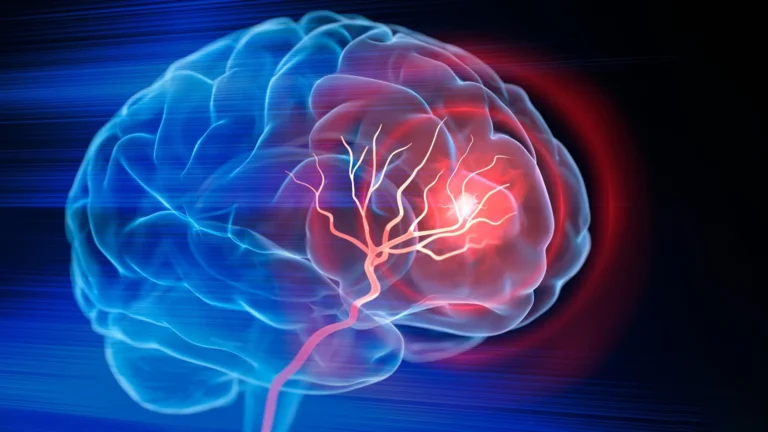
In a significant breakthrough for neurological science, researchers from Nanyang Technological University, Singapore (NTU Singapore) have identified a potential "early warning system" for Alzheimer’s disease. By analyzing the brain’s natural waste-removal pathways, the team discovered that blockages in these microscopic channels—known as "enlarged perivascular spaces"—frequently occur well before the onset of clinical dementia symptoms.
This discovery offers a promising new diagnostic avenue: by utilizing routine magnetic resonance imaging (MRI) scans, clinicians may soon be able to flag patients at risk of Alzheimer’s long before memory loss or cognitive decline becomes irreversible.
The Mechanism: How the Brain Clears Toxic Waste
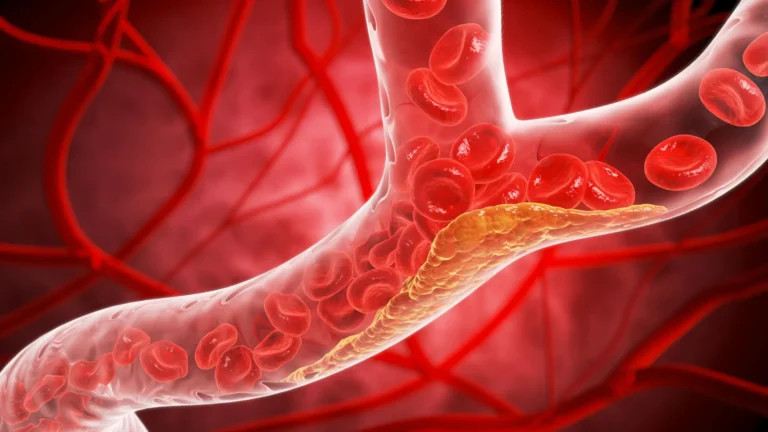
To understand the gravity of the NTU team’s findings, one must first understand the brain’s unique plumbing system. Unlike the rest of the body, the brain lacks a traditional lymphatic system. Instead, it relies on a sophisticated network of perivascular spaces—small, fluid-filled channels that surround blood vessels. These channels serve as a critical drainage system, responsible for flushing out metabolic waste products, most notably beta-amyloid and tau proteins.
In a healthy brain, these proteins are cleared efficiently. However, in individuals developing Alzheimer’s, this system begins to fail. As the drainage efficiency drops, these perivascular spaces become enlarged. Because these enlargements are visible on standard, non-invasive MRI scans, they represent a potential "biomarker"—a biological signpost that doctors can monitor during routine check-ups.
For years, the medical community has debated whether these enlarged spaces were merely a byproduct of aging or a direct contributor to neurodegeneration. The NTU study, by correlating these spaces with established Alzheimer’s markers, provides some of the strongest evidence to date that these "clogged drains" are an intrinsic part of the disease’s progression.
A Study of Diversity: The Importance of Asian Populations
A pivotal aspect of this research is its focus on an Asian cohort. Historically, Alzheimer’s research has been heavily skewed toward Caucasian populations, a bias that has limited the global applicability of previous findings.
"Dementia does not affect all ethnic groups in the same way," explains Associate Professor Nagaendran Kandiah of NTU’s Lee Kong Chian School of Medicine (LKCMedicine), who spearheaded the study.
The distinction is not merely academic; it is clinical. For instance, the apolipoprotein E4 (APOE4) gene is a major risk factor for Alzheimer’s in Caucasian populations, appearing in 50% to 60% of cases. In Singaporean dementia patients, however, that same gene is present in fewer than 20% of cases. By studying a cohort of nearly 1,000 individuals from diverse ethnic backgrounds in Singapore, the NTU team has provided a more nuanced understanding of how Alzheimer’s manifests in non-Western populations, ensuring that diagnostic tools are effective across different genetic landscapes.
Chronology of the Research
The project, conducted as part of LKCMedicine’s Bachelor of Medicine and Bachelor of Surgery program, was a multi-year undertaking.
- Initial Observation: The research team began by cataloging MRI scans of 1,000 participants, ranging from those with perfectly normal cognitive function to those suffering from early-stage mild cognitive impairment (MCI).
- Comparison Phase: The team then compared the frequency of enlarged perivascular spaces in these two groups. The results were stark: those with early cognitive decline were significantly more likely to show these "clogged" brain features.
- Biochemical Correlation: To add weight to their findings, the team analyzed blood samples from the participants, looking for seven specific biochemical markers linked to Alzheimer’s, including elevated levels of beta-amyloid and tau.
- The "Unexpected" Discovery: The researchers found that while white matter damage (a standard indicator of vascular health) was linked to six of the seven markers, the enlarged perivascular spaces showed a stronger, more direct correlation to the disease markers specifically in patients with early cognitive impairment. This suggested that these "drains" might actually be a precursor to the more widely recognized white matter damage.
Supporting Data: Why "Clogged Drains" Matter
The study’s data suggests that the presence of enlarged perivascular spaces is not just an aesthetic change in the brain, but a functional failure. When these spaces are enlarged, it indicates that toxic proteins are building up within the brain tissue rather than being flushed into the systemic circulation.
The research revealed that the correlation between these spaces and Alzheimer’s-related biochemicals was particularly potent among those in the early stages of cognitive decline. This makes the finding a "leading indicator." While white matter damage often indicates that some level of structural destruction has already occurred, the enlargement of these spaces might act as an earlier warning sign—a "check engine light" for the brain that flashes before the engine actually breaks down.
Official Responses and Expert Commentary
The medical community has reacted with cautious optimism, viewing these findings as a vital step toward early intervention.
Dr. Rachel Cheong Chin Yee, a Senior Consultant at Khoo Teck Puat Hospital’s Department of Geriatric Medicine, emphasized the clinical value of the work. "These findings are significant because they suggest that brain scans showing enlarged perivascular spaces could potentially help identify people at higher risk of Alzheimer’s disease, even before symptoms appear," she noted.
Dr. Chong Yao Feng, a Consultant at the National University Hospital’s Division of Neurology, pointed out that the research challenges the traditional binary view of brain diseases. Historically, doctors categorized patients as having either "vascular dementia" (caused by blood vessel issues) or "Alzheimer’s" (caused by protein plaques).
"The study’s findings are intriguing as they demonstrate that both diseases do interact in a synergistic manner," Dr. Chong said. He cautioned, however, that clinicians must be careful. "Doctors will have to use their clinical judgement of the patient’s scan and symptoms… to determine if more checks are needed to confirm whether a patient has Alzheimer’s disease or not."
Implications for Future Diagnosis and Treatment
The implications for the future of geriatric medicine are profound. If these findings are validated in larger, global studies, the diagnostic protocol for cognitive decline could shift significantly.
1. Cost-Effective Screening
Because enlarged perivascular spaces are visible on standard MRI scans—which are already part of the routine workup for cognitive decline—there is no need for expensive, specialized tests to identify this marker. This democratizes early detection, making it more accessible to healthcare systems worldwide.
2. The Window for Intervention
The primary hurdle in treating Alzheimer’s has always been the "too little, too late" problem. By the time symptoms manifest, significant neuronal death has often already occurred. If doctors can identify the "clogging" phase, they may be able to prescribe lifestyle changes or emerging pharmaceutical treatments years before the disease reaches a stage of severe dementia.
3. A New Paradigm of "Brain Vessel Disease"
The research encourages a shift away from viewing cerebrovascular health and Alzheimer’s as isolated issues. Instead, it frames the brain as a system where vascular efficiency and protein clearance are deeply intertwined. This could lead to a new generation of treatments focused on improving the brain’s "waste management" capabilities, such as improving sleep quality or managing blood pressure to reduce the load on the perivascular system.
Conclusion: The Road Ahead
The NTU research team is not resting on these initial findings. The next phase of their project involves a longitudinal study, tracking the participants over several years to observe how many of those with "clogged" drainage systems go on to develop full-blown Alzheimer’s.
If this follow-up confirms that these spaces are a reliable predictor of the disease, it could fundamentally change how we approach brain health. We are moving toward a future where "early detection" means catching the disease at the level of the brain’s plumbing—before the first memory is lost, and before the tragedy of dementia can take hold. As Associate Professor Kandiah noted, "identifying these anomalies could complement existing methods to detect Alzheimer’s earlier, without having to do and pay for additional tests."
In the fight against the most common form of dementia, this discovery represents a clear, visible, and actionable step forward.