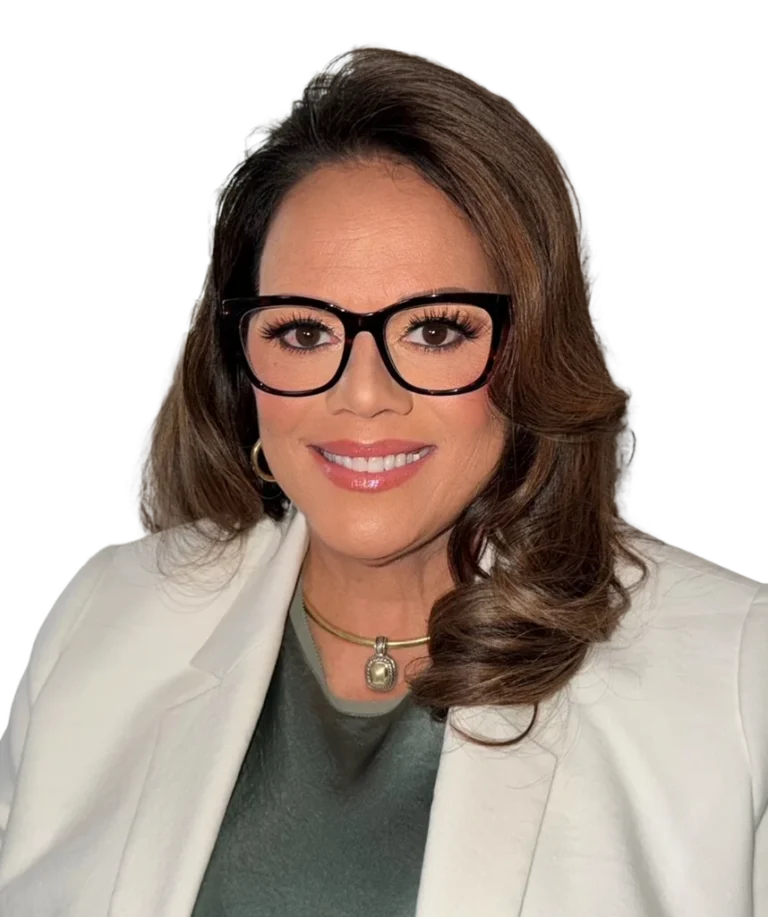
In the modern landscape of longevity, the traditional retirement timeline has been upended. For millions of Americans—a demographic affectionately and accurately dubbed "Generation Caregiver" (Gen C)—the path to financial stability is no longer a straight line. It is a complex, high-stakes navigation between the needs of growing children and the escalating costs of caring for aging parents.
In her book, Me Time Monday, author and corporate gerontologist Sherri Snelling identifies seven core wellness elements essential for a balanced life. Among these, financial wellness stands out as the most volatile, particularly for the "sandwich generation." As the costs of long-term care skyrocket and the complexities of multi-generational households increase, financial resiliency has shifted from a luxury to a fundamental necessity.
The Financial Reality of Gen C: A Landscape in Flux
The "sandwich generation" refers to those individuals, typically in their 40s and 50s, who find themselves simultaneously responsible for the emotional and financial support of their children and their aging parents. This demographic is currently facing a "perfect storm" of economic pressures.
According to recent data, the out-of-pocket costs for family caregivers have reached unprecedented levels. When you factor in the "opportunity cost"—the loss of wages due to reduced hours, career plateaus, or early retirement necessitated by caregiving duties—the long-term damage to retirement savings is profound.

Key Factors Impacting Financial Resiliency:
- The Cost of Care Gap: With the rising price of professional home health care, assisted living, and memory care facilities, families are often forced to choose between their own financial security and the immediate well-being of their loved ones.
- The Longevity Paradox: While medical advancements have increased life expectancy, they have not necessarily increased "healthspan." Living longer often means living with chronic, expensive-to-manage conditions like Alzheimer’s or dementia.
- Fragmented Systems: Navigating Medicare, Medicaid, and private long-term care insurance remains a daunting task for the average consumer, often leading to costly administrative or strategic errors.
Bridging the Gap: The Rise of Financial Gerontology
To address these systemic challenges, a specialized field has emerged: Financial Gerontology. This multidisciplinary practice integrates academic research on human development and aging with the practical, often harsh, realities of modern finance.
Understanding the Four Lenses
Financial gerontologists view client needs through four distinct lenses:
- Population Aging: How demographic shifts impact national economic health and entitlement programs.
- Individual Aging: Tracking the personal "wealthspan" alongside the "healthspan."
- Family Aging: Managing the complex dynamics of intergenerational wealth transfer and care responsibility.
- Generational Aging: Understanding how different cohorts (Boomers, Gen X, Millennials) view savings and debt.
By applying the BioPsychoSocial model—which accounts for biological health, psychological resilience, and social support networks—financial gerontologists help families move beyond simple product-based sales pitches to create holistic, life-long strategies.
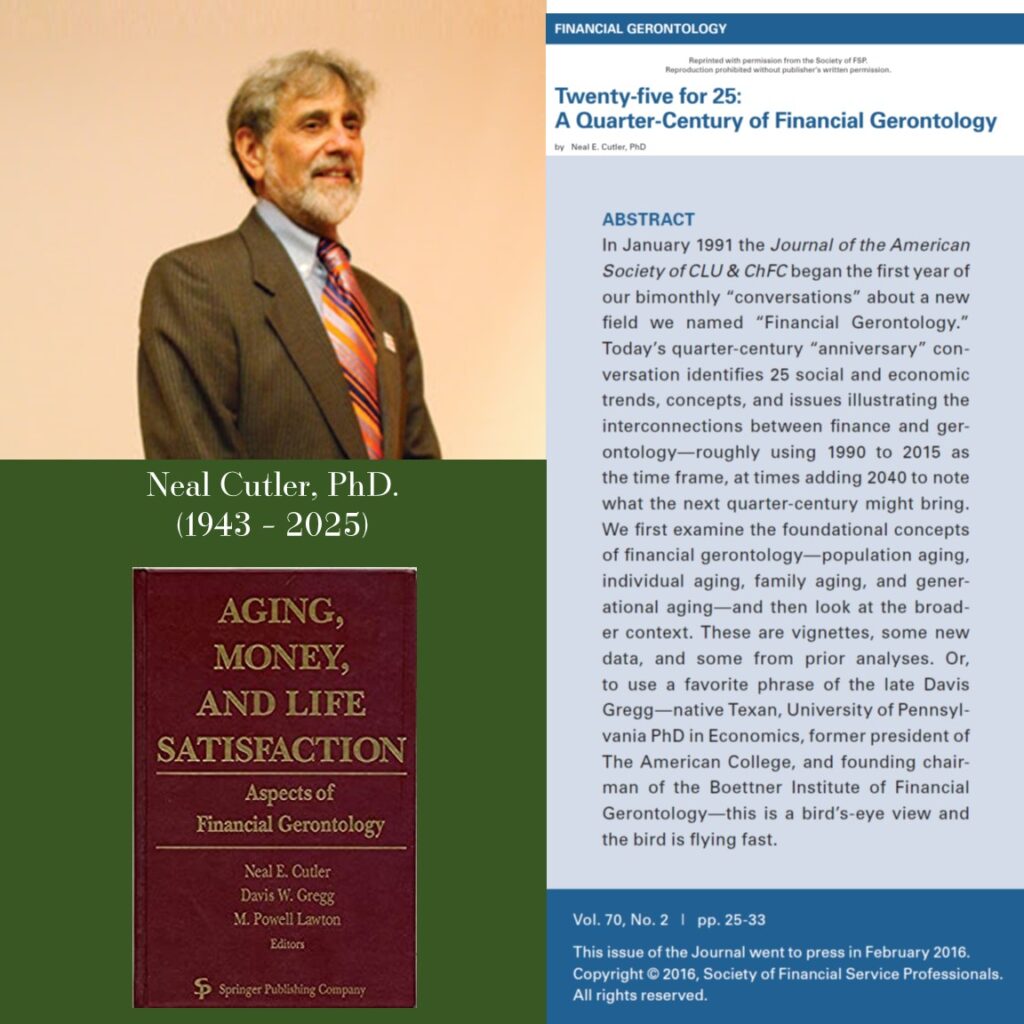
A Legacy of Mentorship: The Work of Neal Cutler
The evolution of this field owes a significant debt to the late Dr. Neal Cutler. A pioneer in the field, Dr. Cutler served as a mentor to Sherri Snelling, bridging the gap between political science, journalism, and the burgeoning field of gerontology.
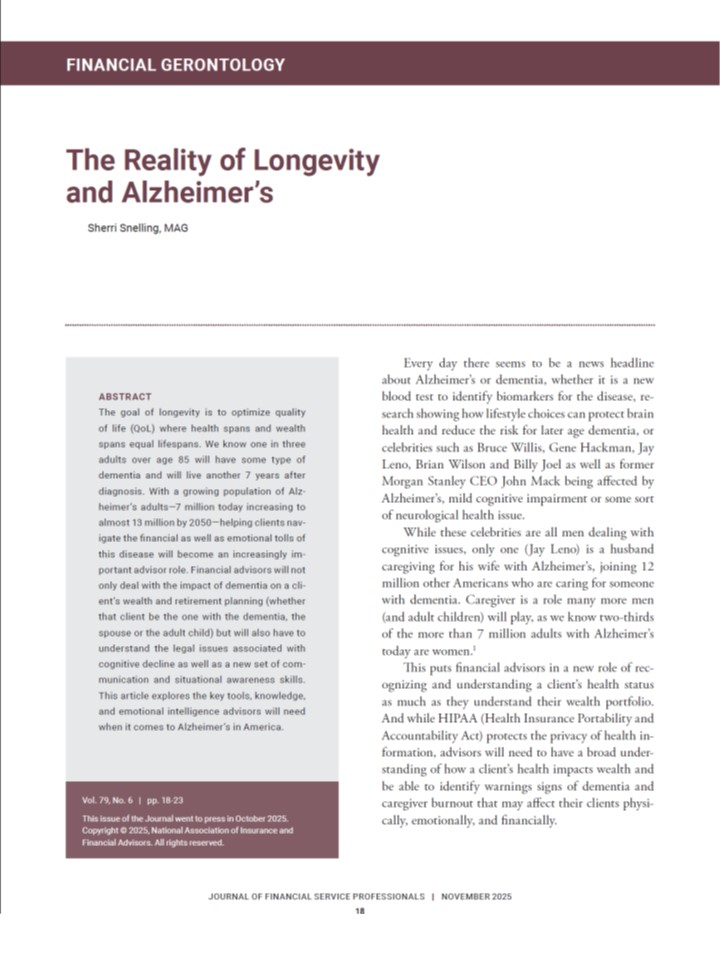
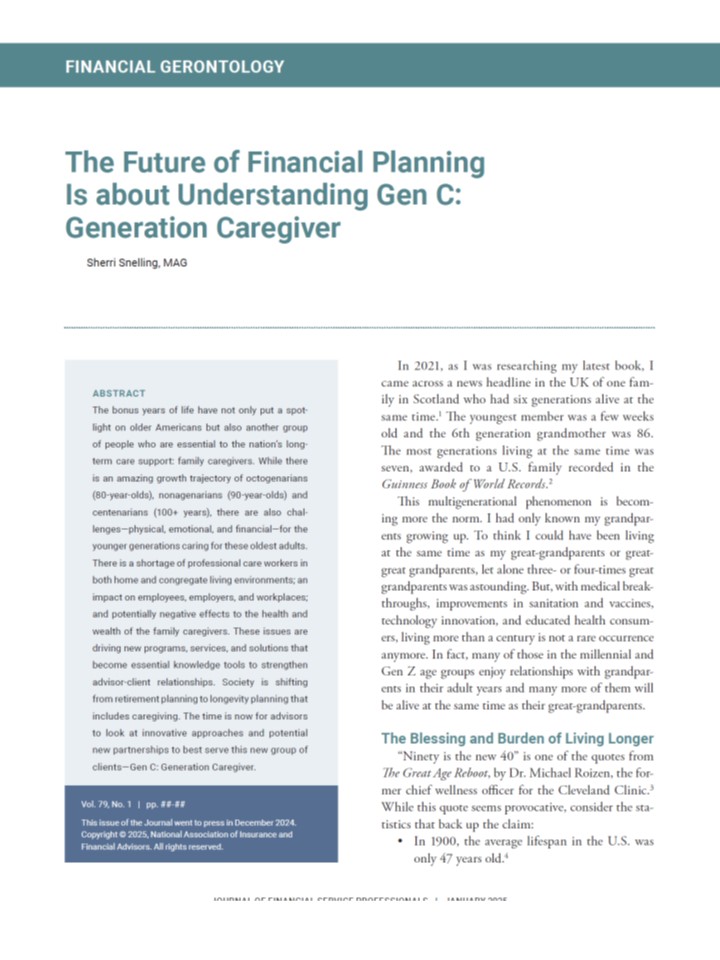
Their collaboration, which began in the halls of USC and culminated in a series of influential columns for the Journal of Financial Service Professionals, helped formalize the conversation around financial gerontology. From late 2024 until his passing in 2025, Dr. Cutler worked with Snelling to bring academic rigor to the plight of the sandwich generation. Their work highlighted how home buying, family planning, and Alzheimer’s care were being radically reshaped by the "caregiver tax"—the invisible cost paid by those who step in to support family members.
Official Guidance: Planning for the Future
"Preparing and planning for the care of older loved ones is the single most effective way to keep sandwich generation caregivers out of poverty," says Snelling. "It is never too early or too late to start these long-term-care plans. Working with a credentialed financial gerontologist ensures you receive expert advice that transcends standard financial planning."
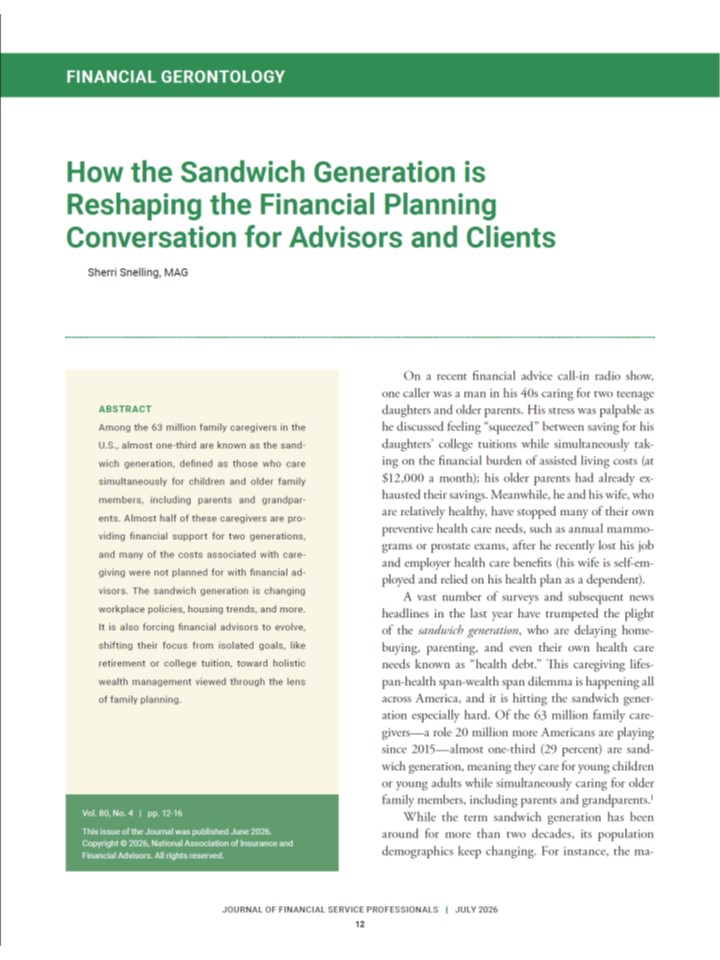
The industry is beginning to take notice. Major financial institutions, including Bank of America, have partnered with institutions like the USC Leonard Davis School of Gerontology to offer certification programs for employees. This shift suggests that the financial sector is finally acknowledging that "wealth management" is incomplete without "longevity management."
Implications for the Modern Family
The implications for those currently in the "sandwich" are clear: the status quo is insufficient. Families that fail to plan for the "what ifs" of long-term care are at risk of depleting their own retirement funds, creating a cycle of dependency that impacts their children in turn.

Steps Toward Financial Resiliency:
- Seek Specialized Advice: Look for financial advisors who possess credentials or certifications in financial gerontology. Avoid those who view longevity merely as a "retirement savings" problem; seek those who understand the nuances of health care navigation.
- The "Joyconomy" Concept: As explored in Me Time Monday, financial wellness isn’t just about spreadsheets—it’s about maintaining a "Joyconomy." This involves prioritizing self-care and finding low-cost ways to reduce stress, ensuring that the caregiver does not burn out before the caregiving journey ends.
- Proactive Documentation: Ensure all legal and financial documents—Power of Attorney, living wills, and long-term care insurance policies—are updated and accessible.
- Leverage Educational Resources: Utilize white papers and webinars from reputable sources. Organizations like the Caregiving Club offer deep-dive podcasts and articles that bridge the gap between financial theory and the messy, day-to-day reality of care.
FAQs: Navigating the Field
Q: Is "Financial Gerontologist" an official job title?
A: It is an emerging professional designation. While there is no single government-regulated license, many experts earn certificates from accredited institutions like the USC Leonard Davis School of Gerontology. Consumers should look for advisors who have completed these specialized programs.
Q: Why is this different from a standard financial advisor?
A: A standard advisor focuses on market returns and asset allocation. A financial gerontologist focuses on the entire life trajectory, including how declining health, family dynamics, and social support structures will impact the client’s ability to remain financially solvent during their later years.

Q: Can I still save for my own retirement while caring for my parents?
A: Yes, but it requires radical transparency. By working with a professional who understands the costs of long-term care, you can build a budget that accounts for these expenditures, preventing your parents’ health crisis from becoming your own financial catastrophe.
Conclusion: A Call to Action
The sandwich generation is the backbone of the American family unit, yet they are often the most financially vulnerable. As we continue to navigate a world where life expectancy continues to climb, the integration of financial planning and gerontology is not just a professional trend—it is a societal necessity.

By taking control of the financial narrative today, Gen C can protect their own future while honoring the needs of their loved ones. Whether through continuing education, professional consultation, or personal wellness practices like those outlined in Me Time Monday, the path to financial resiliency starts with a single, informed step. As the industry continues to evolve, the tools are becoming more accessible; the responsibility now lies with the individual to utilize them, plan early, and secure their financial legacy.