28 July, 2026
In a milestone moment for respiratory medicine, the inaugural European Respiratory Society (ERS) Cough Conference has concluded in London, marking a definitive shift in how the medical community perceives, diagnoses, and treats chronic cough. By uniting global experts under the rallying cry that "chronic cough is a disease," the event has successfully repositioned a historically overlooked symptom as a primary clinical focus, setting the stage for a new era of research and patient-centered management.
Main Facts: A Global Convergence on Respiratory Health
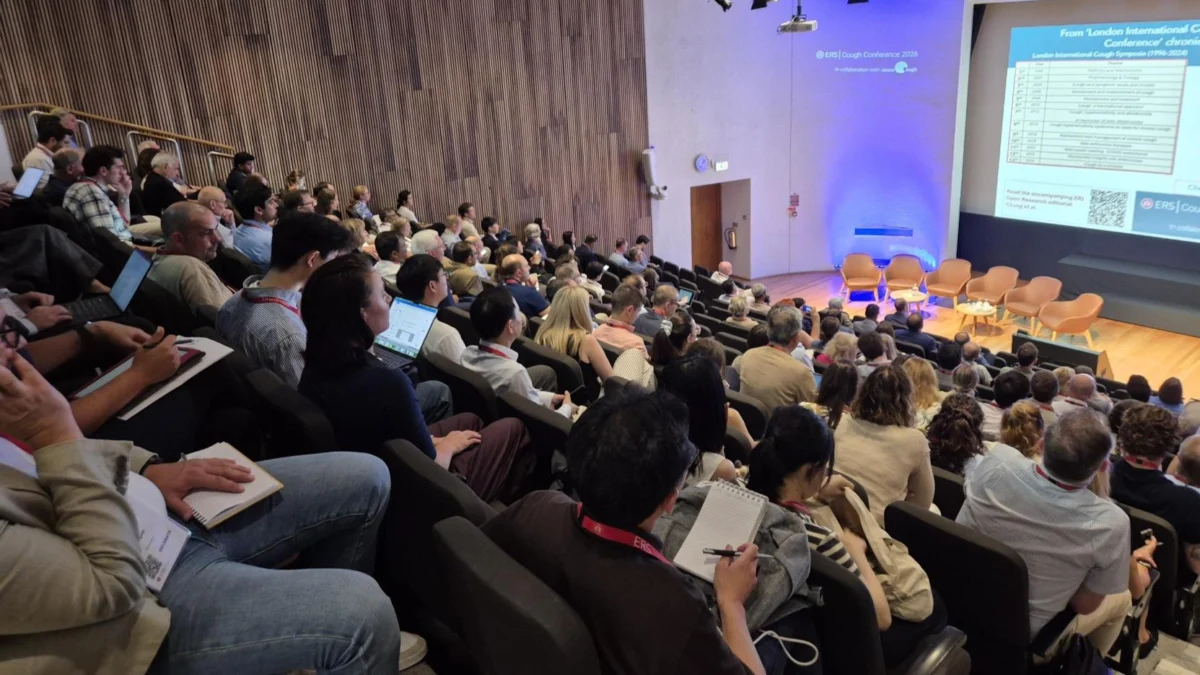
The inaugural ERS Cough Conference, held in London and simultaneously streamed to a global audience, drew a total of 350 delegates from 59 countries. The hybrid format proved highly effective, with over 200 respiratory professionals attending in person and an additional 150 participating virtually.
The conference’s primary objective was ambitious: to shift the global paradigm by officially framing chronic cough as a standalone disease entity. Led by Conference Chair Prof. Fan Chung, the event served as a high-level forum to dissect the underlying pathophysiology of chronic hypersensitive cough, explore the latest pharmacological breakthroughs, and integrate the "lived experience" of patients directly into the scientific discourse.
The event’s reach was truly international, with attendees traveling from as far afield as Bangladesh, India, China, Australia, and New Zealand. This diverse representation underscored the universal nature of the challenge and the urgent need for a cohesive, global approach to management.
The Chronology: From Legacy to Future Innovation
The ERS Cough Conference did not emerge in a vacuum; it stands on the shoulders of the storied London International Cough Symposium (LICS), which was initiated in 1992 by the late Prof. John Widdicombe.
The Evolution of the Symposium
For decades, the LICS served as the premier, albeit intimate, gathering for cough specialists. In 2026, the ERS made the strategic decision to elevate this legacy into a broader, more inclusive scientific congress. By integrating the ERS’s extensive network and infrastructure, the new conference successfully expanded the scope of the original symposium while carefully preserving its hallmark "close-knit" atmosphere, which participants have long cited as a prerequisite for meaningful clinical collaboration.
The Three-Day Scientific Journey
The conference itinerary was meticulously structured to facilitate both deep scientific inquiry and interdisciplinary networking:
- Day One: Focused on foundational science, including the latest in neurological pathways and the pathophysiology of hypersensitive cough.
- Day Two: Dedicated to clinical translation, featuring "In partnership with industry" sessions that bridged the gap between basic research and pharmaceutical development.
- Day Three: Focused on patient outcomes and future directions, culminating in the presentation of inaugural awards and the formal closing remarks.
Supporting Data: A Hub of Scientific Rigor
The scientific output of the conference was substantial. The organizing committee reported a record-breaking number of abstract submissions, a clear indicator of the burgeoning interest in the field.
Key Areas of Inquiry
The sessions were characterized by a rigorous examination of the following pillars:
- Pathophysiological Mechanisms: Presentations delved into the neural mechanisms of cough reflex hypersensitivity, challenging the traditional view of cough as merely a protective reflex.
- Clinical Management: Experts reviewed current treatment paradigms, focusing on the management of chronic refractory cough and the limitations of current antitussives.
- Patient-Centric Data: Unlike many scientific meetings, this conference placed patient input at the center of the stage. Contributions from patient representatives Ruth Last and Andrew Lothian provided a qualitative counterweight to the quantitative clinical trials presented by researchers.
The "buzz" surrounding the poster sessions was noted by attendees and organizers alike, as early-career researchers and established scientists engaged in intense, high-level discussions that often extended well beyond the allotted time.
Official Responses: Insights from the Leadership
The success of the event was best summarized by the leadership who navigated its development.
Prof. Fan Chung: "Chronic Cough is Coming of Age"
In his closing address, Prof. Fan Chung reflected on the significance of the event’s success:
"The ERS Cough Conference was excellent and achieved its objectives—telling the world that chronic cough is a disease, how we got there, and the way forward. Chronic cough is ‘coming of age’! All sessions were well attended, and the discussion sessions were extremely interactive. The contribution of our patient representatives was a first for such an event and was exceptional; it meant that patient perspectives and outcomes were always the focus of our discussions."
Prof. Omar Usmani: Surpassing Expectations
Prof. Omar Usmani, ERS Science Council Chair and Conference Co-Chair, emphasized the importance of the conference’s structure:
"We wanted to expand on the event’s reach and incorporate more scientific insights from around the world, while retaining its intimate, close-knit, and engaging feel. It’s safe to say that it achieved that and more. We are already looking ahead to 2028 with a mandate to continue this momentum."
Implications for the Future of Respiratory Medicine
The 2026 ERS Cough Conference has implications that extend far beyond the three days in London.
1. Standardizing Care
By formally defining chronic cough as a disease, the ERS has provided a roadmap for healthcare systems to prioritize it in clinical guidelines. This move is expected to reduce the "diagnostic odyssey" that many patients face, where they are often bounced between specialists for years before receiving an accurate diagnosis and effective management plan.
2. Industry and Academia Collaboration
The inclusion of dedicated industry-partner sessions proved to be a masterstroke. By fostering an environment where clinical triallists and pharmacologists can interact directly with practicing physicians and patient advocates, the conference has accelerated the feedback loop necessary to bring new therapies to market. This collaborative environment ensures that future drug development is aligned with actual patient needs and clinical realities.
3. The Power of Patient Advocacy
Perhaps the most significant takeaway from the 2026 meeting was the integration of the "lived experience." By involving representatives like Ruth Last and Andrew Lothian, the ERS has set a new standard for scientific conferences. Future meetings in this field will likely be measured by their ability to maintain this human-centric focus, ensuring that research remains tethered to the actual quality-of-life improvements that patients are seeking.
4. Continued Learning and Global Reach
For those who could not attend, or for those who wish to revisit the high-quality content, the ERS has made the session recordings available via the ERS Respiratory Channel for the next three months. This commitment to accessibility ensures that the lessons of the conference—the new insights into hypersensitivity, the updated management protocols, and the emphasis on patient perspectives—will permeate the global respiratory community well beyond the closing of the event.
Looking Forward
As the dust settles on this inaugural success, the respiratory community is already looking toward the next iteration in 2028. The 2026 event has proven that there is a massive, underserved global appetite for specialized, high-quality discourse on chronic cough.
For the ERS, the challenge now lies in maintaining the momentum generated in London. With the foundation of the LICS legacy and the forward-thinking energy of the 2026 committee, the future of chronic cough management appears brighter and more patient-focused than ever before. As the medical community digests the new data and adopts the updated frameworks discussed, the true beneficiaries will be the millions of patients worldwide for whom chronic cough is not just a nuisance, but a debilitating, life-altering disease.
For those interested in joining the ERS or accessing future resources, memberships are available through the ERS website.