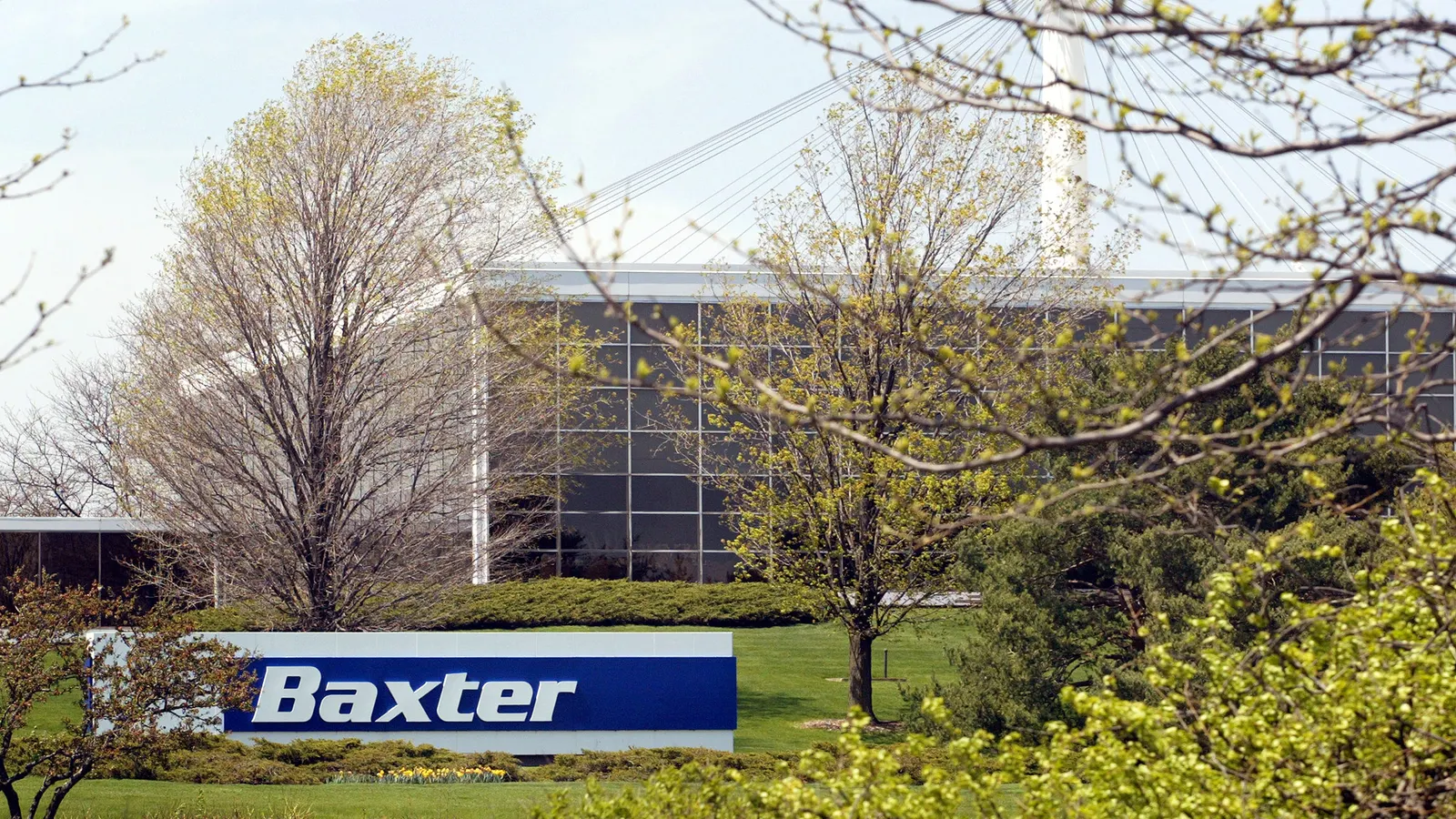
In a pivotal move aimed at cementing its long-term recovery strategy, Baxter International has announced the appointment of John Rogers as its new Executive Vice President and Chief Financial Officer. Rogers, a veteran financial executive with a robust track record in navigating complex corporate transformations, is set to join the Deerfield, Illinois-based medical technology giant on October 1. His arrival marks a critical juncture for Baxter as it seeks to move past years of restructuring and reposition itself for sustainable growth in the competitive global medtech landscape.
The Mandate: Strengthening the Balance Sheet
Baxter’s leadership, under the direction of CEO Andrew Hider—who assumed the top role last year—has been clear about the company’s primary objectives: portfolio optimization, operational discipline, and balance sheet fortification. The appointment of Rogers is viewed by market analysts and internal stakeholders alike as a tactical infusion of experience tailored to these specific goals.
Hider, in an official statement welcoming the new CFO, underscored the necessity of this transition. “John is an ideal fit for Baxter as we continue to stabilize the business, strengthen our balance sheet, and drive a culture of continuous improvement,” Hider noted. The CEO’s emphasis on "continuous improvement" is not merely corporate jargon; it represents the operational reality for a company that has undergone a massive divestiture program to shed non-core assets and refocus on its primary medical product lines.
Chronology of Transformation: From Divestiture to Renewal
To understand the significance of Rogers’ arrival, one must look at the recent history of Baxter, which has been defined by a series of aggressive structural changes.
2023: Initiating the Shift
The company’s path toward a more streamlined business model gained momentum in 2023 with the $4 billion sale of its biopharma solutions unit. This divestiture, completed with private equity firms Warburg Pincus and Advent International, was designed to provide the company with the liquidity required to manage its debt load and pivot its resources toward high-growth segments.
2025: The Vantive Exit
Building on the momentum of the 2023 divestitures, Baxter finalized the $3.8 billion sale of its Vantive kidney care business to the Carlyle Group earlier this year. The exit from the kidney care market—a long-standing pillar of Baxter’s history—signaled a fundamental change in the company’s identity, prioritizing its remaining core businesses, which include intravenous (IV) solutions, advanced infusion technologies, hospital beds, and sophisticated patient monitoring systems.
The Interim Period
The financial transition was managed in the interim by Anita Zielinski, who took over as CFO following the departure of longtime executive Joel Grade. Zielinski’s steady hand during this period of uncertainty was lauded by the board, but with her recent departure to join Cardinal Health as chief accounting officer, the appointment of a permanent successor became a priority for the executive team.
Professional Background: A Proven Agent of Change
John Rogers brings a diverse and impressive pedigree to the Baxter boardroom. Before accepting the role at Baxter, he served as the CFO of Smith & Nephew, a global medical device company, where he managed the financial architecture of a complex multinational organization since 2024.
However, his expertise extends well beyond the healthcare sector. Rogers previously held the role of CFO at WPP, the London-based advertising and communications conglomerate. During his tenure at WPP, he led a global transformation program that required significant organizational restructuring—an experience directly applicable to the challenges he now faces at Baxter.
Furthermore, his background at the retailer J Sainsbury—where he served as the CEO of the Argos brand—provided him with hands-on experience in consumer-facing business transformations. This blend of retail-level operational rigor and high-level corporate finance strategy is exactly what Evercore ISI analysts believe will complement Andrew Hider’s leadership style.

“Having managed companies undergoing transformations in slow-growth industries, his operational experience will be valuable,” noted analysts at Evercore ISI in a recent client note. “We believe CEO Andrew Hider is more focused on portfolio optimization and accelerating growth, and Rogers complements him nicely by aiding on the operational side.”
Supporting Data: The Financial Landscape
Baxter’s financial health is currently being evaluated against a backdrop of steady, albeit incremental, improvement. In July, the company raised its 2026 financial outlook, citing positive momentum in its operating performance.
The company’s portfolio, which remains essential to hospital operations worldwide, provides a stable revenue base. By shedding the more capital-intensive, lower-margin segments of the business, Baxter has effectively lowered its risk profile. The following metrics are central to the current financial narrative:
- Divestiture Proceeds: Over $7.8 billion raised through the sale of the biopharma and kidney care units.
- Strategic Focus: A consolidated portfolio centered on IV solutions, patient monitoring, and hospital equipment.
- Forward Guidance: A reaffirmed full-year forecast that suggests the worst of the volatility associated with its restructuring is likely in the rearview mirror.
Implications for Stakeholders and the Market
The arrival of Rogers signals to shareholders that the period of "emergency" restructuring is transitioning into a period of "disciplined growth." Investors, who have been sensitive to the fluctuations in Baxter’s stock during its divestiture phases, are looking for signs of stability.
Operational Efficiencies
The primary implication of this leadership change is an expected intensification of cost-saving measures and efficiency protocols. Rogers is expected to leverage his experience at WPP and Smith & Nephew to identify further areas of operational drag within the newly consolidated Baxter. This could mean more centralized procurement, improved supply chain integration, or further digitization of the company’s internal financial reporting.
Cultural Evolution
Beyond the spreadsheets, Hider’s mention of "driving a culture of continuous improvement" suggests that the leadership team is also focused on the human element of corporate change. After years of layoffs and unit sales, morale and operational focus are essential to maintaining the high standards required in the medical device manufacturing industry. Rogers will need to balance the cold, hard numbers of financial reporting with the necessity of maintaining employee engagement and technical excellence.
Competitive Positioning
In the broader medtech sector, Baxter competes against established giants and agile, tech-focused startups. By focusing on its core competencies—infusion technology and hospital hardware—Baxter is positioning itself as an essential partner to health systems struggling with labor shortages and rising operating costs. If Rogers can successfully optimize the balance sheet, it provides the company with the "dry powder" needed for potential bolt-on acquisitions that could bolster its technological offerings without the baggage of a massive, multi-year, company-wide restructuring.
Conclusion: The Path Ahead
The appointment of John Rogers is a strategic hire that aligns with the broader narrative of a company shedding its past to secure its future. While the transition from the kidney care business and the biopharma solutions unit was necessary to stabilize the company, the hard work of proving the value of the "new" Baxter remains.
As Rogers steps into the CFO office this October, the market will be watching not just for his ability to manage the numbers, but for his capacity to integrate into a leadership team that is clearly signaling a new chapter. For Baxter, the goal is simple: to transform from a sprawling conglomerate into a focused, high-performing leader in medical products. With a new CFO in place who has built a career on navigating exactly this type of complexity, the company appears to be betting on experience to deliver that promise.
As the company maintains its current financial trajectory, the synergy between Hider’s strategic vision and Rogers’ operational expertise will likely determine whether Baxter can successfully pivot from defense to offense in the coming fiscal years. For now, the leadership has provided the market with the missing piece of its financial puzzle, leaving the focus squarely on execution.