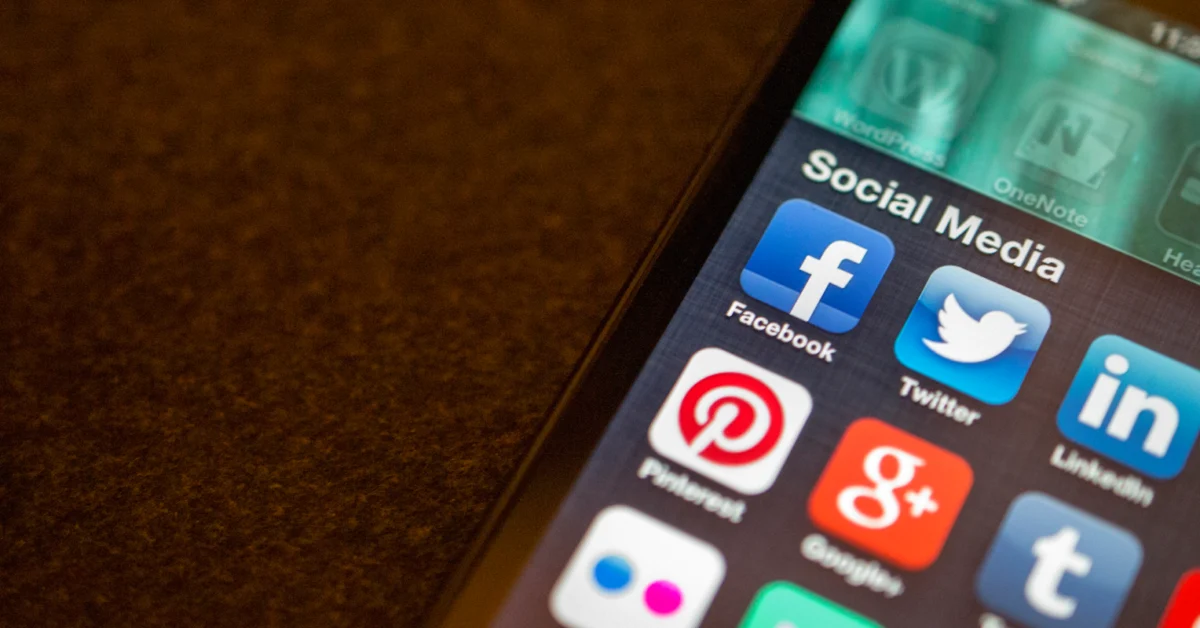
In the modern era, social media has evolved from a niche digital novelty into the central nervous system of human interaction. It dictates how we maintain relationships, how we consume news, and, increasingly, how we perceive ourselves. For billions of users, the smartphone has become a portal to an endless stream of curated reality—a hypnotic feed of snapshots, viral videos, and snippets of culture that provide a sense of connection while simultaneously triggering deep-seated anxieties.
As the influence of these platforms expands, so does the intensity of the debate surrounding their impact on our psychological well-being. Is social media a transformative tool for global connection, or is it an engine of social alienation? The reality is not a binary choice, but a complex, multifaceted paradox that requires a more nuanced approach to digital hygiene.
Main Facts: The Double-Edged Sword of Connectivity
At its core, social media is a tool designed to maximize engagement. It thrives on the human desire for social validation and information. However, the mechanism that keeps us engaged—the "infinite scroll"—has profound implications for our cognitive health.
The primary fact remains: social media is neither inherently "good" nor "evil." It is a neutral medium that mirrors the complexities of human behavior. On one hand, it lowers the barrier to entry for communication, allowing for instantaneous exchange across global borders. On the other, it creates an environment where comparison is constant, and the boundaries between authentic self-expression and performance are increasingly blurred.
Current research highlights that the impact of social media is highly individualistic. Factors such as age, underlying mental health, and the nature of digital engagement determine whether a user finds a platform to be a lifeline or a source of distress.
A Chronology of the Digital Shift
To understand the current crisis of digital mental health, one must look at the evolution of these platforms:
- 2004–2010: The Era of Connection. The rise of Facebook and early social networking focused on connecting friends and family. During this period, the primary sentiment toward social media was overwhelmingly positive, viewed as a way to "shrink the world."
- 2010–2015: The Rise of the Image. With the launch and rapid adoption of Instagram and the proliferation of smartphone cameras, the focus shifted from text-based interaction to visual comparison. This era saw the birth of the "Influencer" culture.
- 2016–2020: The Algorithmic Reckoning. As platforms refined their recommendation engines, the "echo chamber" effect became a primary concern. The focus shifted from connecting with friends to being served content that confirmed existing biases, contributing to increased social polarization.
- 2020–Present: The Pandemic Catalyst. COVID-19 acted as a global stress test for digital social interaction. While platforms provided a vital outlet during lockdowns, they also amplified the loneliness and digital fatigue that had been simmering for years.
Supporting Data: What the Research Tells Us
The quantitative evidence regarding social media’s impact is significant. A landmark survey conducted by the Royal Society for Public Health (RSPH) offered a stark look at the mental health consequences for young users. The survey found that nearly 70% of teens reported receiving essential support from peers during challenging times via social media. This demonstrates that for a vast majority of young people, these platforms serve as a crucial psychological safety net.
Conversely, the data on the risks is equally compelling. Internal reports from platforms like Facebook have previously indicated that a significant percentage of teen girls (roughly 32%) felt that Instagram specifically exacerbated existing body image issues.
Furthermore, the National Academies of Sciences, Engineering, and Medicine highlights the potential for positive social engineering. In Scotland, the "See Me" campaign utilized social media to combat mental health stigma. Two years after the initiative began, there was an 11% reduction in the public’s fear of those with mental health conditions and a 17% drop in the perception that individuals with mental illness are inherently dangerous. This proves that when used as a megaphone for education rather than just a mirror for vanity, social media can change societal behavior for the better.
Official Responses and Industry Accountability
In recent years, the tech giants have faced unprecedented scrutiny from legislators and mental health advocacy groups. The central criticism leveled against these companies is the "algorithmic design"—the conscious choice to prioritize high-arousal content (fear, anger, or extreme vanity) because it keeps users on the platform longer.
Lawmakers have repeatedly questioned the ethics of platforms that know their products contribute to anxiety, depression, and body dysmorphia in minors. In response, many companies have begun to roll out "well-being" tools, such as time-limit reminders, the ability to hide "like" counts, and enhanced moderation for cyberbullying. However, critics argue these are superficial fixes to systemic problems that require a fundamental shift in the underlying business model of the attention economy.
The Implications: Why Comparison is the Thief of Joy
The psychological cost of social media is deeply rooted in the concept of "curated reality." When we log on, we are not looking at the lives of our peers; we are looking at their highlight reels.
Theodore Roosevelt’s famous warning that "comparison is the thief of joy" has never been more relevant. Because users often compare their internal, behind-the-scenes struggles with the polished, filtered, and carefully staged outputs of others, they develop a distorted perception of normality. This leads to the "Fear of Missing Out" (FOMO), which functions as a form of social anxiety.
Moreover, the prevalence of cyberbullying remains a critical threat. The RSPH survey found that 70% of respondents encountered bullying, and 37% faced it frequently. For an adolescent, whose brain is still developing its social and emotional regulation centers, the sustained, digital nature of this harassment can lead to long-term psychological damage, including symptoms of PTSD and chronic depression.
Striking a Balance: A Path Toward Digital Wellness
Does the evidence suggest we should delete our accounts? Not necessarily. The solution lies in a shift toward conscious consumption.
1. Curate Your Environment
Treat your social media feed like your physical living space. If an account, a brand, or a specific type of content makes you feel inadequate or anxious, unfollow or mute it. You are the architect of your digital environment.
2. Practice Active Engagement
Passive consumption—endlessly scrolling without interacting—is the primary driver of the "social media blues." Shift toward active engagement: comment, send messages, and connect with people in a way that facilitates real conversation rather than just passive observation.
3. Establish Digital Boundaries
The brain needs downtime. Implementing "tech-free zones" in your home, such as the bedroom or the dinner table, can help reset your nervous system and reduce the compulsion to check for notifications.
4. Recognize the Algorithm
Understand that your feed is not an accurate reflection of the world; it is a mirror of your previous clicks. If you find yourself in a negative feedback loop, force the algorithm to change by seeking out and engaging with diverse, uplifting, or educational content.
Conclusion
Social media is a modern paradox. It is a bridge that can also become a barrier. It offers us the tools to build communities that transcend geography while simultaneously risking the erosion of our self-esteem and focus.
Ultimately, we must reclaim our agency. We have the power to decide how these platforms serve us, rather than allowing ourselves to serve the platforms. By moving from a state of mindless consumption to one of mindful navigation, we can retain the benefits of global connectivity while safeguarding our mental peace. In an age of digital noise, the most revolutionary act is to be intentional with our attention.