






Introduction: Investing in the Architects of Tomorrow’s Cures
The landscape of oncology has undergone a seismic shift over the past several decades, moving away from blunt-force treatments toward precision interventions that harness the body’s own biological defenses. At the heart of this revolution is cancer immunotherapy—a field that, while once considered a fringe hypothesis, now stands as a pillar of modern medical practice. However, the future of this field depends entirely on the cultivation of intellectual talent today.
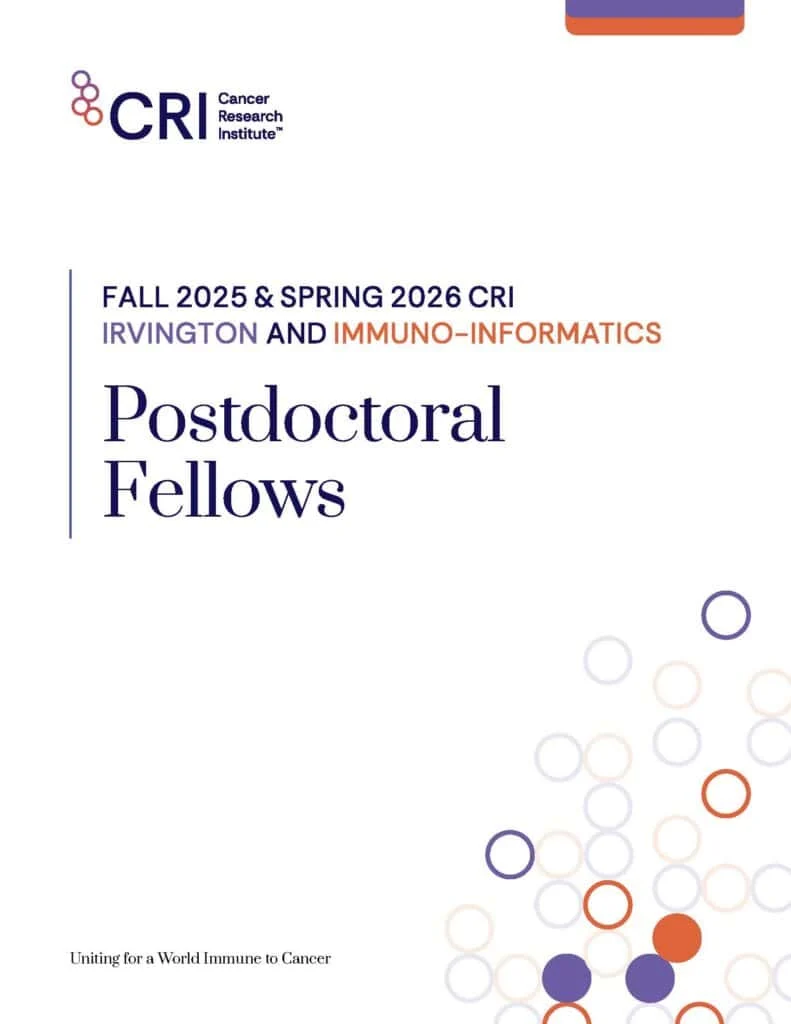
The Cancer Research Institute (CRI) has long understood that the most profound breakthroughs do not emerge from stagnant systems, but from the unbridled curiosity of early-career scientists. By providing critical funding and mentorship to the brightest minds in the postdoctoral phase, CRI is not merely supporting research; it is building the infrastructure of future medicine. As the institute welcomes its Fall 2025 and Spring 2026 classes of CRI Irvington and Immuno-Informatics Postdoctoral Fellows, it reinforces a legacy of innovation that traces back to the very dawn of modern immunology.
The Genesis of a Vision: From Lloyd J. Old to the Present
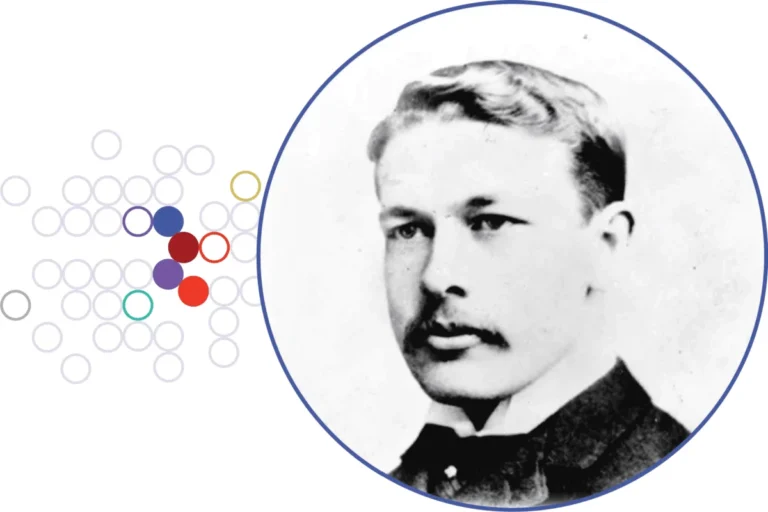
To understand the significance of today’s fellowships, one must look back to 1971. It was during this era that Dr. Lloyd J. Old, the founding scientific and medical director of CRI, articulated a vision that was ahead of its time. Dr. Old, often hailed as the "father of modern tumor immunology," believed that if scientists could map the complex dialogue between the immune system and cancer cells, they could teach the body to eradicate tumors from within.
Recognizing that this nascent field required a steady pipeline of specialized talent, Dr. Old established the CRI postdoctoral fellowship program. At a time when mainstream oncology was heavily focused on surgery, radiation, and traditional chemotherapy, Dr. Old’s program served as a sanctuary for "high-risk, high-reward" research. By fostering an environment where young investigators could explore the complexities of the immune system, he laid the foundational stones for what would eventually become the Nobel Prize-winning breakthroughs of the 21st century.
This vision has remained the North Star for the institute for over half a century. Today, that legacy is embodied in the CRI Irvington Postdoctoral Fellowship, a prestigious program that has supported over 1,600 scientists across 176 institutions, spanning 30 U.S. states and 15 countries.
Supporting Data: A Half-Century of Sustained Impact
The scale of CRI’s commitment is best illustrated through its financial and institutional reach. Over the course of its history, the institute has funneled nearly $200 million into the research careers of early-stage scientists. This investment is not just a grant; it is a seal of approval that attracts further funding, institutional support, and global recognition.
Addressing the Research Funding Gap
In recent years, the scientific community has faced significant volatility. Disruptions in federal research support, combined with the increasing complexity of clinical trials, have created a precarious environment for postdocs—the very individuals who perform the vast majority of "at-the-bench" discovery work. Recognizing this, CRI stepped up its commitment in 2025.
Facing an unprecedented surge in demand for support, the institute announced an additional $2.5 million in funding, ensuring that 10 more postdoctoral fellowships could be supported this year than originally planned. This infusion of capital serves as a vital bridge, keeping promising projects afloat during critical transitions in the academic and research calendar.
The Digital Frontier: Immuno-Informatics
The evolution of medicine is inextricably linked to the evolution of data. In 2022, CRI acknowledged this shift by launching the CRI Immuno-Informatics Postdoctoral Fellowship. This program was designed to bridge the gap between traditional biology and the computational sciences. By training researchers to leverage bioinformatics, computational biology, and artificial intelligence, CRI is ensuring that the next generation of immunotherapists can process the massive datasets generated by single-cell sequencing and clinical trial monitoring.
The Fall 2025 and Spring 2026 Cohorts: Frontiers of Science
The researchers selected for the Fall 2025 and Spring 2026 classes represent a diverse array of disciplines. Their research is not confined to a single methodology; instead, it spans the multi-disciplinary frontiers of:
- Tumor Immunology: Investigating the mechanisms by which tumors evade detection and how to bypass these defenses.
- Cellular Engineering: Developing next-generation CAR-T cell therapies and other synthetic biology approaches to make "living drugs" more effective.
- Computational Biology: Applying machine learning algorithms to identify new biomarkers that predict patient response to immunotherapy.
These fellows were chosen not only for their technical prowess but for their "bold thinking." In an age where academia often rewards incremental progress, CRI prioritizes those who ask the "what-if" questions that have the potential to rewrite clinical standards.
Official Perspectives: The Value of Mentorship
Leaders at the Cancer Research Institute emphasize that these fellowships are about more than just money. They are about building a community of "CRI Fellows" who collaborate across borders and disciplines.
"When you invest in a postdoctoral fellow, you are investing in a 30-year career trajectory," says a spokesperson for the institute. "We look for the individuals who have the potential to become the next generation of department chairs, industry research leads, and clinical innovators. By giving them the resources they need to take risks early on, we ensure that they don’t lose their spark to the administrative or financial pressures that so often stifle early-career researchers."
The institute’s philosophy is rooted in the belief that true scientific progress is a collaborative endeavor. By connecting these fellows to the broader network of CRI-supported investigators, the organization ensures that knowledge is shared, protocols are refined, and the entire field moves forward in concert.
Implications: Building a World Immune to Cancer
The implications of this sustained support are profound. Cancer immunotherapy is currently at a turning point; while we have achieved success in treating certain blood cancers, the "cold" tumors—solid cancers that do not respond well to current immune checkpoints—remain a significant challenge.
Accelerating the Transition to Clinical Care
The work being done by the current class of fellows is designed to move rapidly from the laboratory bench to the bedside. By fostering a deep understanding of the tumor microenvironment, these researchers are creating the blueprints for the next wave of combination therapies. The integration of artificial intelligence, supported by the Immuno-Informatics fellowship, means that these treatments will be more personalized, more efficient, and ultimately, more successful.
Securing the Future of the Scientific Workforce
Furthermore, by providing consistent funding, CRI is preventing a "brain drain." Many highly skilled scientists leave academia when funding becomes scarce, moving into roles that do not leverage their specialized training in cancer research. By keeping these individuals within the immunology ecosystem, CRI is safeguarding the intellectual capital required to tackle the most complex biological puzzles of our time.
Conclusion: A Call to Continued Vigilance
As the Fall 2025 and Spring 2026 fellows begin their tenure, the scientific community is reminded that the war on cancer is not a sprint; it is a relay race. Each generation of researchers passes the baton to the next, building upon the discoveries of their predecessors.
The Cancer Research Institute’s commitment to these postdocs is a testament to the belief that the solutions to the world’s most devastating diseases are already within our reach—provided we have the courage to invest in the people who will find them. We invite the global community to follow the progress of these extraordinary scientists. Their work is more than a collection of papers and data points; it is the foundation of a future where cancer is no longer a terminal diagnosis, but a manageable condition, and eventually, a disease of the past.
By supporting these researchers, we are not just funding science; we are building a world immune to cancer.
How You Can Help
The progress described in this article is made possible through the support of donors who believe in the power of research. To learn more about the research being conducted by the Fall 2025 and Spring 2026 cohorts, or to support the next generation of innovators, visit the Cancer Research Institute website. Together, we can continue the legacy of Dr. Lloyd J. Old and ensure that the brightest minds have the support they need to change the world.