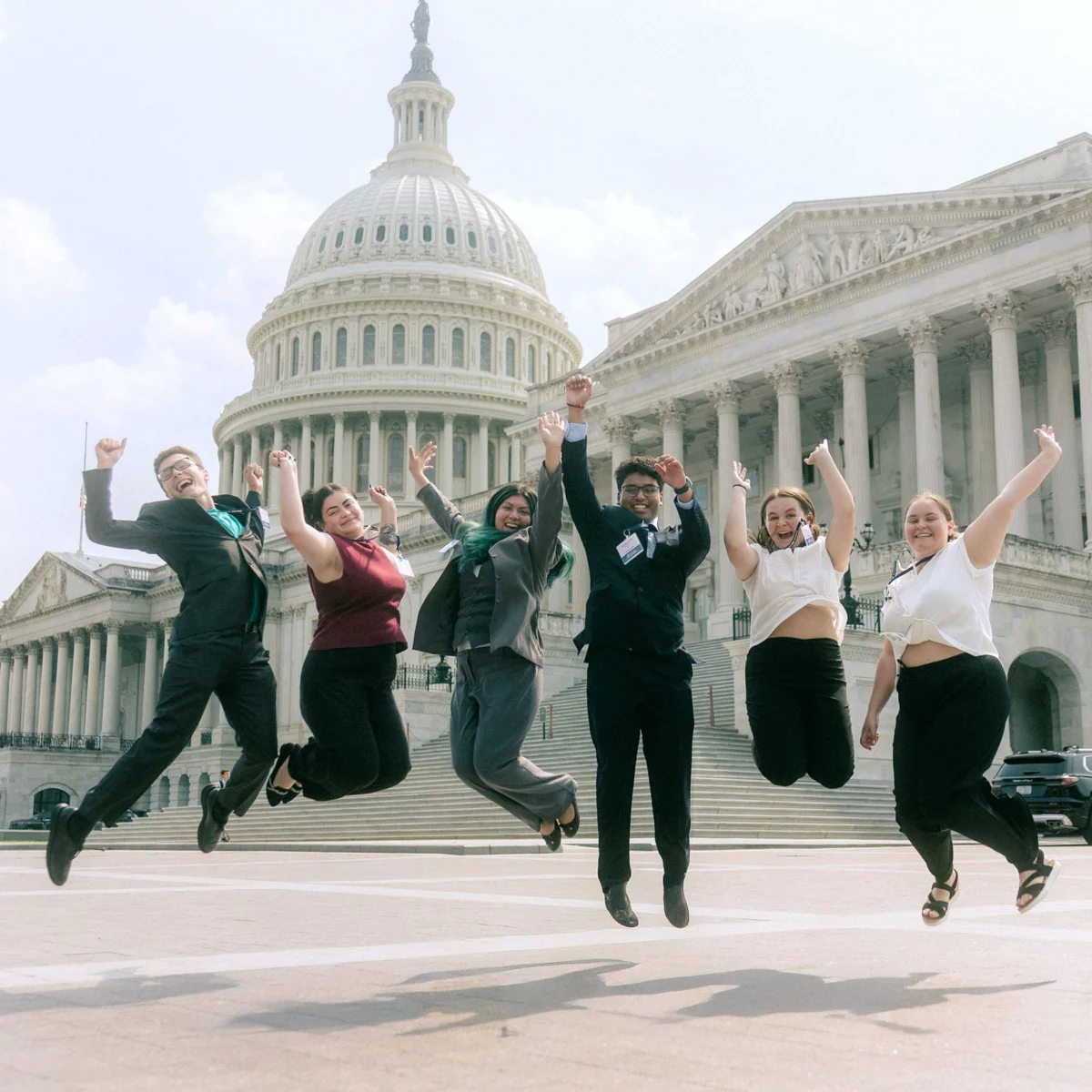
WASHINGTON, D.C. — In a powerful demonstration of civic engagement and personal advocacy, hundreds of young leaders from across the United States descended upon the nation’s capital on July 16, 2026. This landmark event, the inaugural Active Minds Hill Day + Mental Health Conference, represented a pivotal shift in the national conversation surrounding mental health, moving it from the therapist’s office directly into the halls of legislative power.
Organized by Active Minds, the country’s premier nonprofit dedicated to mobilizing youth and young adults to transform mental health culture, the day served as both a protest against the status quo and a professional lobbying effort. By the end of the day, these young advocates had completed 132 individual meetings with congressional offices, marking one of the largest youth-led mental health advocacy mobilizations in American history.
Main Facts: A Historic Mobilization for Youth Well-being
The primary objective of the Active Minds Hill Day was to urge Congress to strengthen mental health support systems through concrete federal policy changes. The advocates, many of whom have lived experience with mental health challenges, focused their efforts on two primary legislative pillars:
- Visibility of the 988 Suicide & Crisis Lifeline: Advocates called for federal mandates or incentives to include the 988 lifeline number on all student identification cards, from middle school through higher education.
- Expansion of the Garrett Lee Smith Campus Suicide Prevention Grant Program: This program, a cornerstone of federal suicide prevention efforts, was identified as a critical tool that requires increased funding and a focus on student-led outreach and early intervention.
Active Minds, which has been operating for over 23 years, has traditionally focused on campus-based peer support and awareness. The 2026 Hill Day signifies an evolution of the organization’s mission, transitioning from cultural awareness to direct policy intervention.
Chronology of Advocacy: From Congressional Offices to the Conference Floor
The events of mid-July were structured to maximize both legislative impact and the professional development of the participants. The day was divided into two distinct but complementary phases: the "Hill Day" lobbying effort and the subsequent "Mental Health Conference."
The Morning: Direct Legislative Engagement
The day began with intensive briefing sessions where youth advocates—ranging from high school students to young professionals—were trained in the nuances of federal policy and the art of the "personal ask." Following these sessions, the advocates fanned out across the House and Senate office buildings.

The 132 meetings were not merely symbolic. Advocates presented data-driven arguments alongside their personal narratives, ensuring that staffers and lawmakers understood the human cost of policy gaps. This timing was particularly poignant, as it coincided with the anniversary of the launch of the 988 Suicide & Crisis Lifeline, providing a natural benchmark for discussing the progress and remaining challenges of the emergency system.
The Afternoon and Evening: The Active Minds Mental Health Conference
As the legislative meetings concluded, the focus shifted to the Mental Health Conference. This gathering served as a debriefing and an educational forum, featuring some of the most prominent voices in the contemporary mental health movement.
Speakers included Sadie Sutton, the influential host of the She Persisted podcast, and Hailey Hardcastle, a renowned TED speaker and advocate known for her work on mental health days for students. These leaders provided insights into how to maintain advocacy momentum beyond a single day in Washington. The evening concluded with a high-energy performance by Be Steadwell, a musician and storyteller, designed to celebrate the community built throughout the day and re-energize the youth leaders for the work ahead in their home states.
Supporting Data: The Rising Tide of the Youth Mental Health Crisis
The urgency of the Hill Day is underscored by sobering statistics regarding the state of youth mental health in the United States. For more than a decade, rates of depression, anxiety, and suicidal ideation among young adults have been on the rise, a trend exacerbated by the social isolation of the early 2020s and the pervasive pressures of digital life.
The 988 Lifeline as a Critical Intervention
Since its inception, the 988 Suicide & Crisis Lifeline has seen a massive influx of calls, texts, and chats. However, awareness remains a hurdle. Active Minds’ push to place this number on student IDs is supported by research suggesting that immediate, low-barrier access to crisis resources can significantly reduce the risk of self-harm. By making the number as ubiquitous as a school logo, advocates argue that the stigma of seeking help is diminished.
The Impact of the Garrett Lee Smith (GLS) Act
The Garrett Lee Smith Memorial Act, first signed into law in 2004, was named in honor of the son of former Senator Gordon Smith, who died by suicide. The program provides grants for states, tribes, and campuses to implement suicide prevention strategies. Active Minds advocates highlighted that while the GLS program has been successful, it is often underfunded relative to the scale of the crisis. They specifically argued for more of these funds to be directed toward "peer-to-peer" models, which have been shown to be more effective for youth who may be hesitant to approach traditional authority figures.
Official Responses: Leadership on the Power of Lived Experience
The leadership of Active Minds emphasized that the success of the day was rooted in the authenticity of the advocates.
Alison Malmon, Founder and Executive Director of Active Minds, reflected on the 23-year journey of the organization. "Watching hundreds of young people walk the halls of Congress today reaffirmed what we’ve known for more than two decades: when youth lead, change follows," Malmon stated. She further emphasized that the goal was to remind lawmakers that "mental health isn’t a political issue—it’s a human one."
Anika Rahman, Director of Policy at Active Minds, highlighted the strategic importance of the 132 meetings. "Today’s conversations reinforced my belief that young people should be the narrators of their own stories," Rahman said. "Their lived experiences, backed by real data and youth-driven solutions, are the most powerful force for shaping the future of mental health policy. That is the power of mobilizing."
The response from Capitol Hill staffers was reportedly receptive, with several offices expressing interest in co-sponsoring legislation related to the 988 visibility mandate.
Implications: A New Era of Youth-Led Policy and the "A.S.K." Framework
The long-term implications of the Active Minds Hill Day extend far beyond the specific legislative asks. The event established a blueprint for how youth organizations can move from "awareness" to "action."
The A.S.K. Platform: A Tool for Everyday Advocacy
As part of the broader conference, Active Minds promoted the A.S.K. (Acknowledge, Support, and Keep-in-Touch) framework. This digital platform is designed to empower students to have genuine conversations with their peers.

- Acknowledge: Recognizing the signs that a friend might be struggling.
- Support: Providing non-judgmental listening and guidance to resources.
- Keep-in-Touch: Following up to ensure the individual feels a continued sense of connection.
This framework bridges the gap between federal policy and daily interpersonal interaction, reinforcing the idea that while laws provide the infrastructure, community provides the safety net.
Cultural Transformation and "You Good?"
The movement is also pushing for a cultural shift encapsulated in the "You Good?" campaign. This initiative encourages simple, genuine check-ins, especially during Suicide Prevention Month in September. The advocacy on the Hill was the legislative manifestation of this culture of care—an attempt to ensure that when a student asks a friend "You good?" and the answer is "No," there is a robust, federally-supported system ready to catch them.
Looking Ahead: The Future of Mental Health Advocacy
The inaugural Hill Day is expected to become an annual fixture in the Active Minds calendar. By establishing a recurring presence in Washington, the organization ensures that youth mental health remains a top-tier priority for the federal government.
The message from the July 16th mobilization was clear: the generation most affected by the mental health crisis is no longer willing to wait for adults to solve it. They are bringing their own solutions to the table, backed by the authority of their own lived experiences. As the conference concluded and advocates returned to their respective communities across the country, they carried with them not just memories of a day in D.C., but the tools and the network to continue transforming the mental health landscape of America from the ground up.
With the momentum generated from 132 congressional meetings and the energy of hundreds of young leaders, the 2026 Active Minds Hill Day may well be remembered as the moment the "mental health generation" took its seat at the table of national governance.