In a landmark study that bridges the fields of nutrition and oncology, researchers from Trinity College Dublin and University College Dublin (UCD) have uncovered a potential breakthrough in how we approach immune system dysfunction. Their findings, published in the prestigious journal Cell Reports, suggest that a simple, commercially available yeast-based dietary supplement can "retrain" the body’s immune cells to mount a more robust defense against cancer.
For individuals living with obesity, the implications are particularly profound. The study demonstrates that this dietary intervention not only bolsters the immune response in healthy subjects but can also reverse the long-term, persistent immune damage caused by obesity—damage that often remains even after significant weight loss.
The Intersection of Obesity, Immunity, and Oncology
To understand the magnitude of this discovery, one must first recognize the complex relationship between body mass and immune health. Obesity is not merely a metabolic concern; it is a systemic inflammatory state that profoundly disrupts the immune system. When the body carries excess adipose tissue, immune cells—particularly those in the bone marrow—can become dysregulated. This dysfunction leaves the body less capable of identifying and destroying malignant cells, effectively lowering the threshold for cancer development and hindering the body’s ability to respond to immunotherapy.
Perhaps most alarmingly, research has shown that these immune defects often possess a "memory." Even when an individual successfully loses weight through diet or surgery, the immune system frequently retains the scars of its obese past, continuing to function at a sub-optimal level. This "immune hangover" has long been a significant hurdle for clinicians trying to improve health outcomes in post-obese populations.
Chronology of the Investigation
The research project, led by Professor Frederick Sheedy of Trinity’s School of Biochemistry and Immunology and Professor Helen Roche, Director of the UCD Conway Institute, was designed to test whether the innate immune system could be "trained" to be more vigilant.
Phase 1: Hypothesis and Design
The research team, led by first author Dr. Anna Ledwith, hypothesized that yeast beta-glucan—a fiber found in the cell walls of yeast—could act as an immune modulator. Unlike previous studies that relied on invasive injections to elicit immune responses, the team sought to determine if a simple oral dietary supplement could achieve the same, or superior, results.
Phase 2: Experimental Framework
The researchers conducted a series of controlled experiments using laboratory mice. The cohorts were divided into groups receiving either a standard diet or a high-fat diet designed to induce obesity. For a period of 4 to 12 weeks, both groups were administered yeast beta-glucan.
Phase 3: The Challenge
Once the dietary intervention was established, the mice were subjected to immune "challenges." The researchers introduced cancer cells associated with colorectal, skin, and breast cancers. The goal was to observe whether the mice receiving the supplement could mount a more effective anti-tumor response compared to the control group.
Phase 4: Persistence and Reversal
In a critical final stage, the team analyzed whether the protective effects of the yeast supplement persisted even after the obese mice were placed on a weight-loss regimen. This was the litmus test for the "trained immunity" theory: could the supplement permanently rewrite the behavior of bone marrow stem cells?
Supporting Data: The Science of "Trained Immunity"
The data yielded by the study suggests that the answer is a resounding yes. The researchers observed that the yeast beta-glucan interacted directly with hematopoietic stem cells—the "parent" cells in the bone marrow that give rise to all immune cells.
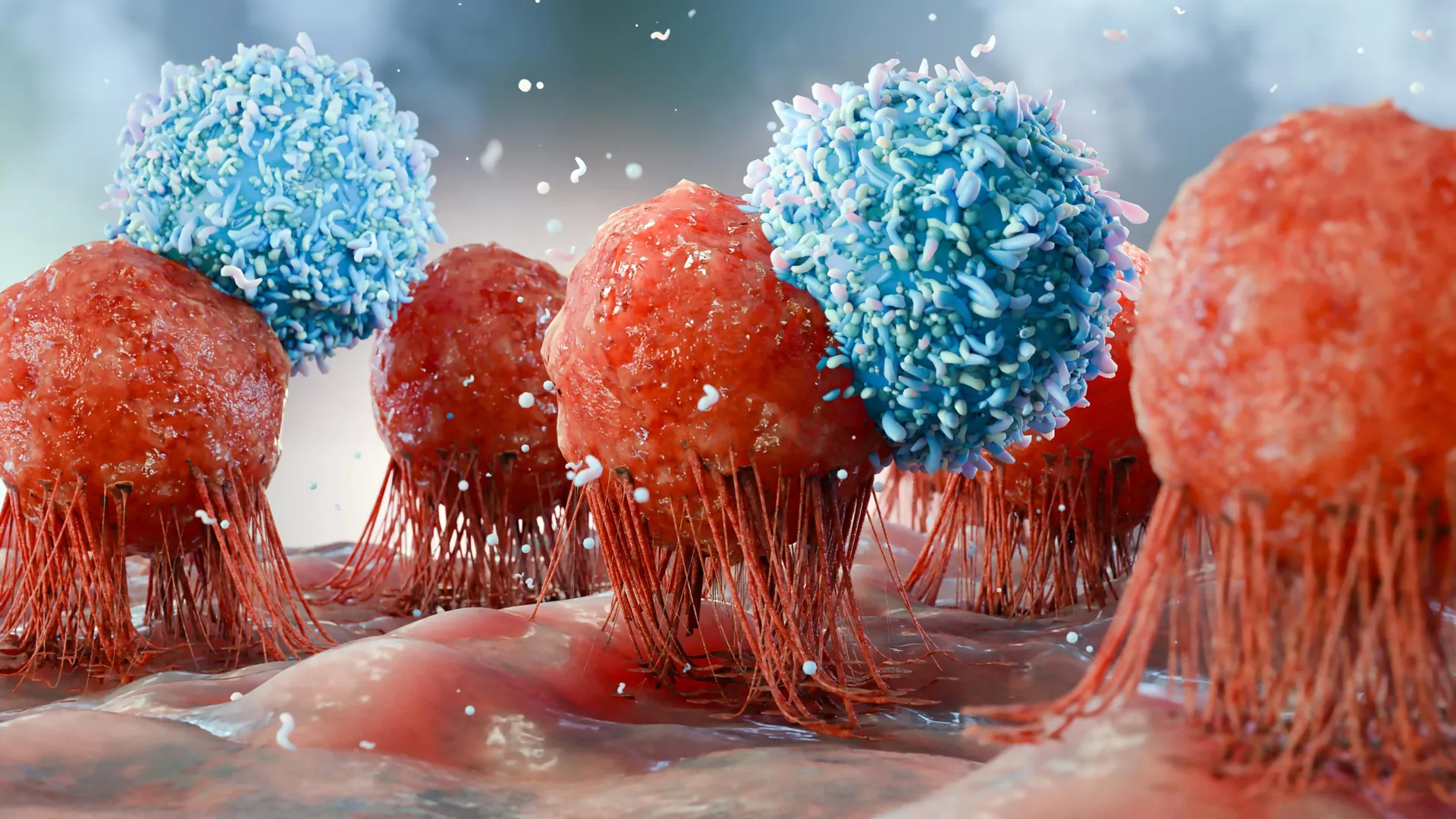
By consuming the supplement, these stem cells underwent a form of metabolic reprogramming. This reprogramming ensured that the white blood cells produced by the bone marrow were "primed" for battle. When these primed cells entered the bloodstream, they were significantly more efficient at detecting and infiltrating tumors.
Key findings included:
- Enhanced Anti-Tumor Response: Mice on the supplemented diet showed a marked reduction in tumor progression across all three tested cancer types (colorectal, breast, and skin).
- Reversal of Immune Memory Defects: In mice that had lost weight, the "obesity-induced immune damage" typically observed was mitigated by the prior administration of yeast beta-glucan.
- Non-Invasive Efficacy: This study marks the first time that dietary delivery—rather than clinical injection—has been proven sufficient to induce this level of systemic immune reprogramming.
Official Responses and Expert Commentary
The research team emphasizes that while these findings are derived from mouse models, the mechanisms discovered are highly conserved, meaning they are likely to function similarly in human biology.
Dr. Anna Ledwith, the study’s first author, noted the strategic importance of the approach: "We wanted to investigate whether a common dietary supplement could reprogram early-stage immune cells in the bone marrow to produce long-lasting, enhanced anti-tumor immune responses. The results suggest that the bone marrow is not just a factory for immune cells, but a site that can be ‘trained’ via the gut-bone marrow axis."
Professor Helen Roche highlighted the clinical significance of the findings, particularly regarding the persistence of immune dysfunction. "Crucially, this dietary intervention restores anti-tumor innate immunity in obese mice and reverses long-term immune memory defects that persist even after weight loss," she said. "This is a major unmet clinical challenge. We are essentially providing a roadmap to heal the immune system from the inside out."
Professor Frederick Sheedy, who oversaw the immunological aspects of the study, underscored the practical path forward: "The yeast beta-glucan used in our research, specifically Wellmune™ from the Kerry Group, is already food-grade and commercially available. This provides a massive advantage for the translation of our work into human clinical trials."
Implications for Future Oncology and Public Health
The potential implications of this study are vast, spanning from preventative care to the enhancement of existing cancer therapies.
A Complement to Modern Medicine
The researchers do not suggest that yeast beta-glucan is a "cure-all" or a replacement for standard cancer treatments. Instead, they envision it as a powerful, low-cost, and safe adjunct therapy. By improving the baseline functionality of the patient’s innate immune system, this supplement could potentially increase the efficacy of chemotherapy and immunotherapy, both of which rely heavily on the body’s own immune responses to be effective.
Addressing Immunocompromised Populations
Beyond oncology, the concept of "trained immunity" holds promise for a wide range of patients. Individuals suffering from chronic infections, those with autoimmune conditions, or the elderly—all of whom often suffer from weakened immune function—could potentially benefit from a dietary approach to immune strengthening.
The Path to Clinical Trials
Because the supplement is already established as safe and commercially available, the regulatory path to human clinical trials is significantly shorter than that of a novel synthetic drug. The team is already looking toward designing studies for human populations living with obesity and chronic infections.
Conclusion: A New Paradigm in Preventive Nutrition
The research conducted at Trinity and UCD serves as a compelling reminder that the food we consume does more than provide calories; it acts as a signaling molecule that instructs our cells on how to behave. By leveraging the body’s innate ability to learn and adapt, these researchers have identified a way to counteract the metabolic and immunological consequences of modern lifestyle challenges.
As the scientific community shifts its focus toward precision nutrition and integrative oncology, the use of beta-glucans may well become a standard recommendation for those looking to optimize their immune defense. While future human trials will be the final arbiter of this treatment’s success, the ability to "retrain" the immune system through a simple, safe, and accessible dietary intervention represents a significant leap forward in our fight against cancer and the enduring effects of obesity.