







By Editorial Staff
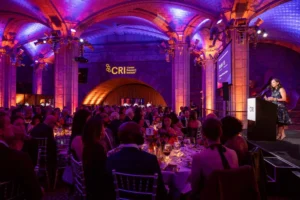
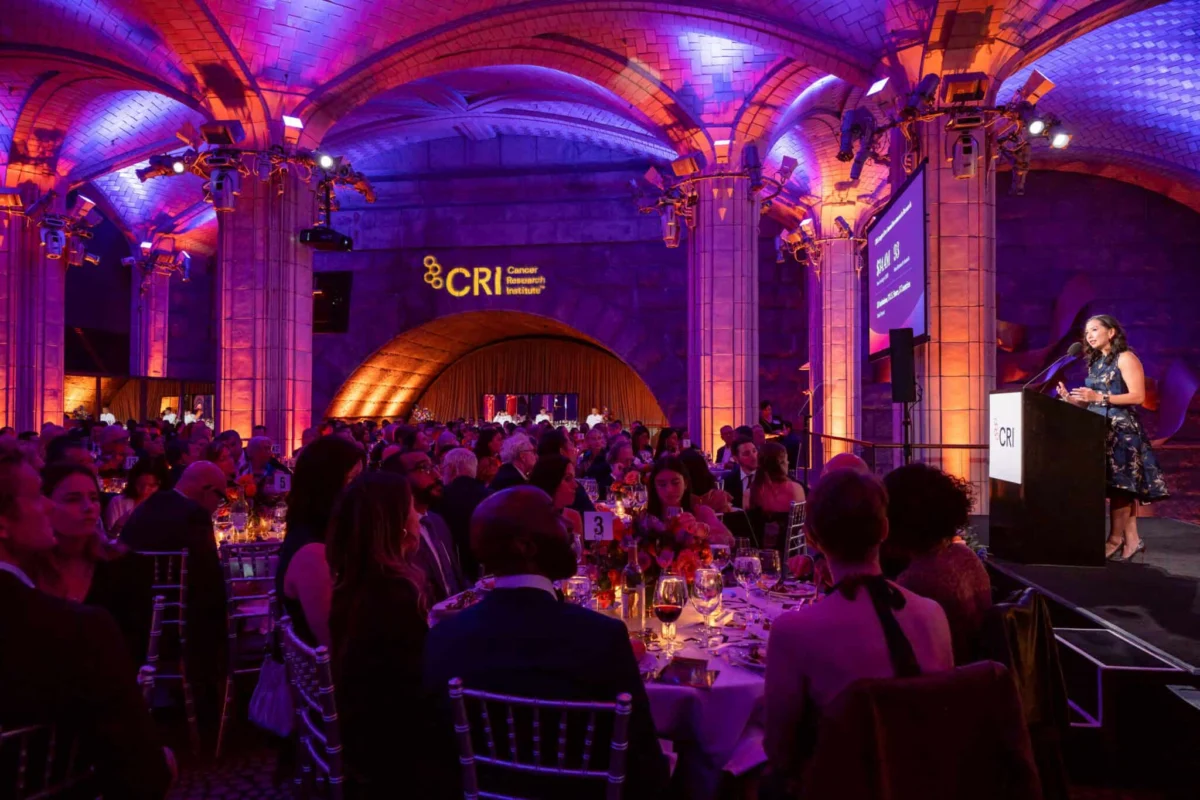
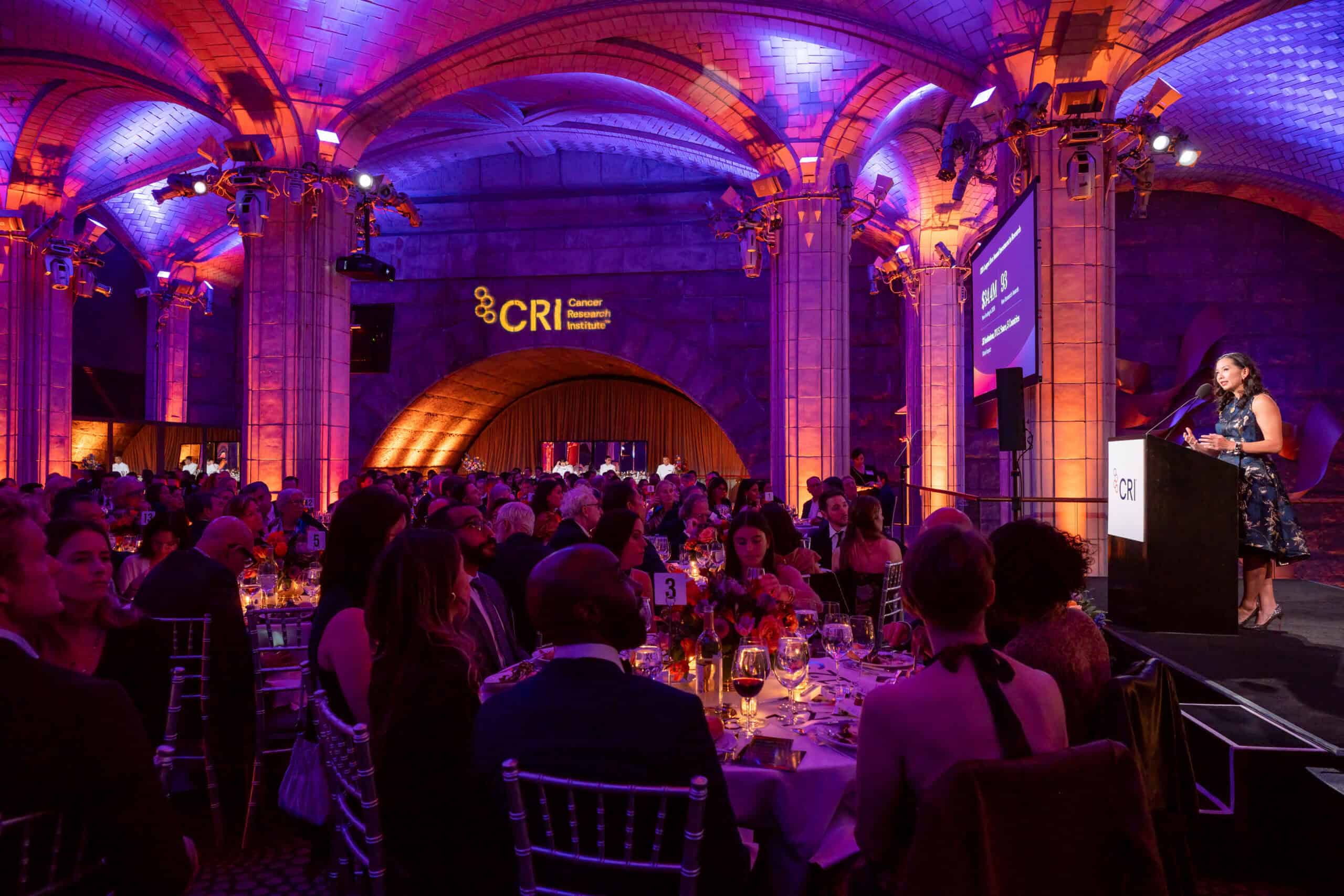
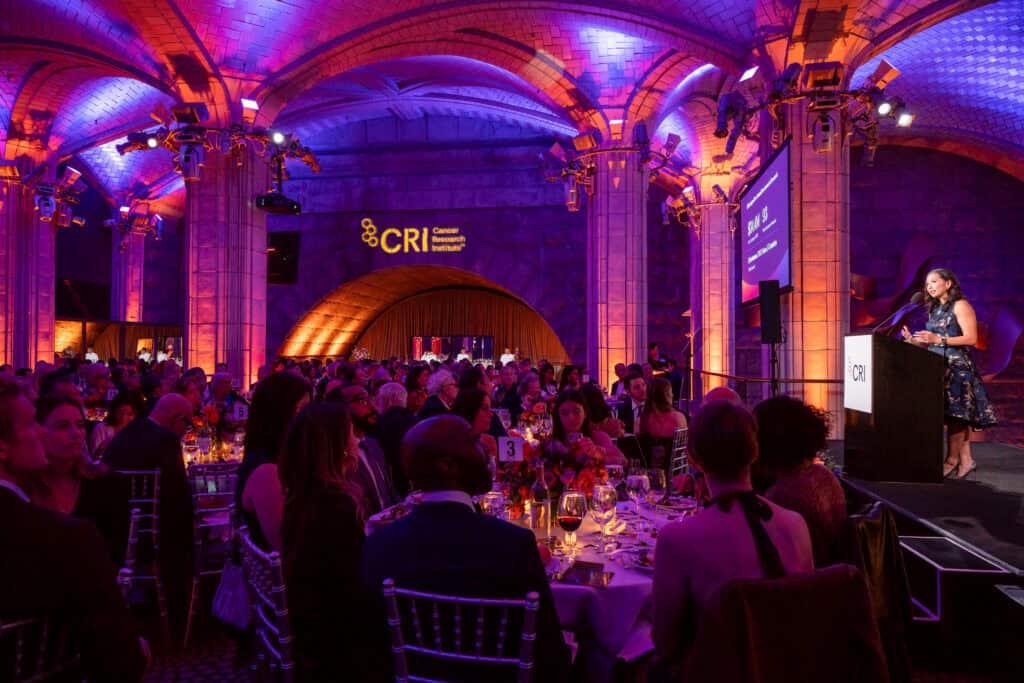
The trajectory of a life-saving cancer treatment rarely begins in a hospital room; it begins in the quiet, rigorous confines of a laboratory, fueled by a scientific question and the financial freedom to pursue an uncertain answer. This vital link between discovery and clinical reality served as the focal point of the Cancer Research Institute’s (CRI) 2026 Annual Awards Gala. Held on Tuesday, October 20, at the historic Guastavino’s in New York City, the evening operated under the theme "Next is Now," a rallying cry for the next generation of immunotherapy breakthroughs.
The event, which raised over $1.6 million, brought together a global coalition of pioneering researchers, patient advocates, and visionary philanthropists, all united by a singular goal: to transform cancer from a terminal diagnosis into a manageable, and eventually curable, condition.
Main Facts: A Night of Recognition and Vision
The gala served as a high-profile platform to honor leaders who are fundamentally changing the landscape of oncology. Hosted by veteran journalist and breast cancer survivor Athena Jones, the evening was a testament to the power of human resilience and scientific ingenuity.
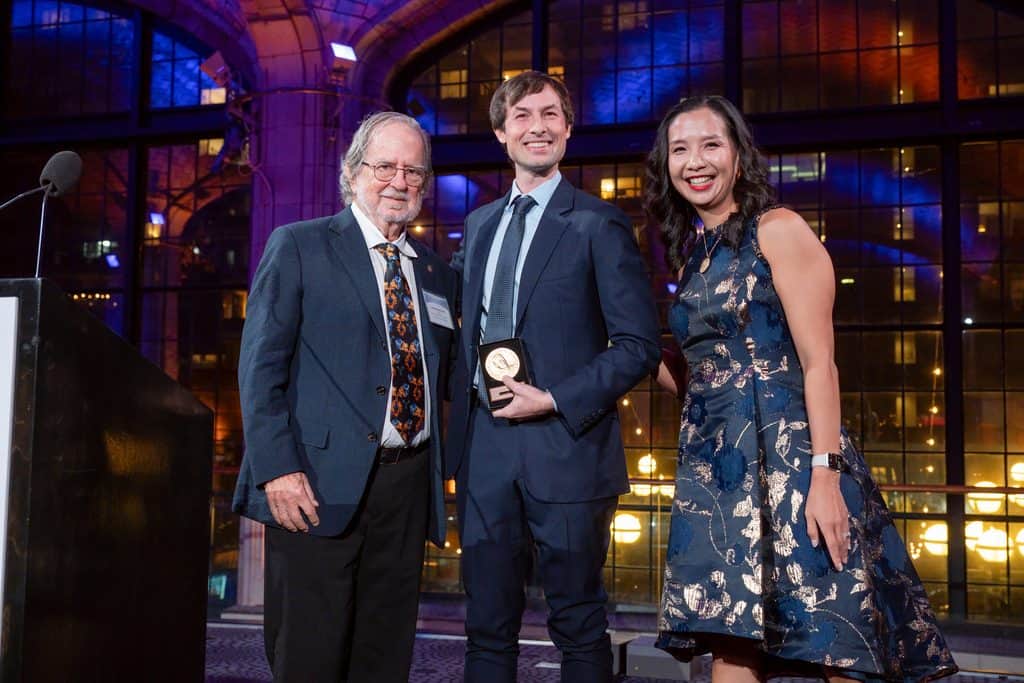
The CRI bestowed its most prestigious honors upon:
- Reed Jobs: Recipient of the Oliver R. Grace Award for Distinguished Service in Advancing Cancer Research.
- Eric Vivier, DVM, PhD: Recipient of the William B. Coley Award for Distinguished Research in Basic Immunology.
- Joseph Sun, PhD: Recipient of the Frederick W. Alt Award for New Discoveries in Immunology.
CRI CEO Alicia Zhou, PhD, opened the ceremonies with a sobering yet optimistic assessment of the field. "The challenge now is to turn promising results into treatments that work reliably for more people," Dr. Zhou stated. "No single laboratory, institution, or discipline can do that alone. An increasingly important part of CRI’s role is to bring scientists together to tackle the questions they can’t answer in isolation."
Chronology of the Evening: From Remembrance to Innovation
The program was carefully curated to balance the solemnity of loss with the electric energy of scientific discovery.
A Tribute to Adam Shapiro
The gala opened with a moving tribute to the late Adam Shapiro, a former CRI board member. His wife offered a poignant reflection on his life, painting a picture of a man defined by humor, devotion to his family, and a fierce commitment to the cause of immunotherapy.
She recounted how immunotherapy granted her husband years of "full and productive life" following his metastatic cancer diagnosis—years that allowed him to see his sons, Arthur and Eli, grow. She credited these years not to luck, but to the cumulative effect of decades of funding, testing, and clinical experimentation. Her message to the attendees was clear: the time afforded to her family was a direct result of the support provided by organizations like the CRI. "There is so much cause for hope, but cancer still kills far too many, far too soon," she remarked, inviting the room to treat her husband’s legacy as a mandate for continued investment.

The "Moonshot" Success
Following the memorial, the tone shifted toward the tangible outcomes of this research. Molly Hones, a cancer survivor, took the stage to share her harrowing yet triumphant journey. Facing a rare liver cancer that had metastasized to her lungs, Hones had reached the stage of palliative preparation when she was accepted into a clinical trial at Johns Hopkins. The trial involved an experimental cancer vaccine combined with checkpoint immunotherapy.
Despite the tragic, unexpected loss of her husband, Grant, during the second week of her treatment, Hones persisted. Her story provided the emotional anchor of the evening: within months, her tumors had vanished. As of September 2026, she has been in complete remission for two years. "When I joined the trial, I thought I was doing it for the person who would come after me," Hones told the silent, captivated audience. "Now I understand that people before me had already done that for me."
Supporting Data: The Convergence of Tech and Biology
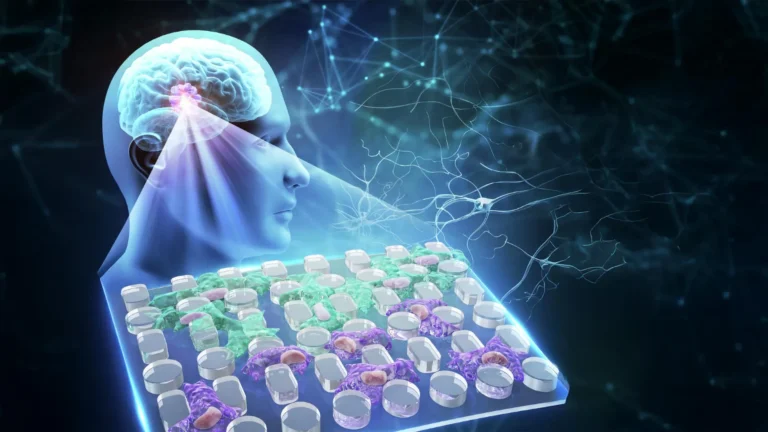
The "Next is Now" theme is not merely aspirational; it is rooted in a fundamental shift in how we approach disease. We are currently witnessing a convergence of high-throughput data, artificial intelligence, and deep biological understanding.
Modern researchers are no longer limited to linear investigations. Today, AI models are being used to predict how immune cells interact with tumor microenvironments, allowing scientists to identify potential therapeutic targets at unprecedented speeds. The CRI’s mandate for the coming year is to provide the "sustained support" necessary to bridge the gap between these computational insights and the bedside.
According to data presented at the gala, the investment required to move a drug from a "basic discovery" phase to a "clinical trial" phase remains the most significant bottleneck in oncology. The CRI’s model focuses on this exact "valley of death," providing seed funding for high-risk, high-reward research that traditional venture capital might deem too early or too speculative.
Official Responses: Profiles in Leadership
Reed Jobs and the New Philanthropy
Reed Jobs, founder of the oncology-focused venture firm Yosemite, received the Oliver R. Grace Award for his unique approach to cancer funding. His philosophy is one of "active philanthropy"—a model that marries the speed of venture investment with the mission-driven nature of charitable giving.
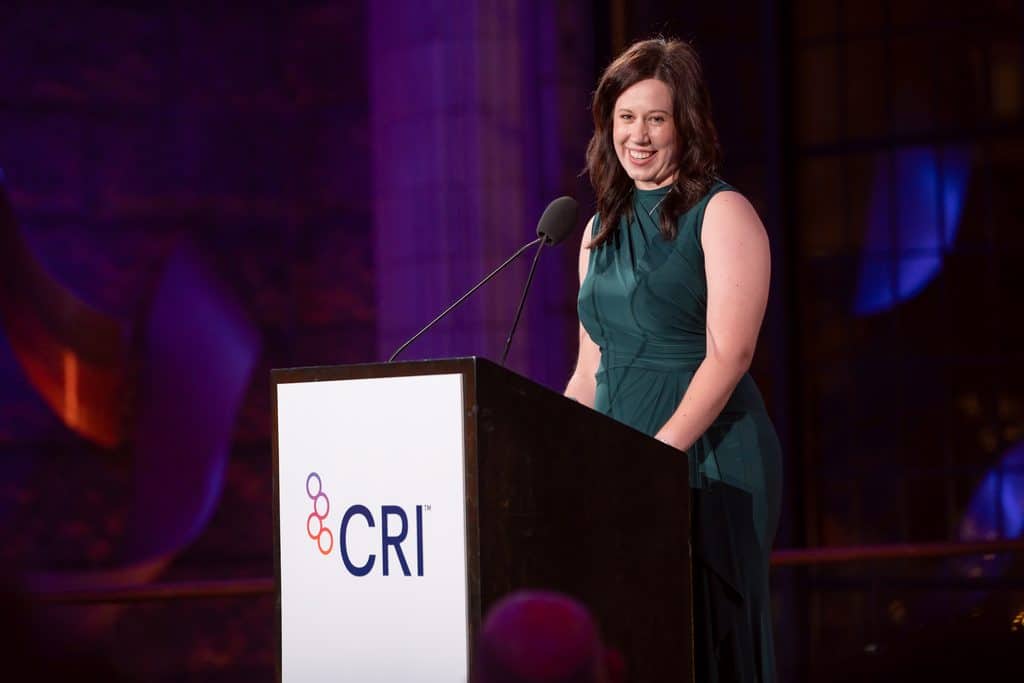
"At the core of it, my company has a simple supposition: the cures to cancer have not yet been made, and we need to go out and make them," Jobs said during his acceptance speech. He emphasized that the most impactful work often happens when researchers are encouraged to pursue "ambitious" ideas that do not fit into conventional academic funding silos. His work serves as a bridge, ensuring that promising laboratory discoveries reach the patient in years, not decades.
Dr. Eric Vivier: The Power of Fundamental Science
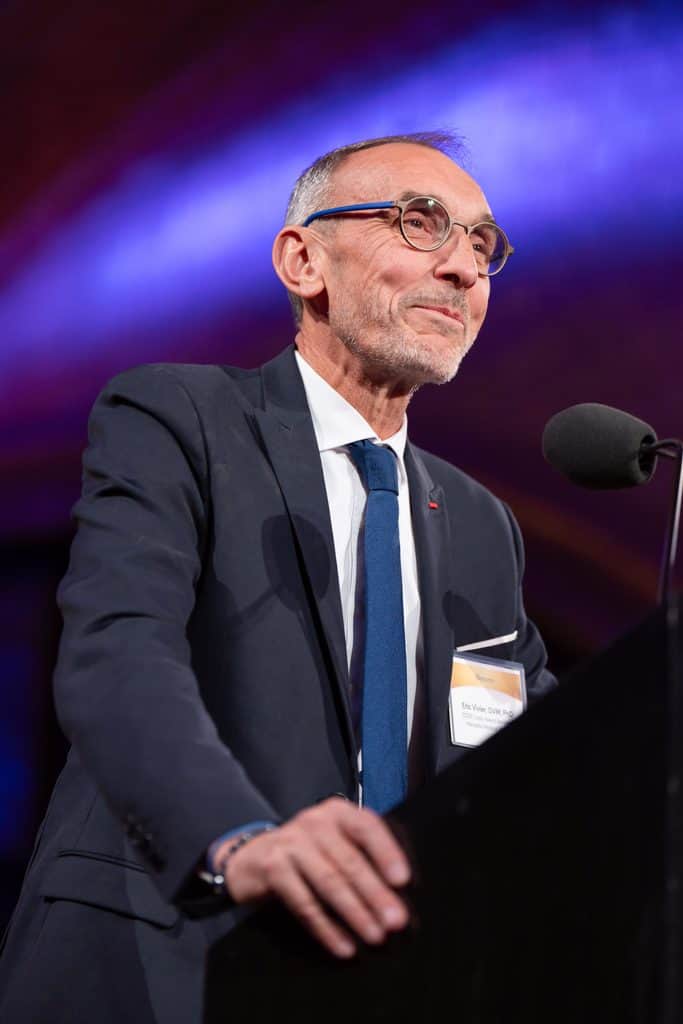
Dr. Eric Vivier’s recognition for his work on natural killer (NK) cells highlighted the necessity of basic research. As a professor at Marseille Medical School and a co-founder of Innate Pharma, Dr. Vivier has spent his career decoding the innate immune system.
"Basic research is not the nurture; it is a source of innovation and progress," Dr. Vivier stated. "Every therapy that treats a patient today began as a fundamental question." His work on how NK cells recognize and destroy cancer cells has provided the foundation for a new class of therapies that are currently moving through clinical pipelines, proving that long-term investment in basic biology is the only way to ensure the long-term pipeline of cures.
Dr. Joseph Sun: Redefining Immune Memory
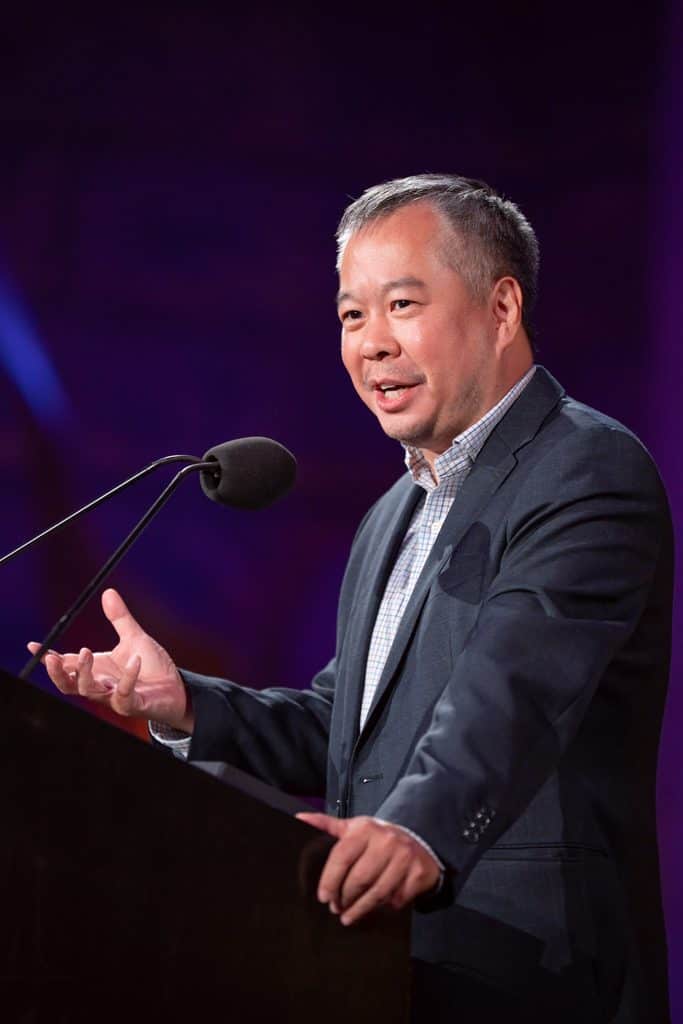
The Frederick W. Alt Award went to Dr. Joseph Sun, whose research at Memorial Sloan Kettering Cancer Center challenged a dogma of immunology: that only "adaptive" immune cells could form memory. Dr. Sun’s discovery that NK cells also retain memory of past threats has opened entirely new therapeutic avenues.
Reflecting on his journey, Dr. Sun credited his mentor, Lewis Lanier, PhD, for giving him the "freedom to explore new and perhaps even heretical ideas." His career path—from a CRI postdoctoral fellow to a groundbreaking researcher—is a perfect case study for why the CRI prioritizes early-career scientists. By investing in the "next generation" of thinkers today, the institute ensures the longevity of the field.
Implications: The Road Ahead
The 2026 CRI Annual Awards Gala was more than a fundraising event; it was a strategic summit for the future of medicine. The implications of the night are far-reaching:
- Shift in Focus: The focus is moving from "one-size-fits-all" treatments to highly personalized, immune-based therapies that leverage the body’s own defense mechanisms.
- Collaborative Ecosystems: The gala reinforced the idea that the "siloed" era of research is over. The future lies in multi-institutional collaborations where data, samples, and insights are shared to accelerate progress.
- The Philanthropic Mandate: There is a growing realization that public and private funding must work in tandem. As Molly Hones’ story illustrated, the "moonshot" is only possible if society provides the capital for the research years before the patient even knows they are sick.
As the evening concluded, the sense of urgency was palpable. The $1.6 million raised will be immediately funneled into the CRI’s ongoing research grants and clinical trials. But as the speakers noted, the real currency of the evening was hope—and the realization that, with the right support, the "next" era of medicine is not a distant goal. It is happening now.
"I got my moonshot," Molly Hones concluded. "Let’s make sure the next person gets theirs too."