For the first time since 2018, the American College of Cardiology (ACC) and the American Heart Association (AHA) have fundamentally reshaped the clinical landscape for cardiovascular disease (CVD) prevention. Released on March 28 at the ACC’s 75th Annual Scientific Session in New Orleans and published simultaneously in the Journal of the American College of Cardiology and Circulation, the updated clinical guidance represents a seismic shift toward earlier, more aggressive, and highly personalized management of blood cholesterol and lipid profiles.
These guidelines do not merely update dosages; they redefine the "when" and "how" of heart health, emphasizing that the trajectory of a patient’s cardiovascular life is often determined decades before the first symptom of disease appears.
The Main Facts: A Paradigm Shift in Prevention
The core message of the 2026 guidance is clear: waiting for middle age to assess cardiovascular risk is a strategy of the past. The updated protocols place a significantly heavier emphasis on "lifetime risk" rather than short-term probability.
Central to these recommendations is the optimization of low-density lipoprotein (LDL) cholesterol, frequently referred to as "bad cholesterol," and the management of other lipids, such as lipoprotein(a) or Lp(a). The guidelines mandate that physicians move away from a "one-size-fits-all" approach to statin therapy and instead adopt a sophisticated, data-driven framework that incorporates genetic predispositions, inflammatory markers, and systemic health conditions that were previously overlooked in standard risk assessments.
A Chronology of Clinical Evolution
The journey to these 2026 guidelines has been marked by a decade of rapid innovation in lipid-lowering therapies and a deeper understanding of the genetic architecture of heart disease.
- 2018: The previous iteration of the ACC/AHA cholesterol guidelines was published, establishing the foundational role of statins and risk-stratification models for adults over 40.
- 2020–2025: A period characterized by the emergence of powerful non-statin therapies—including PCSK9 inhibitors and bempedoic acid—and the development of the PREVENT risk calculator, which leveraged massive datasets to improve upon the limitations of the older Pooled Cohort Equations.
- March 2026: The official unveiling at the ACC’s 75th Annual Scientific Session. The guidelines were released in tandem with the American Journal of Preventive Cardiology paper, "The ABCs of Cardiovascular Disease Prevention: Communicating What We Know in 2026," signaling a unified effort to modernize patient-clinician communication.
Supporting Data: Why the Update Was Essential
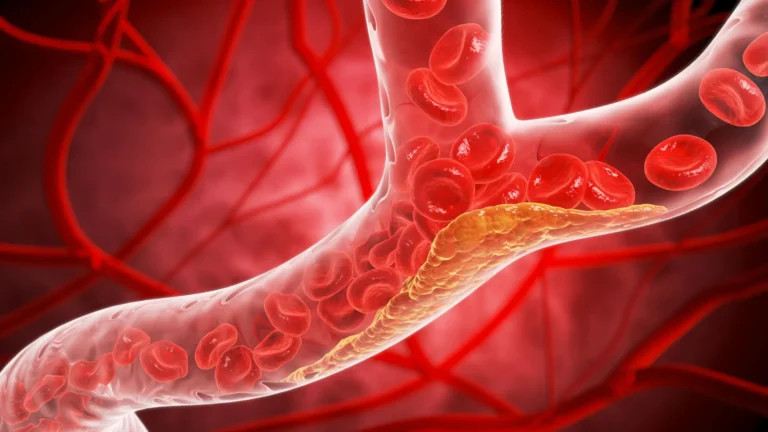
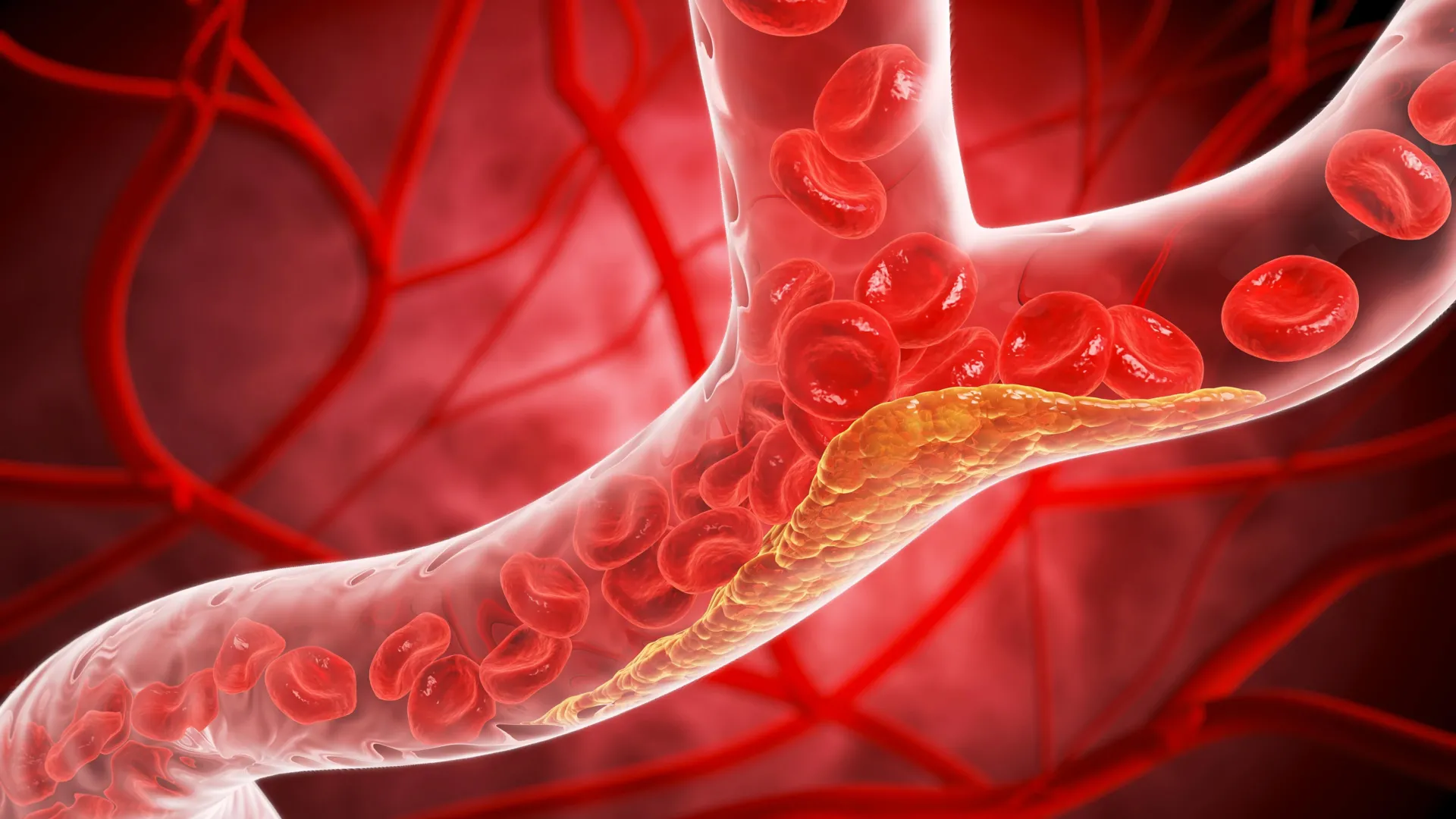
The necessity for these revisions is underscored by grim public health statistics. In the United States, approximately one in four adults currently grapples with elevated LDL-C. This prevalence drives the progression of atherosclerosis—the silent, cumulative narrowing of the arteries that serves as the precursor to myocardial infarction (heart attack), stroke, and congestive heart failure.
The 2026 guidelines are supported by a vast, new body of evidence. The new PREVENT (Predicting Risk of Cardiovascular Disease EVENTs) calculator, for instance, is informed by data from 6.6 million individuals, a staggering increase over the 26,000-person cohort used in the 2018 model. By incorporating blood sugar, kidney function, and long-term risk variables, the tool allows clinicians to predict outcomes for patients as young as 30, shifting the focus from reaction to proaction.
Furthermore, the clinical significance of Lp(a) is now codified. Data indicates that elevated levels of this inherited lipid can increase cardiovascular risk by 40% at 125 nmol/L and double it at 250 nmol/L, necessitating a one-time screening for many patients to identify those at high genetic risk.
Official Responses: The Clinical Perspective
The writing committee, led by Dr. Roger S. Blumenthal, director of the Johns Hopkins Ciccarone Center for the Prevention of Cardiovascular Disease, emphasized that while the guidelines are complex, the goal is simple: to improve the "vascular age" of the American population.
"We know that lower LDL cholesterol levels are better when it comes to reducing the risk of heart attacks, strokes, and congestive heart failure," Dr. Blumenthal stated during the presentation in New Orleans. "We also know that bringing elevated lipids and blood pressure down in young adults supports optimal heart and vascular health throughout a person’s life."
Dr. Seth Martin, a cardiologist and member of the writing committee, echoed this sentiment, highlighting the shift in philosophy. "Shifting the paradigm toward proactive prevention strategies earlier in life can meaningfully change the trajectory of cardiovascular disease and lead to better health outcomes for people decades later," he noted.
Implications for Practice: A Personalized Approach
The 2026 guidelines introduce several transformative changes for daily clinical practice:
1. Expanded Screening Criteria
Physicians are now encouraged to look beyond age and basic cholesterol panels. A patient’s history—including rheumatoid arthritis, early menopause, or pregnancy complications such as preeclampsia and gestational diabetes—now functions as a key "risk enhancer." For patients with familial hypercholesterolemia, the guidelines now recommend screening as early as age 9.
2. The Role of Advanced Diagnostics
When standard risk calculators yield ambiguous results, clinicians are empowered to utilize "risk enhancers." These include high-sensitivity C-reactive protein (hsCRP) testing to measure systemic inflammation, coronary artery calcium (CAC) scans to visualize plaque progression, and genetic screening for Lp(a).
3. Lowering the Thresholds
The targets for LDL-C have become more stringent:
- Low-risk individuals: Aim for < 100 mg/dL.
- Intermediate-risk individuals: Aim for < 70 mg/dL.
- High-risk individuals: Aim for < 55 mg/dL.
These targets reflect a growing consensus that for cardiovascular health, "lower is better." The guidelines also formally integrate non-statin therapies, ensuring that patients who are statin-intolerant or require additional lipid reduction have a clear roadmap to accessing PCSK9 inhibitors, ezetimibe, and bempedoic acid.
Lifestyle: The Foundation of Health
Despite the introduction of high-tech calculators and cutting-edge injectables, the guidelines reaffirm that medicine is not a substitute for lifestyle. Experts estimate that 80% to 90% of cardiovascular disease is linked to modifiable factors. The "ABCs" of heart health remain the cornerstone of the new guidance:
- Avoiding tobacco and nicotine products.
- Balanced nutrition (heart-healthy dietary patterns).
- Consistent physical activity.
- Sleep health and weight management.
Looking Ahead: The Future of Aggressive Intervention
The release of these guidelines is not an end, but a beginning. In an accompanying editorial, authors point to the findings of the VESALIUS-CV clinical trial, which suggest that even more aggressive lipid-lowering targets—potentially pushing below 55 mg/dL for those with moderate atherosclerosis—may be the next frontier.
As medical technology continues to advance, the ACC and AHA have established a living document that anticipates these changes. By fostering collaboration across diverse medical specialties, the 2026 guidelines ensure that the management of dyslipidemia is no longer a niche concern for cardiologists, but a standardized, integrated effort to extend the healthy human lifespan.
For patients and clinicians alike, the message is clear: cardiovascular disease is not an inevitable consequence of aging. With the right data, early intervention, and a commitment to both lifestyle and targeted therapy, the trajectory of heart health is within our collective control.