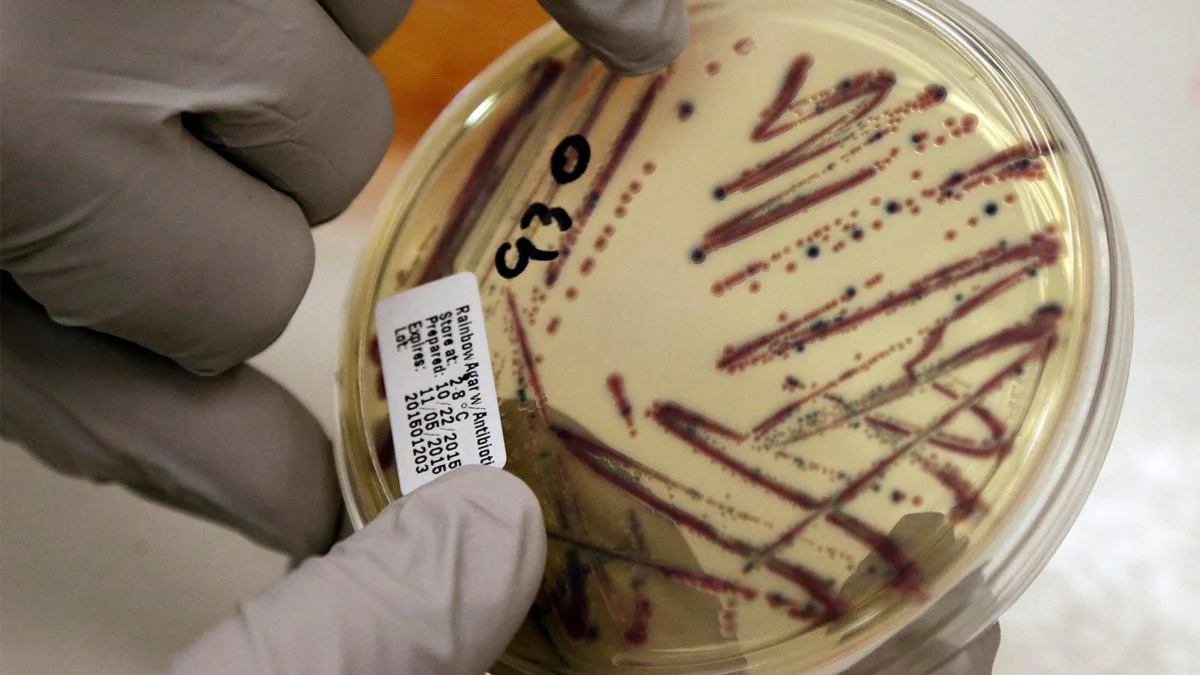
August 21, 2026 — A complex and concerning foodborne illness outbreak is currently unfolding across the United States, with public health officials scrambling to contain a cluster of infections tied to contaminated alfalfa sprouts. In a rare and alarming development, the outbreak is characterized by the presence of both Salmonella and multiple strains of E. coli, complicating both clinical treatment and epidemiological investigation.
As of late August 2026, the Centers for Disease Control and Prevention (CDC) has confirmed 55 cases across 15 states. While foodborne outbreaks typically revolve around a single pathogen, this incident presents a multi-pathogen threat that has already resulted in at least four hospitalizations, raising concerns about food safety oversight and the resilience of the fresh produce supply chain.
Main Facts: The Scope of the Contamination
The outbreak, which has primarily affected the Midwest and expanded into several coastal and southern states, has been traced back to products distributed by "Everything Sprouts," a Minnesota-based grower. The sprouts were sold under the brand names "Calco" and "Everything Sprouts" and were widely distributed to grocery stores and restaurants.
State and federal investigators have documented the following key details:
- Case Count: 55 confirmed cases nationally.
- Geographic Spread: The outbreak spans 15 states: Minnesota, Wisconsin, Florida, Indiana, Iowa, Kansas, Michigan, New Hampshire, New York, Pennsylvania, North Carolina, South Carolina, North Dakota, South Dakota, and Washington.
- Pathogens Involved: The outbreak involves Salmonella and Shiga toxin-producing E. coli (STEC).
- Source: Epidemiological evidence and traceback investigations have identified alfalfa sprouts produced by Everything Sprouts as the primary vehicle for transmission.
- Severity: Among the 34 individuals interviewed by public health officials, 26 (over 76%) explicitly reported consuming alfalfa sprouts shortly before the onset of their illness.
Chronology of the Outbreak and Regulatory History
The timeline of this crisis is punctuated by a history of regulatory warnings that suggest long-standing sanitary issues at the production facility.
The Warning Signs (2025)
In March 2025, the U.S. Food and Drug Administration (FDA) issued a formal warning letter to Everything Sprouts, LLC. Following a series of inspections conducted the previous year, federal regulators highlighted significant structural and operational deficiencies. Among the most egregious findings were reports of a leaking roof that allowed water to drip directly onto bean sprouts and employees’ protective clothing. Such conditions provide a textbook environment for the growth of pathogens like Salmonella and E. coli.
The Current Surge (August 2026)
Earlier this week, state officials in Minnesota and Wisconsin alerted the public to a cluster of illnesses. Initially localized to the upper Midwest, the outbreak quickly expanded as supply chain tracking identified the distribution patterns of the implicated sprouts. By Friday, the CDC had formalized the national count to 55, confirming that the illnesses are not isolated to a single region but represent a widespread distribution event.
Despite the mounting evidence and the severity of the illnesses reported, Everything Sprouts has not yet issued a voluntary recall of its products. This lack of immediate action has drawn criticism from consumer safety advocates who argue that the company’s history of non-compliance necessitates a more aggressive regulatory stance.
Supporting Data: Understanding the Pathogens
The biological complexity of this outbreak requires a nuanced understanding of the pathogens involved.
Shiga Toxin-Producing E. coli (STEC)
STEC is a highly dangerous class of E. coli bacteria. Unlike milder forms of the bacteria, STEC produces toxins that can cause severe abdominal cramping, watery or bloody diarrhea, and vomiting. In severe cases, particularly among children and the elderly, STEC infections can progress to Hemolytic Uremic Syndrome (HUS), a type of kidney failure that can be fatal.
Salmonella
Salmonella remains one of the most common causes of foodborne illness in the U.S. Infection, known as salmonellosis, typically manifests within six hours to six days after exposure. Symptoms include fever, severe diarrhea, and dehydration. While most people recover without specific treatment, the risk of systemic infection—where the bacteria moves from the intestines to the bloodstream—remains a critical concern for hospitalized patients.
The synergy of these two pathogens in a single food source suggests a significant breakdown in the facility’s sanitation protocols, potentially involving contaminated irrigation water, improper seed handling, or cross-contamination during the harvesting and packaging process.
Official Responses and Public Health Guidance
The FDA and the CDC are working in tandem with state departments of health to identify the root cause of the contamination and prevent further illnesses.
The Regulatory Stance
The FDA has emphasized that the investigation is ongoing. While the agency has the authority to mandate recalls, it often relies on voluntary cooperation from the grower. However, given the 2025 warning letter and the current outbreak, the agency is under intense pressure to ensure that all potentially contaminated products are removed from grocery store shelves and restaurant pantries immediately.
Clinical Advice
Public health officials are urging the public to:
- Check Labels: Consumers who have purchased alfalfa sprouts should check their packaging for the "Calco" or "Everything Sprouts" brands. If found, these products should be discarded immediately, regardless of the expiration date.
- Monitor Symptoms: Individuals who have consumed sprouts and are experiencing bloody diarrhea, high fever, or signs of severe dehydration should seek medical attention.
- Sanitize: Surfaces, utensils, and refrigerators that may have come into contact with the sprouts should be cleaned and sanitized to prevent cross-contamination.
Implications: The High Risk of Sprout Consumption
Sprouts have long been identified by the FDA as a "high-risk" food category. Because they are grown in warm, humid conditions—the exact environment preferred by bacteria—and are typically eaten raw, there is no "kill step" (such as cooking) to eliminate potential pathogens.
The Challenge of Oversight
This outbreak highlights the persistent difficulty in regulating small-to-medium-scale sprout growers. Unlike large industrial produce operations, these facilities often lack the resources for advanced decontamination technologies, such as chemical seed treatment or high-pressure processing.
Legal and Economic Fallout
The failure of Everything Sprouts to address the concerns raised in the 2025 warning letter could result in severe legal consequences. If it is determined that the company was negligent in its food safety management systems, they could face massive civil litigation, federal fines, and potential criminal investigations. Furthermore, the incident serves as a wake-up call for the entire produce industry regarding the importance of the Food Safety Modernization Act (FSMA) and the necessity of proactive rather than reactive safety measures.
Future Outlook
As investigators continue to interview patients and conduct environmental swabs at the Minnesota facility, the public is reminded of the inherent risks associated with raw sprouts. The current outbreak is a stark reminder that even a small facility can have a massive impact on public health when food safety protocols are disregarded.
The Associated Press and other news outlets continue to seek comment from the management of Everything Sprouts. As of this writing, no official statement or apology has been issued by the company. The FDA continues to update its outbreak investigation page, and consumers are encouraged to monitor these official sources for the latest information on potential product recalls or safety notices.
In the coming weeks, we can expect a comprehensive report from the CDC that will detail the environmental sampling results and potentially confirm the exact mode of contamination. Until then, the message from health officials remains clear: when in doubt, throw it out. The health risks posed by STEC and Salmonella are significant, and in the case of sprout-borne illness, the safest path is total avoidance of the suspected product line.