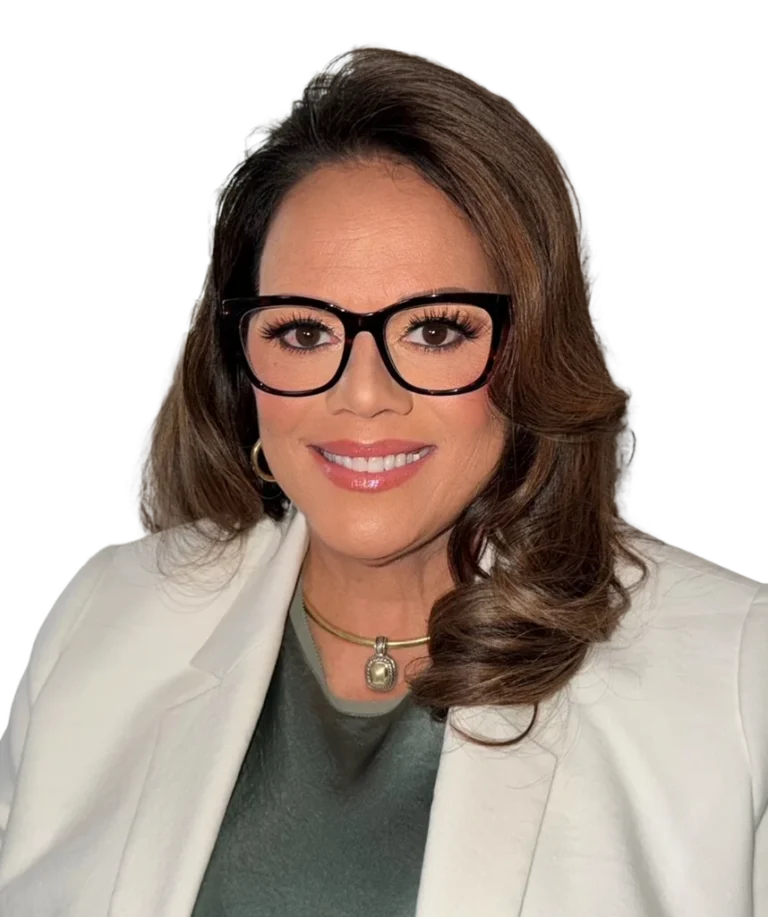












In the complex landscape of modern caregiving, where the focus is often pinned on medical necessity, logistical hurdles, and the daily grind of “aging in place,” one vital element frequently falls by the wayside: the simple, profound act of experiencing joy. As we enter the summer of 2026, the Caregiving Club On Air podcast has dedicated its June episode (Season 6, Episode 71) to addressing this deficit. Host Sherri Snelling sits down with Joni Magnus-Ramsey of Comfort Keepers to unpack the findings of the 2026 National Day of Joy survey, a comprehensive study that shines a light on the emotional lives of millions of older adults and the family members who support them.
The Mandate for Joy: The 8th Annual National Day of Joy
On June 24, over 100 Comfort Keepers offices across the United States will participate in the 8th Annual National Day of Joy. This initiative is more than a commemorative date on the calendar; it is a strategic effort to pivot the narrative of aging.
In her interview, Joni Magnus-Ramsey emphasizes that the initiative was born from a desire to counteract the isolation often felt by seniors. By curating events that foster connection, laughter, and engagement, Comfort Keepers aims to lift the human spirit—a component of care that is just as critical as medication management or physical therapy. The survey, which polled over 2,000 family caregivers and older adults, serves as a foundational roadmap for understanding what currently brings happiness to our aging population and where the gaps in that experience lie.
The Reality of “Aging in Place”: A Statistical Overview
The concept of “aging in place”—the ability to live in one’s own home safely and independently as one ages—is the overwhelming preference of the American public. According to AARP data, between 79% and 89% of older Americans desire to remain in their homes for as long as possible. However, the disconnect between this aspiration and reality is stark.

The Numbers Behind the Need
The logistical challenges of aging at home are underscored by recent research from the Pew Research Center, the Mather Institute, and the U.S. Census Bureau:
- The Accessibility Gap: Currently, 76 million Americans over the age of 65 reside at home. A significant majority of these individuals struggle with at least one essential living feature, such as navigating stairs or safely accessing showers.
- The Solo Ager Phenomenon: There are approximately 22 million “Solo Agers”—individuals over the age of 60 who live alone. This demographic is particularly vulnerable to the risks of isolation and lack of immediate assistance during a medical emergency.
- The Gender Divide: The U.S. Census Bureau reports that approximately 43% of women over age 75 live alone, highlighting a demographic that requires specific, targeted support systems.
These statistics illustrate why home care agencies are no longer optional luxuries but essential lifelines. They bridge the gap between the desire for autonomy and the physical reality of a home environment that may no longer be suitable for aging bodies.
Chronology of Caregiving: From Crisis to Connection
The trajectory of the caregiving experience usually follows a predictable, yet taxing, path. It often begins with an "event"—a fall, a diagnosis, or a gradual decline in the ability to manage daily tasks. This is when family members typically step into the role of the primary caregiver, often without preparation.
- Phase One: The Awakening. The family notices that the loved one is struggling with household maintenance or personal hygiene. The "aging in place" goal is tested.
- Phase Two: The Integration of Support. Families look for external help, such as home care services. This is a critical transition point where the focus shifts from "doing it all" to "managing the care."
- Phase Three: The Joy Integration. As established in the Comfort Keepers/Caregiving Club partnership, this is where the National Day of Joy philosophy takes root. Once the safety and basic needs are managed by professionals, the focus must shift toward quality of life. The survey results suggest that when caregivers prioritize small, joyful moments—such as social outings, creative hobbies, or simple conversation—both the caregiver and the recipient report lower levels of stress and higher levels of satisfaction.
Supporting Data: Why Joy is a Clinical Imperative
The 2026 survey data suggests that joy is not a soft, abstract concept; it is a clinical tool for resilience. When caregivers and seniors engage in purposeful, happy activities, the "burden" of caregiving is reframed as a shared journey.
Research cited by Sherri Snelling and her guests consistently points to the "Sandwich Generation"—those caring for children and aging parents simultaneously—as the group most at risk for burnout. Loneliness is a significant health risk for seniors, comparable to smoking or obesity in its negative impact on mortality. By integrating "Joy" into the care plan, agencies like Comfort Keepers are effectively combatting the health crises associated with social isolation.
Official Responses and Industry Leadership
During the podcast, Joni Magnus-Ramsey highlighted that the organizational response to these findings has been proactive. Comfort Keepers is shifting its operational model to ensure that caregiving staff are not just "task-doers" but "joy-bringers."
"We are seeing a shift," Magnus-Ramsey noted. "Families are asking not just ‘Can you help with the medication?’ but ‘Can you help my mother find her spark again?’" This change in the request from families signals a maturing of the home care industry, moving toward a holistic model that addresses mental and emotional health alongside physical assistance.
Implications for the Future of Care
The implications of these findings are profound for policy, family dynamics, and the broader healthcare industry:

- Policy Implications: As the number of Solo Agers increases, local and federal governments must consider subsidies for home modifications (e.g., grab bars, stairlifts) to make "aging in place" safer.
- Workplace Evolution: With more employees becoming caregivers, companies that offer "caregiving benefits" are finding higher retention rates. The Caregiving Club has recognized this by moving their educational content to a dedicated YouTube channel, acknowledging that busy, working caregivers need accessible, bite-sized information.
- The "Design" Factor: The concept of "NeuroDesign"—creating home environments that support cognitive and physical health—is becoming a vital part of the conversation. Whether it is through biophilic design (incorporating nature) or dementia-friendly home layouts, the environment in which we age dictates our ability to experience joy.
A Milestone in Advocacy: Caregiving Club Hits #3
Amidst these broader discussions, the Caregiving Club On Air podcast has achieved a major milestone, reaching the #3 spot among the top 80 caregiving podcasts, according to the ranking firm Feedspot. This recognition validates the importance of specialized content for the caregiver community.
Host Sherri Snelling attributes this success to the loyalty of listeners who are seeking more than just medical advice; they are seeking a community that understands the emotional weight of their role. To expand this reach, the club has moved its news segments—covering caregiver wellness, home design, and the workplace—to a new YouTube program. This transition ensures that vital, free educational content is available to anyone, anywhere, at any time.
Conclusion: Redefining the Aging Experience
The message from the 8th Annual National Day of Joy is clear: aging does not have to be a slow descent into limitation. Through intentional, supportive, and compassionate care, it can be a phase of life characterized by connection and purpose.
As we look toward the future, the integration of professional home care with a focus on emotional well-being will remain the gold standard. Whether through the resources provided by the Elder Care Locator or the simple, consistent habit of "Me Time Monday" routines promoted by Sherri Snelling, caregivers have the tools to protect their own health while nurturing the health of those they love.

By celebrating the small moments, we can ensure that the journey of aging is one that honors the individual’s dignity, their independence, and, above all, their capacity for joy.
Resource Links for Continued Learning
For those interested in exploring these topics further, the following resources provide a comprehensive guide to navigating the caregiving landscape:
- Comfort Keepers: Professional home care services and the driving force behind the National Day of Joy.
- 8th Annual National Day of Joy: Details on how to participate and resources for celebrating.
- Elder Care Locator: A public service of the U.S. Administration on Aging to help find local community resources.
- Caregiving Club YouTube Channel: Access to the "Caregiving Club News" program and educational video series.
- Me Time Monday: Sherri Snelling’s guide to self-care and burnout prevention for the modern caregiver.