











August 23, 2026 | 3 min read
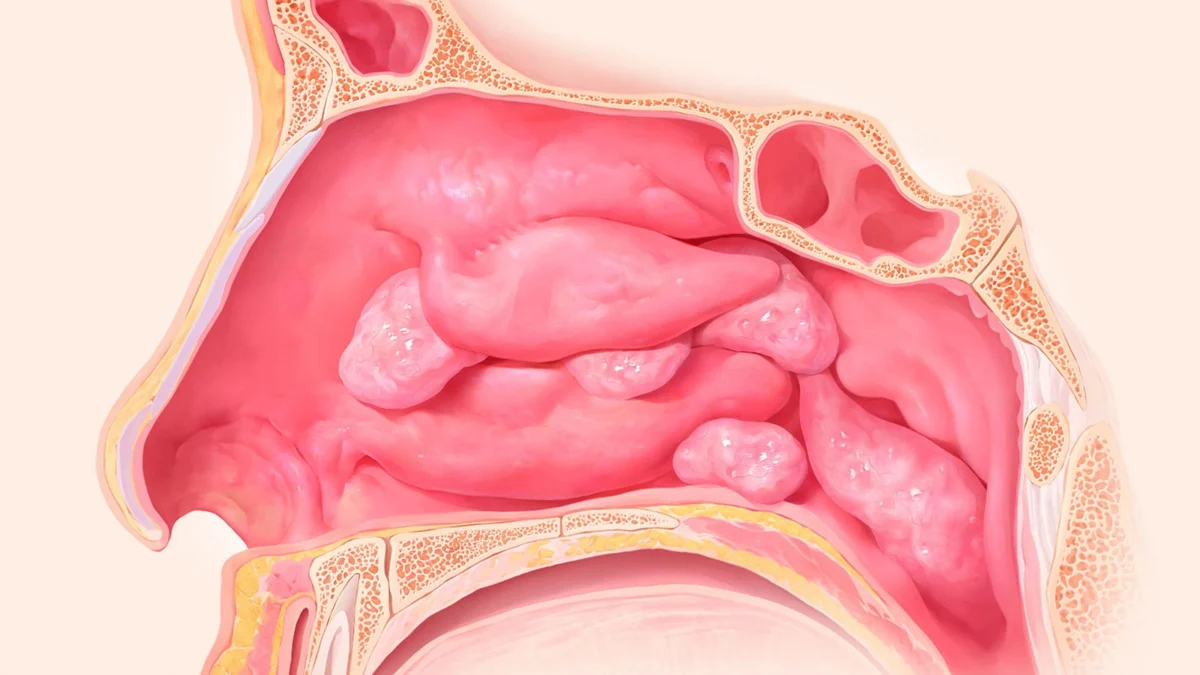
For patients suffering from severe chronic rhinosinusitis with nasal polyps (CRSwNP), the condition is often a lifelong cycle of inflammation, obstructed breathing, and diminished quality of life. However, a significant new study published in The Lancet Respiratory Medicine suggests that the therapeutic landscape is shifting. Recent data indicates that mepolizumab (Nucala), an anti-interleukin-5 monoclonal antibody, is not only managing symptoms effectively but is actively steering a substantial portion of patients toward clinical remission.
The Shift Toward Remission: Core Findings
Led by Dr. Eugenio De Corso of the University of Perugia, a team of researchers conducted a large-scale, real-world study that followed 621 patients across 25 Italian tertiary referral centers. The results offer a compelling narrative: over the course of 12 months, patients treated with 100 mg of mepolizumab every four weeks experienced consistent, progressive improvements in both their physiological symptoms and their overall quality of life.
The most striking finding was the trajectory toward "remission." At the 12-month mark, 42% of patients had achieved formal disease control. Furthermore, 20% of the cohort were classified as being "on their way to remission," having met the necessary clinical criteria but awaiting the full duration required for official classification. This milestone marks a significant departure from traditional treatment goals, which historically focused merely on symptom reduction rather than long-term disease stabilization.
A Chronology of Clinical Improvement
The study tracked patients from baseline through one year of consistent therapy. The timeline of recovery revealed that the benefits of mepolizumab were not static; rather, they deepened as the treatment progressed.
Baseline to 6 Months
At the commencement of the study, the median nasal polyp score was 6 on a 0-8 point scale. Participants reported a median score of 59 on the Sino-Nasal Outcome Test-22 (SNOT-22), a gold-standard metric where higher scores denote poorer health-related quality of life. During the first six months, patients began to see a steady reduction in polyp size and a corresponding improvement in olfactory function and breathing.
6 Months to 12 Months
The researchers noted that the rate of improvement did not plateau at the six-month mark. Instead, the nasal polyp score dropped to a median of 3 by the 12-month evaluation, reflecting a statistically significant improvement (P<0.0001). Simultaneously, SNOT-22 scores improved to a median of 21, indicating a dramatic enhancement in the patients’ daily well-being.
"The progressive nature of improvement observed over time suggests that clinical benefits could continue to increase beyond the earlier phases of treatment," the authors observed. This temporal pattern suggests that clinicians may need to manage patient expectations, encouraging persistence with therapy to see the full extent of the drug’s efficacy.
Supporting Data: Understanding the Patient Cohort
To understand the robustness of these findings, it is essential to look at the composition of the study group. The 621 patients involved were not a homogenous group; they represented a complex, "real-world" population often excluded from the narrow confines of clinical trials.
- Comorbidities: 52% of the participants suffered from comorbid asthma, while 29% dealt with non-steroidal anti-inflammatory drug-exacerbated respiratory disease (NERD).
- Treatment History: The cohort included both treatment-naive patients and those who had failed previous therapies. Notably, 18% had received prior biologic treatment, with 57% of those having previously switched from dupilumab (Dupixent).
- Surgical Background: The group was heavily burdened by disease, with 80% having undergone at least one surgical procedure for their rhinosinusitis.
The data indicated that while all patients benefited, those who had never received prior biologic therapy showed greater improvements in SNOT-22 scores compared to "bio-experienced" patients. Researchers hypothesized that patients switching from other biologics often present with greater clinical complexity and treatment-refractory disease, which may influence the speed of response to a new agent like mepolizumab.
Official Perspectives and Clinical Implications
The findings from Dr. De Corso’s team provide a vital bridge between the controlled, limited environment of the phase III SYNAPSE trial and the messy, unpredictable reality of clinical practice.
Bridging the Evidence Gap
In the original SYNAPSE trial, mepolizumab demonstrated a 1-point median change in nasal polyp scores compared to placebo. While statistically significant, the real-world study provides a more granular look at how that translates into actual patient experience over a longer duration. By involving 25 diverse clinics, the study captures the "heterogeneity" of the broader CRSwNP population, giving clinicians more confidence when prescribing the medication to patients with multiple comorbidities.
Addressing the "Smell" Factor
Despite the success of the treatment, the study highlighted the persistence of certain symptoms. While olfaction (the sense of smell) showed improvement across the board, 38% of patients still reported an inability to smell after 12 months. This serves as a sober reminder that while biologics are revolutionary, they are not a panacea for all manifestations of chronic rhinosinusitis.
Predicting Success
One of the most valuable aspects of the study for clinical decision-making was the attempt to identify predictors of success. The researchers found:
- Baseline Olfactory Function: Patients with better baseline smell scores were more likely to achieve disease control.
- Polyp Severity: Patients with less severe baseline nasal polyp scores were significantly more likely to progress toward full remission.
- Asthma/Eosinophils: Surprisingly, neither baseline blood eosinophil count nor the presence of asthma predicted whether a patient would reach the threshold for control or remission, suggesting that the mechanism of mepolizumab’s success in this context is complex and not driven by a single biomarker.
The Future of CRSwNP Management
The implications of this research are twofold. First, it validates the role of mepolizumab as a primary intervention for severe, uncontrolled CRSwNP, particularly for those who have failed surgical interventions. Second, it shifts the goalpost of therapy. By proving that "remission" is an achievable target in a real-world setting, the study encourages physicians to aim for complete disease stabilization rather than just temporary symptom management.
However, the authors were quick to add a note of caution. The study was observational, meaning it lacked a placebo control group, and the patient population was exclusively Italian, which may limit generalizability to other ethnic or geographic demographics.
"Longer-term studies are needed to determine whether improvements in disease control and remission continue beyond 12 months or plateau thereafter," the researchers concluded.
As the medical community continues to refine the use of biologics in rhinology, the data from this study will likely serve as a cornerstone for future clinical guidelines. For the patient struggling with chronic obstruction, the prospect of reaching a state of remission—a once-distant dream—now appears to be a tangible reality.