










For decades, the cultural zeitgeist of American medicine has been dominated by the neon-lit, high-octane imagery of urban emergency departments. From ER to Grey’s Anatomy, television has conditioned the public—and prospective medical students—to believe that the pinnacle of clinical practice is synonymous with the metropolitan skyline.
However, Dr. Joanne M. Conroy, CEO and president of Dartmouth Health, argues that this narrative is not only incomplete; it is dangerously misleading. In a landscape where rural healthcare is often unfairly dismissed as stagnant or unsophisticated, a new wave of clinicians is discovering that the true frontier of high-stakes, innovative medicine lies far from the city center.
The "Pitt" Effect: Changing the Narrative
While most healthcare professionals find medical dramas to be caricatures of the actual hospital experience, Dr. Conroy highlights a notable exception: The Pitt. For Conroy, a board-certified anesthesiologist and leader of one of New England’s most expansive health systems, the series offers a startlingly authentic portrayal of the chaotic, high-pressure environment of the modern Emergency Department (ED).
The show’s resonance is grounded in its characters, particularly Dr. Dennis Whitaker, a first-year resident. Whitaker represents a growing archetype: the talented, intellectually rigorous physician who finds his calling not in the prestige of an urban hub, but in the necessity of rural service. In a poignant scene, Whitaker treats a patient with renal failure who traveled hours from a rural area after his local hospital closed. The encounter solidifies Whitaker’s resolve to return to his Nebraska roots. When asked if he is "thinking" about rural medicine, his reply is definitive: "Doing."
This shift in perspective—from "thinking" to "doing"—is what Dr. Conroy believes the next generation of medical residents must embrace. She argues that the adrenaline-charged career path often sought by young doctors is not exclusive to cities; rather, it is a hallmark of the rural experience.
The Rural Reality: A Chronology of a Crisis
The urgency behind Dr. Conroy’s advocacy is backed by a sobering reality. The American rural healthcare system is currently navigating a period of unprecedented volatility.
- Pre-2005: Rural hospitals operated as the primary pillars of their communities, often functioning with limited resources but high levels of autonomy.
- 2005–2015: The economic landscape began to shift, as reimbursement models evolved and the overhead costs of maintaining advanced technology became increasingly difficult for low-volume facilities to sustain.
- 2015–2024: The "closing crisis" intensified. According to data from The Commonwealth Fund, nearly 200 rural hospitals have shuttered their doors—either partially or completely—since 2005.
- The Current Outlook: Over 400 hospitals, representing more than 20% of the rural landscape, are currently deemed at high risk of closure.
This trajectory has created "healthcare deserts," where patients must travel hours for basic, let alone emergency, interventions. For the 82 million Americans living in rural areas, this is not a matter of convenience; it is a matter of survival.
Supporting Data: The Case for Rural Sophistication
Stereotypes suggest that rural medicine is "slower" or less advanced than urban counterparts. Dr. Conroy, who leads Dartmouth Health—the most rural academic medical system in the United States—vehemently disputes this.
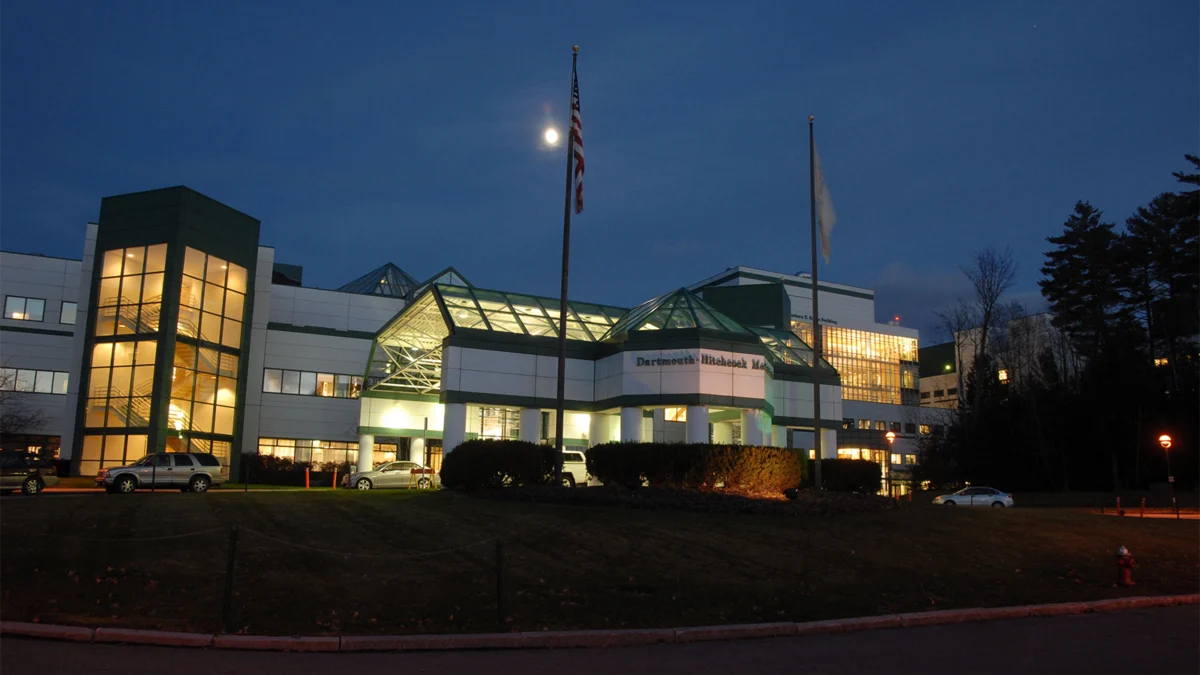
Dartmouth Health, headquartered in New Hampshire’s Upper Valley, stands as a testament to what rural medicine can achieve. As the state’s only academic health system, it operates the state’s only Level 1 trauma center, a children’s hospital, and a National Cancer Institute-designated Comprehensive Cancer Center. Despite being surrounded by dense forests rather than high-rises, the system functions at an Ivy League level of academic rigor and clinical output.
The data supports the necessity of these institutions:
- Clinical Complexity: Rural hospitals are the first line of defense. They must be prepared to handle "worst-case scenarios" without the immediate backup of a secondary urban facility just minutes away.
- Environmental Challenges: Terrain, such as the mountain ranges and winding back roads of New England, dictates the care. Trauma teams are frequently required to stabilize victims of severe ski accidents or mountain hikers, often working in tandem with air ambulances in conditions that urban doctors rarely encounter.
- The Innovation Gap: Contrary to the "backwards" stereotype, rural health systems are often at the cutting edge of telemedicine and remote patient monitoring, necessitated by the vast distances between patients and providers.
Official Perspectives: Breaking the Cultural Divide
The divide between urban and rural is not merely geographic; it is cultural. Dr. Conroy identifies a bidirectional prejudice: urban centers often view rural areas as less educated, while rural communities frequently perceive city-dwellers as elitist and out of touch.
"Both stereotypes miss the mark," says Conroy. "We don’t play small. Rural medicine is not for the faint of heart."
From an administrative and leadership perspective, the challenge is recruitment. Medical schools have historically funneled students toward urban fellowships. To reverse this, academic health systems are working to:
- Reframe the Career Path: Emphasizing that rural medicine offers a broader scope of practice, requiring physicians to be generalists with specialized skill sets.
- Advocacy and Policy: Engaging in federal and state-level lobbying to ensure that funding models for rural hospitals account for the "standby" costs of maintaining trauma services in low-population density areas.
- Mentorship: Connecting residents with leaders who practice in rural settings, showing them that "world-class" is a standard of care, not a zip code.
Implications for the Future of Healthcare
The implications of ignoring the rural healthcare crisis are severe. As rural hospitals close, the strain on urban systems increases, creating a feedback loop of overcrowding and diminished quality of care for everyone.
However, the path forward is clear: it requires a fundamental shift in how we define "excellence" in medicine. The next generation of doctors, like the character of Dr. Whitaker, is starting to recognize that rural practice is the ultimate test of medical competence. It requires "grit"—the ability to stay calm when a patient is dropped from a helicopter, the ability to communicate with folks who value straight-talk over bureaucracy, and the resilience to advocate for underserved populations.
Transforming the Model
Moving forward, Dr. Conroy’s vision for Dartmouth Health and the broader rural landscape focuses on three pillars:
- Innovation: Utilizing technology to bridge the distance, effectively bringing the specialist to the patient’s living room.
- Empowerment: Training physicians to be more than just clinicians; they must be community advocates who understand the social determinants of health in remote areas.
- Sustainability: Moving away from the "old and cold" narrative and toward a model of "vibrant and essential." By investing in rural infrastructure, the U.S. can stabilize its healthcare system from the outside in.
Conclusion
The story of American healthcare is often told through the lens of the city, but its future is being written in the rural hospitals that stand as the last line of defense against tragedy. As Dr. Conroy notes, there is a profound, world-class sophistication inherent in rural medicine.
For the healthcare professional who feels stifled by the rigid hierarchies of city medicine, or for the student looking for a career that demands everything they have to give, rural America is calling. It is a place where medicine is not just an academic exercise, but a vital, high-stakes service to the people who keep the country running. The "Midwestern nice" of a resident like Whitaker, paired with the academic, cutting-edge infrastructure of systems like Dartmouth Health, may just be the antidote to the crisis facing American medicine today.