For generations, the golden slab of butter has been the cornerstone of the home kitchen. It is the silent partner in our favorite coffeecakes, the velvet finish on mashed potatoes, and the structural foundation of flaky pastry. Yet, as nutrition science has evolved, so too has the landscape of our pantry fats. The rise of margarine, born from a need for shelf-stable, cost-effective alternatives, sparked a debate that pits tradition against technological innovation. As a food scientist, I have spent my career peeling back the molecular layers of these two staples to understand not just their nutritional profiles, but their fascinating chemical behaviors.
The Molecular Blueprint: Understanding Fat Structures
At their most fundamental level, both butter and margarine are emulsions—complex, microscopic mixtures of tiny water droplets suspended within a continuous fat matrix. This matrix is predominantly composed of triglycerides, the primary form of fat found in our dietary intake.
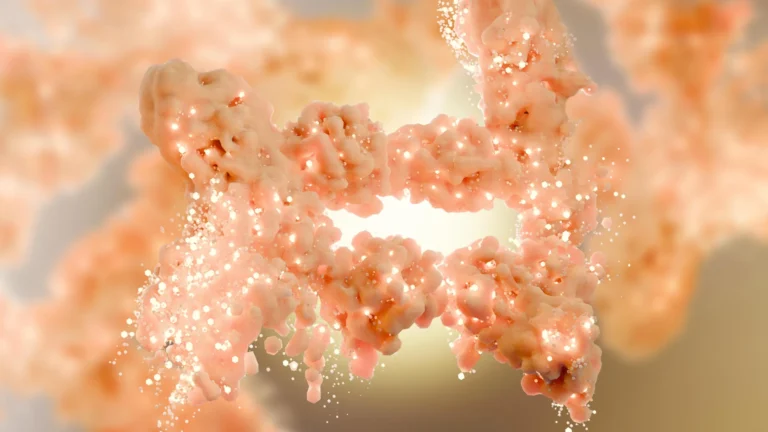
A triglyceride molecule is defined by a three-carbon glycerol backbone, to which three fatty acid chains are attached. While the backbone remains constant, the nature of the fatty acids—the length of the carbon chains and the presence of double bonds—varies wildly. This is where the divergence between butter and margarine begins.
Butter is a product of animal origin, characterized by a high concentration of saturated fatty acids. Because these molecules contain no double bonds, they are linear and capable of stacking compactly, creating a solid, crystalline structure. In contrast, margarine is derived from plant-based oils. Its fatty acids are largely unsaturated, meaning they contain double bonds that create "kinks" in the molecular chain. These irregularities prevent tight packing, which dictates how the substance melts, spreads, and interacts with other ingredients during the baking process.
A Brief Chronology: From Farmstead Churn to Industrial Innovation
The history of butter is as old as the domestication of cattle, relying on the simple mechanical agitation of cream. When one churns cream, the fat globules rupture, allowing the fat to coalesce into semi-solid grains, eventually separating from the watery, low-fat buttermilk. For centuries, this was the only way to concentrate the fat required for cooking.
Margarine, by comparison, is a child of the Industrial Revolution. Developed in the 19th century as a functional alternative, it has undergone significant evolution. Early versions were criticized for the use of partially hydrogenated oils, which were later found to contain harmful trans fats. Today’s modern margarine is a product of "interesterification"—a sophisticated chemical process that rearranges fatty acids on the glycerol molecule to achieve desired textures and melting points without the need for dangerous trans fats.
Supporting Data: The Composition of Fats
When comparing these two products, it is essential to look at the numbers. Both are required to be at least 80% fat, though high-quality European-style butters can reach up to 85% fat content. The remaining 15–20% is composed of water, vitamins, and—in the case of butter—traces of lactose and protein.
The U.S. government maintains strict standards of identity for butter, making it one of the oldest regulated food products in the country. Manufacturers must adhere to specific compositional guidelines to label their product as "butter." Margarine, however, is a more flexible product. Processors can adjust water content, add synthetic beta-carotene for color, and introduce emulsifiers like lecithin to prevent the fat and water from separating. While these additives make margarine highly stable and consistent, they categorize it as an ultraprocessed food, distinguishing it from the naturally occurring fats found in butter.
The Science of Flavor and Color
The characteristic golden hue of butter is a direct result of the cow’s diet. Grass is rich in beta-carotene, an orange pigment. Because cows do not fully metabolize this pigment, it passes through to the milk fat. Margarine is naturally colorless, but because consumers associate "golden" with "buttery," producers add synthetic beta-carotene to replicate this visual cue.
Flavor is similarly engineered. Butter’s complex profile often comes from the fermentation process: lactic acid bacteria are added to cream to convert lactose into flavor compounds, providing a subtle tang. Margarine manufacturers must mimic this using additives like diacetyl—the primary molecule responsible for butter’s aroma—and various whey-based flavorings. While these additives are effective, they lack the nuanced, multi-layered depth of a high-quality cultured butter.
Official Perspectives and Health Implications
The debate between butter and margarine is often framed as a health conflict. Nutritionists generally point to the fact that margarine contains fewer saturated fats than butter, making it a common recommendation for those managing cardiovascular health. However, the move toward "clean label" eating has seen a resurgence in butter consumption, as consumers prioritize minimally processed, whole-food ingredients.
The medical community, including organizations like the American Heart Association, has long cautioned against trans fats, which were once prevalent in older margarine formulations. While the industry has largely shifted away from these through interesterification, the lack of mandatory labeling regarding the use of this process leaves some consumers in the dark about how their spreads are being manufactured. From a professional standpoint, the "healthiest" choice often depends on an individual’s specific dietary needs, but the chemical reality remains: butter is a natural fat, while margarine is a precisely engineered emulsion.
Functional Performance in the Kitchen
The most significant differences between these two are best observed in the heat of the kitchen.
1. The Maillard Reaction and Browning
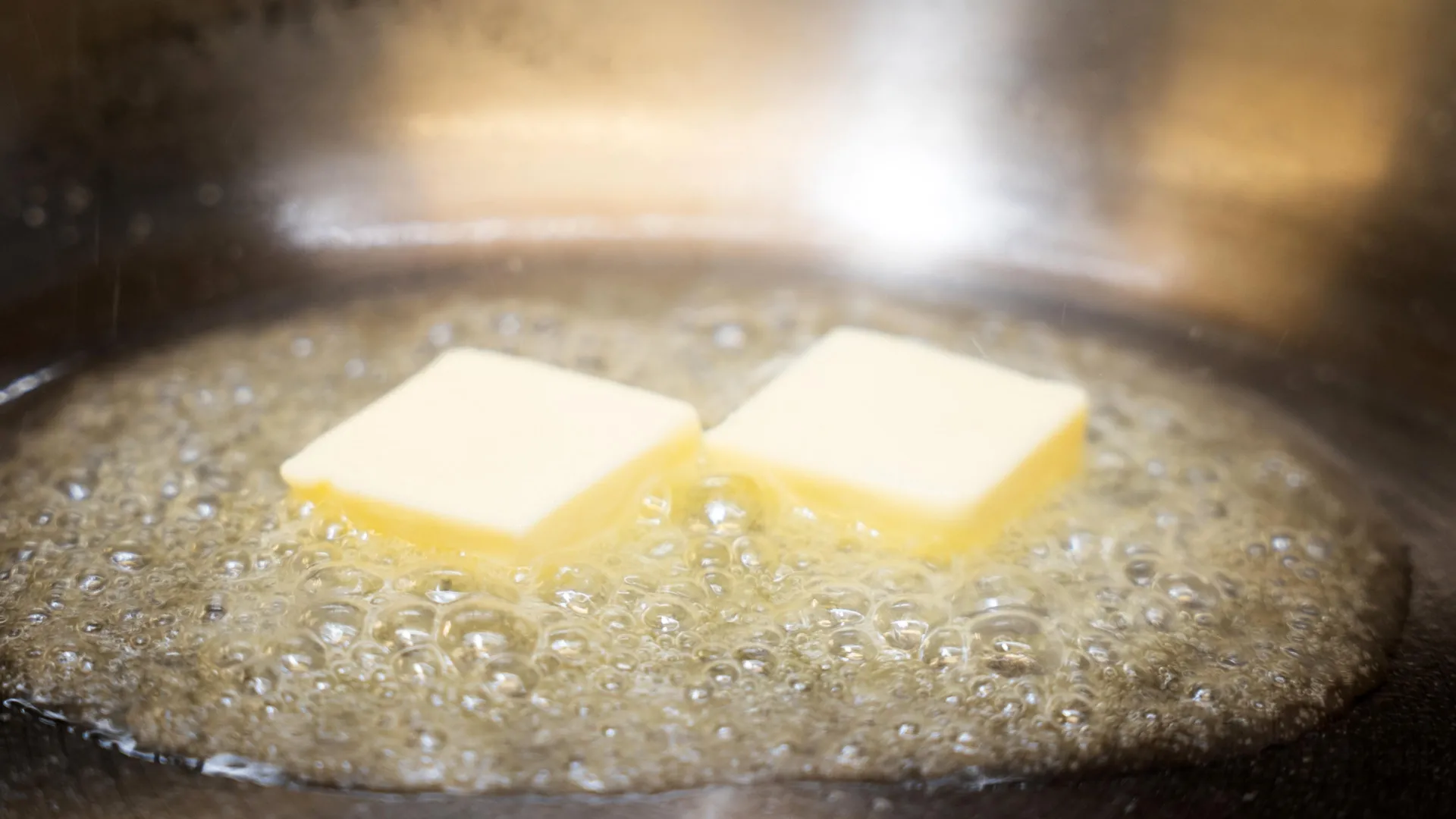
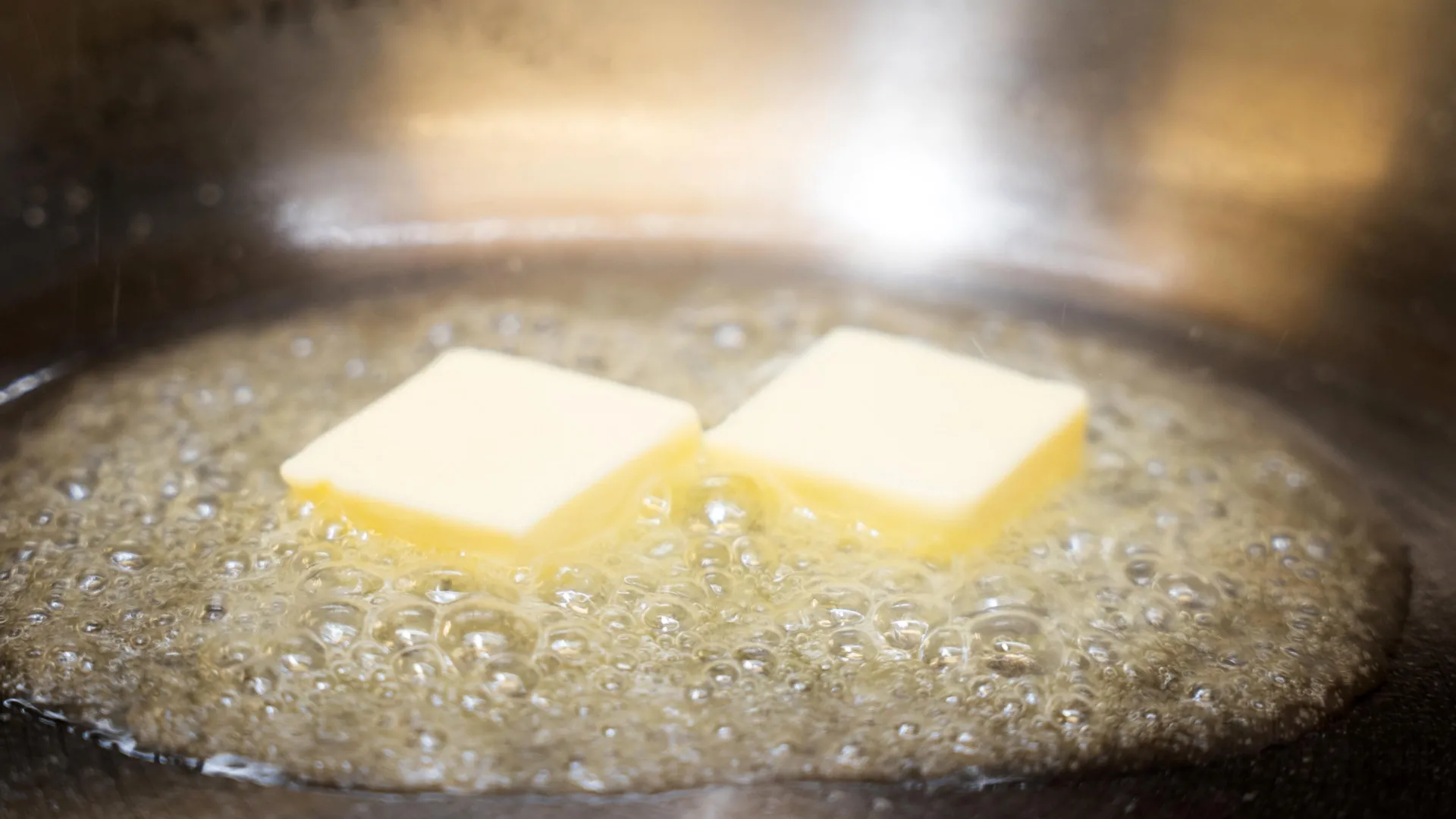
Butter contains milk proteins and lactose. When heated, these compounds undergo the Maillard reaction—a chemical process that browns the food and produces a deep, nutty, caramelized flavor. Because margarine lacks these specific milk solids, it cannot brown. It will melt, but it will never achieve the aromatic complexity that butter brings to a sautéed sauce or a browned-butter cookie.
2. Texture and Leavening
In baking, butter’s unique crystal structure is a superpower. When creamed with sugar, butter’s crystals trap air, creating a porous structure that gives cakes their lift. The water content in butter also plays a role in creating steam, which is essential for the flaky, distinct layers found in puff pastry and croissants. While margarine can be formulated to mimic this, its performance is often inconsistent. High-water "squeeze" margarines, for example, are entirely unsuitable for baking because they lack the necessary fat-to-water ratio, leading to soggy, dense results rather than light, airy textures.
3. Consistency and Shelf Life
Margarine does, however, possess distinct functional advantages. Its melting point can be engineered to be incredibly precise, and it remains soft at temperatures where butter would be rock-hard. For professional bakers who require a consistent product that performs the same way regardless of the season or the cow’s diet, margarine offers a level of predictability that is difficult to replicate with natural butter. Furthermore, its superior shelf life makes it an economical choice for high-volume production.
Conclusion: Choosing the Right Tool for the Job
As a food scientist, I often get asked: "Which is better?" The answer is not found in a laboratory, but in the intended application. If you are seeking the Maillard reaction, a specific flavor profile, or the structural integrity required for delicate French pastry, butter remains the gold standard. Its natural chemistry is difficult to match.
Conversely, if you are looking for a spreadable fat for everyday use, or a consistent, cost-effective fat for specific baking applications where browning is not a priority, margarine is a highly effective, modern tool. Understanding the chemistry behind these fats allows us to move beyond the marketing and the myths. By recognizing how these ingredients function on a molecular level, home cooks and professionals alike can make informed decisions, ensuring that their culinary creations achieve the perfect texture, flavor, and outcome every time. Whether you choose the traditional churn or the industrial emulsion, you are participating in a long tradition of scientific manipulation—one that has fundamentally shaped the way we eat today.