









For decades, the battle against obesity has been fought primarily on the front lines of appetite suppression. From the early days of stimulant-based diet pills to the current revolution of GLP-1 receptor agonists like semaglutide and tirzepatide, medical science has focused on one primary lever: signaling to the brain that the body is "full." While these medications have undoubtedly transformed the lives of millions, they come with a persistent, nagging limitation—the loss of lean body mass.
Now, a series of groundbreaking studies from the Weizmann Institute of Science suggests that the future of weight management may not lie in the brain’s hunger centers, but in the microscopic power plants of our cells. Researchers have identified a protein, nicknamed "Mitch" (MTCH2), that acts as a metabolic gatekeeper, determining whether a cell stores energy as fat or burns it as fuel.
The Core Discovery: MTCH2 as a Metabolic Rheostat
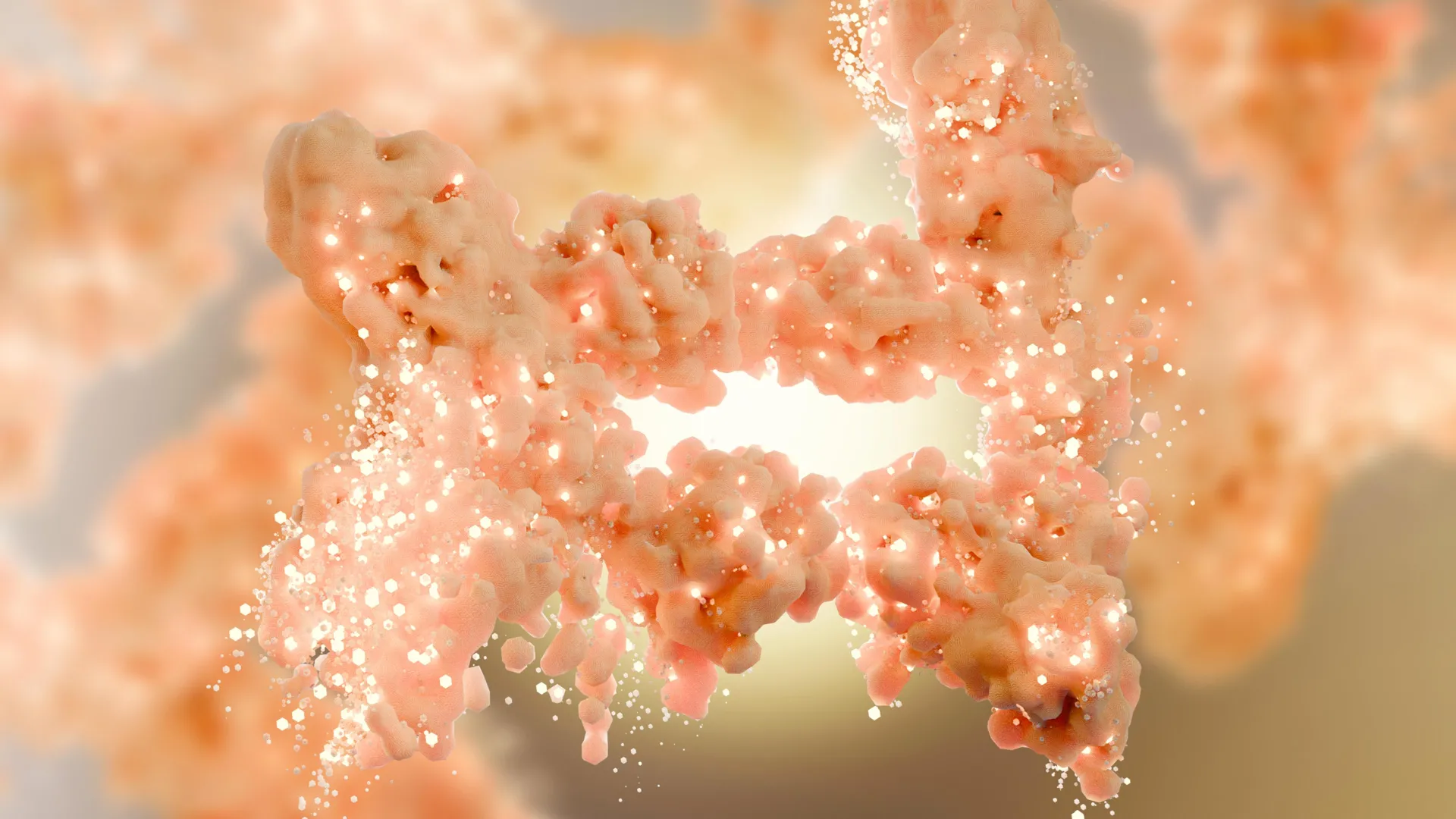
The discovery centers on the protein MTCH2, which is embedded within the membranes of mitochondria—the organelles responsible for converting nutrients into adenosine triphosphate (ATP), the chemical currency of cellular energy.
Professor Atan Gross and his team at the Weizmann Institute found that MTCH2 is not merely a passive structural component; it is a critical regulator of mitochondrial efficiency. When the protein is disabled, the mitochondrial network within a cell becomes fragmented. This fragmentation forces the cell into a state of "high energy demand." Instead of functioning in a conservative, energy-efficient mode, the cell begins to burn through nutrients at an accelerated rate, effectively forcing it to consume more fats and carbohydrates to meet its functional requirements.
"We discovered that deleting Mitch led to a major drop in fats in cell membranes," explains Professor Gross. "At the same time, we saw an increase in fatty substances used to produce energy, and we realized that the fat was being broken down from the membrane to be used as fuel. In other words, we showed that Mitch determines the fate of fat in human cells."
A Chronology of Scientific Breakthroughs
The journey to identifying MTCH2 as a therapeutic target was a multi-year process characterized by rigorous, step-by-step validation across different biological models.
2024: The Mouse Model Foundation
Before moving to human cells, the research team began with experiments in mice. By genetically disabling MTCH2 specifically in the muscle tissue of these animals, the researchers observed a profound transformation. The mice became resistant to diet-induced obesity, showed significantly improved physical endurance, and exhibited superior heart function compared to their wild-type counterparts. The data suggested that the protein’s influence extended far beyond a single metabolic pathway; it was modulating the very foundation of how the body stores and utilizes energy.
January 2025: Publishing the Mechanism
The findings were solidified and published in The EMBO Journal in January 2025. This paper, led by doctoral student Sabita Chourasia and Professor Gross, detailed exactly how the lack of MTCH2 forces cells to engage in increased cellular respiration. They observed that without the protein, cells were not just burning existing fat stores; they were also failing to form new, healthy fat cells (adipocytes). This dual-action mechanism—burning more fuel while simultaneously inhibiting the "birth" of new fat storage sites—offered a dual-pronged approach to metabolic health.
October 2025: The CPT1 Connection
In a follow-up study published in Nature Communications in October 2025, the research expanded to an international collaboration involving teams from ETH Zurich and the University of Pennsylvania. This study uncovered the specific "how": MTCH2 interacts with a key enzyme called CPT1 (carnitine palmitoyltransferase 1). CPT1 is the gatekeeper for fatty acid entry into the mitochondria. By blocking the inhibitory signal that usually tells the cell to stop burning fat, the absence of MTCH2 allows for an unrestricted flow of lipids into the mitochondria for oxidation.
Supporting Data: The Cost of Traditional Weight Loss
The urgency of this research is underscored by the current limitations of clinical weight-loss interventions. While drugs like semaglutide are highly effective at inducing weight loss, they are non-selective regarding the type of tissue lost.
A 2026 analysis of 20 clinical trials involving 15,782 participants painted a sobering picture: lean body mass—the vital muscle and bone density required for long-term health—accounts for 25% to 39% of the total weight lost during standard medical or lifestyle-based interventions.
"Weight reduction can also involve a decline in lean body mass," the report notes. "Preserving muscle is especially important because it supports strength, mobility, and metabolic health." Because the MTCH2 discovery points toward a mechanism that specifically targets fat metabolism and mitochondrial efficiency, it offers the tantalizing prospect of "metabolic remodeling"—losing fat while potentially sparing or even improving the function of lean tissue.
Official Responses and Expert Perspective
The scientific community has viewed the Weizmann Institute’s work as a potential paradigm shift. By moving the focus from the hypothalamus (the brain’s appetite center) to the mitochondria (the body’s metabolic engine), researchers are addressing the root cause of metabolic storage rather than just the symptom of hunger.
However, the team remains cautious. In their official communications, they emphasize that these studies were conducted in controlled cell cultures and genetically modified mouse models. Professor Gross has been clear about the complexity of the task ahead: "Preventing fat cells from forming is not necessarily beneficial in every situation. Healthy fat tissue plays an essential role in storing excess energy, maintaining blood sugar balance, and producing hormones."
The researchers highlight that because MTCH2 is involved in mitochondrial health across the entire body, systemic inhibition could potentially lead to unforeseen side effects. The challenge for future clinical trials will be to determine if this protein can be targeted locally or via a therapeutic window that safely tips the metabolic balance without causing systemic dysfunction.
Implications for Future Obesity Treatment
The "Mitch" discovery offers a compelling vision for the next generation of weight-management therapies. Currently, the most successful weight-loss drugs are systemic, acting on the brain to alter behavior and satiety. The prospect of an "MTCH2-inhibitor" drug suggests a future where we could influence the biochemistry of the fat cell itself.
Potential Benefits:
- Targeted Fat Burning: By overriding the "storage" signal in adipose tissue, patients might burn fat stores more efficiently without the need for extreme calorie restriction.
- Improved Metabolic Flexibility: As seen in the mice, the modulation of MTCH2 improved glucose tolerance and lowered cholesterol, suggesting benefits beyond simple weight loss.
- Preservation of Lean Mass: Because the mechanism favors fatty acid oxidation, it may help maintain muscle mass, provided the metabolic shift is managed correctly.
The Path Forward:
While the discovery is significant, it is currently in the "pre-clinical" phase. The next hurdles for the international team involve identifying small-molecule inhibitors that can mimic the effect of deleting the protein without requiring genetic engineering. Scientists must also confirm that this metabolic shift does not lead to "ectopic fat"—the dangerous accumulation of fat in organs like the liver or heart when the body can no longer store it safely in adipose tissue.
For the millions struggling with metabolic disease, the research provides a new lens through which to view obesity: not as a failure of willpower or a simple imbalance of calories in vs. calories out, but as a complex, manageable biological switch.
As the 2026 review on clinical trials noted, the combination of resistance training and lifestyle modification remains the gold standard for preserving lean mass today. However, the work of the Weizmann Institute provides a beacon of hope for a future where science can directly assist the body in burning its own energy stores, potentially changing the face of obesity medicine forever.
Research Team and Publication Details
- Primary Study: MTCH2 controls energy demand and expenditure to fuel anabolism during adipogenesis (The EMBO Journal, Jan 2025). Led by Sabita Chourasia and Professor Atan Gross, Weizmann Institute.
- Secondary Study: MTCH2 modulates CPT1 activity to regulate lipid metabolism of adipocytes (Nature Communications, Oct 2025). An international collaboration including ETH Zurich and the Weizmann Institute of Science.