In the intricate tapestry of Ayurvedic medicine, health is not merely the absence of disease, but a state of dynamic equilibrium between the mind, body, and consciousness. As the seasons shift, so too does the internal environment of the human body. When this internal harmony is disrupted, leading to psychosomatic disorders, Ayurveda dictates a precise, systematic approach to restoration. The ancient wisdom of this tradition identifies two primary therapeutic pathways: Shamanam (pacification) and Shodanam (purification).
Understanding these pathways is essential for anyone seeking to utilize Ayurveda as a preventative and restorative tool. When a patient presents with weakness, malnutrition, or general depletion, Shamanam—the art of pacification—is the first line of defense. It focuses on removing the root cause of distress while simultaneously building physical and mental resilience. Only when the individual is sufficiently nourished, or when the constitution is robust enough to handle the intensity of a detox, does the practitioner move toward Shodanam, or purification.
Central to this purification process is Panchakarma, a series of five transformative actions designed to purge the body of accumulated toxins and restore the natural flow of Prana (life force). Among these five modalities, Nasya—the nasal administration of therapeutic substances—stands out for its unique ability to serve as a gateway to the brain and the higher states of consciousness.
The Science and Philosophy of Nasya
The nose is often referred to in Ayurvedic texts as the "door to the brain" (Nasa hi shiraso dwaram). This is not merely a poetic metaphor; it is a clinical observation of how substances interact with the Majja Dhatu (nervous tissue). Because the nasal cavity is in direct proximity to the brain, any substance inhaled or instilled into the nostrils bypasses the standard digestive metabolic process, entering the system with a heightened level of efficacy.
Physiological Mechanisms of Nasal Administration
When medicinal herbs or oils are administered via the nostrils, they initiate a profound physiological response. Upon inhalation, the molecules interact with the olfactory bulb and the cribriform plate, a porous bone structure that serves as a barrier between the nasal cavity and the brain.
The administration of Nasya triggers a unique pumping action. As the medicine contacts the nasal mucosa, it stimulates the meninges—the protective membranes covering the brain and spinal cord. This sensory stimulation forces the diaphragm to adjust its rhythm, creating a cascade effect that improves the circulation of cerebrospinal fluid (CSF). This, in turn, boosts both arterial and venous blood flow to the head, effectively "clearing the channels" or Srotas that have become obstructed by environmental toxins or stagnant Kapha.
Navigating the Kapha Season: Winter Wellness
As we transition into the heart of winter, the environment takes on the attributes of the Kapha dosha: cold, heavy, dense, slow, and cloudy. In Ayurvedic theory, "like increases like." Consequently, the winter season naturally increases Kapha in the body, leading to the sluggishness, congestion, and mental fog that many experience during the colder months.
To counteract these qualities, one must employ the opposite energetics: heating, drying, and expansive substances. This is where Nasya becomes an indispensable tool for the seasonal transition. By choosing specific herbs that possess a pungent, heating, or bitter profile, we can cut through the density of winter Kapha and stimulate the nervous system.
The Five Modalities of Nasya
While the practice is broad, traditional Ayurveda classifies Nasya into five distinct categories. These are determined by the severity of the imbalance, the strength of the patient, and the desired outcome—whether the goal is simply to cleanse the sinuses, or to address deeper, systemic neurological issues. Each modality requires careful consideration of the patient’s Prakriti (constitution) and Vikriti (current imbalance), reinforcing the necessity of consulting a qualified Ayurvedic practitioner before beginning any intensive cleansing regimen.
Winter Nasya Recipes: Practical Applications
For those looking to integrate these ancient techniques into their winter routine, two traditional formulations stand out for their ability to clear obstructions and revitalize the mind.
1. The Vacha (Calamus Root) Approach
Vacha, commonly known as Calamus root, is a cornerstone herb for Kapha management. Its energetics are inherently heating, pungent, and bitter—the exact trinity required to dispel the cold, heavy qualities of winter. Vacha is considered Saatvic in nature, meaning it provides a grounding yet uplifting nourishment for the mind.
Methodology:
To administer, take a very small pinch of high-quality, fine-ground Vacha root powder. Inhale gently into each nostril. It is common for this to induce sneezing. In Ayurvedic practice, this is a welcome sign; the sneeze is the body’s natural mechanism for balancing Prana and Udana (the upward-moving energy of the body). This process opens the brain centers, clears the Nadis (energy rivers), and promotes a significant surge in mental clarity and perception.
2. The Ginger and Jaggery Infusion
For those suffering from acute sinus congestion or the heaviness of a tension headache, the ginger and jaggery Nasya is highly recommended for its rapid, invigorating effects.
Ingredients and Preparation:
- Ingredients: 1 tsp freshly grated organic ginger, 1 tsp organic jaggery (unrefined cane sugar).
- Process: Combine the ingredients in 1/3 cup of purified water. Allow the mixture to steep for several minutes, then strain through a fine cheesecloth, ensuring all solid particles are removed to prevent irritation.
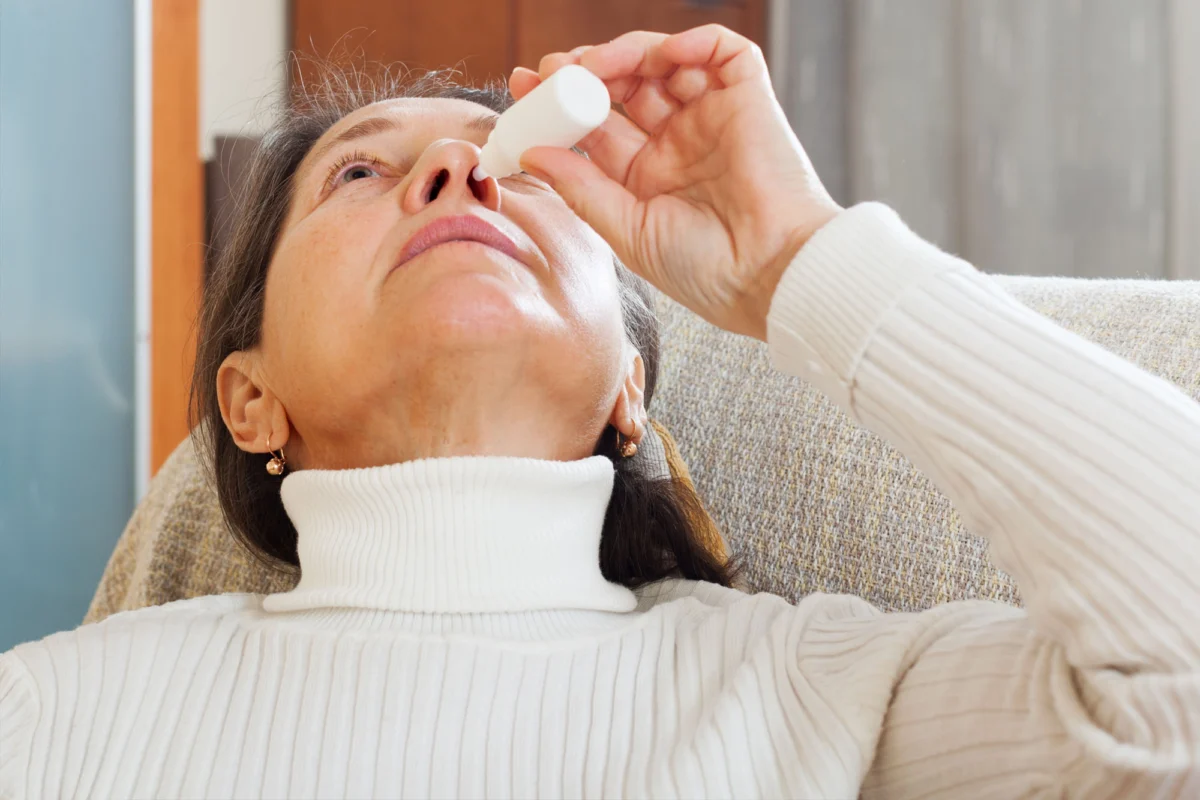
- Administration: Using a dropper, place 2–3 drops of the strained liquid into each nostril.
What to Expect:
Users may experience an immediate, intense burning sensation and a temporary flushing of the eyes and nose. This is the "active" phase of the therapy, where the pungent properties of the ginger stimulate blood flow to the sinus cavities. Following the initial intensity, a cooling, exhilarating "after-glow" typically sets in, leaving the practitioner feeling refreshed and mentally alert. Note: Always prepare a fresh batch for every application; do not store the mixture.
Implications for Modern Health
The resurgence of Nasya therapy in modern wellness circles is a testament to the limitations of current, symptom-based medical approaches. While Western medicine excels at acute trauma and emergency intervention, there is a growing realization that chronic, lifestyle-induced imbalances—often referred to as "dis-ease"—require a more holistic, subtle approach.
The Integration of Ancient and Modern
The implications of utilizing Nasya are significant. By stimulating the circulation of cerebrospinal fluid and enhancing oxygenation to the brain, this practice offers a non-invasive, low-cost intervention for:
- Chronic Sinusitis: Reducing the burden of medication by naturally clearing mucus.
- Mental Fog and Fatigue: Providing an alternative to caffeine-based stimulants.
- Headaches and Migraines: Targeting the source of tension at the base of the skull and the sinus cavities.
However, the "do-it-yourself" approach to Nasya comes with necessary warnings. Because the nasal cavity is a sensitive area with direct access to the nervous system, quality control of ingredients is paramount. Herbs must be organic and properly processed to ensure no contamination. Furthermore, those with high blood pressure, structural abnormalities in the nasal septum, or history of nasal surgeries should avoid these practices without professional supervision.
Conclusion: Honoring the Wisdom of the Seasons
Ayurveda is not a static set of rules, but a living, breathing dialogue between the individual and the environment. As the winter deepens and the world turns cold and heavy, our internal environment requires active, conscious management. Through the practice of Nasya, we acknowledge that we are not separate from the seasons, but integral to them.
Whether through the heating properties of Vacha or the invigorating effects of ginger and jaggery, Nasya provides a bridge between the physical act of breathing and the subtle movement of consciousness. By clearing the "rivers of life" and stimulating the brain’s natural filtration systems, we can navigate the winter not just with endurance, but with vitality, clarity, and profound physical balance.
Disclaimer: This article is for informational purposes only and does not constitute medical advice. The administration of substances into the nasal cavity should always be discussed with a qualified Ayurvedic practitioner or healthcare professional to ensure safety and suitability for your specific health needs.