By Sree Roy
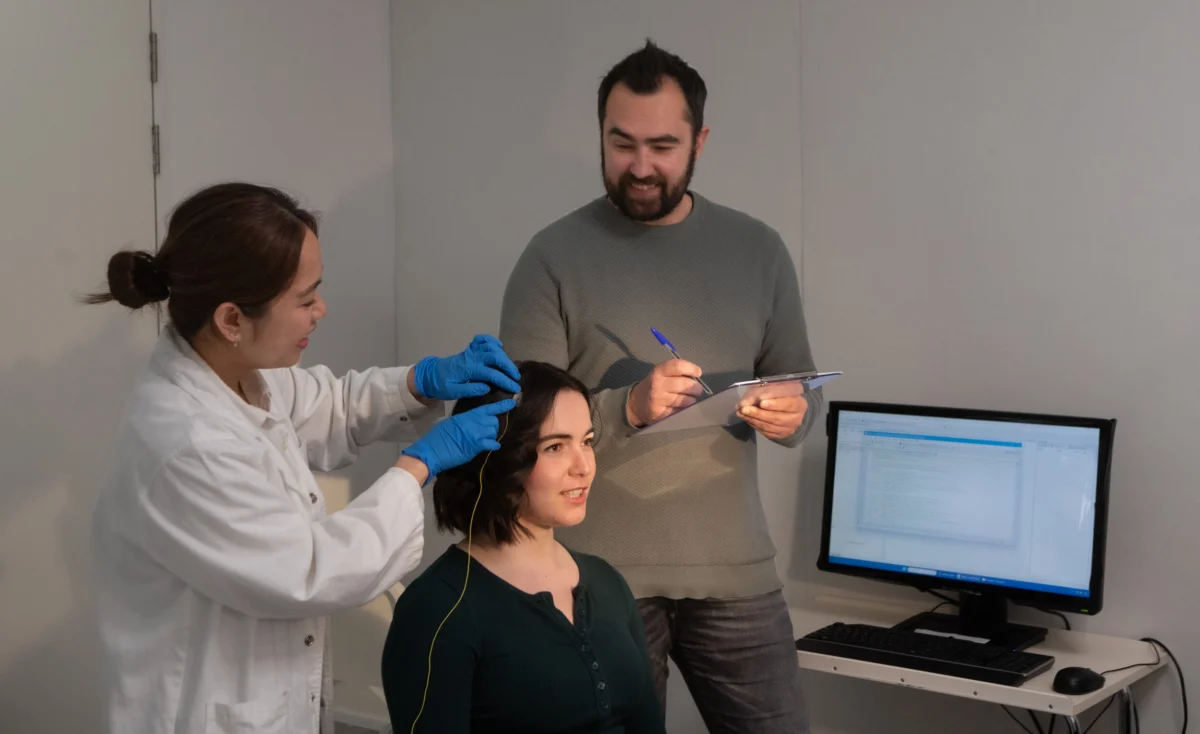
For decades, the gold standard of sleep medicine has been a fleeting, clinical moment: the in-lab polysomnography study. Typically conducted over a single night in a sterile environment, this "snapshot" approach has long been the cornerstone of sleep diagnostics. However, it is fundamentally limited, offering a static view of a dynamic, biological process. As researchers are increasingly realizing, sleep is not an isolated event that occurs only during the night; it is an intrinsic, integrated component of a 24-hour circadian cycle that dictates everything from metabolic health to cardiovascular longevity.
A seventeen-year-old collaboration between Monash University in Australia and Brigham and Women’s Hospital in Boston is now at the forefront of a paradigm shift. By leveraging the power of continuous, longitudinal data provided by wearable technology, these researchers are moving away from the "snapshot" model toward an integrated understanding of circadian health. This transition promises not only to redefine how we measure sleep but to offer a more actionable roadmap for the prevention of chronic disease.
The Evolution of Sleep Data: From Questionnaires to Continuous Streams
Historically, sleep research has relied heavily on two pillars: in-lab monitoring and retrospective self-report questionnaires. Both are fraught with limitations. Questionnaires are subject to significant recall bias, while in-lab studies often suffer from "first-night effects," where the patient’s sleep is altered simply because they are in an unfamiliar, clinical environment. Neither method accounts for the night-to-night variability that defines human behavior.
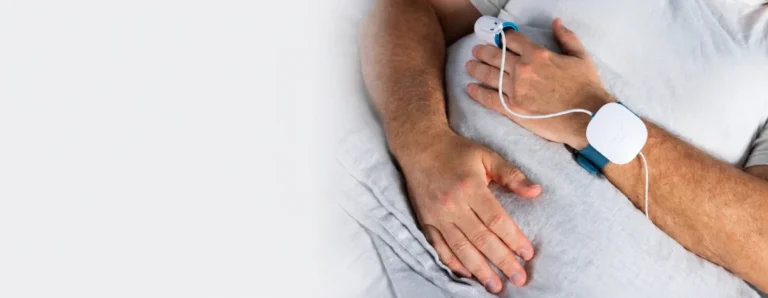
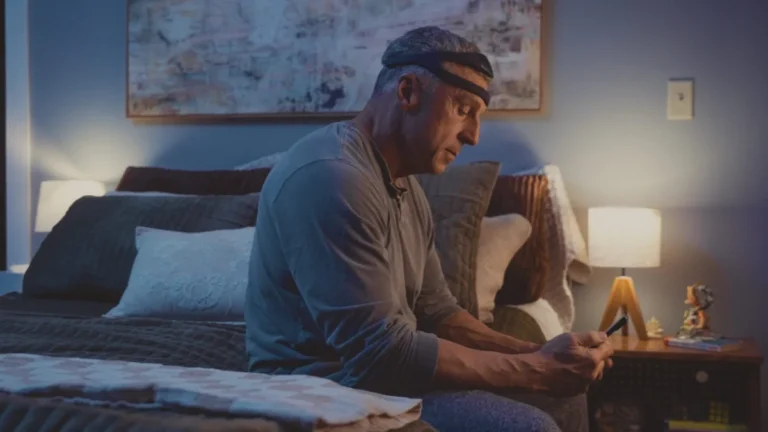
The rise of wearable technology—ranging from research-grade triaxial accelerometers to consumer smartwatches—is dismantling these barriers. These devices allow scientists to observe sleep patterns in a user’s natural environment over weeks, months, and even years.
"Wearables allowed us to recognize that sleep is not something that happens during night hours and then that’s it," says Emmanuel Stamatakis, PhD, director of Brain Park at Monash University’s Turner Institute for Brain and Mental Health. "The advantage of wearables is they’ve popularized that idea of living whole lifestyles because most trackers capture in great detail all behaviors including posture, sleep parameters, and physical activity parameters, and they attempt to wrap them into one package to support lay consumers in improving their behavior."
Chronology of a 17-Year International Partnership
The Monash-Brigham collaboration has been a marathon of discovery, sustained by a shared commitment to unraveling the complexities of the human circadian rhythm.
- 2007-2012 (The Foundational Phase): The partnership began as a scholarly exchange, focused on basic sleep physiology and the synchronization of clinical protocols. Researchers identified early on that the cross-continental exchange of expertise—moving "boots on the ground" between Melbourne and Boston—was critical for high-level data analysis.
- 2013-2018 (The Metric Expansion): As wearable sensors became more sophisticated, the focus shifted to quantifying "sleep regularity." This era saw the development of the Sleep Regularity Index (SRI), spearheaded by Andrew Phillips, PhD, which moved the field beyond the simple metric of sleep duration.
- 2019-2024 (The Public Health Integration): With the support of a five-year Wellcome Trust grant, the project entered its most ambitious phase. The focus expanded to translate longitudinal data into public health policy, aiming to influence global guidelines on physical activity and sleep.
- 2025 and Beyond: The partnership is now scaling globally, integrating data from low- and middle-income countries through initiatives like the ProPASS consortium to ensure that sleep health insights are universal, not just Western-centric.
Synergy: The "Whole-Day" Approach to Health
One of the most profound realizations of this research is that sleep does not function in a vacuum. By analyzing data from wearables that track heart rate, posture, and movement alongside sleep duration, researchers have uncovered a "synergistic" effect between daily behaviors.
Epidemiological studies have shown that small, consistent changes across multiple domains produce health outcomes far superior to massive, singular lifestyle shifts. For instance, increasing sleep by just 5 to 10 minutes, adding 2 to 4 minutes of moderate-to-vigorous physical activity, and consuming an extra half-cup of fresh vegetables daily can correlate with an approximately 10% reduction in the risk of major adverse cardiovascular events over nearly a decade.
"There seems to be a synergy," says Stamatakis. To achieve that same risk reduction through sleep alone, a person would theoretically need to add 30 minutes to their nightly slumber—a goal that is notoriously difficult to sustain for the average person. By identifying these "modest" but impactful clusters of behavior, the Monash-Brigham team is creating a framework for health interventions that are actually attainable for the public.
The Sleep Regularity Index (SRI): A New Gold Standard
Perhaps the most significant contribution of the Monash-Brigham team is the popularization of the Sleep Regularity Index (SRI). While the public remains obsessed with "getting eight hours," researchers are finding that when and how consistently you sleep is arguably more vital than the raw duration.

The SRI measures the consistency of sleep and wake times across consecutive days. In a landmark study utilizing more than 10 million hours of accelerometer data from nearly 61,000 UK Biobank participants, the team demonstrated that sleep regularity is a stronger predictor of all-cause mortality than duration alone.
"What early work done at the Brigham—and expanded through the collaboration at Monash—showed was that sleep regularity is an independent and important health metric," explains Shantha M.W. Rajaratnam, PhD, head of the Monash School of Psychological Sciences. Individuals with high SRI scores showed significantly lower risks of cancer, cardiometabolic disease, and dementia. This discovery provides a clear, actionable goal for patients: consistency is the key to longevity.
The "Black Box" Problem: Research vs. Consumer Tech
Despite the excitement surrounding wearable data, a significant divide exists between "research-grade" devices and the consumer smartwatches found on millions of wrists.
Research-grade devices are prized for their transparent algorithms, but they lack the sensory richness of consumer-grade hardware, which now includes photoplethysmography (PPG), pulse oximetry, and temperature sensors. Conversely, consumer devices are "black boxes"—their proprietary algorithms are rarely shared, making it difficult for academics to validate their accuracy.
"By not making the data processing algorithms transparent, it is very hard to use them in scientific research," Stamatakis notes. However, the tide is turning. Some manufacturers are beginning to grant researchers access to raw, unprocessed data. Projects like "The Wearables Landscape" and "Open Wearables" are working to bridge this gap, creating centralized platforms where validation protocols can be standardized, allowing the scientific community to trust the data flowing from the wrists of the general public.
Global Implications and Future Directions
The ultimate goal of the Monash-Brigham collaboration is to modernize global public health guidelines. Currently, organizations like the World Health Organization (WHO) and the US Department of Health and Human Services provide separate guidelines for physical activity and sleep. The research suggests these should be collapsed into a holistic, 24-hour framework.
"A wearable is able to quantify multiple dimensions of sleep health, as well as getting to what a person’s current sleep debt is," says Rajaratnam. "That’s why I think these wearables offer us a really significant opportunity in public health policy implementation."
As the program grows, it is intentionally reaching beyond the affluent, Western populations that have historically dominated sleep research. Through the ProPASS (Prospective Physical Activity, Sitting and Sleep) consortium, researchers are providing equipment and training to teams in Malaysia, Chile, and Mexico. This ensures that the next generation of health recommendations will account for the diverse climates, work cultures, and socioeconomic factors that influence sleep globally.
Charles Czeisler, MD, PhD, chief of the division of sleep and circadian medicine at Mass General Brigham, notes that the evolution of the partnership—from a small faculty exchange to a globally funded research engine—is a testament to the urgency of the field. "It’s been exciting to see how the initiative has grown from just a few scholars in the exchange to now a steady drumbeat," Czeisler says.
As we stand on the precipice of a new era in preventative medicine, the message from Monash and the Brigham is clear: the future of health is not found in the lab, but in the continuous, objective, and integrated measurement of our daily lives. By refining our understanding of sleep regularity and the synergy of our 24-hour habits, we are finally moving toward a world where chronic disease prevention is not just an aspiration, but a manageable, daily practice.