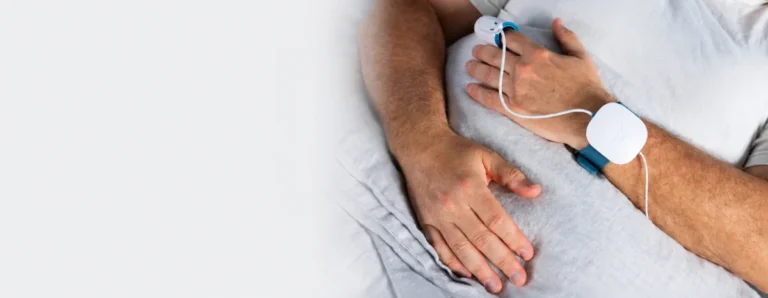










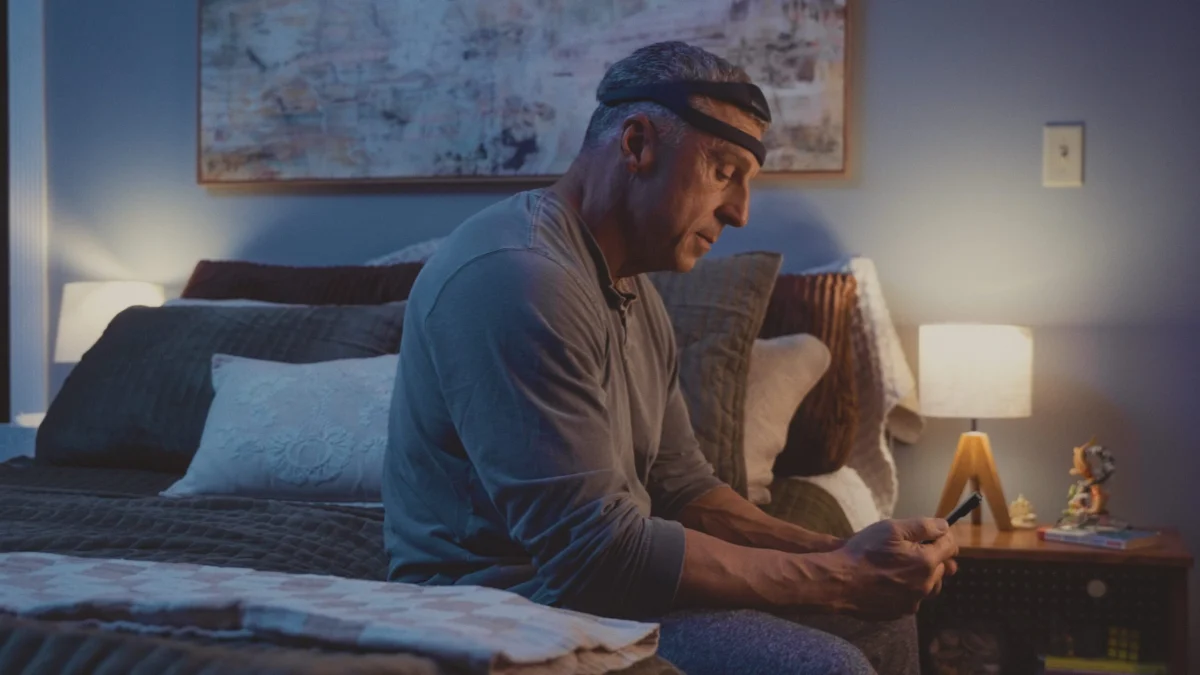
In a strategic move set to reshape the landscape of sleep medicine, Beacon Biosignals, a leader in AI-driven neurophysiology, has announced the acquisition of Snap Diagnostics, a prominent national provider of home sleep testing (HST). By integrating Snap’s expansive logistics and clinical infrastructure with Beacon’s FDA-cleared EEG technology and artificial intelligence, the company intends to decentralize sleep diagnostics, bringing laboratory-grade brain activity monitoring into the homes of patients across all 50 states.
This acquisition marks a pivotal shift in how sleep disorders—and potentially broader neurological conditions—are diagnosed and managed. Starting in 2027, the combined entity aims to bridge the gap between primary care, telehealth, and specialized sleep medicine, effectively democratizing access to neurophysiological insights that were previously confined to clinical sleep labs.
The Core Acquisition: A Strategic Alignment of Infrastructure and Innovation
The acquisition of Snap Diagnostics is more than a simple expansion; it is a structural integration of technology and delivery. Snap Diagnostics has long functioned as a critical bridge for healthcare providers, offering an end-to-end service that removes the logistical burden of sleep testing from physicians’ offices. By shipping testing equipment directly to the patient, managing the billing process with Medicare and commercial insurers, and coordinating results interpretation via qualified sleep professionals, Snap has provided a vital service for primary care physicians (PCPs) and telehealth providers who lack in-house sleep expertise.
Beacon Biosignals, meanwhile, has been at the forefront of "digital neurophysiology." Its FDA 510(k)-cleared Waveband headband represents a significant technological leap over traditional respiratory-focused home sleep tests. While standard HST devices primarily track airflow and oxygen levels to identify obstructive sleep apnea (OSA), the Waveband headband monitors brain activity directly. This EEG-based approach captures sleep fragmentation and architecture, providing a more granular understanding of why a patient may be experiencing daytime fatigue or long-term health risks.
By folding Snap’s nationwide logistics network into its operations, Beacon plans to scale the deployment of the Waveband headband, moving it from the realm of clinical trials and specialty research into the standard of care for millions of Americans.
Chronology and Evolution of the Partnership
The trajectory of this acquisition reflects a broader trend in digital health: the transition from "pilot project" to "clinical utility."
- Foundation Phase: Beacon Biosignals established itself by partnering with biopharmaceutical companies to utilize EEG-derived biomarkers in clinical trials. The focus was initially on neurodegenerative and psychiatric disorders, where precise sleep measurement is a surrogate for disease progression.
- Technological Validation: Beacon secured FDA 510(k) clearance for the Waveband headband, marking a critical milestone in proving that high-fidelity, home-based EEG monitoring could meet the regulatory standards required for clinical diagnostics.
- The Strategic Pivot (2024–2025): Recognizing that the greatest barrier to better sleep health is the scarcity of board-certified sleep physicians, Beacon identified the need for a national delivery channel. Negotiations with Snap Diagnostics began as a means to solve the "last mile" problem of diagnostic distribution.
- Integration and Future Roadmap (2025–2026): For the immediate future, Snap will operate as a subsidiary of Beacon, maintaining its brand and existing service workflows to ensure zero disruption to current clients.
- The 2027 Expansion: Beacon has targeted 2027 as the year for the full-scale rollout of EEG-enabled diagnostic services through the Snap network, signaling a shift toward a new standard of "neuro-inclusive" home sleep testing.
Supporting Data: The Scale of the Sleep Crisis
To understand the implications of this acquisition, one must look at the data surrounding the current state of sleep medicine in the United States.
Current statistics suggest that approximately one in three Americans suffers from chronic sleep-related symptoms. Despite this prevalence, the infrastructure for diagnosis is bottlenecked. There are only about 6,000 board-certified sleep physicians in the United States—a number grossly insufficient to address the needs of the millions of individuals suffering from OSA, insomnia, and other sleep-wake disorders.
The reliance on overnight, in-lab sleep studies (polysomnography) creates a significant access barrier. In-lab studies are expensive, logistically demanding, and often suffer from a "first-night effect," where patients fail to sleep naturally in a clinical environment.
By scaling home-based EEG monitoring, Beacon and Snap aim to address these inefficiencies:
- Increased Throughput: By offloading initial screenings to primary care providers, the system can identify high-risk patients earlier.
- Clinical Accuracy: EEG-based testing provides objective markers of sleep continuity, which are often missed by devices that only measure peripheral respiratory metrics.
- Cost Efficiency: By utilizing an accredited independent diagnostic testing facility (IDTF) like Snap, the combined entity can navigate the complexities of medical billing, reducing the out-of-pocket burden for patients.
Official Perspectives: The Vision for the Future
In a formal statement, Dr. Jacob Donoghue, CEO and co-founder of Beacon Biosignals, framed the acquisition as a necessary evolution of healthcare. "Sleep happens in the brain," he stated. "Measuring brain activity is essential to fully understanding sleep and its impact on health."
Dr. Donoghue emphasized that the company’s vision extends well beyond the current focus on obstructive sleep apnea. "We believe sleep diagnostics will soon extend well beyond sleep apnea, with the potential for at-home neurophysiology to help identify early signs of neurodegenerative disease and support more personalized psychiatric care."
The company is careful to frame this not as a replacement for sleep specialists, but as a symbiotic partnership. "By making sleep testing more accessible through primary care and other specialties, we can help identify more patients who need evaluation and connect them with the right care," Donoghue noted. "We see sleep specialists as essential partners in this effort, helping more patients benefit from their expertise and ensuring those with complex needs receive the specialized care they deserve."
Clinical and Market Implications
1. Bridging the Gap in Primary Care
The most immediate impact of this acquisition will be felt in the primary care setting. PCPs are often the first point of contact for patients complaining of fatigue, but they lack the tools to differentiate between simple sleep hygiene issues, OSA, and more complex neurological conditions. With a seamless, end-to-end service, a PCP can order a test that provides neurological data, allowing them to make more informed referral decisions.
2. The Future of Neurodegenerative Screening
The most disruptive potential lies in the use of EEG as a biomarker. As Beacon’s platform matures, the ability to monitor sleep architecture at home could provide clinicians with early warning signs for conditions like Alzheimer’s, Parkinson’s, and various psychiatric disorders. If sleep fragmentation can be tracked longitudinally, it could change how clinicians monitor the efficacy of new drug therapies in real-time.
3. Strengthening the Telehealth Ecosystem
Telehealth has revolutionized patient access, but it has been limited by the inability to perform diagnostic testing. By integrating into the telehealth workflow, the Beacon-Snap platform allows virtual providers to offer a level of clinical rigor previously reserved for physical clinics. This ensures that the convenience of a virtual visit does not come at the expense of diagnostic quality.
4. Regulatory and Operational Continuity
The decision to keep Snap Diagnostics as a subsidiary ensures that the existing relationships with insurers and healthcare networks remain stable. Because Snap is already a Medicare-registered independent diagnostic testing facility, the groundwork for reimbursement is already in place. This provides a clear, defensible pathway for the adoption of the Waveband technology, mitigating the risk of long, drawn-out negotiations with payers.
Conclusion: A New Era for Brain Health
The acquisition of Snap Diagnostics by Beacon Biosignals is a bellwether for the future of digital health. It represents a move away from siloed diagnostic devices and toward integrated, data-rich platforms that place the patient at the center of the care loop.
As we look toward 2027 and beyond, the success of this initiative will be measured by its ability to scale high-fidelity brain monitoring without compromising the quality of clinical oversight. By combining the logistical prowess of a national testing provider with the deep, AI-driven analytical capabilities of a neuro-tech firm, the industry is poised to finally unlock the secrets of the sleeping brain at a population level.
For the millions of Americans struggling with undiagnosed or poorly managed sleep disorders, this integration offers a promise of better outcomes, faster diagnoses, and a more personalized approach to the most fundamental human function: sleep.