










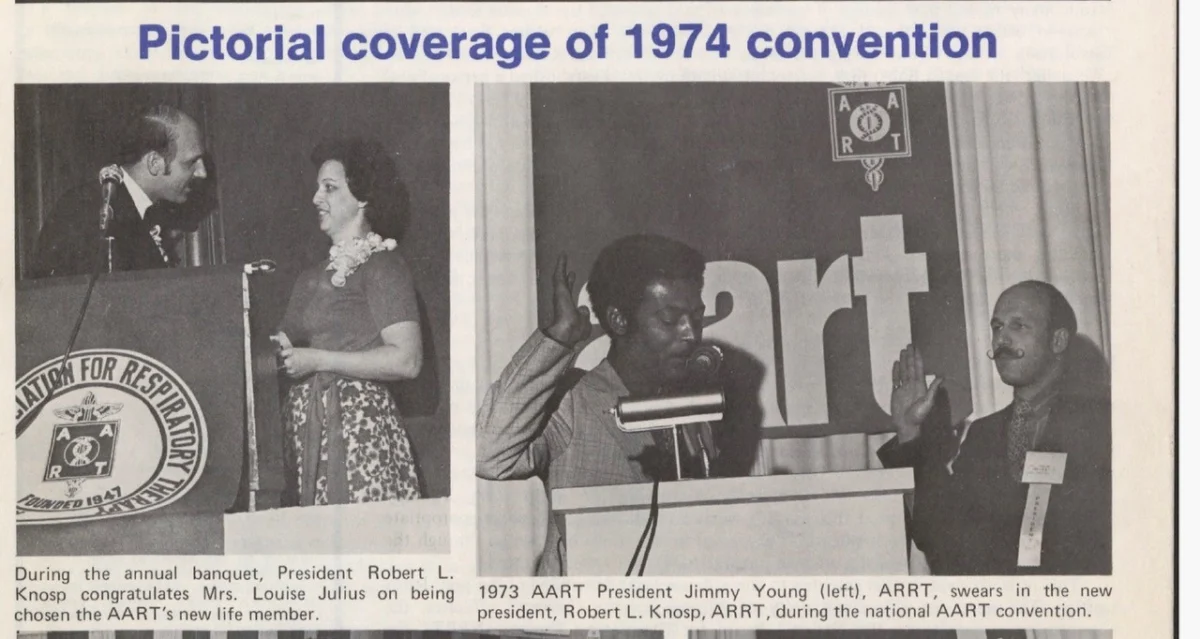
The landscape of respiratory care has been fundamentally shaped by visionaries who dared to look beyond the bedside and advocate for the systemic advancement of the profession. At the zenith of these honors stands the Jimmy A. Young Award, the highest distinction bestowed by the American Association for Respiratory Care (AARC). Named in memory of the late AARC president—a man whose life was synonymous with professional dedication—this award recognizes individuals whose contributions have left an indelible, long-term mark on the field.
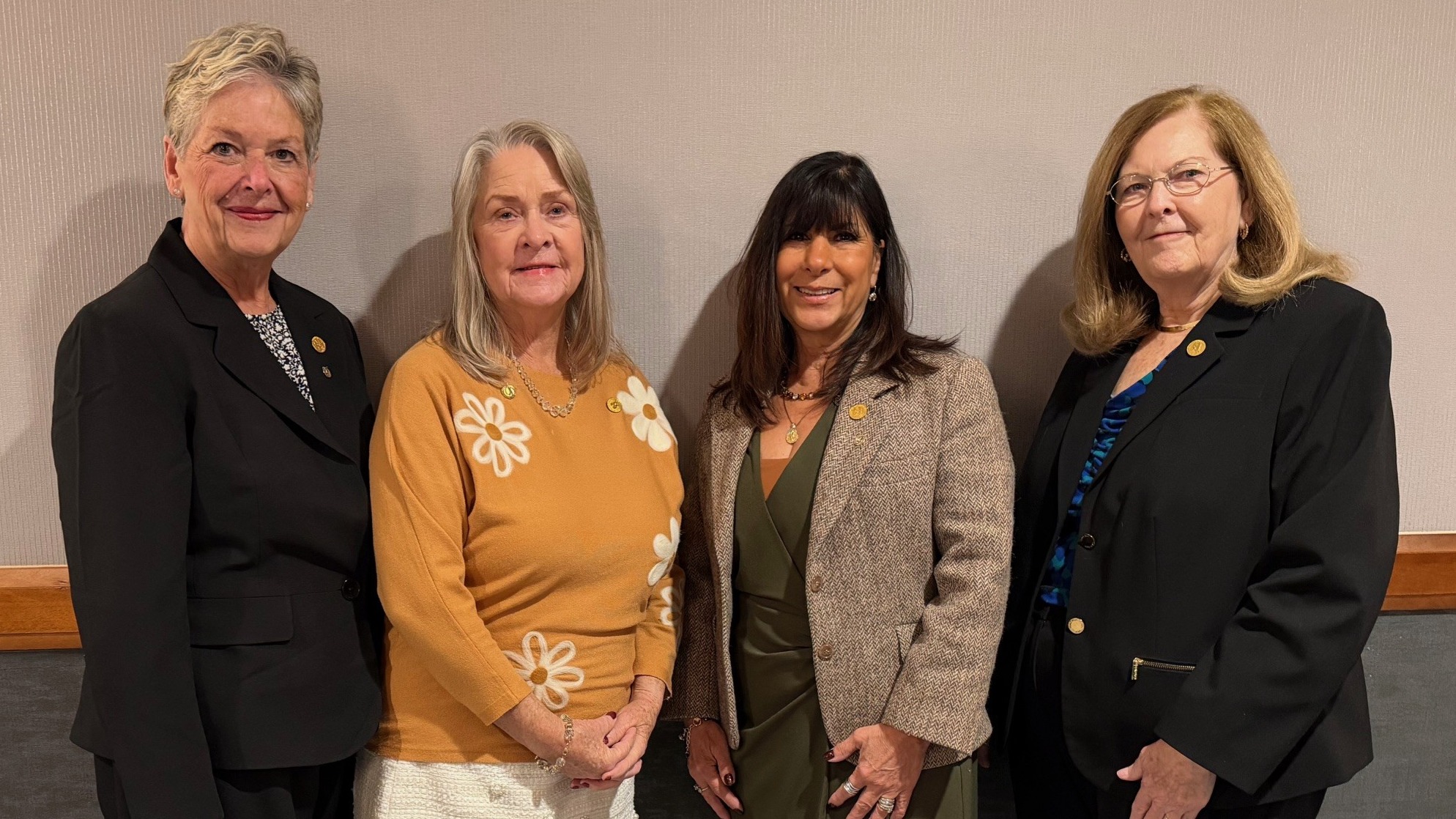
Recently, Lisa Weisenberger, AARC Director of Content and Communications, facilitated a powerful retrospective discussion with four of the five women who have earned this prestigious accolade: Dianne Lewis, MS, RRT, FAARC (2025); Trudy Watson, BS, RRT, FAARC (2018); Margaret Traband, MEd, RRT, FAARC (2011); and Teresa Volsko, MBA, MHHS, LSSBB, RRT, FAARC (2020). Joined in spirit by the memory of Louise Julius, who shared the honor with her husband, John, in 1988, these leaders explored the evolution of respiratory therapy, the shifting dynamics of gender in medicine, and the enduring nature of leadership.
The Genesis of Advocacy: A Chronology of Impact
To understand the weight of the Jimmy A. Young Award, one must look at the historical trajectory of these recipients. Their journeys did not begin in boardrooms, but rather in the trenches of clinical practice and local chapter advocacy.
From Local Societies to National Influence
For many of these pioneers, the path to national recognition started with a refusal to remain passive in their local state societies. Margaret Traband, who entered the AARC in 1972, recalls an era when the profession was still finding its identity. "We began with our state societies," Traband explained. "You don’t do it looking for what else you need to check off a list to get an award. You’re just moving ahead where you think you can do the most good."
This sentiment is echoed by Dianne Lewis, the 2025 recipient. Lewis’s career is a masterclass in foundational work. Her tenure in the House of Delegates and her subsequent leadership on the Clinical Practice Guidelines Steering Committee were instrumental in defining the modern scope of the RT. "My group wrote and published the first clinical practice guideline for the association," Lewis noted. This achievement was not merely academic; it was a cornerstone of patient safety that standardized respiratory care nationwide, ensuring that a patient in a rural clinic received the same evidence-based standard of care as one in a metropolitan teaching hospital.
The Evolution of the "Table"
The timeline of these women’s careers mirrors the integration of women into high-stakes medical leadership. In the mid-20th century, the medical field was heavily stratified by gender. Teresa Volsko, the 2020 awardee, provides a sobering look at the late 1970s. "In 1979, if you were invited to the table, you didn’t dare bring another woman up with you because there were only one or two seats," she reflected.
This environment necessitated a hyper-competitive posture. However, the subsequent decades have seen a paradigm shift. Today’s leaders emphasize that the scarcity of the past has been replaced by a culture of intentional elevation. "Now, we have the power to change that landscape from being competitive to really lifting each other up," Volsko added.
Supporting Data: The Changing Face of the Workforce
While respiratory therapy is now a profession with significant female representation, the transition to leadership positions was neither fast nor linear. Statistics analyzed during the retrospective underscore that while the workforce grew, the "glass ceiling" for executive roles remained rigid for decades.
The Demographic Shift
Historically, respiratory therapy was a male-dominated field, but that shifted rapidly in the 1980s and 90s. Despite this, executive-level boards and committee chair positions remained disproportionately occupied by men. Trudy Watson, the 2018 recipient, highlighted that the journey to the Jimmy A. Young Award for these women involved not only clinical mastery but also the endurance to survive in an environment that was often slow to recognize female expertise.
Addressing the Recruitment Gap
The current data presents a paradox for the profession. While Dianne Lewis pointed to a decade of massive growth and high demand for RTs, the recruitment pipeline remains a significant hurdle. "The challenge is finding the students to fill the seats in the classroom," Watson noted. This gap between the demand for respiratory care—exacerbated by aging populations and post-pandemic chronic respiratory issues—and the supply of new practitioners is perhaps the most significant challenge facing the AARC in the coming decade.
Official Perspectives: Lessons for the Next Generation
The retrospective served as more than a history lesson; it functioned as a mentorship guide for the next generation of respiratory therapists. The recipients condensed decades of experience into three core tenets for professional success.
1. Networking as a Professional Imperative
Trudy Watson emphasized that clinical skill alone is insufficient for those seeking to make a lasting impact. "Get involved so your name is known and you are trusted within your own organization," she advised. Watson suggests that visibility extends beyond the AARC; RTs should be active in organizations like the American Lung Association to build a cross-disciplinary network.
2. The Power of "Over-Preparation"
Margaret Traband’s advice is rooted in the rigorous intellectual culture of the 1970s, where "Journal Clubs" were the primary engine of continuing education. "Being over-prepared is status quo for most of us," Traband noted. In an era of misinformation, she argues that the RT must be the most well-versed individual in the room regarding pulmonary physiology and evidence-based interventions.
3. Leadership at the Bedside
Perhaps the most crucial message for younger therapists comes from Teresa Volsko, who challenges the idea that leadership requires a C-suite title. "Don’t let the fact that you have the title of a clinical respiratory therapist stop you from doing great things," Volsko stated. By leading at the bedside—through patient advocacy, protocol development, and mentoring peers—a therapist can exert more influence than a distant administrator.
Implications: Navigating the Post-Pandemic Landscape
The profession of respiratory care is currently navigating a period of intense pressure. The aftermath of the COVID-19 pandemic has left many practitioners dealing with burnout, moral injury, and the fatigue of being on the front lines of a global health crisis.
Addressing Burnout
Traband offered a poignant, deeply human perspective on the emotional toll of the job. "The further away you get from the bedside, the less positive reinforcement happens," she observed. The implication here is that the systemic structures of modern hospitals often isolate the clinician from the direct outcome of their work. Traband urges therapists to practice active reflection: "Take the time to reflect at the end of the day. Know that you’ve alleviated breathlessness and calmed patients. Steep in that moment."
The Future of the Profession
The Jimmy A. Young Award recipients agree that the future of the field depends on three pillars:
- Mentorship: The transition from a "one-seat-at-the-table" mentality to a collaborative model is essential for organizational health.
- Clinical Grounding: The rapid evolution of technology in ventilation and diagnostics must be balanced with a deep, fundamental understanding of lung biology.
- Advocacy: The profession must continue to push for greater autonomy and recognition in the multidisciplinary care team.
As these four women look back on their careers, their collective story is one of perseverance. They have moved from being pioneers in an under-recognized field to becoming the architects of a standard of care that saves lives every single day. The Jimmy A. Young Award is, for them, a reflection of a life’s work—a testament to the fact that the most impactful leaders are those who never lost sight of the patient, even while they were busy changing the world.
For the new respiratory therapist, the message is clear: The field is growing, the demand is high, and the opportunity to lead—whether from the bedside or the board of directors—is waiting. As Lewis, Watson, Traband, and Volsko have proven, the only requirement is a commitment to excellence and the courage to advocate for the change you wish to see.