











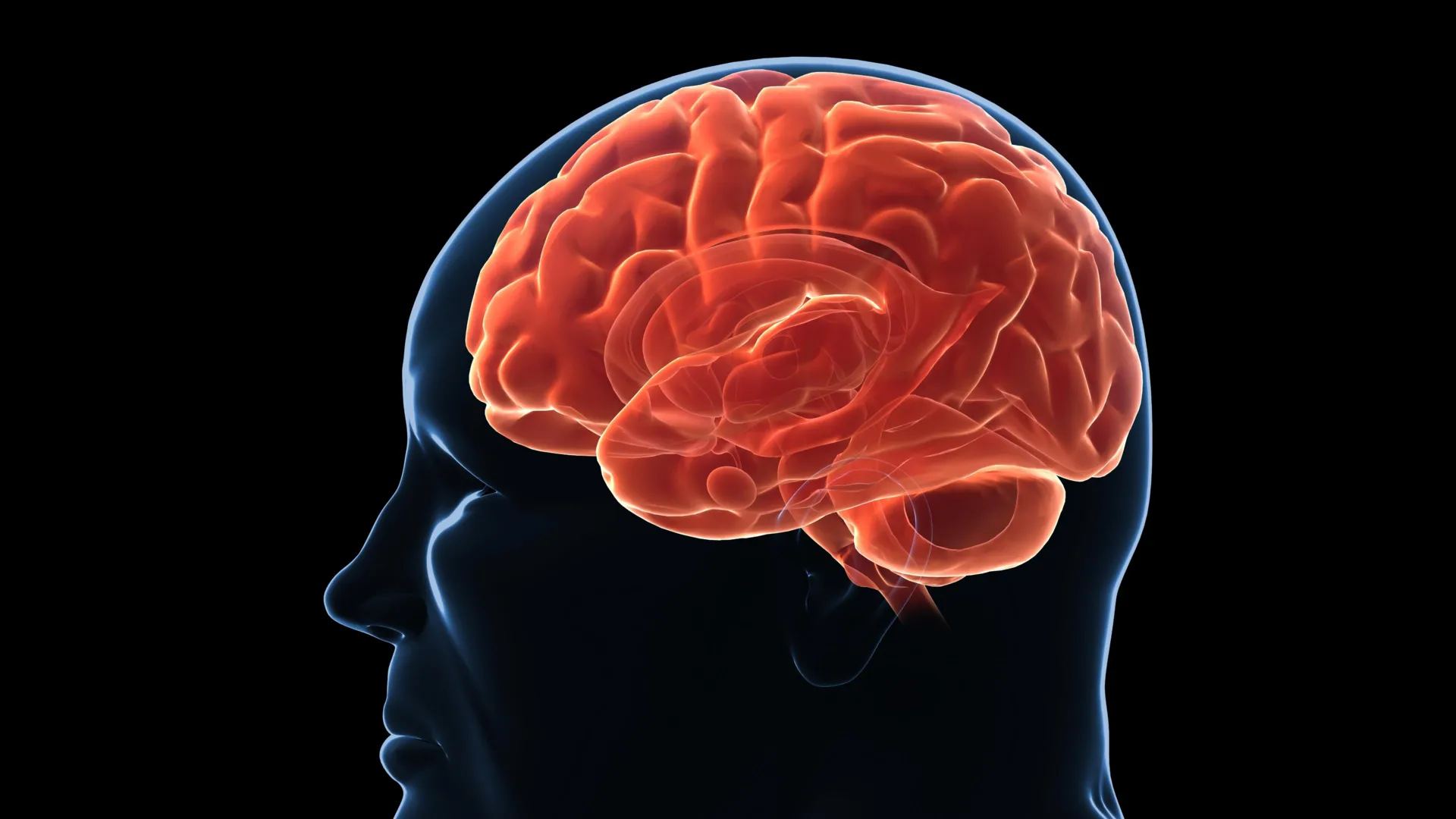
For decades, the public consciousness surrounding weight loss has been dominated by a singular, persistent mantra: "eat less, move more." It is a narrative of personal accountability, framing the struggle against obesity as a moral failing or a deficiency of willpower. However, modern clinical research is systematically dismantling this reductionist view. Emerging evidence suggests that weight management is not a simple equation of caloric intake versus expenditure, but a complex, biological phenomenon orchestrated by the brain—a system that is currently at war with the modern environment.
The Evolutionary Trap: Why Our Biology Fights Back
To understand the current crisis of obesity, one must look back hundreds of thousands of years. Early human ancestors existed in an environment characterized by scarcity. In such conditions, body fat was not merely a physical attribute; it was a biological lifeline. It provided the energy reserves necessary to survive periods of famine, illness, or migration.
Over millennia, the human brain evolved sophisticated, automated mechanisms to protect these energy stores. When food was scarce, the brain triggered survival signals to ensure that weight was preserved. In the Paleolithic era, this was an essential adaptation for survival. Today, however, we live in a "toxic" food environment—one defined by the ubiquity of hyper-processed, calorie-dense foods and sedentary lifestyles.
The biological systems that once shielded our ancestors from starvation now interpret weight loss as a direct threat to survival. When an individual attempts to lose weight through caloric restriction, the brain initiates a "defensive" counter-attack: hunger hormones (such as ghrelin) surge, food cravings intensify, and metabolic rate drops. This is not a lack of discipline; it is the body executing an ancient, evolutionarily conserved survival protocol.
The "Weight Memory" Phenomenon
Recent groundbreaking research has revealed that the human brain possesses a powerful, subconscious mechanism for "defending" body weight. The brain effectively maintains a "set point"—a preferred weight range that it perceives as the "normal" state for survival.
Crucially, this system is not static. If an individual gains weight and maintains that higher weight for an extended period, the brain begins to recalibrate. It starts to treat this higher weight as the new baseline, or "new normal." When the individual subsequently attempts to lose that weight, the brain views the reduction as an alarm state, compelling the body to return to the higher set point. This explains the high rate of recidivism in weight loss; it is the biological equivalent of a thermostat being reset, with the body actively working to restore the "correct" temperature it has been programmed to defend.
Supporting Data: The Biological Resistance
The clinical data supporting this "biological defense" theory is robust:
- Hormonal Volatility: Studies published in Nature confirm that weight loss leads to a measurable surge in ghrelin and a suppression of satiety hormones like leptin, creating a physiological environment that makes it nearly impossible to sustain restrictive dieting long-term.
- Metabolic Adaptation: Research consistently shows that as individuals lose weight, their energy expenditure decreases more than would be expected based on their new body size alone. The body becomes more "efficient," burning fewer calories to perform the same tasks, further stalling weight loss.
- Neurological Priming: Neuroimaging studies suggest that the brain’s reward centers become hyper-responsive to high-calorie food cues during periods of caloric restriction, essentially making the brain "crave" the very energy sources it is being denied.
Hacking the Biology: The Rise of GLP-1 Agonists
The realization that obesity is a physiological condition rather than a behavioral one has shifted the focus of pharmacology. The arrival of medications like Wegovy (semaglutide) and Mounjaro (tirzepatide) represents a paradigm shift. These drugs function by mimicking gut hormones—specifically GLP-1—which signal the brain to curb appetite and stabilize blood sugar.
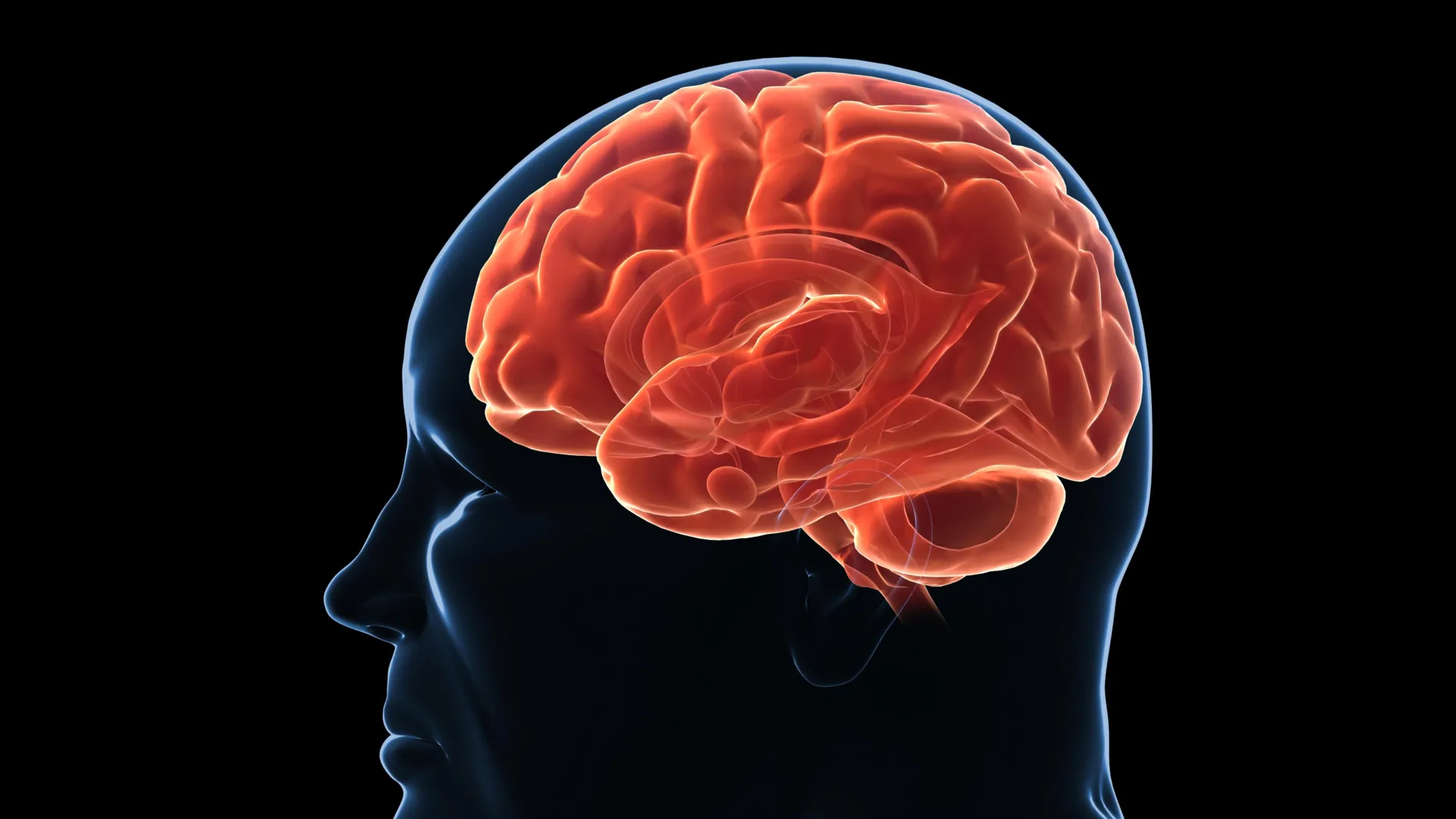
By directly interacting with the hypothalamus, these medications can effectively "hack" the brain’s hunger signals, allowing patients to adhere to lower caloric intake without the overwhelming biological pushback usually associated with dieting.
However, medical experts urge caution. These drugs are not a panacea. For many, the side-effect profile—ranging from gastrointestinal distress to issues with oral health—makes long-term adherence challenging. Furthermore, a significant subset of the population experiences "non-responsiveness," where the drugs fail to produce significant weight loss. Most importantly, the "rebound effect" remains a primary concern: in many cases, once the medication is withdrawn, the brain’s biological defense systems reassert their control, leading to rapid weight regain.
Future research is currently focused on developing "second-generation" therapies designed to reset the brain’s weight set point permanently, potentially allowing for lasting change even after the cessation of pharmacological treatment.
Redefining "Health" Beyond the Scale
A significant development in recent clinical guidelines is the decoupling of "weight" from "health." Medical researchers are increasingly emphasizing that metabolic health—characterized by blood pressure, cholesterol levels, insulin sensitivity, and systemic inflammation—is not solely dependent on a number on a scale.
Patients are being encouraged to shift their focus from weight-loss goals to sustainable, health-promoting habits. Regular physical activity, prioritized sleep, and balanced, nutrient-dense nutrition contribute to cardiovascular and metabolic improvements, even in instances where the scale remains stagnant. This approach reduces the psychological burden of "failure" often felt by patients and promotes long-term, sustainable wellness.
A Whole-Society Approach: Implications for Policy
The scientific consensus is clear: obesity is a systemic issue requiring systemic solutions. Because our biology is currently ill-equipped for the modern food environment, individual willpower is an insufficient defense. Experts argue for several key policy interventions:
- Early-Life Intervention: Research highlights that the period from pregnancy to age seven is critical for the programming of the body’s weight-regulation systems. Public health initiatives should prioritize maternal nutrition and infant feeding practices to set a healthy metabolic foundation.
- Environmental Design: Urban planning must prioritize "active transport"—creating neighborhoods where walking and cycling are the default rather than the exception.
- Regulatory Action: There is a growing call for standardized food labeling, stricter controls on the marketing of ultra-processed, calorie-dense foods to children, and the implementation of healthy meal standards in schools and public institutions.
Conclusion: A New Era of Understanding
The narrative of obesity is undergoing a profound transformation. We are moving away from the stigmatizing, inaccurate view of obesity as a failure of character and toward a sophisticated understanding of it as a complex biological, neurological, and environmental condition.
For those who have struggled with their weight, the latest science offers a message of validation: the difficulty you have experienced is not a lack of effort; it is the result of a formidable biological system designed for a world that no longer exists. While the brain may be a powerful opponent, the combination of emerging medical science, a more nuanced understanding of metabolism, and society-wide health policies is finally beginning to change the rules of the game. The path forward is not found in the rigidity of the crash diet, but in the integration of medical, biological, and environmental strategies that honor the complexity of the human body.