








By Shannon Firth, Enterprise & Investigative Writer
August 25, 2026
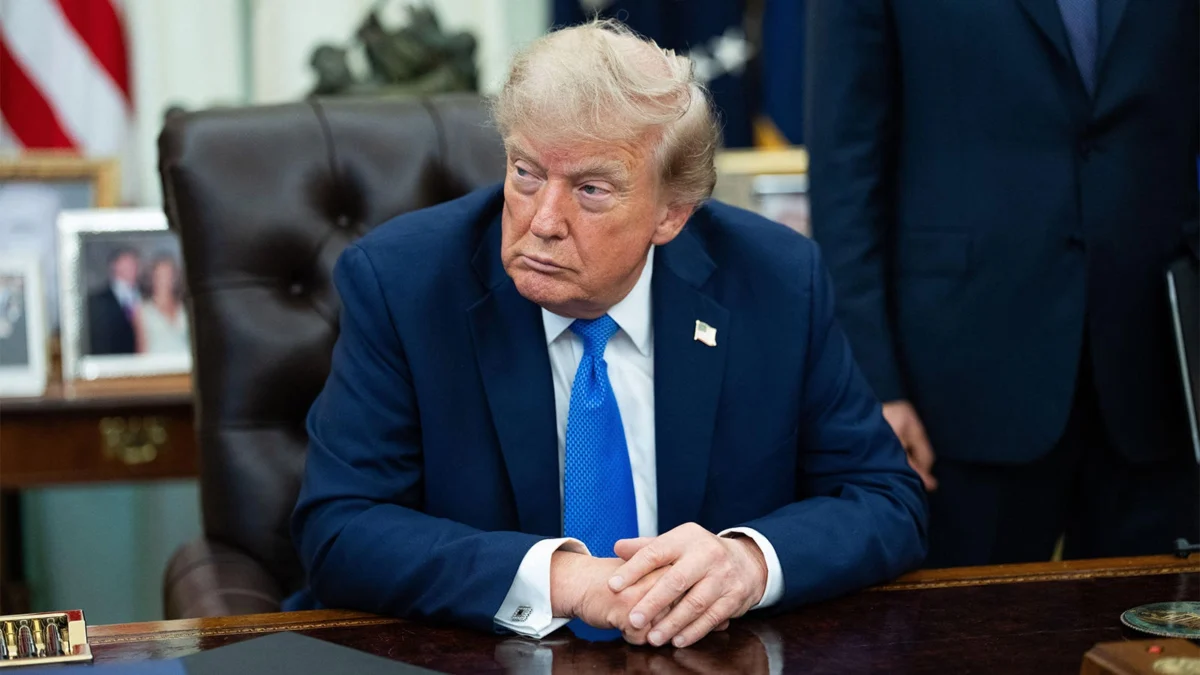
The Trump administration has reignited its aggressive push to restrict the influx of skilled foreign labor, unveiling a controversial draft rule on Tuesday that would impose a staggering $103,265 surcharge on certain H-1B visa petitions. The proposal, which marks a significant escalation in the White House’s efforts to curtail the program, targets the very pipeline that provides a critical portion of the American healthcare workforce, including thousands of practicing physicians.
If finalized, the regulation would represent a fundamental shift in the economics of international hiring. While the administration frames the move as a necessary measure to protect domestic employment, medical associations and industry analysts warn of a looming crisis in healthcare access, particularly for underserved rural and inner-city populations.
The Core Proposal: A Financial Barrier to Entry
The draft rule, published in the Federal Register, mandates that employers pay an additional $103,265 on top of existing filing fees for any H-1B petition subject to the congressionally mandated 85,000-visa cap. This includes the 20,000 visas specifically reserved for candidates holding master’s degrees or higher from U.S. institutions.
According to the Department of Homeland Security (DHS), the revenue generated from these exorbitant fees would be redirected to support the broader federal immigration system, specifically funding U.S. Immigration and Customs Enforcement (ICE) and the federal immigration courts.
Crucially, while the administration has offered exemptions for most U.S. colleges, universities, and nonprofit hospitals affiliated with academic institutions, the rule would apply to a vast swath of private medical practices and for-profit healthcare systems. Furthermore, unlike the president’s previous attempts to tackle this issue through executive action, this proposed regulation explicitly targets workers already living and working within the United States, potentially destabilizing the current workforce.
A Chronology of Policy Conflict
The road to this proposal has been paved with legal battles and executive overreach. The Trump administration’s preoccupation with the H-1B program is not new, but it has become increasingly combative over the last 18 months.
September 2025: The Initial Executive Order
In September 2025, President Trump issued an executive order aimed at curbing "systemic abuse" within the H-1B program. The order attempted to unilaterally raise application fees from the traditional $2,000–$5,000 range to a flat $100,000 per petition. The administration argued that the H-1B program had become a tool for displacing qualified American workers, asserting that the massive fee would force employers to prioritize domestic hires.
June 2026: Judicial Intervention
The 2025 order faced immediate pushback from legal scholars and professional organizations. In June 2026, U.S. District Court Judge Leo Sorokin of the District of Massachusetts issued a stinging rebuke of the administration’s strategy. Judge Sorokin ruled that the White House had fundamentally exceeded its executive authority, noting that the imposition of such fees amounted to an unauthorized tax.
"The Court finds that the Policy imposes a tax on H-1B petitions without the requisite delegation by Congress," Sorokin wrote in his ruling, which effectively halted the implementation of the higher fees.
August 2026: Regulatory "Doubling Down"
Undeterred by the court’s decision, the administration has pivoted to the formal rulemaking process. By transitioning from an executive order to a draft regulation, the White House is attempting to bypass the "lack of authority" argument by moving through the administrative procedures mandated by the Administrative Procedure Act (APA). The administration has also filed an appeal regarding the June ruling, though their request for an emergency stay on Judge Sorokin’s order was denied, leaving the current status of the program in a state of legal flux.
The Healthcare Workforce at a Crossroads
The implications for the U.S. healthcare system are profound. International Medical Graduates (IMGs) represent approximately 25% of the total physician workforce in the United States. They are disproportionately represented in primary care, psychiatry, and internal medicine—specialties already facing acute labor shortages.
Supporting Data: The Geographic Impact
A cross-sectional study published in 2025 underscored the degree to which the American healthcare infrastructure relies on the H-1B program. The research revealed that:
- Vulnerable Populations: Counties with the highest rates of poverty and the least access to medical facilities have the highest concentrations of H-1B sponsored physicians.
- Specialty Gaps: In many rural regions, foreign-born physicians are the only providers of specialized care, including mental health services and geriatric medicine.
- Economic Dependency: A sudden, $100,000+ increase in the cost of hiring a physician would likely render the recruitment of these professionals financially impossible for small, rural clinics that operate on thin margins.
Experts argue that if hospitals are forced to pay such massive premiums, they will simply stop recruiting international talent. The result would not be a surge in American hiring, but rather a contraction of services, leading to longer wait times, decreased access to care, and potential clinic closures.
Official Responses and Stakeholder Outcry
The reaction from the medical community has been one of alarm and caution. The American Medical Association (AMA) issued a statement on Tuesday confirming they are performing a comprehensive review of the draft rule.
"The AMA is deeply concerned about the potential impact of such a proposal on access to care," the organization stated. "International medical graduates are a critical component of the healthcare delivery system, particularly in rural and underserved areas. We must ensure that any policy changes do not undermine the stability of our medical workforce."
Meanwhile, the White House continues to defend the position that the program is being exploited to suppress wages for U.S.-born professionals. "The proposed rule will ensure that employers are incentivized to invest in the American workforce," a DHS spokesperson said in a brief statement. "We are committed to putting the interests of U.S. citizens first."
Labor advocates have also weighed in, with some supporting the administration’s goal of reducing wage suppression, though even some critics of the H-1B system have questioned whether a six-figure tax is an appropriate or effective mechanism for reform.
Implications: What Comes Next?
The proposed rule is now subject to a 30-day public comment period. This period is expected to be a flashpoint for debate, as healthcare providers, lobbyists, and immigration advocates prepare to flood the regulatory docket with feedback.
The Legal Hurdles
Even if the administration manages to finalize this rule, it is widely expected to face immediate legal challenges. The argument that the agency lacks the congressional mandate to impose such a massive fee remains the central pillar of the opposition. Legal experts suggest that the "tax vs. fee" debate will once again take center stage in federal court, likely resulting in further injunctions.
The Workforce Talent Drain
Beyond the courtroom, there is the issue of talent retention. The global market for physicians is highly competitive. If the U.S. creates a hostile environment characterized by financial uncertainty and extreme administrative burdens, high-skilled workers may look toward other nations, such as Canada or the United Kingdom, which are actively seeking to recruit medical professionals to bolster their own healthcare systems.
A Critical Window
As the current executive order is set to expire on September 21, the administration is clearly attempting to bridge the gap between their previous policy and a more permanent regulatory fixture. For the thousands of physicians currently navigating the visa process, the next month will be defined by uncertainty.
The battle over the H-1B fee is no longer just a debate over immigration policy; it is a fundamental test of the government’s ability to balance nationalist economic priorities with the pragmatic, life-or-death realities of maintaining a functioning healthcare system. As stakeholders prepare for the upcoming comment period, the focus will remain on whether the administration’s drive for reform will ultimately come at the expense of the patients who rely on the very doctors it seeks to exclude.