







PHILADELPHIA — The resurgence of measles, a disease once considered eradicated in the United States, has claimed its first lives of the year. On Tuesday, Pennsylvania state health officials confirmed that two unvaccinated residents of Lancaster County have died from complications related to the highly contagious virus.
This tragic milestone marks a somber turning point in what has already become the most severe measles crisis in the United States since 1991. The deaths serve as a stark reminder of the lethal potential of a disease that many Americans have, until recently, viewed as a relic of the past. As health authorities scramble to contain the spread, the incident has reignited a fierce national conversation regarding vaccine hesitancy, public health infrastructure, and the fragile nature of herd immunity.
The Reality of the Crisis: A Chronology of Decline
The recent deaths in Lancaster County are not isolated incidents but rather the crescendo of a multi-year decline in public health protections. To understand the gravity of the current situation, one must look at the trajectory of the virus over the last several years.
The Erosion of Herd Immunity
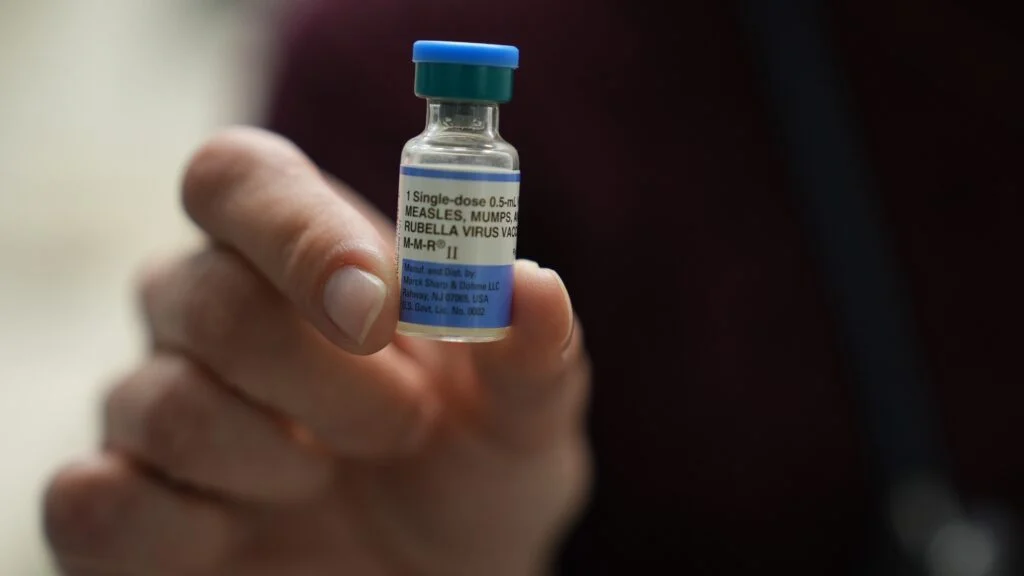
In 2000, the United States was declared to have eliminated indigenous measles transmission. This success was achieved through decades of rigorous public health efforts and a commitment to the MMR (measles, mumps, and rubella) vaccine. To prevent outbreaks, a community must maintain a vaccination rate of at least 95%. For over twenty years, the U.S. hovered near or above that benchmark.
However, the tide began to turn in the late 2010s, accelerated by the disruptions of the COVID-19 pandemic. As medical offices shuttered and public trust in healthcare institutions began to fray, routine childhood vaccinations plummeted.
A Record-Breaking Surge
The statistics for the current year are alarming. As of last Thursday, the Centers for Disease Control and Prevention (CDC) reported 2,777 confirmed cases of measles nationwide. This figure officially eclipsed the record-breaking 2,289 cases recorded in 2025—which itself was the worst year for the disease in more than three decades.
The progression has been rapid:
- 2023–2024: The U.S. began seeing localized clusters that quickly spiraled into regional outbreaks.
- Early 2025: Case counts began to climb at an exponential rate, prompting warnings from the CDC.
- Mid-2025: National case counts surpassed the 2,000-mark, signaling a systemic failure in preventative measures.
- Late 2025–Present: The mortality rate, which had remained low despite the case surge, saw its first victims. In 2025 alone, three individuals lost their lives to the disease, and with the two recent deaths in Pennsylvania, the human toll continues to mount.
The Pennsylvania Situation: A Unique Demographic Challenge
Lancaster County, the site of the recent tragedy, represents a unique demographic landscape. Known globally as the heart of Pennsylvania’s Amish community, the region presents complex challenges for public health outreach.
The Amish, a traditionalist Christian group, often maintain a degree of separation from modern secular society. This cultural distance frequently extends to medical interventions, including vaccines. While vaccination rates in the general Pennsylvania population remain relatively robust, specific pockets—including parts of Lancaster—have seen rates dip below the protective threshold. State data indicates that roughly 88% of kindergartners in Lancaster County were up to date on their measles vaccines during the last school year. While this figure is significant, it falls below the critical 95% threshold required to prevent community spread, creating "gaps" in the wall of immunity that the virus is now exploiting.
Pennsylvania health officials have reported nearly 400 cases within the state this year alone, reflecting the volatility of the outbreak as it moves through these less-protected networks.
Official Responses and the Burden of Responsibility
Following the announcement of the deaths, state and federal officials moved quickly to address the public, emphasizing the severity of the situation while expressing sympathy for the victims’ families.
Dr. Debra Bogen’s Urgent Call
State Health Secretary Dr. Debra Bogen issued a poignant statement on Tuesday. "My deepest sympathies are with the loved ones who are facing this unimaginable loss," Bogen said. "Because measles was largely eliminated in the Commonwealth for more than three decades, people are not familiar with this disease and don’t fully understand the potential severity of the illness."
Bogen’s words highlight a central issue in the current epidemic: the "loss of institutional memory." Because measles was absent for so long, a generation of parents has grown up without seeing the devastating consequences of the virus, such as encephalitis, pneumonia, and death. This distance from the disease has allowed myths and misinformation to take root, replacing scientific consensus with skepticism.
Supporting Data: The Widening Vaccine Gap
The situation in Pennsylvania is mirrored across the United States. Federal data released last week paints a concerning picture of the nation’s future:
- Declining Kindergarten Rates: Overall U.S. kindergarten vaccination rates saw a marginal but consistent decline last year.
- Record Exemptions: The share of children receiving non-medical exemptions for vaccinations has reached an all-time high. Whether driven by philosophical concerns or misinformation, these exemptions are the primary engine behind the loss of herd immunity.
- The 95% Benchmark: In many states, the percentage of schools meeting the 95% coverage requirement is dropping, leaving schools vulnerable to rapid, explosive outbreaks.
The CDC’s data suggests that the surge is not merely a result of imported cases, but rather a reflection of declining domestic immunity. When a virus is introduced into a community with low vaccination rates, it moves with terrifying speed, as measles is one of the most contagious diseases known to science—far more infectious than influenza or even COVID-19.
Implications: A Potential Loss of Status
The international community is now closely monitoring the United States. In November, global health organizations, including the World Health Organization and the Pan American Health Organization, are scheduled to meet to assess whether the U.S. and Mexico have officially lost their "measles-free" status.
What "Loss of Status" Means
Losing this designation would be a significant diplomatic and public health blow. It would signal to the world that the U.S. can no longer guarantee the control of a vaccine-preventable disease, potentially leading to:
- Increased Travel Restrictions: Other nations may impose stricter entry requirements for U.S. travelers.
- Increased Healthcare Costs: The financial burden of managing large-scale outbreaks, hospitalizations, and intensive care stays will strain an already burdened healthcare system.
- A Crisis of Credibility: The inability to manage a known, preventable virus damages the reputation of the U.S. public health apparatus, potentially hindering future efforts to combat other emerging pathogens.
Moving Forward: The Path to Restoration
The deaths in Lancaster County serve as a grim mandate for action. For public health officials, the path forward requires a two-pronged strategy: aggressive community engagement and a rededication to evidence-based policy.
Rebuilding Trust
Health departments are currently working to engage with community leaders in areas like Lancaster, moving away from mandates toward collaborative, culturally sensitive education. The goal is not to force compliance, but to provide the information necessary for families to make informed, life-saving choices.
The Role of Advocacy
Medical professionals and pediatricians are being urged to take a more proactive role in the exam room. The current crisis suggests that passive encouragement is no longer sufficient; physicians must address vaccine hesitancy with the same urgency as they would any other medical emergency.
As the winter months approach, the risk of respiratory illnesses increases. With the U.S. currently trending toward its most dangerous year for infectious diseases in decades, the story of the two lost lives in Pennsylvania must act as a catalyst for change. The nation stands at a crossroads: it can either recommit to the collective protection of its youngest and most vulnerable members, or it can watch as a once-defeated foe continues to reclaim ground, one community at a time.
The question remains: will the public take the necessary steps to restore the safety of the herd before the death toll rises further? For the residents of Pennsylvania and the nation at large, the answer to that question will have profound implications for the health of the next generation.