





Ayurveda, the ancient Indian system of medicine, has long regarded massage not merely as a luxury or a spa indulgence, but as a sophisticated clinical tool. With roots tracing back thousands of years, this healing modality is deeply embedded in the brhat trayi—the "Great Three" foundational texts of Ayurveda (Caraka, Sushruta, and Vagbhata)—as well as later authoritative works like Bhavaprakasha and Yogaratnakara. By bridging the gap between physical manipulation and energetic balance, Ayurvedic massage offers a holistic approach to maintaining, restoring, and optimizing human health.
The Foundations: Elements, Doshas, and the Philosophy of Touch
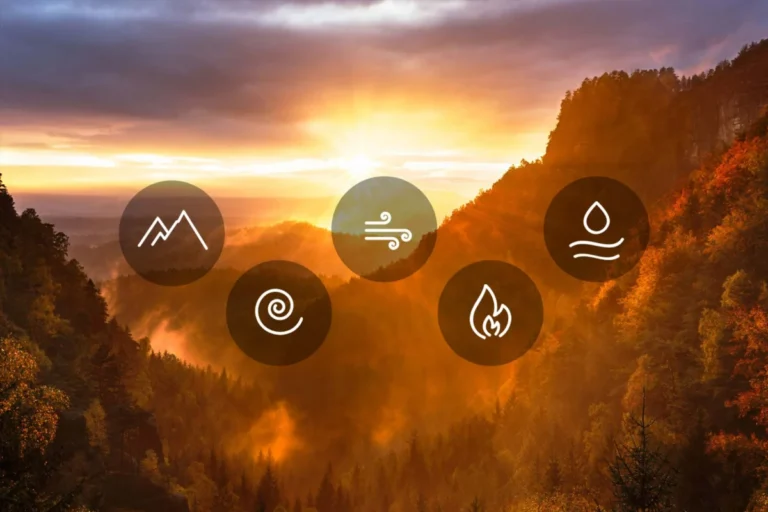
At the core of all Ayurvedic practice lies the understanding that the universe and the human body are composed of five great elements: space, air, fire, water, and earth. These elements coalesce into the three doshas, or biological humors, which govern every physiological and psychological process in the body:
- Vata: Composed of space and air, it governs movement and communication.
- Pitta: Composed of fire and water, it governs metabolism and transformation.
- Kapha: Composed of water and earth, it governs structure and lubrication.
Ayurvedic massage is governed by the principle of "like-increases-like" and the subsequent need to treat imbalances by applying the opposite qualities. For instance, if a person presents with high Vata—characterized by dryness, coldness, and instability—the practitioner will utilize warming, heavy, and grounding oils to pacify the system.
A Chronological Perspective: From Ancient Warriors to Modern Wellness
The application of massage in Ayurveda has evolved significantly throughout history, yet its core methodology remains remarkably consistent. In ancient Vedic times, these techniques were not restricted to medical clinics; they were integral to the daily lives of diverse societal strata.
Historically, massage was employed to prepare warriors and athletes for physical exertion, enhancing muscular resilience and agility. It served as a critical component of postpartum care, aiding in the recovery of mothers, and was frequently utilized for virilization. Over the centuries, the focus expanded from these specific, goal-oriented applications to a comprehensive system of preventative health care, now recognized globally as a cornerstone of integrative wellness.
Individualized Care: The Clinical Decision-Making Process
Unlike standardized Western massage protocols, Ayurvedic massage is highly individualized. A practitioner’s strategy is informed by a meticulous assessment of the client’s Prakruti (inherent constitution) and Vikruti (current state of imbalance).
Assessing the Body’s Ecology
Practitioners look for signs of Agni (digestive fire) and Ama (toxins). Ama is a critical consideration; if a client possesses high levels of metabolic waste, traditional oil massage is often contraindicated. Oil—being heavy, sticky, and unctuous—can exacerbate the accumulation of Ama. In such cases, practitioners turn to Udvartana, a technique involving dry, heated herbal powders that stimulate lymphatic flow and break down stagnation without the use of oil.
The Role of Infused Oils
The choice of carrier oil and its accompanying herbal infusion is a science unto itself. Sesame oil, with its deeply warming and heavy nature, is the gold standard for Vata-pacification. Conversely, cooling oils like coconut or sunflower are utilized for Pitta-dominant individuals to dissipate excess heat. For Kapha, light, heating oils such as mustard are preferred to cut through stagnation and stimulate circulation.
Special Considerations: The Mind-Body Connection
Samkhya philosophy, a key intellectual framework for Ayurveda, posits that the sense of touch (Sparshendriya) is inextricably linked to the air element. Because Vata is comprised of air and space, the mind—which is also associated with these subtle elements—responds profoundly to intentional, rhythmic touch.
This makes Ayurvedic massage a powerful intervention for mental health. By calming the nervous system and grounding the subtle energy of the mind, massage provides a buffer against anxiety and sensory overload. Furthermore, the practice nourishes the skin (Tvak), the body’s largest organ. By treating the skin with oils, one effectively feeds the deeper tissues, including muscles, bones, and organs, enhancing the resilience and "luster" of the body’s outer barrier.
Categories of Massage and Technical Modalities
Abhyanga: The Practice of Oleation
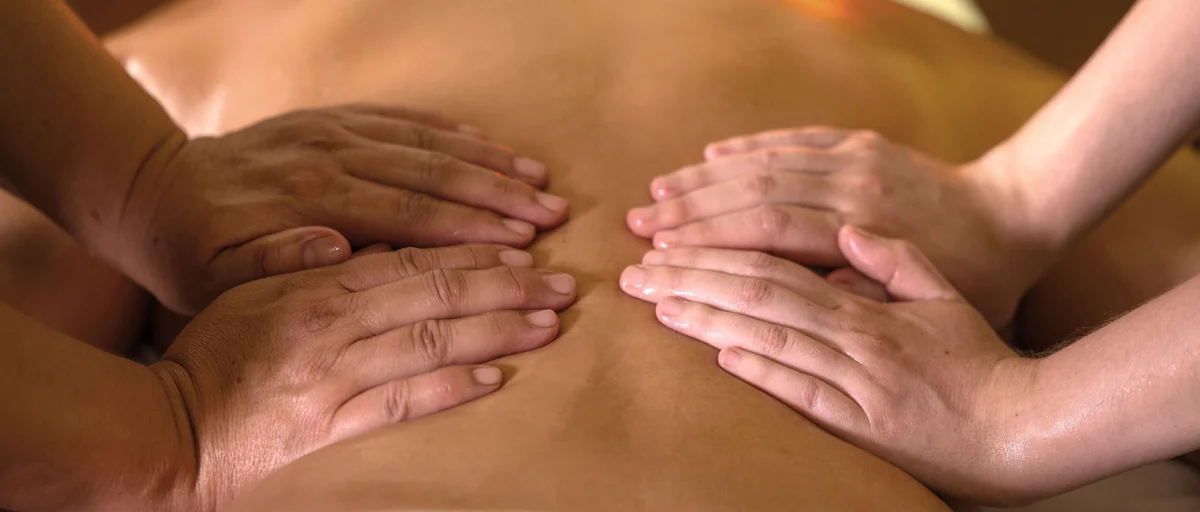
Abhyanga is perhaps the most iconic Ayurvedic massage technique. It involves the application of warm, herbalized oil to the body, either through self-massage or as a professional treatment. In specialized cases, such as Panchakarma (a deep detoxification process), Abhyanga is used in tandem with internal cleansing to mobilize and eliminate toxins from the deep tissues. The word Snehan (the Sanskrit term for oil) also translates to "love," reflecting the belief that the application of oil is a literal vibration of love and care transmitted to the recipient’s cells.
Specialized Techniques
- Udvartana: Massage with dry herbal powders to reduce excess Kapha.
- Udsadana: A cosmetic application of herbal powders for skin beautification.
- Udgarshana: The use of herbal pastes (herbs mixed with oil or water) to address specific skin conditions.
- Regional Therapies: Terms like Deha samvahana (whole body) and Kesha mardana (head massage) allow for targeted therapeutic intervention based on the patient’s specific needs.
Technical Precision: Strokes and Directionality
The direction of the stroke is not arbitrary. Practitioners utilize Anuloma (away from the heart) and Pratiloma (towards the heart) to achieve distinct physiological outcomes. Pratiloma is often used to stimulate lymphatic drainage and address issues like varicosity, while Anuloma is used for calming the nervous system and grounding Vata.
The repertoire of strokes is extensive:
- Garshana/Mardana: Friction-based techniques.
- Peedana: Kneading of the soft tissues.
- Udvesthana: Twisting or wringing motions.
- Praharana: Percussive techniques.
- Trashana: Long, rhythmic stroking.
- Sandhi Calana: Specialized joint mobilization.
Marma Therapy: The Energetic Frontier
One of the most profound aspects of the Ayurvedic repertoire is Marma therapy. Marmani are specific energy points where consciousness meets matter. By stimulating these points, which correspond to major organs, glands, and energy channels, a practitioner can restore the flow of Prana (vital life force). While similar in concept to Chinese acupuncture, the points in Ayurveda are often larger and utilize pressure-based stimulation rather than needles, making it an accessible yet potent form of energetic surgery.
Implications for Modern Integrative Health
The modern resurgence of Ayurvedic massage signals a shift toward personalized, preventative care. In an era of high-stress lifestyles and chronic, inflammation-based conditions, the ability to tailor a treatment down to the specific oil and stroke direction offers a level of precision rarely found in contemporary wellness.
As practitioners like Beatrice Voss, CAP, continue to bridge the gap between traditional Vedic knowledge and modern clinical settings, the potential for Ayurvedic massage to address complex mental and physical health concerns becomes increasingly clear. By viewing the body as a dynamic ecosystem governed by the elements, rather than a collection of static symptoms, Ayurveda provides a roadmap for long-term vitality.
Whether it is through the systemic soothing of Abhyanga or the targeted activation of Marma points, the science of intentional touch remains an essential, albeit ancient, pillar of holistic health that is arguably more relevant today than ever before. For those seeking to deepen their understanding, immersion into the "Healing Touch of Marma" and other advanced studies represents a move toward reclaiming our inherent, natural state of balance.