










In the modern digital landscape, the human body is subjected to a constant, repetitive cycle of micro-movements. From the rapid-fire keystrokes of a workday to the perpetual scrolling on handheld devices, our hands, wrists, and fingers are the unsung workhorses of our existence. Yet, while fitness culture frequently emphasizes the "big" muscle groups—hamstrings, hips, and the lower back—the delicate structures of our distal extremities are often relegated to an afterthought.
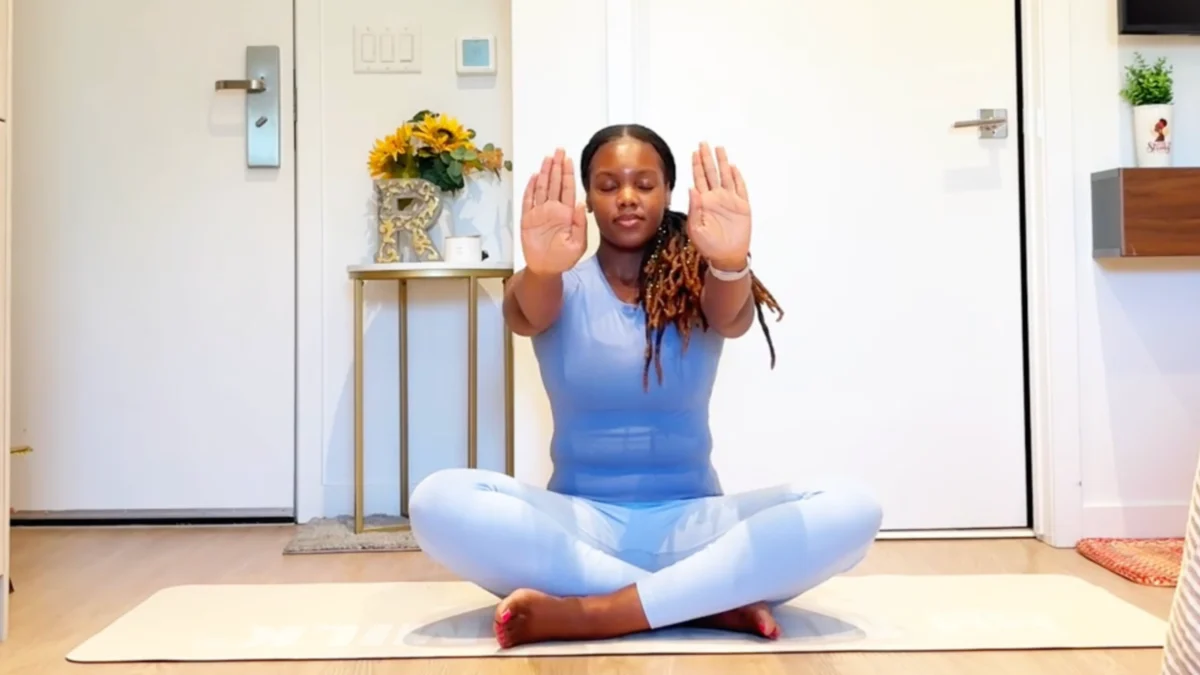
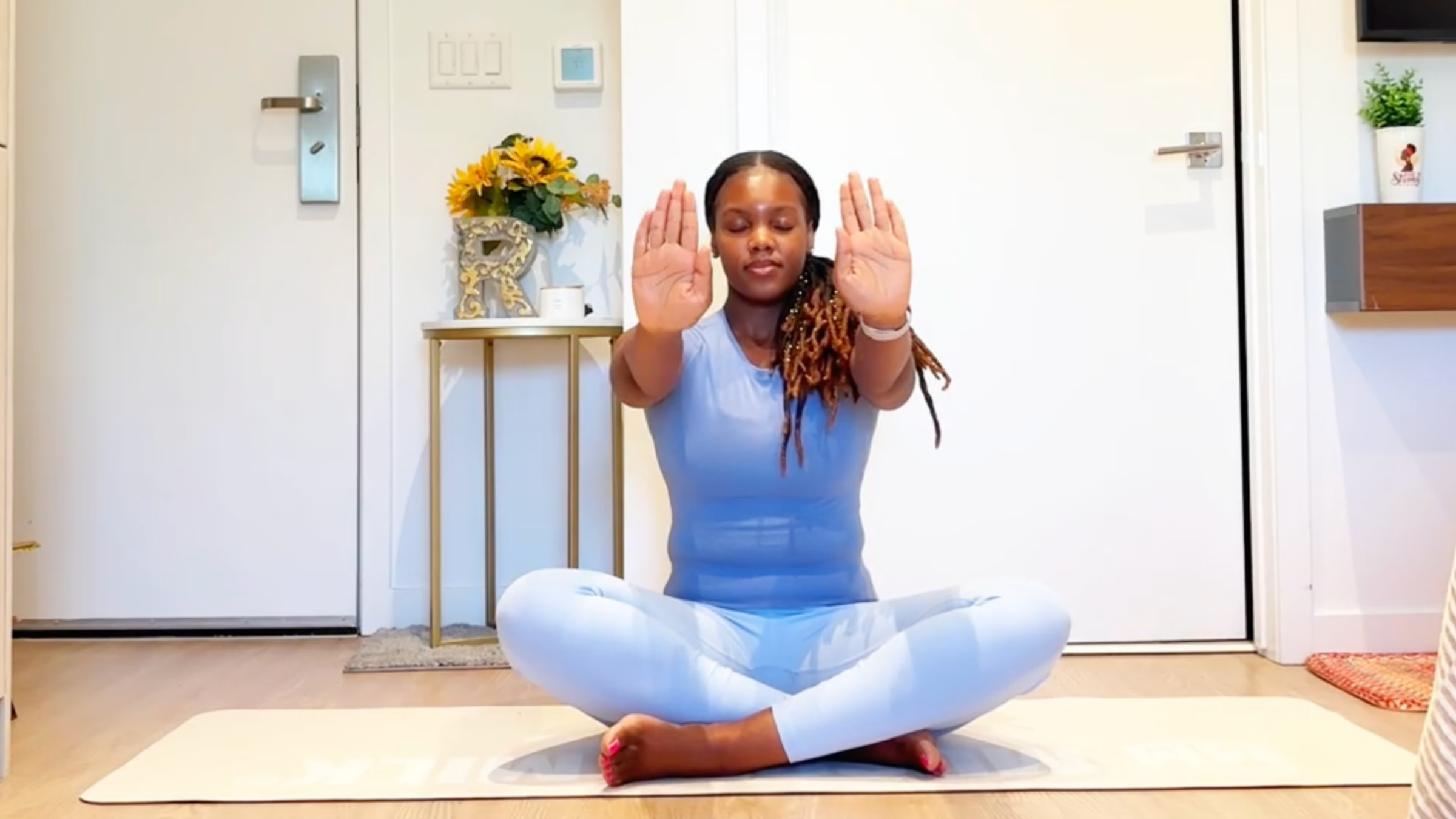
Ramoni Overton, a Los Angeles-based yoga instructor and creator of the popular Yoga With Ramoni platform, is on a mission to change this narrative. According to Overton, true physical well-being is found in the attention paid to the smaller details. Her latest initiative, a targeted five-minute yoga sequence for hand and wrist health, aims to combat the dull aches, stiffness, and long-term joint fatigue that plague many professionals in an increasingly desk-bound world.
The Anatomy of Digital Strain: Understanding the Need
The physiological demand placed on the hands and wrists is profound. These anatomical structures contain a complex network of tendons, ligaments, and small bones that are not designed for the repetitive, static posture of typing or "text-claw."
When we grip a steering wheel, carry heavy groceries, or maintain a high-plank position in a yoga class, our wrists are often held in extreme ranges of motion or under significant compressive load. Without intentional counter-stretching, this tension accumulates. Over time, this can lead to diminished range of motion and, in more severe cases, chronic conditions such as repetitive strain injury (RSI) or carpal tunnel syndrome.
"We tend to ignore these areas until they start to complain," says Overton. "The goal of this sequence is to intervene before that discomfort becomes chronic. By integrating just five minutes of targeted movement, we can maintain the elasticity of the connective tissue and promote better blood flow to the fingers and joints."
A Chronology of Movement: The Five-Minute Protocol
Overton’s sequence is designed to be accessible, requiring nothing more than a yoga mat and a few minutes of quiet. The progression of the routine is intentional, moving from simple mobilization to deeper, static stretching.
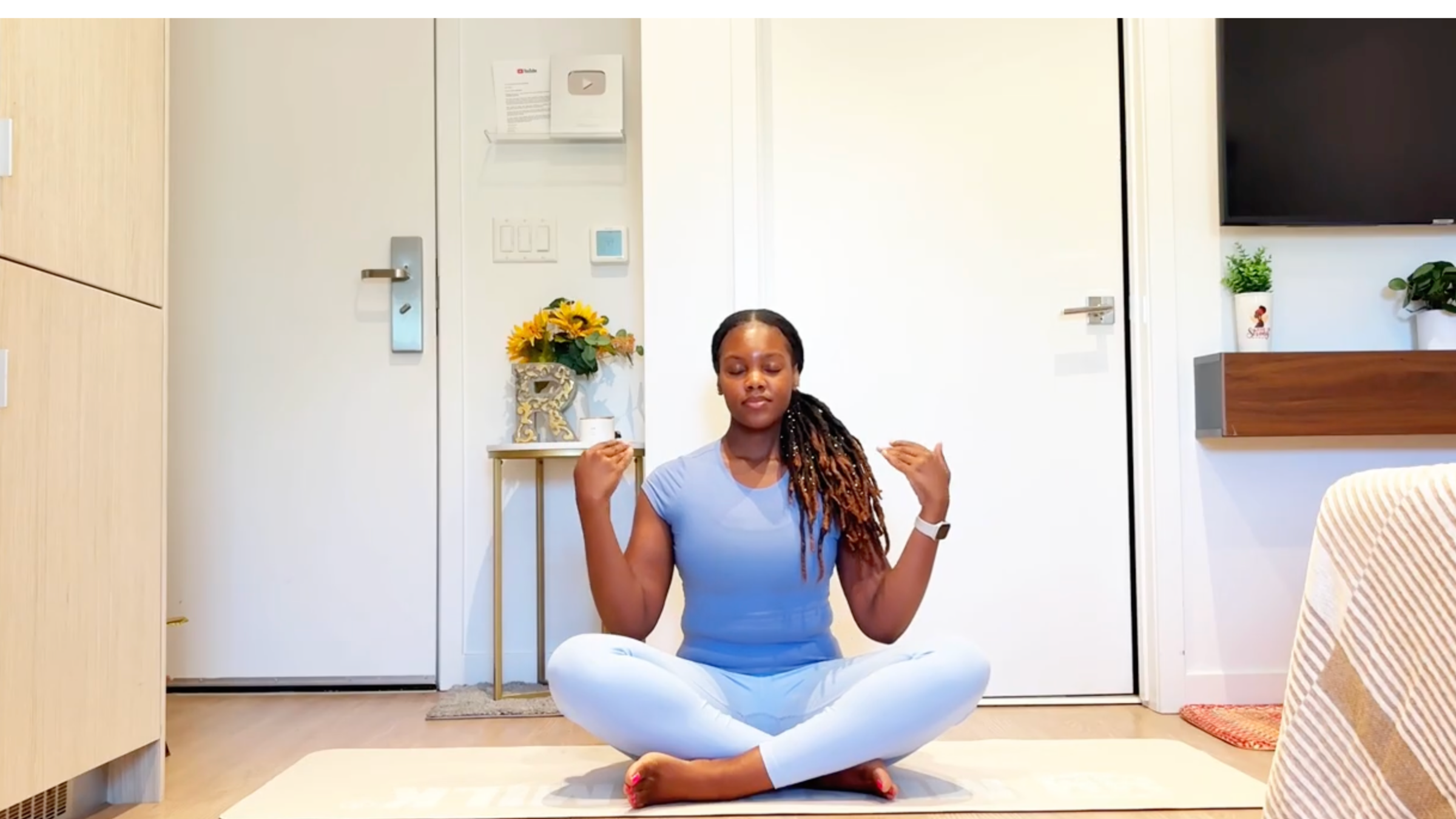
1. Hand Circles: Initiating Lubrication
The sequence begins with circular wrist rotations. By rolling the wrists in controlled, circular motions, the practitioner encourages the release of synovial fluid, which acts as a natural lubricant for the joint. Repeating this in both directions ensures that the full circumference of the joint is addressed, effectively "waking up" the area after hours of inactivity.
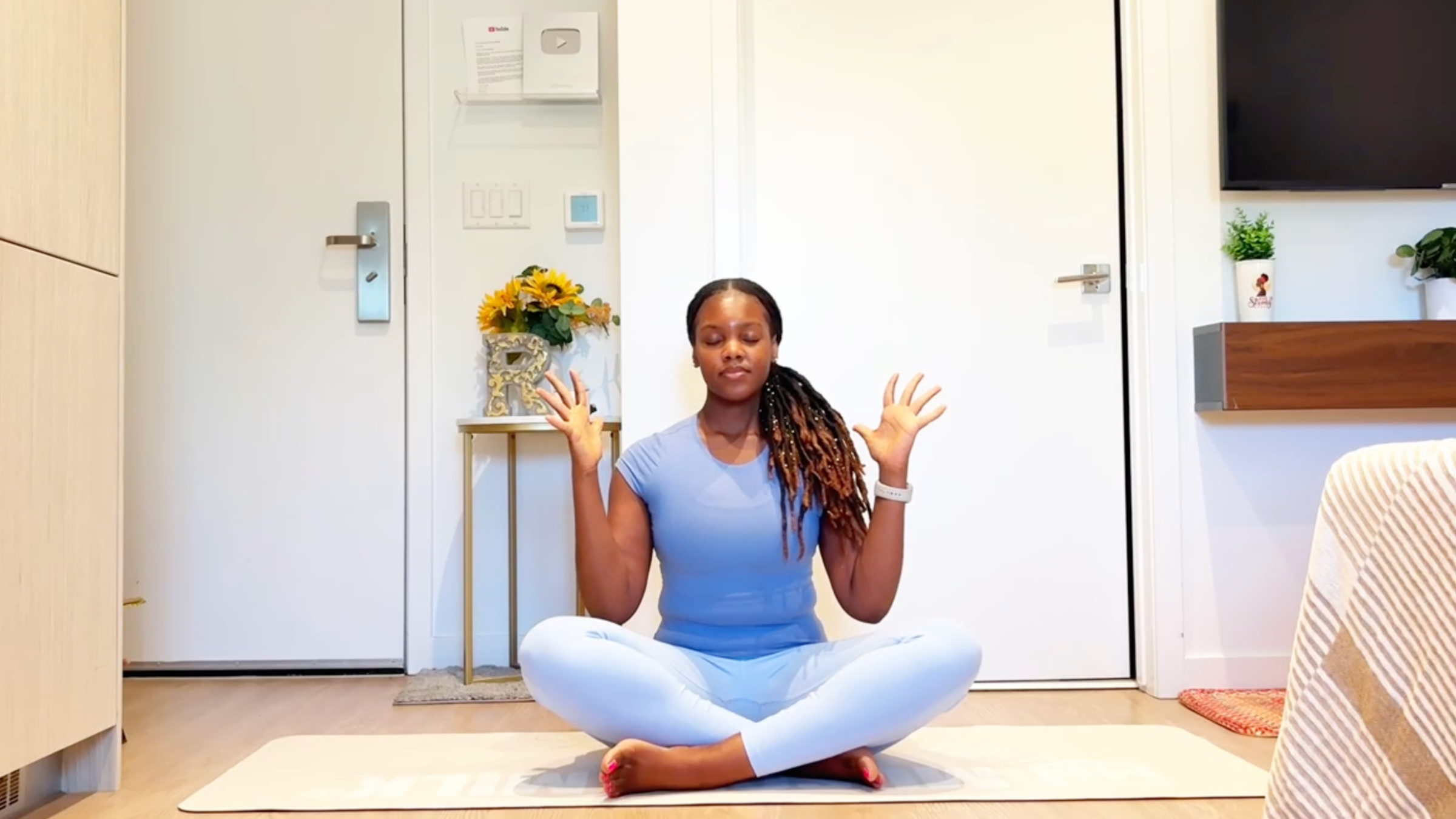
2. Hand and Finger Activation
Following the mobilization of the wrist, the focus shifts to the dexterity of the fingers. By alternating between tight, clenched fists and full, wide-spread extensions, the practitioner engages the extensor and flexor muscles of the forearm. This "pumping" action is vital for clearing stagnant fluid and reducing the stiffness often felt after hours of typing.
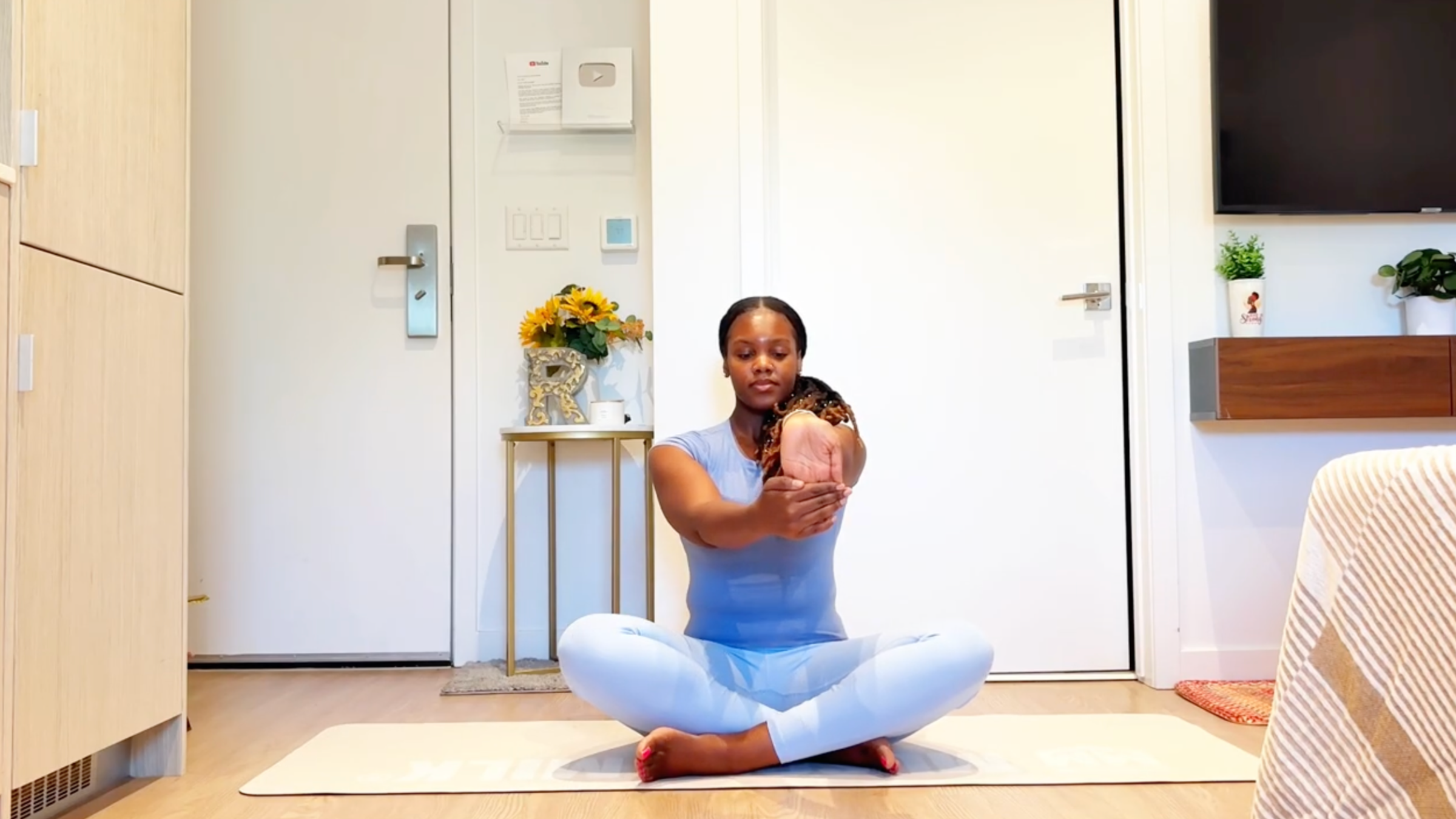
3. The Single and Double Wrist Stretch
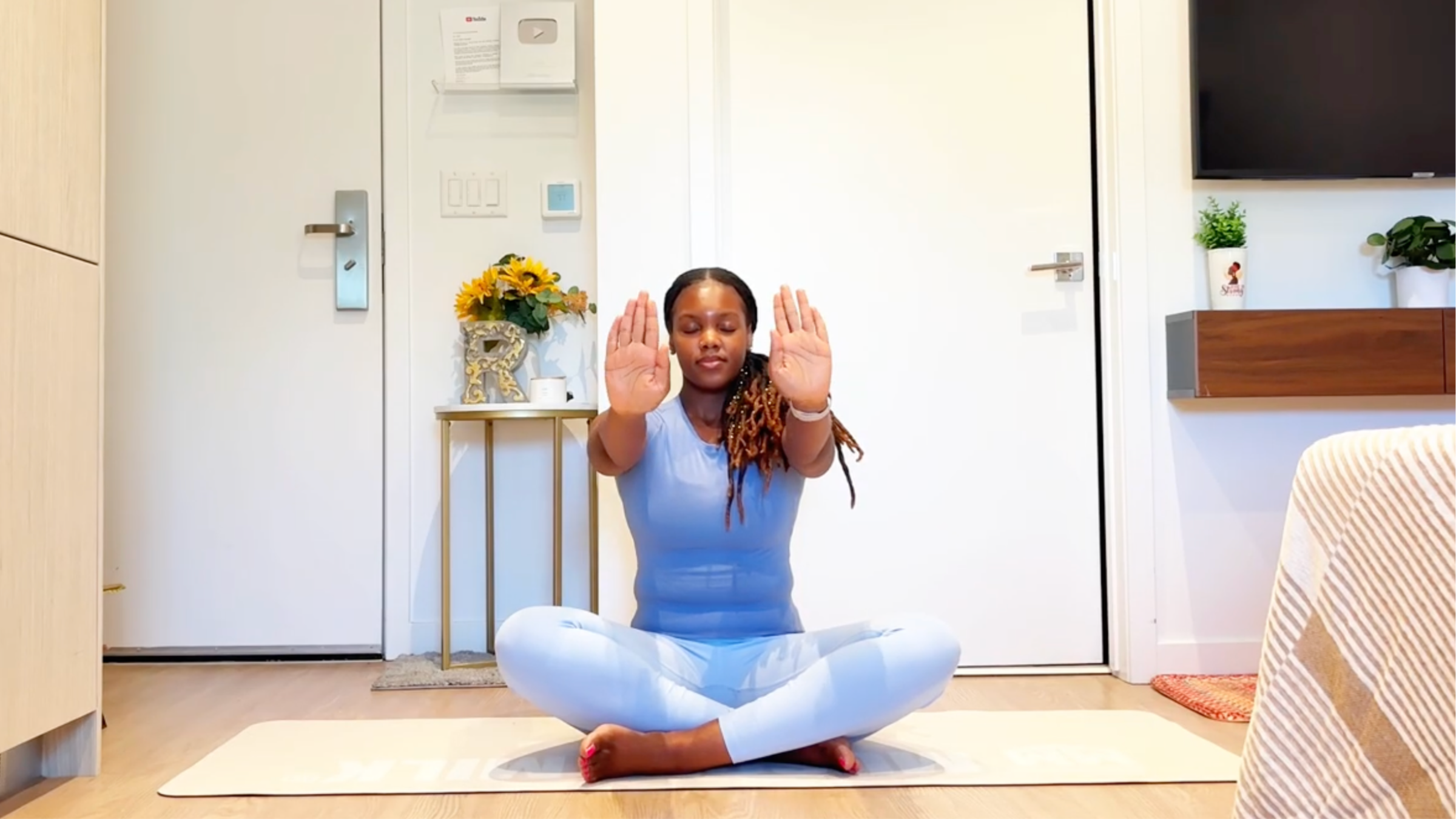
The middle of the sequence introduces deeper, guided stretches. By extending one arm and using the opposing hand to gently guide the fingers back, the practitioner isolates the wrist extensors. The "Double Wrist Stretch," which involves rhythmic transitions between palms-up and palms-down orientations, builds on this by encouraging a dynamic range of motion that mimics the functional movements required during daily activities.
4. The "Hands to Mat" Deep Release
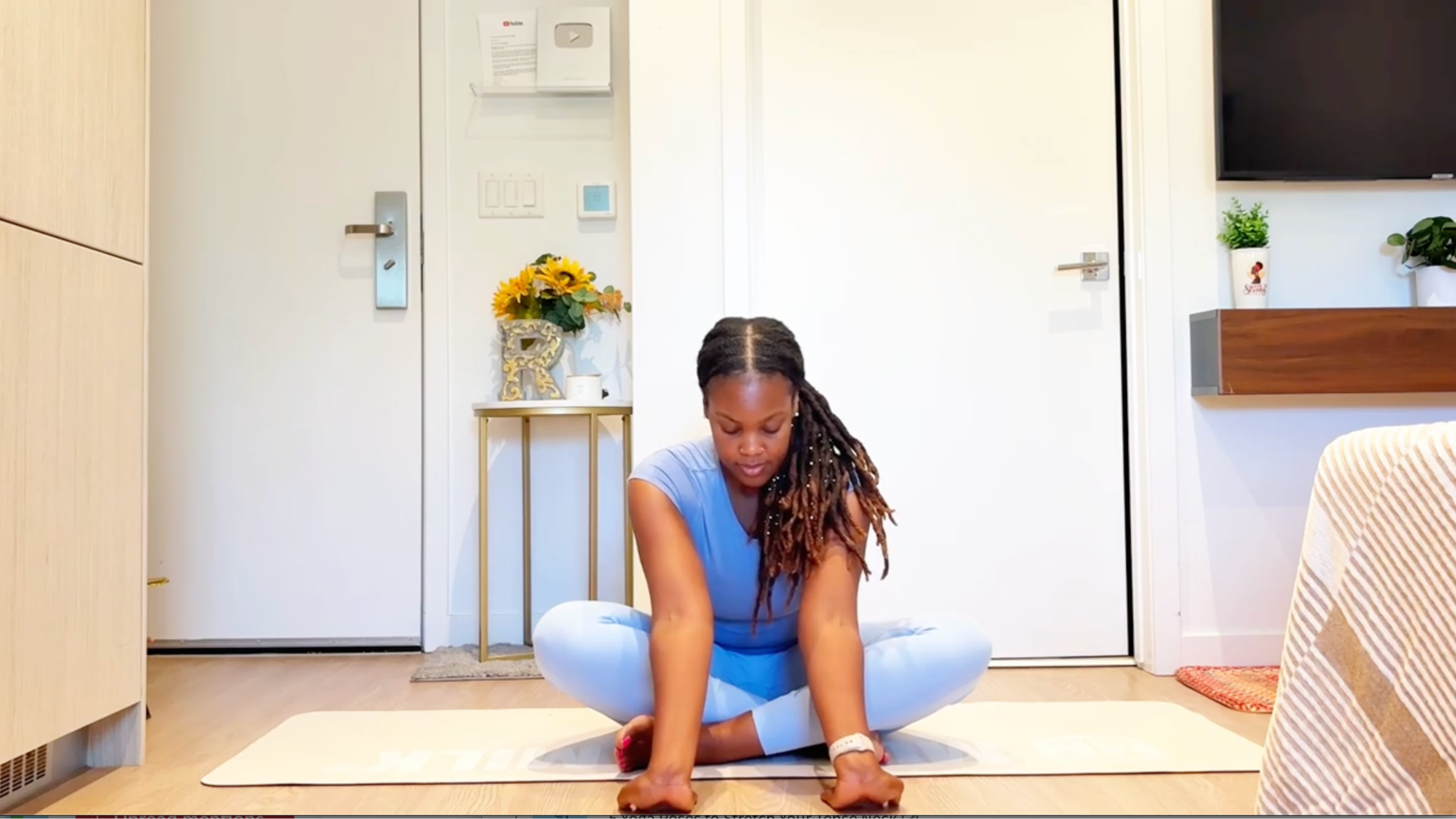
Perhaps the most intense portion of the routine, the "Hands to Mat" exercise requires the user to place their palms on the floor with fingertips pointing toward the body. This creates a deep stretch across the anterior forearm. A follow-up movement involves flipping the hands to rest on the backs of the wrists, providing a necessary counter-stretch to the repetitive inward-curling motion of daily desk work.
5. Individual Finger Decompression
The sequence concludes with a granular approach: stretching each finger individually. This is often where the most significant tension is found, particularly for those who spend extensive time on mobile devices. By isolating each digit, the practitioner can address specific areas of tightness that might otherwise be missed in generalized wrist stretches.
Supporting Data and Physiological Implications
The importance of hand health extends beyond simple comfort. Clinical research suggests that the nerves passing through the carpal tunnel are highly sensitive to the positioning of the wrist. Prolonged flexion or extension—common in poor typing ergonomics—increases intra-carpal pressure.
According to musculoskeletal health experts, regular, low-intensity stretching can improve the elasticity of the transverse carpal ligament. While yoga is not a replacement for medical intervention in cases of injury, it serves as a robust preventative measure. By increasing the blood flow to the distal extremities, practitioners facilitate the removal of metabolic waste products that accumulate in the small muscle groups of the hands, thereby reducing the sensation of "fatigue" that often sets in by mid-afternoon.
Professional Perspectives on Integration
The adoption of such a routine has broader implications for workplace ergonomics. Industrial hygienists often recommend "micro-breaks" for office workers, yet these breaks are rarely structured with specific physiological intent.
Overton argues that the mental benefits are as significant as the physical ones. "When you take five minutes to focus entirely on your hands, you are essentially grounding yourself," she notes. "You are moving from the high-speed mental state of digital work into a somatic, present state. It’s a reset button for the nervous system."
By weaving this practice into a daily rhythm—perhaps upon arriving at the office or before closing a laptop for the day—individuals can transform their relationship with their tools. Rather than viewing the keyboard or phone as an adversary that causes pain, the user becomes a conscious manager of their own physical maintenance.
The Future of Preventative Wellness
As technology continues to integrate further into our daily lives, the importance of "micro-wellness" will only grow. The trend toward remote work and the "always-on" nature of modern communication mean that we are spending more time than ever in fixed, unnatural positions.
Ramoni Overton’s protocol represents a shift toward proactive health management. Rather than waiting for the sharp, shooting pain of nerve impingement or the chronic ache of tendonitis, the modern professional is encouraged to view their hands as an essential, high-performance asset that requires consistent, daily care.
Key Takeaways for Practitioners:
- Consistency is Key: Much like any yoga practice, the benefits of hand care are cumulative. Five minutes daily is superior to an hour once a week.
- Listen to the Body: Stretching should never be painful. If a sensation is sharp or stinging, decrease the intensity.
- Contextualize the Routine: These stretches can be done at a desk, in a chair, or on a mat. There is no need for specialized equipment.
- Mindfulness Matters: Use these five minutes to disengage from screens and focus on the sensation of the stretch, which aids in mental decompression.
In conclusion, while the focus of yoga often remains on the larger kinetic chains of the body, the health of our hands and wrists remains a vital component of holistic wellness. By acknowledging the stress we place on these delicate structures and dedicating a brief window of time to their maintenance, we ensure that we remain capable, comfortable, and pain-free in an increasingly digital world. Whether you are an athlete, a writer, or a corporate professional, the message from practitioners like Ramoni Overton is clear: take care of the small things, and the big things will follow.