









By Gwendolyn Wu
Published August 26, 2026
In a milestone event that has sent ripples through the pharmaceutical industry and brought newfound hope to the oncology community, the U.S. Food and Drug Administration (FDA) has granted approval for Rasonque, a groundbreaking therapy developed by Revolution Medicines. The approval, arriving just one month after the completion of the formal submission process, marks a paradigm shift in the treatment of one of medicine’s most elusive and lethal targets: the RAS family of genes.
For decades, the "RAS" mutation—often referred to as the "Death Star" of oncology—was considered "undruggable." Revolution Medicines has not only proven that the target can be hit, but has done so with such clinical efficacy that the drug is already being hailed as a scientific triumph, positioning the company as a new titan in the biotechnology sector.
The Main Facts: A Breakthrough in Molecular Glues
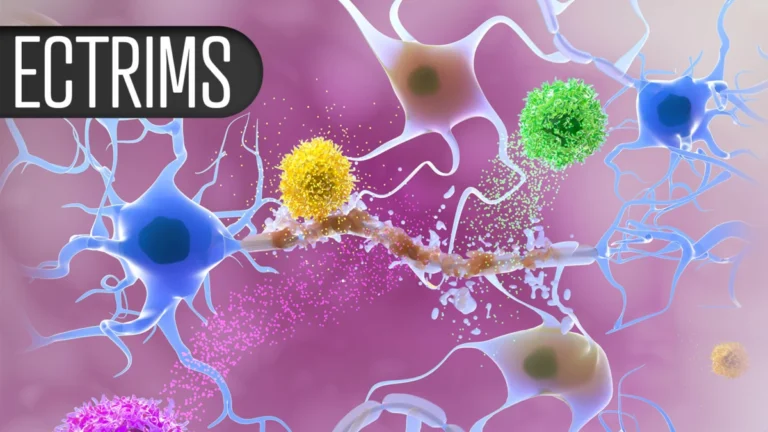
Rasonque is not a traditional targeted therapy; it utilizes a sophisticated "molecular glue" mechanism. By binding to specific proteins associated with RAS mutations, the drug effectively disables the signaling pathways that allow tumor cells to proliferate uncontrollably.
Unlike previous attempts to target KRAS mutations, which were limited in scope and struggled to gain significant market traction, Rasonque demonstrates a broader therapeutic utility. The speed of its regulatory approval reflects the FDA’s recognition of the drug’s potential to address a massive, unmet clinical need. With a market valuation now exceeding $45 billion, Revolution Medicines has effectively leapfrogged established large-cap biotechs, signaling a shift in investor confidence toward precision medicine platforms.
A Chronology of Scientific Success
The path to Rasonque’s approval was paved with consistent, high-impact clinical data that silenced early skeptics of the "molecular glue" approach.
- Early Development: Revolution Medicines focused its R&D efforts on overcoming the limitations of first-generation KRAS inhibitors. By targeting a wider array of RAS mutations, the company moved beyond the specific G12C mutations that defined earlier, less successful drugs.
- Spring 2026: The turning point occurred at the American Society of Clinical Oncology (ASCO) annual meeting. Data presented from a Phase 3 trial revealed that pancreatic cancer patients treated with Rasonque achieved a median overall survival of 13.2 months, nearly doubling the 6.7 months observed in patients receiving standard-of-care chemotherapy.
- Summer 2026: The clinical community, witnessing the results firsthand, responded with a standing ovation. Regulatory bodies took note of the "unprecedented" nature of these findings.
- August 2026: Following a rapid submission cycle, the FDA officially cleared Rasonque for use, triggering a massive rollout strategy.
Supporting Data: Why Rasonque is Different
The skepticism surrounding RAS inhibitors stemmed from the poor performance of previous entrants like Amgen’s Lumakras and Mirati’s Krazati. While these drugs proved that the target was accessible, they were limited by narrow patient populations and underwhelming sales figures.
Rasonque differentiates itself through its superior durability. In clinical trials, the drug showed significant benefits even in patients who lacked the traditional "RAS G12" mutations, suggesting a more versatile mechanism of action.
The Survival Gap
The survival data in pancreatic cancer is particularly staggering. As Revolution’s chief development officer, Alan Sandler, noted during a May 2026 interview, this was the first instance in clinical history where patients with advanced pancreatic cancer lived a median of more than one year on an experimental treatment. The statistical significance of this survival extension has provided the FDA with the necessary evidence to fast-track the approval process, prioritizing patient access over standard administrative timelines.
Safety Profile
While the drug is potent, it is not without side effects. Patients in the clinical trials frequently reported:

- Dermatological reactions (rashes)
- Gastrointestinal distress (diarrhea, nausea)
- Oral inflammation (stomatitis)
- General fatigue
Despite these adverse events, the benefit-risk ratio was deemed highly favorable by regulators, given the historical fatality rates of the cancers being treated.
Official Responses and Regulatory Outlook
The FDA’s Oncology Center of Excellence, led by Director Angelo de Claro, was unequivocal in its support. "This drug showed unprecedented results in an area of high unmet need," de Claro stated in the wake of the approval. This ringing endorsement from the regulatory body has bolstered confidence among oncologists who are now beginning to integrate Rasonque into their treatment protocols.
Across the Atlantic, European regulators are closely observing the U.S. rollout. The European Medicines Agency (EMA) is currently evaluating the therapy under a "phased review" process, which allows for iterative data submission. If approved in Europe, the revenue potential for Rasonque would expand significantly, likely cementing its status as a blockbuster drug within its first 18 months on the market.
Commercial Implications: A Lucrative Launch
The financial implications of this approval are profound. By early August, over 2,000 patients had already accessed the drug through "compassionate use" programs—a rare degree of pre-approval adoption that suggests intense demand from the medical community.
Analyst Projections
RBC analyst Leonid Timashev has provided a bullish outlook on the product’s commercial trajectory. He estimates:

- Q3 2026 Sales: $28 million.
- Q4 2026 Ramp-up: $148 million.
- End of 2027 Projections: $1.1 billion.
Timashev argues that the "impressive data" allows for premium pricing, a strategy that is expected to be sustainable as the company expands Rasonque’s label to include larger tumor types. Given the drug’s potential as a backbone therapy in oncology, its ceiling for long-term revenue is significantly higher than that of its predecessors.
Future Directions: Beyond Pancreatic Cancer
While the immediate success of Rasonque is tied to pancreatic cancer, Revolution Medicines is not resting on its laurels. The company is actively pursuing:
- First-line and Adjuvant Settings: Investigating the drug’s utility in earlier stages of cancer, where its impact could be even more curative.
- Non-Small Cell Lung Cancer (NSCLC): A major Phase 3 trial is already underway to determine if Rasonque can outperform existing standards of care in one of the most common cancer types.
- Combination Therapies: Researchers are exploring whether pairing Rasonque with immune-oncology agents could lead to even higher survival rates, effectively turning terminal diagnoses into manageable chronic conditions.
Conclusion: A New Era for Biotech
The success of Rasonque has fundamentally altered the competitive landscape. Earlier this year, rumors of a potential buyout—potentially involving industry giants like Merck—circulated throughout the markets. While those talks reportedly stalled, Revolution Medicines’ current market cap of $45 billion makes it a formidable independent player.
As the biotech sector continues to digest the "Rasonque effect," one thing is clear: the era of the "undruggable" target has officially ended. By delivering a drug that doesn’t just manage symptoms but extends life in a way previously thought impossible, Revolution Medicines has set a new standard for what a successful drug launch looks like in the 21st century. For patients battling these aggressive cancers, the approval is not just a regulatory victory; it is a lifeline.