










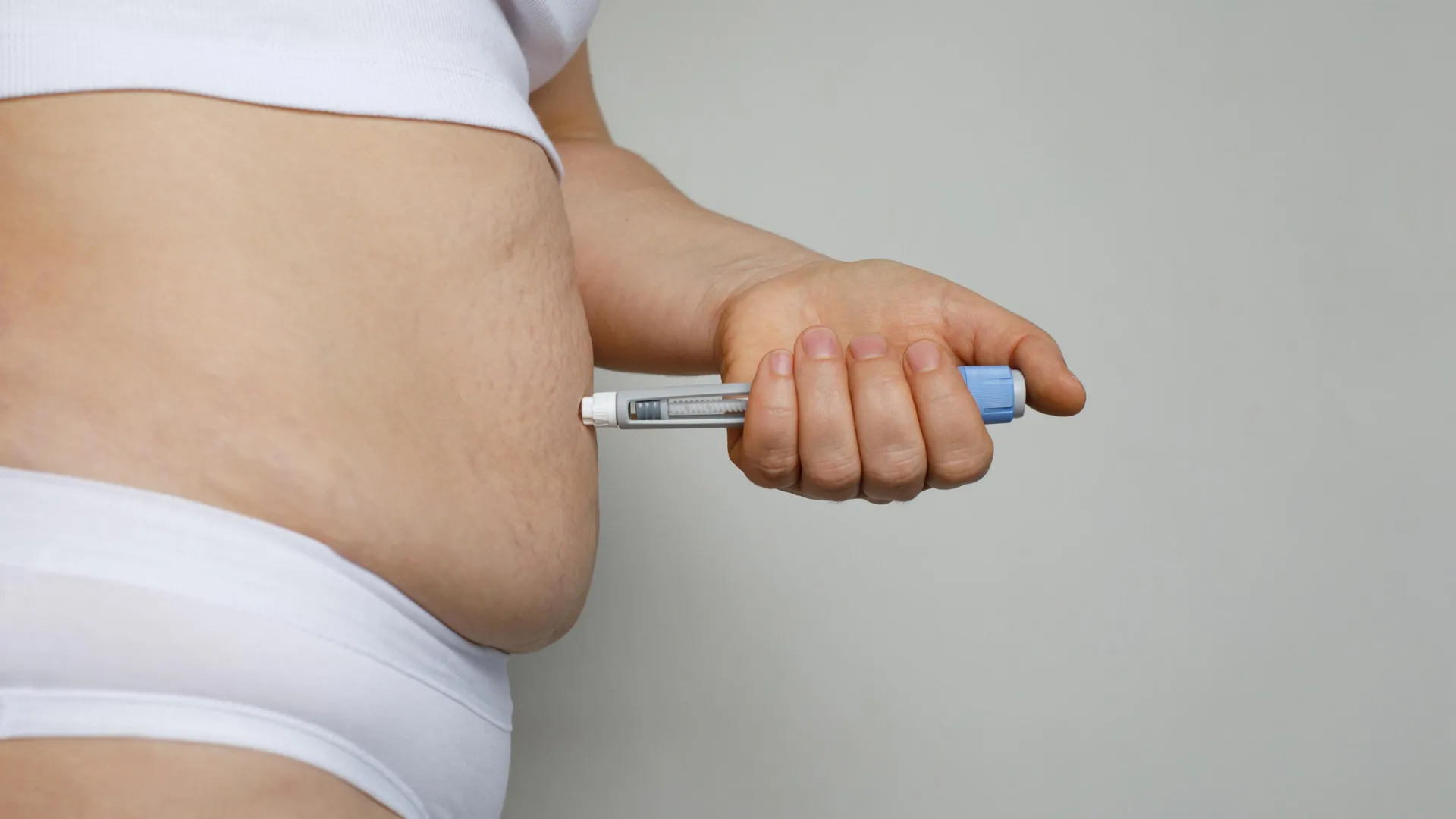
In the rapidly evolving landscape of metabolic medicine, a new class of pharmaceutical treatments—glucagon-like peptide-1 (GLP-1) receptor agonists—has emerged as a "gold standard" for treating obesity. Drugs such as semaglutide (marketed as Ozempic and Wegovy) and tirzepatide (Mounjaro and Zepbound) have transformed the lives of millions, facilitating unprecedented weight loss. However, as these medications surge in popularity, a counterintuitive trend has surfaced: patients are losing weight, but they are also losing their motivation to move.
According to new research presented Saturday at ENDO 2026, the Endocrine Society’s annual meeting in Chicago, patients utilizing these potent medications exhibited a statistically significant decrease in physical activity levels after beginning treatment. This discovery challenges the long-held assumption that shedding excess body mass naturally fosters a more active, mobile lifestyle.
The Study: Unpacking the Data
The study, led by Dr. Sajana Maharjan of HSHS St. John’s Hospital in Springfield, Illinois, provides a sobering look at behavioral shifts during pharmacological weight management. Utilizing the vast, comprehensive database of the National Institutes of Health’s All of Us Research Program, researchers synthesized electronic health records with real-world, objective data from wearable Fitbit devices.
The research cohort initially comprised 1,950 adults diagnosed with obesity who had been prescribed GLP-1 receptor agonists. After filtering for participants with sufficient wearable-device data to ensure statistical integrity, the final study population was narrowed to 753 individuals. The demographic profile of the participants—who were predominantly female (78.6%) with an average age of 52.7 years—provides a representative snapshot of the typical patient population currently seeking metabolic intervention.
By comparing longitudinal data from before and after the initiation of treatment, the researchers were able to quantify a clear, downward trajectory in physical movement.
Quantifying the Decline: A Shift in Daily Habits
The findings regarding physical activity were stark. The study tracked two primary metrics: average daily step counts and time spent in moderate-to-vigorous physical activity (MVPA).
Prior to beginning their medication regimen, participants averaged 5,047 steps per day. Following the initiation of GLP-1 therapy, that number plummeted to 4,487 steps. Similarly, time dedicated to moderate-to-vigorous physical activity—the type of movement most beneficial for cardiovascular health and metabolic maintenance—fell from an average of 28 minutes daily to just 22 minutes.
The decline was not uniform across all demographics. Researchers noted that the most significant reductions in activity occurred in male participants and those who reported pre-existing joint or muscle pain. Interestingly, the study found that factors often associated with physical limitations, such as age, heart failure, or a history of stroke, did not independently drive the decline, suggesting that the physiological or psychological effects of the medication itself may play a central role in this behavioral pivot.
The Biological Mechanism: Muscle Loss and Metabolic Trade-offs
To understand why patients are moving less, one must look at the specific physiological impact of GLP-1 agonists. These medications work by mimicking hormones that regulate appetite and satiety, effectively helping patients consume significantly fewer calories. However, rapid weight loss rarely targets fat mass exclusively; it often results in a secondary loss of lean muscle mass.
When a patient loses muscle mass, their physical capacity to engage in exercise decreases. This creates a dangerous cycle: as muscle strength wanes, physical activity becomes more difficult or uncomfortable, leading to further inactivity. This sedentary behavior, in turn, accelerates muscle atrophy, potentially negating some of the metabolic health improvements that weight loss is intended to provide.
Dr. Maharjan emphasized the criticality of this cycle during her presentation in Chicago. "Protecting muscle is a key part of healthy weight loss," she noted. Without a concerted effort to maintain muscle mass through resistance training and consistent movement, the "weight loss" achieved by these drugs may come at the cost of long-term functional mobility.
Implications for Clinical Practice
The findings from the All of Us dataset carry profound implications for how physicians prescribe and monitor GLP-1 therapies. Currently, the primary focus of these treatments is the reduction of BMI and body weight. The study suggests that this singular focus is insufficient.
A Call for Targeted Interventions
"While many assume that weight loss leads naturally to increased physical activity, our study suggests otherwise," Dr. Maharjan stated. This revelation shifts the burden of care. If patients are not naturally gravitating toward exercise as they lose weight, then exercise must be prescribed with the same rigor as the medication itself.
Clinical guidelines for patients on GLP-1s should ideally include:
- Mandatory Strength Training: To offset the loss of lean muscle mass inherent to rapid weight loss.
- Behavioral Monitoring: Utilizing wearable technology—as seen in the study—to provide patients with objective feedback on their activity levels.
- Physical Therapy Consultations: Particularly for those reporting joint or muscle pain, to ensure that exercise remains accessible and safe throughout the weight loss journey.
The Future of Metabolic Treatment
This study stands as the first large-scale analysis to utilize objective, wearable fitness data to examine the activity patterns of GLP-1 users. By moving beyond self-reported surveys, which are often subject to "recall bias," the research provides a candid look at how these drugs affect the daily lives of patients.
The findings serve as a wake-up call to both the medical community and the pharmaceutical industry. While GLP-1 agonists are revolutionary, they are not a "magic bullet" that replaces the need for healthy lifestyle habits. Instead, they act as a physiological platform upon which a healthier lifestyle must be built. If the patient becomes sedentary, the metabolic benefits—such as improved glucose control and cardiovascular risk reduction—may be compromised.
Conclusion: Exercise Cannot Be an Afterthought
The narrative that "if I lose weight, I will be more active" is clearly flawed in the context of pharmacological weight management. The evidence presented at ENDO 2026 suggests that the transition to a healthier weight is not a passive process.
For the millions of patients currently navigating the world of Ozempic, Mounjaro, and their counterparts, the message from the research is clear: exercise cannot be an afterthought. It must be an integrated, non-negotiable component of the treatment plan. As we look toward the future of obesity medicine, the goal must be "healthy weight loss"—a process that prioritizes muscle preservation and physical movement just as much as it prioritizes the reduction of body fat.
Without targeted interventions to encourage activity, we risk creating a generation of "skinny-fat" individuals who have achieved the scale weight they desired but lost the physical resilience necessary to sustain a long, healthy life. The medical community must now pivot to ensure that the medication is used as a tool to facilitate movement, not a replacement for it.