WASHINGTON — The fragile intersection of public health policy and political polarization reached a breaking point this week as the United States grapples with a resurgence of preventable infectious diseases. Following the announcement by Pennsylvania health authorities that two unvaccinated individuals had succumbed to measles-associated complications—the first such deaths in the state in over three decades—a high-stakes confrontation unfolded between federal health leadership and state governance.
The incident has laid bare a profound rift within the American medical establishment, pitting Department of Health and Human Services (HHS) Secretary Robert F. Kennedy Jr. against Pennsylvania’s Democratic Governor, Josh Shapiro. As measles cases climb across multiple states and school-year immunization rates fluctuate, the public is left to navigate a landscape of conflicting messaging, political blame-shifting, and a growing crisis of confidence in federal health institutions.
The Catalyst: A Deadly Outbreak and a Heated Exchange
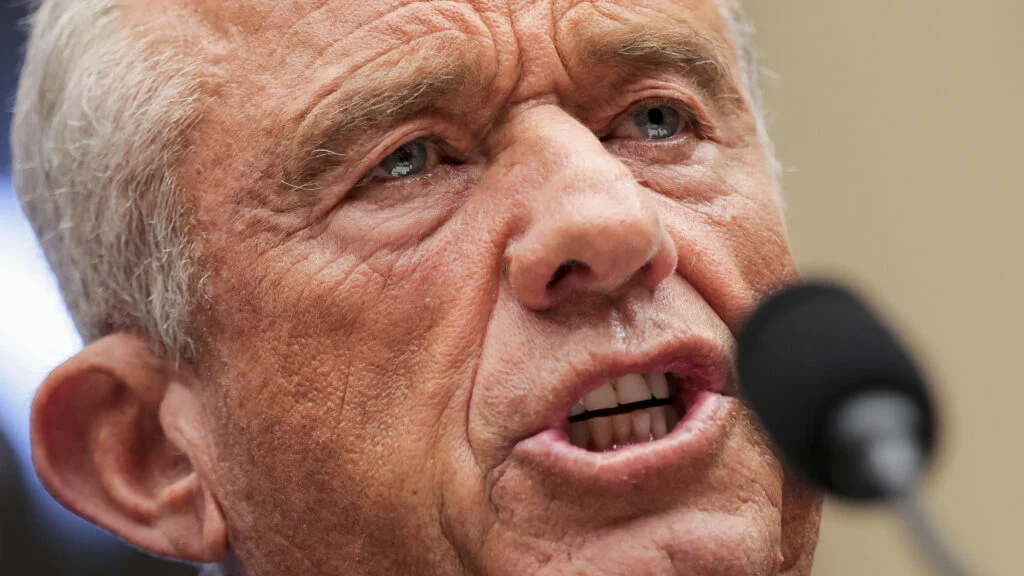
The tension reached a boiling point on Tuesday when, following the report of the two deaths in Pennsylvania, Secretary Kennedy contacted Governor Shapiro, purportedly to offer federal assistance in managing the outbreak. However, according to accounts provided by both parties, the conversation rapidly devolved from a professional inquiry into a hostile debate over the root causes of the crisis.
Governor Shapiro, addressing the press on Tuesday, was unequivocal in his assessment of the situation. "I was very, very blunt with him, and I made very clear his actions and his rhetoric coming from this administration are having a negative impact on communities across America, particularly right here in Pennsylvania," Shapiro stated. "There’s real-life consequences to spreading misinformation."
Shapiro’s critique centered on Kennedy’s long-standing skepticism regarding vaccine safety and efficacy—a platform Kennedy cultivated for years before his appointment to the Trump administration. The governor pointed to a series of comments made by Kennedy questioning the integrity of the combined measles, mumps, and rubella (MMR) vaccine, suggesting that such rhetoric undermines public trust and directly contributes to the decline in pediatric vaccination rates.
Chronology of a Mounting Public Health Challenge
The current friction is not an isolated event but the culmination of months of friction between the new administration’s health agenda and established public health protocols.
- Early 2025: As Kennedy took his post at HHS, his tenure was immediately marked by a pattern of behavior that prioritized skepticism over consensus. Throughout the spring of 2025, reports emerged of Kennedy downplaying the severity of measles outbreaks in Texas and elsewhere, often pivoting to address "nutrition and fitness" as superior alternatives to standard immunization.
- August 2026: As children prepared to return to classrooms, the situation grew dire. Measles outbreaks were confirmed in Maryland and Pennsylvania. On August 25, Pennsylvania health officials announced the tragic deaths of two unvaccinated residents, marking a grim milestone.
- The Tuesday Confrontation: Following the death announcement, the phone call between Kennedy and Shapiro served as the public ignition point for a larger debate.
- The Wednesday Rebuttal: By Wednesday, the conflict had fully spilled into the public sphere. While Kennedy made a brief appearance in Tampa, Florida, to speak on children’s health—urging vaccination in a seemingly contradictory move—he simultaneously faced fire from public health experts and political leaders alike.
The "Gaslighting" Accusation and the War of Words
Kennedy did not retreat from the confrontation. On Tuesday night, he utilized his personal X (formerly Twitter) account to accuse Governor Shapiro of "gaslighting." In a defiant post, Kennedy provided a link to The HighWire, a media outlet operated by anti-vaccine activist Del Bigtree, which is known for hosting content that contradicts mainstream medical science.
"As I told him, HHS does not tolerate misinformation by any employee," Kennedy wrote. "I offered to point to hundreds of instances of vaccine misinformation by the Biden administration about which I had never heard him complain."
This defensive posture reflects a broader strategy employed by Kennedy and his senior advisors, such as White House aide Calley Means. Rather than addressing the specific epidemiological failures in the current outbreak, the administration has focused on shifting blame toward the previous administration’s policies and promoting alternative wellness agendas.
The irony of the situation was highlighted by former Trump-era Surgeon General Jerome Adams. When Kennedy attempted to engage Adams on social media regarding unverified claims about Pfizer’s Covid-19 vaccine, Adams retorted sharply: "The first Pennsylvania measles deaths in 35 years were just announced yesterday… so I’m wondering why [Secretary Kennedy] chooses to spend his time/influence engaging me on THIS nonsense?!"
Supporting Data: The Measles Resurgence
The data provides a sobering context for the political infighting. Measles, a disease that was declared eliminated in the United States in 2000, has seen a steady rise in cases over the last 24 months.
According to the Centers for Disease Control and Prevention (CDC), the MMR vaccine remains the most effective protection against the virus, with a two-dose series providing approximately 97% immunity. However, the efficacy of this public health tool is entirely dependent on herd immunity. When vaccination rates drop—often due to rising exemptions and misinformation campaigns—the virus finds vulnerable pockets within the population.
The current situation is exacerbated by "rising vaccine exemptions" as noted in recent school enrollment data. While Kennedy has argued that the outbreaks are an "international" phenomenon and that the U.S. is performing "better than any country in the world," public health officials point out that the domestic death toll represents a catastrophic failure of the preventative medicine framework that has defined American health policy for decades.
The Silence of the CDC
Notably absent from the fray has been the leadership of the CDC. Dr. Erica Schwartz, recently confirmed as the agency’s director, has yet to issue a public statement addressing the Pennsylvania deaths or the broader outbreak.
While the official CDC social media account did post condolences for the families and reaffirmed the importance of the MMR vaccine, the lack of a high-level briefing from the Director’s office has created a vacuum of leadership. During his speech in Tampa, Kennedy claimed that the administration is "actually restoring faith in the public health agencies," yet his inability to coordinate with the CDC or provide a unified, non-partisan message on the necessity of vaccination suggests that the internal tension remains a significant barrier to effective governance.
Implications: A Divided Health Policy Landscape
The implications of this conflict are profound. First, it threatens the cohesion of the federal public health response. When the Secretary of HHS is actively engaged in debates with state governors over the validity of vaccine science, the ability to coordinate a national strategy against infectious disease is severely compromised.
Second, the erosion of the "bully pulpit" for public health is a significant concern. Historically, the HHS Secretary has served as a trusted messenger to the public during health crises. By prioritizing personal grievances and partisan accusations over consistent, evidence-based communication, the administration risks alienating segments of the population that rely on federal guidance to make informed medical decisions for their children.
Finally, the political fallout is likely to intensify as the midterm election cycle approaches. Senate health leader Bill Cassidy (R-La.) has already broken with the administration’s rhetoric, stating clearly, "No one needs to die from measles in 2026. Misinformation and misguided policies are leaving children unprotected against a disease we know how to prevent."
As the nation enters the fall, the clash between Kennedy and Shapiro stands as a grim warning. The struggle for the soul of American public health is no longer confined to academic journals or congressional hearings; it is playing out in the lives of citizens, and in the tragic reality of preventable deaths. Whether the administration can pivot toward a strategy of stabilization or whether the infighting will continue to erode the foundations of American immunity remains the most critical question facing the country’s health infrastructure today.