







27 August, 2026
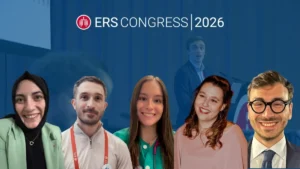
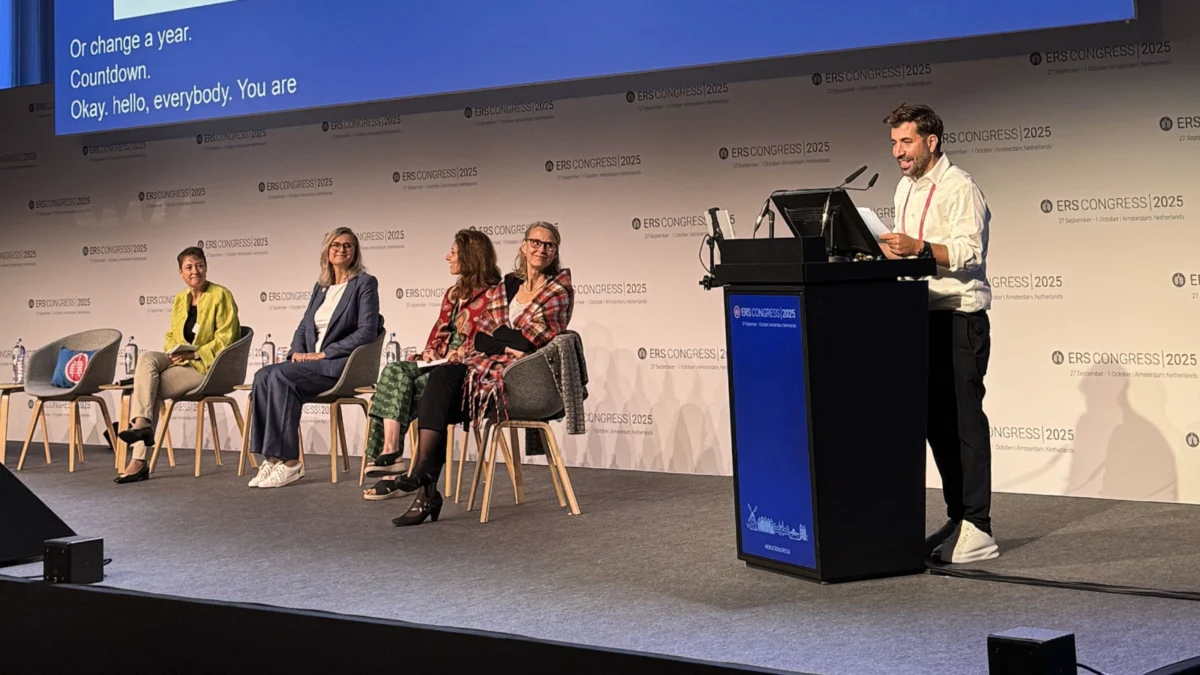
The European Respiratory Society (ERS) has officially opened its 2026 Congress with a transformative theme: "United for better breathing: partnership between patients, clinicians, and researchers." This year’s event marks a historic shift in the landscape of global respiratory medicine, moving beyond the traditional hierarchical model of healthcare to embrace a collaborative framework where the patient voice is not merely consulted, but integrated into the very architecture of scientific progress.
The Core Mandate: Bridging the Gap in Respiratory Care
The ERS Congress 2026 serves as a global catalyst for a new era of healthcare. For decades, the divide between the laboratory, the clinic, and the patient’s lived experience has been a bottleneck for innovation. By placing the patient-professional partnership at the center of this year’s agenda, the ERS is challenging respiratory experts worldwide to redefine how they identify unmet needs, make clinical decisions, and advance science.
This is not a thematic flourish; it is a strategic imperative. As underscored by a comprehensive pre-congress webinar series, the 2026 programme is built upon three foundational pillars: the intersection of environment and public health, the empowerment of patients through co-design, and the holistic management of symptoms. By aligning these areas, the Congress aims to ensure that the science presented is not only clinically rigorous but also directly responsive to the day-to-day realities of those living with lung disease.
A Two-Decade Evolution: The Journey Toward Integration
To understand the magnitude of this year’s Congress, one must look back at the historical trajectory of the ERS. The integration of the patient voice has been a long-term project, punctuated by the establishment of the European Lung Foundation (ELF) in 2000. For over 20 years, the ELF has acted as the primary vehicle for channeling patient and carer advocacy into the heart of the European respiratory community.
However, the momentum has accelerated significantly in the last 24 months. Following the announcement of the renewed ERS strategic plan in 2025, which explicitly designated "patient-professional partnership" as a core pillar of the Society’s identity, the 2026 Congress stands as the first major manifestation of this new mandate. The shift is evident in the numbers: this year features the largest delegation of patient and carer representatives in the history of the event, transforming the Congress from an academic symposium into a diverse, multi-stakeholder ecosystem.
The 2026 Programme: By the Numbers
The integration of patients into the Congress programme is unprecedented in scale and depth. The statistics reflect a profound commitment to participatory medicine:
- Co-Chairing Roles: Patients and carers will co-chair more than 30 scientific and clinical sessions, ensuring that the moderator’s perspective is informed by lived experience.
- Speaker Participation: 46 distinct sessions feature patients and carers as active speakers, providing firsthand testimony that challenges clinical assumptions and highlights real-world outcomes.
- Digital Integration: 12 sessions will utilize pre-recorded patient testimonies, ensuring that even in sessions where time or logistics are constrained, the patient voice remains a critical component of the discourse.
This content was not "added on" to the programme; it was co-developed with the ELF from the earliest planning stages. This ensures that the patient experience is not an anecdote, but a framework that dictates the focus of future clinical practice standards.
The World Village: A Hub for Engagement
The ERS Congress World Village has been reimagined for 2026 to serve as a physical manifestation of the Congress theme. Attendees can engage with several key features:
- The ELF Stand and Community Space: A central hub for networking and resource sharing, facilitating direct dialogue between international patient advocates and researchers.
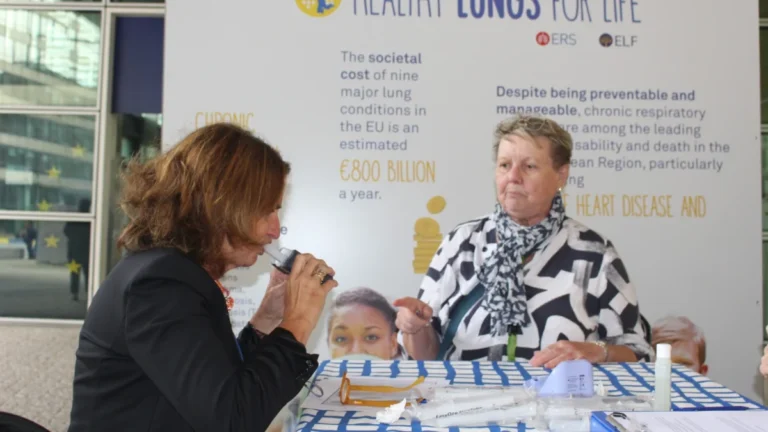
- Healthy Lungs for Life (HLfL) Stand: Focusing on the preventative aspect of the respiratory agenda, this space highlights the importance of public awareness and environmental health.
- The World Village Dome: An all-new, immersive installation that continuously showcases a patient-focused video, serving as a visceral reminder of the human element behind the data and research being presented in the session halls.
Furthermore, the return of the Patient Organisation Networking Day (POND) provides a dedicated environment for patient leaders to share best practices, influence policy, and build the international alliances necessary to advocate for better care at the national and European levels.
Leadership Perspectives: A Unified Vision for the Future
The shift in focus has been met with overwhelming support from the highest levels of ERS leadership, who view this partnership as the only viable path forward for modern medicine.
Prof. Joanna Chorostowska-Wynimko, ERS President, emphasized that this theme is a reflection of the Society’s evolution. "Progress in respiratory medicine must be driven by the combined efforts of all stakeholders," she noted. "In my opinion, partnership is the best, the most effective way to success."
Echoing this, Dimitris Kontopidis, Chair of the European Lung Foundation, expressed pride in how the partnership has matured. "In 2026, this continues to evolve, with patients and carers involved across a wider range of sessions than ever before," he stated.
Dr. Marc Miravitlles, ERS President-Elect, highlighted the clinical necessity of this model, particularly for chronic conditions. "In chronic respiratory diseases, where long-term management, rehabilitation, and quality of life are central, this partnership is not a luxury—it is a requirement for effective care."
The scientific community, represented by Prof. Omar Usmani, ERS Science Council Chair, and Prof. Hilary Pinnock, ERS Education Council Chair, confirmed that the integration is deeply structural. From contributing to abstracts to debating the merits of clinical trial design, the patient’s role has become an essential component of the scientific method within the ERS ecosystem.
Dr. Ferran Barbe and Dr. Rosa Faner, the ERS Congress 2026 Co-Chairs, summed up the vision for the week ahead. They argued that the goal is to "move beyond rhetoric." Dr. Barbe explicitly called for patient perspectives to shape study design and research priorities, while Dr. Faner highlighted the "clearer voice" that the respiratory community now possesses on the world stage due to this alliance.
Implications for the Future of Respiratory Health
The 2026 Congress is not intended to be a singular event, but a turning point with a long-term legacy. By embedding patient voices into the research, policy, and clinical standard-setting processes, the ERS is creating a model that other medical disciplines will likely seek to emulate.
The implications for patients are significant: increased visibility in the eyes of policymakers, research that is better aligned with their actual quality-of-life needs, and a healthcare system that views them as partners rather than recipients of care. For clinicians and researchers, the benefits are equally profound: access to nuanced, real-world data that can improve the efficacy of treatments and the efficiency of healthcare delivery.
As the 2026 Congress continues, the focus remains clear: "United for better breathing" is not merely a slogan—it is the blueprint for the next generation of respiratory medicine. By dismantling the barriers between those who research, those who treat, and those who live with disease, the ERS is ensuring that the future of breathing is one of collaboration, empathy, and evidence-based progress.
The sessions scheduled throughout the week, ranging from environmental health to the co-design of patient advocacy tools, will serve as a litmus test for this new era. As delegates leave the Congress, they will carry with them not only new scientific insights but a new, reinforced methodology for how they engage with the patients they serve. This, perhaps, is the most enduring contribution of ERS Congress 2026: a permanent, strategic, and human-centered commitment to the advancement of lung health for all.