








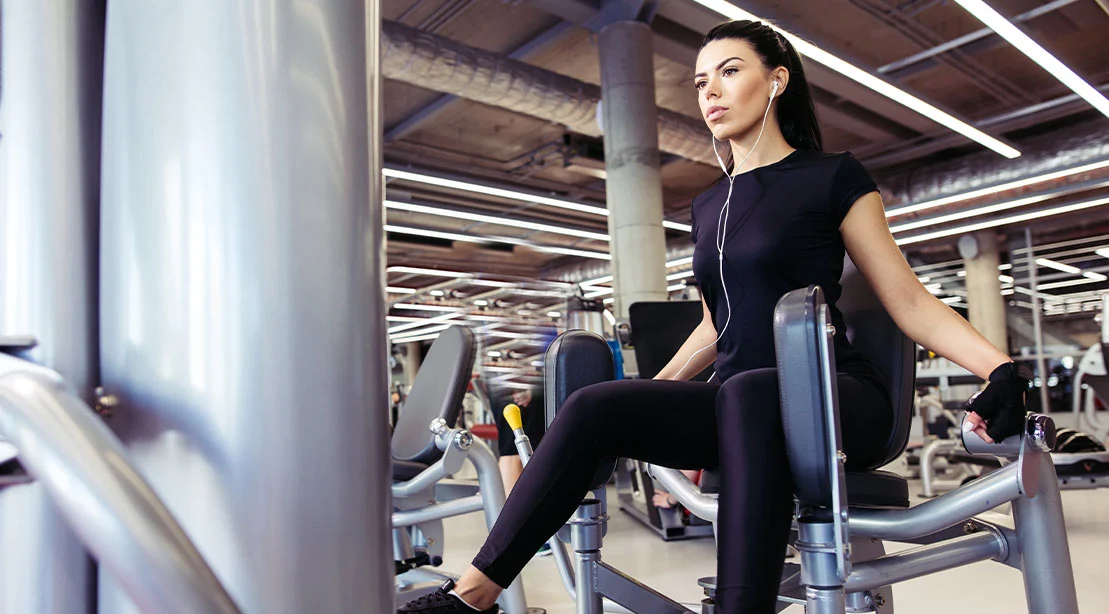
In the ecosystem of a modern commercial gym, the hip abductor machine occupies a peculiar social strata. It is the machine where users go to hide, avoiding eye contact while rhythmically pushing their knees against padded resistance. It lacks the visceral intensity of a heavy barbell back squat or the raw, plate-clattering drama of a deadlift. Because it involves sitting down, maintaining a fixed posture, and executing a singular, isolation-focused movement, it has been unfairly maligned as a "fluff" exercise—a piece of equipment relegated to the corners of the gym floor alongside the adductor machine.
However, a shift in sports science and evidence-based training is challenging these long-held stigmas. When we strip away the desire to look "hardcore" and focus instead on physiological adaptation, the hip abductor machine emerges as a precise tool for targeted muscle development. With insights from world-class physical therapists Bo Babenko and Dan Swinscoe, we explore why this much-maligned piece of equipment might be the missing link in your pursuit of glute development and pelvic stability.
Main Facts: Deconstructing the Machine
The seated hip abductor machine functions on a simple mechanical principle: resistance is applied against the lateral movement of the thighs. From a biomechanical perspective, it isolates the muscles responsible for hip abduction—primarily the gluteus medius, gluteus minimus, and the upper fibers of the gluteus maximus.
Critics frequently categorize it as "non-functional" because it removes the foot from the ground and stabilizes the pelvis externally. In the eyes of the "functional fitness" purists, if an exercise doesn’t involve gravity-defying balance or complex, multi-joint recruitment, it is deemed inferior. Yet, this critique confuses purpose with execution. The machine is not designed to replace a sprint or a heavy lunge; it is designed to isolate and overload the muscles that control the femur and pelvis during those high-level movements.
Chronology of a Misunderstood Tool
For decades, the "functional movement" movement has dominated gym culture. The narrative began with a focus on compound, ground-based movements, which were undeniably superior for athletic performance. During this period, isolation machines were viewed as relics of the 1980s bodybuilding era.
- 1990s–2000s: The rise of CrossFit and functional training programs pushed isolation machines out of the spotlight. The mantra "if you aren’t standing, you aren’t training" became dogma.
- 2010s: As the popularity of aesthetic-focused training (glute-centric programs) surged, the abductor machine saw a resurgence in usage, though often performed with poor form and heavy, swinging momentum.
- 2020s–Present: A more nuanced approach has emerged. Physical therapists and coaches are now evaluating the machine through the lens of EMG (electromyography) data, discovering that it can be a highly efficient tool for hypertrophy and rehabilitation when used with intention.
Supporting Data: What the Science Says
The case for the hip abductor machine is not merely anecdotal; it is supported by clinical research. A significant review published in BMC Musculoskeletal Disorders found that the seated hip abduction machine is capable of eliciting high levels of gluteus medius activation—up to 80% of maximal voluntary isometric contraction.
Further, a 2022 study comparing various hip abduction modalities found that the machine offered a distinct advantage: it produced superior gluteus medius activity while simultaneously minimizing the involvement of the tensor fasciae latae (TFL). This is a critical finding for lifters. Many individuals struggle with "TFL dominance," where the smaller, superficial hip muscle compensates for a weak or underactive gluteus medius during compound lifts. By utilizing the machine, athletes can effectively isolate the glute medius without overworking the TFL, which is often a source of hip pain and lateral knee discomfort.
Official Perspectives: Expert Analysis
We consulted with Dr. Bo Babenko and Dan Swinscoe to bridge the gap between clinical necessity and gym-floor application.
The Critique of "Unnatural" Mechanics
Dr. Babenko acknowledges the validity of the criticism surrounding the seated position. "My main problem with this machine is that it is a completely unnatural way to use these muscles in a seated position," he notes. "It isolates one muscle, and muscles don’t work in isolation. Real movement off of that machine requires multiple muscles working together."
However, Babenko does not dismiss the tool entirely. He suggests that while it shouldn’t be the foundation of an athlete’s program, it serves a specific role in clinical settings. "It is a good way to recruit the gluteus minimus and medius," Babenko adds. "It has clear benefits for someone managing tendinopathy or improving walking patterns post-op."
The Functional Counterpoint
Dan Swinscoe emphasizes the importance of the kinetic chain. "It trains the leg with the foot off the ground," Swinscoe explains. "In daily activities, the foot is on the ground, and pressure through the foot is a key trigger for coordinated muscle activation."
Despite this, Swinscoe concedes that compound lifts—such as squats and deadlifts—do not always load every region of the glutes equally. The abductor machine provides a "targeted volume" option that allows for muscle growth without adding systemic fatigue, which is a major advantage for lifters who are already pushing their limits with heavy barbell work.
Implications: How to Integrate It
If you have decided to incorporate the hip abductor machine into your programming, the goal should be precision over weight.
The "Volume-First" Approach
Because the machine is a low-fatigue accessory, it should never replace your heavy compound lifts. Instead, treat it as a "finisher." By placing it at the end of a glute-focused session, you can exhaust the target muscles without compromising your performance on squats or hinges.
Programming Recommendations:
- Volume: 2 to 4 sets of 12 to 20 repetitions.
- Rest Periods: Keep them short (45–90 seconds) to maintain metabolic stress.
- Frequency: 1 to 3 times per week, depending on your recovery capacity.
- Progressive Overload: Increase your rep count first. Once you hit the upper limit of your range, increase the load slightly and adjust your reps accordingly.
Who Should Use It?
- Bodybuilders/Physique Athletes: Those looking to maximize hypertrophy in the glute medius and upper gluteal shelf.
- Recovery Patients: Individuals transitioning out of physical therapy who need to strengthen hip abductors without the instability of standing, single-leg exercises.
- Intermediate Lifters: Those who have hit a plateau in their glute development and need a high-volume, low-impact way to stimulate muscle growth.
Who Should Skip It?
- Athletes in Peak Season: If your training is strictly focused on explosive, multi-planar athletic performance, prioritize ground-based movements like lateral lunges or band-resisted walks.
- Those with Severe Hip Impingement: For some, the fixed nature of the machine can exacerbate internal hip issues. Always consult with a professional if you feel sharp, pinching pain.
The Final Verdict: Efficiency vs. Ego
The hip abductor machine is neither a magic bullet nor a useless piece of junk. It is a tool—one that is highly effective at what it is designed to do: isolate and fatigue the abductor musculature.
The stigma associated with the machine is largely a byproduct of ego. We tend to judge exercises based on how they look to others rather than how they function for our own anatomy. By ignoring the "functional" gatekeeping and focusing on the clear scientific evidence regarding glute medius activation and TFL inhibition, we find that the machine is, in fact, a high-reward, low-risk investment for your training.
If your goals include better pelvic stability, fuller glutes, or simply a way to add volume to your lower body sessions without feeling crushed by systemic fatigue, it is time to stop worrying about eye contact and start focusing on your gains. In the right circumstances, the hip abductor machine isn’t just worth doing—it’s an essential addition to a well-rounded, science-backed strength program. Stop treating "simple" like it means "worthless," and start leveraging the right tools for the right job.