August 20, 2026 | By Lauren Belsky | Category: Healthy Aging
As the global population shifts, the role of older adults in our society has never been more vital. On August 21, we observe World Senior Citizens Day—a moment to pause, reflect, and celebrate the invaluable contributions, wisdom, and vitality that older generations bring to our communities. While the Alliance for Aging Research champions the cause of healthy aging year-round, this annual observance serves as a poignant reminder that the fabric of our society is woven together by the life experiences of those who came before us.
The Foundations of a Global Tribute
World Senior Citizens Day is more than just a date on the calendar; it is a recognition of a demographic that acts as the bedrock of our cultural and social history. The holiday traces its origins to the late 1980s, a period marked by a growing national conversation regarding the shifting demographics of the United States and the world at large.
On August 19, 1988, President Ronald Reagan signed Proclamation 5847, officially declaring August 21 as National Senior Citizens Day. In his remarks, President Reagan emphasized that the contributions of older Americans are not merely historical footnotes but active, ongoing participations in the success of the nation. He noted that older adults offer "the benefit of their experience, their knowledge, and their wisdom," urging society to honor their dedication to the family, the workforce, and the community.
The inaugural celebration took place on August 21, 1991. Since then, the day has evolved from a national observance into a global movement, prompting organizations, families, and governments to focus on the unique needs, rights, and potential of our senior population. It serves as a day to combat ageism, promote inclusivity, and ensure that older adults are viewed not through the lens of decline, but through the lens of continued capacity and worth.
The Science of Engagement: Why Social Connection Matters
Recent research into the biology and psychology of aging has underscored a critical truth: the quality of our later years is inextricably linked to our level of engagement. Loneliness and social isolation have been identified by health experts as significant risk factors for chronic disease, comparable in severity to smoking or obesity.
The Neuropsychiatric Impact of Inclusion
When an older adult feels marginalized or isolated, the impact is not merely emotional—it is physiological. Studies from institutions like the National Institute on Aging (NIA) indicate that loneliness is associated with higher rates of depression, anxiety, and cognitive decline. Conversely, when older adults participate in community life, the "neuropsychiatric symptoms" of aging are often mitigated.
Engagement provides a cognitive scaffold. Learning new skills, interacting with different generations, and maintaining a sense of responsibility—or "purpose"—triggers the release of neurotransmitters that support mood and brain health. Harvard Medical School researchers have observed that broader social interaction keeps older adults more physically active. This creates a "virtuous cycle": physical activity improves mood, and a positive mood encourages further social interaction.
The "Sense of Purpose" Factor
Purpose is arguably the most potent medicine for healthy aging. Whether it is through volunteering, mentoring, or simply maintaining a vibrant household role, having a reason to get out of bed each morning is linked to lower mortality rates. It is not just about "staying busy"; it is about feeling that one’s existence continues to have an impact on the world.
Implications for Public Health and Policy
The implications of these findings are profound for policymakers and health advocates. If social connection is a key determinant of health, then "community-building" must be treated as a public health priority.
- Combating Ageism: Policies that encourage multi-generational living spaces and intergenerational work environments can help dismantle the systemic ageism that often forces older adults into isolation.
- Designing for Longevity: Urban planning that prioritizes accessible, walkable neighborhoods allows older adults to remain independent and connected to their local businesses and parks, thereby reducing the risk of sedentary behavior.
- Investment in Social Infrastructure: Local community centers and senior programs are not merely "recreational"—they are essential healthcare infrastructure. Funding these programs is a proactive way to reduce the long-term burden on the medical system.
Practical Ways to Celebrate and Support
Celebrating older adults does not require grand gestures. The most meaningful impact is often found in the daily rhythm of life.
For Families and Friends: Small Gestures, Big Impact
- Active Listening: Often, the most profound gift we can offer is our undivided attention. Taking the time to record oral histories or simply ask about a loved one’s life lessons can validate their experiences and strengthen familial bonds.
- Digital Inclusion: Many older adults are eager to stay connected via technology but may lack the support to navigate it. Assisting an older relative with video calling software or digital tools can bridge the physical distance between generations.
- Inclusive Planning: When organizing family events, ensure the environment is accessible and that the pace allows for meaningful conversation. Inclusion is about removing the barriers that prevent full participation.
For Older Adults: Finding Your Path to Engagement
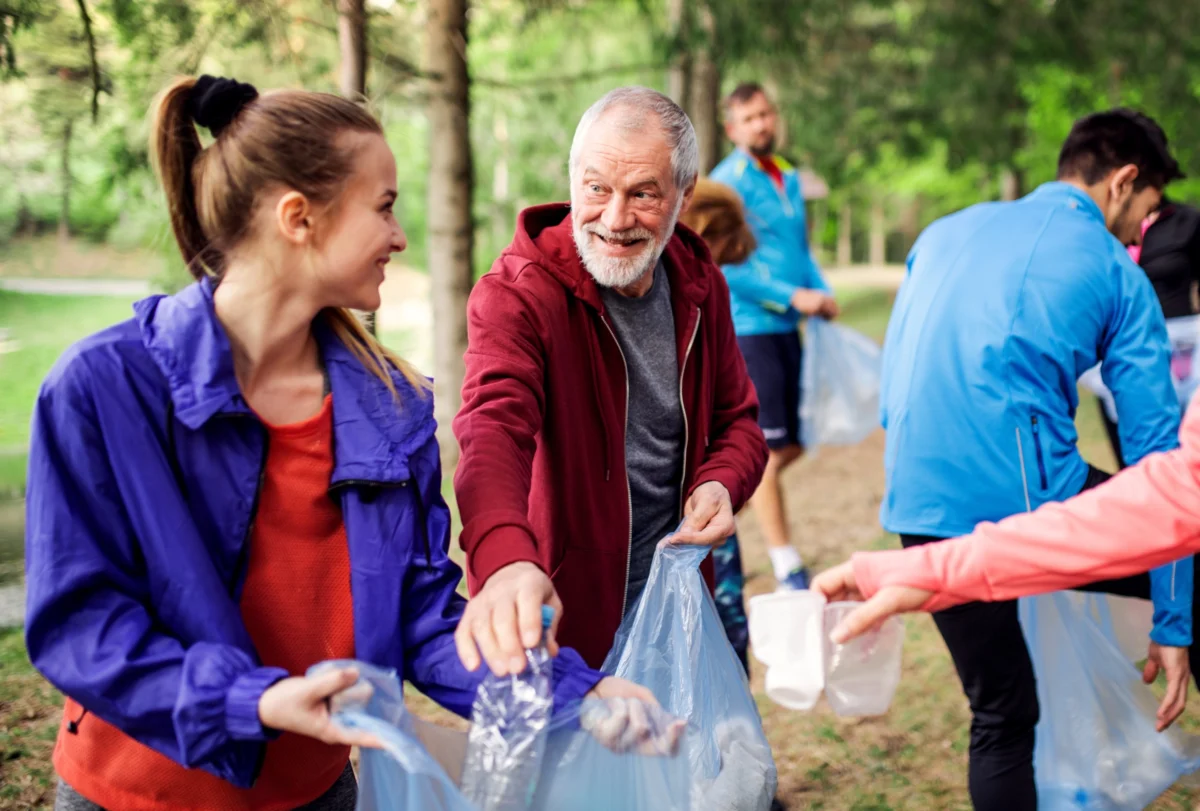
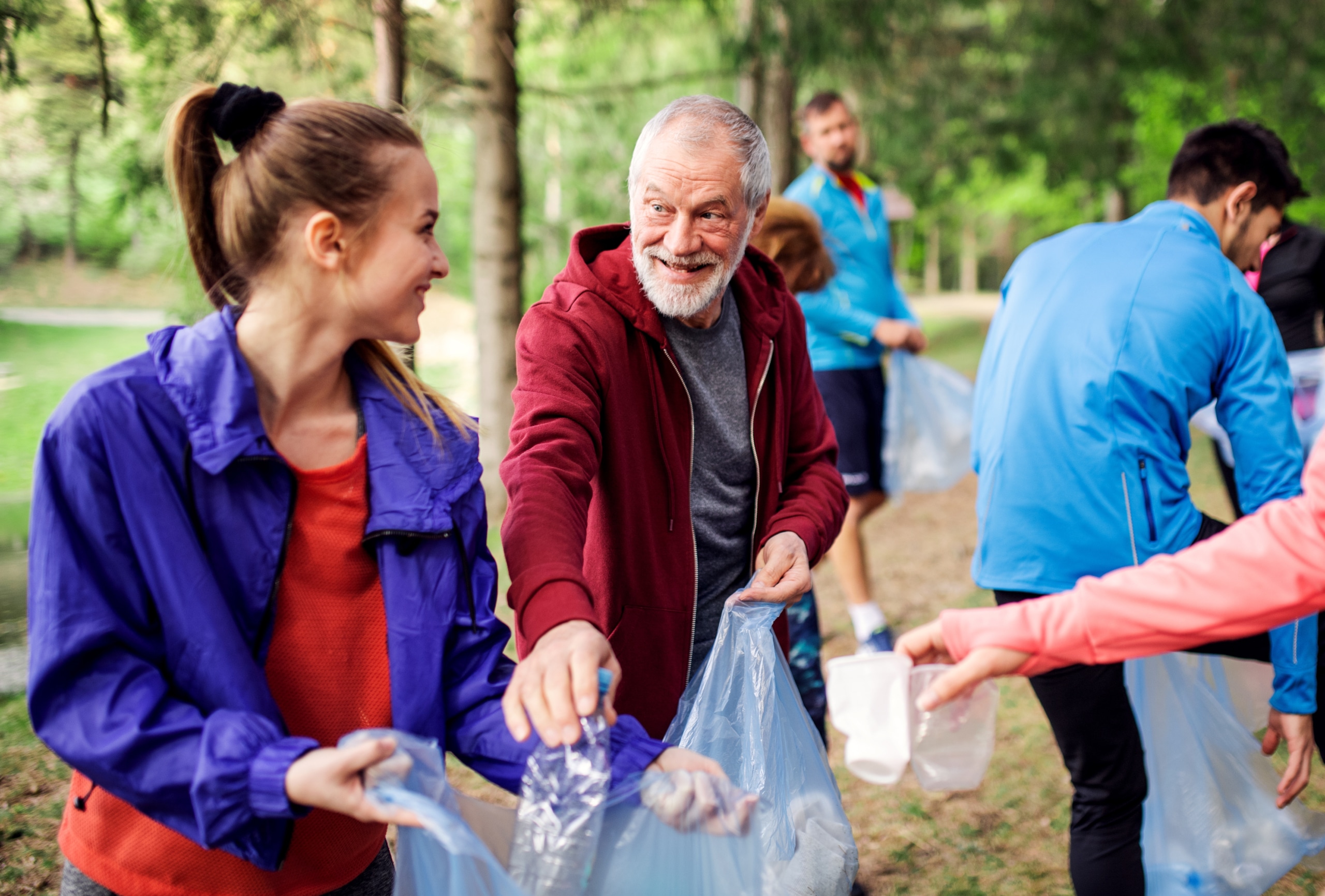
- Community Volunteering: Many organizations are desperate for the specific skill sets that come with decades of experience. Whether it is tutoring, administrative support for nonprofits, or environmental stewardship, your skills remain highly valued.
- Lifelong Learning: Many universities and local libraries offer programs specifically for seniors. Engaging with new academic topics or artistic pursuits keeps the brain plastic and introduces you to new social circles.
- Peer Mentorship: Sharing your experiences with younger generations is a powerful way to leave a legacy. Many youth mentorship programs look for volunteers who can provide guidance and a steady, experienced perspective.
Official Responses and The Road Ahead
The Alliance for Aging Research, along with many international health bodies, views World Senior Citizens Day as a vital checkpoint in the year. While we advocate for policies that address the biological aspects of aging—such as research into Alzheimer’s, cardiovascular health, and bone density—we recognize that these medical efforts are only half of the equation.
The other half is the social environment in which our elders live. As we move further into the 2020s, the "Silver Tsunami" (the global demographic shift toward an older population) is often framed as a burden. This is a narrative that must change. Older adults are not a burden; they are a resource. Their collective knowledge, historical perspective, and emotional resilience are the stabilizers of our rapidly changing world.
As we commemorate this day, we must ask ourselves: Are our communities designed to allow our elders to thrive, or merely to survive? Are we providing the infrastructure for connection, or are we allowing the digital age to isolate our most vulnerable?
Conclusion: A Legacy of Contribution
The history of the world is, in many ways, the history of the wisdom passed down from generation to generation. Every technological advancement, every cultural shift, and every piece of legislation that protects our liberties is built upon the groundwork laid by those who came before us.
As we celebrate World Senior Citizens Day on August 21, let us move beyond the superficial greetings. Let us commit to a sustained effort to include, listen to, and empower our older citizens. Whether you are an older adult looking for a new way to share your talents, or a younger person looking to build a bridge to the past, the opportunities for connection are endless.
Older adults have left, and continue to make, an incredible mark on the world around us. They are the architects of the communities we call home today. It is our collective responsibility to ensure that their golden years are characterized by the same dignity, respect, and purpose that they have provided for us throughout their lives. Let us honor them not just for what they have done, but for who they are—the living, breathing foundation of our society.
Lauren Belsky serves as the Development Coordinator for the Alliance for Aging Research, where she works to bridge the gap between scientific innovation and community engagement.