







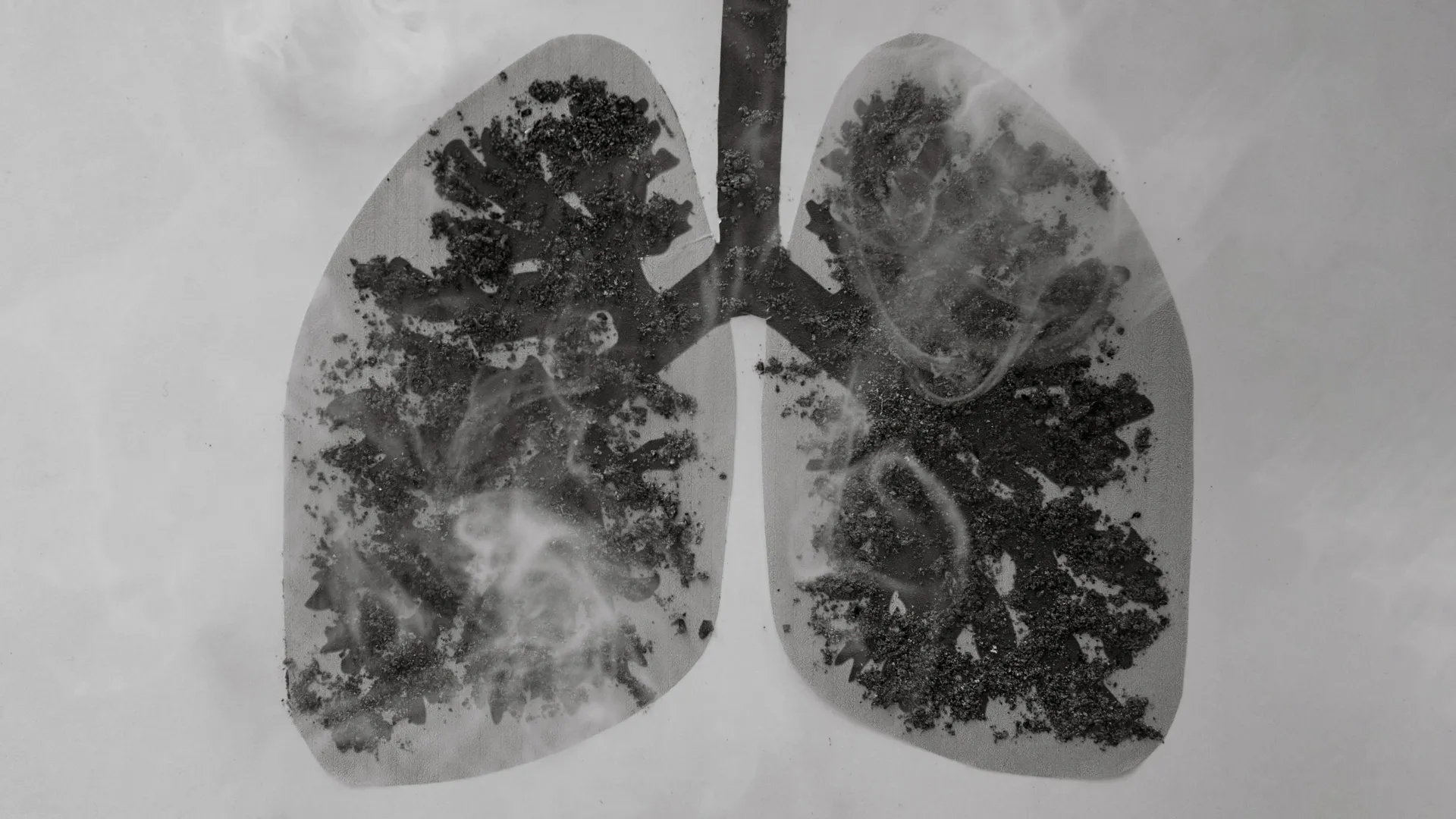
In a significant breakthrough for respiratory medicine, researchers have uncovered a disturbing link between the accumulation of soot-like carbon deposits in lung cells and the severity of Chronic Obstructive Pulmonary Disease (COPD). A study published on June 10 in the journal ERJ Open Research reveals that the immune cells tasked with protecting our airways undergo a pathological transformation when they become overwhelmed by environmental pollutants, effectively fueling the chronic inflammation that characterizes the disease.
The findings provide a deeper understanding of why some individuals develop debilitating lung disease while others, despite similar exposure to smoking, remain less severely affected. By examining the mechanics of alveolar macrophages—the "clean-up crew" of the lungs—scientists have identified a potential new pathway for therapeutic intervention and underscored the urgent need to address air quality as a primary driver of respiratory failure.
The Mechanics of Protection and Failure
To understand the significance of this study, one must first understand the role of alveolar macrophages. These specialized immune cells reside deep within the lung tissue, specifically in the alveoli, where gas exchange occurs. Their primary function is to act as the first line of defense, patrolling the air sacs to engulf and neutralize foreign particles, pathogens, and bacteria.
Under healthy conditions, these cells efficiently ingest debris and transport it out of the lungs. However, the study led by Dr. James Baker and Dr. Simon Lea of the University of Manchester suggests that when these cells are subjected to a constant, high-volume influx of carbon—derived from sources such as cigarette smoke, diesel exhaust, and urban air pollution—their protective capacity is fundamentally compromised.
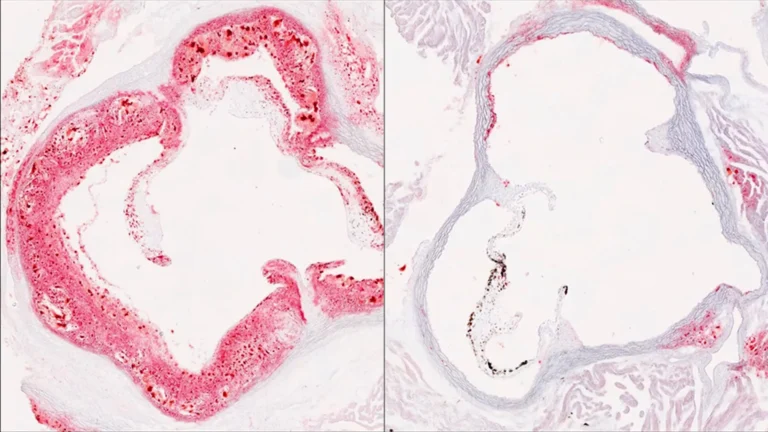
When these macrophages ingest carbon, they do not simply "store" it. Instead, the accumulation triggers a physical and functional change: the cells grow significantly larger and begin to secrete pro-inflammatory proteins. This shift turns a protective mechanism into a source of chronic tissue damage, creating a cycle of inflammation that permanently alters the lung’s structure and functionality.
Chronology of the Investigation
The research project, which spanned months of meticulous laboratory analysis, utilized a cohort of 43 participants. The team obtained lung tissue samples from patients undergoing surgical procedures for suspected lung cancer. Crucially, the researchers specifically isolated samples that were free of malignant cells, ensuring the focus remained solely on the impact of carbon on non-cancerous lung tissue.
The study population was divided into two distinct groups:
- The COPD Group: 28 patients with a confirmed diagnosis of Chronic Obstructive Pulmonary Disease.
- The Control Group: 15 individuals who were smokers but had not developed COPD.
Phase 1: Microscopic Quantification
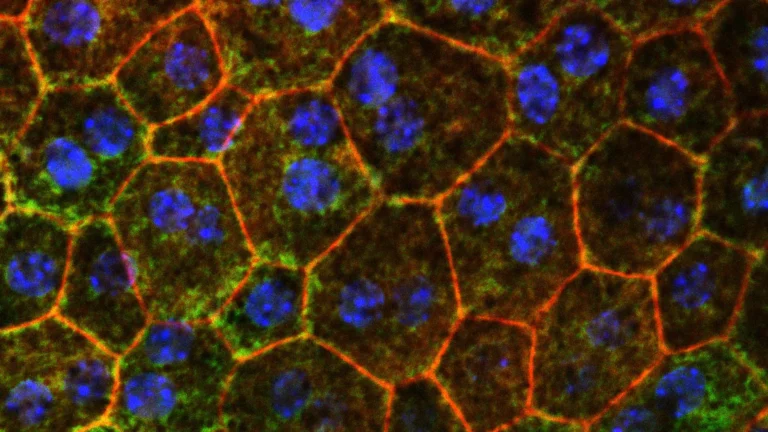
The researchers began by analyzing the physical characteristics of the alveolar macrophages under high-powered microscopes. By measuring the volume of the cells and quantifying the density of carbon deposits within them, the team established a clear baseline. The results were stark: the average amount of carbon found in the macrophages of COPD patients was more than three times higher than that found in the smoking control group. Furthermore, there was a direct correlation between the physical size of the macrophage and its carbon load; cells burdened with carbon were consistently larger than their cleaner counterparts.
Phase 2: Functional Assessment
With the physical data established, the researchers moved to functional assessment. They correlated the levels of carbon within the macrophages to the patients’ FEV1%—a standard clinical measure representing the volume of air a person can forcefully exhale in one second. The data showed that patients with the highest concentrations of carbon in their macrophages exhibited the poorest lung function.
Phase 3: Laboratory Stimulation
In the final phase, the researchers exposed healthy macrophages to carbon particles in a controlled laboratory setting. The results mirrored the clinical observations: the cells became significantly enlarged and began producing elevated levels of inflammatory proteins. This confirmed that the carbon itself was the driver of the dysfunction, rather than simply being a bystander of the disease process.
Supporting Data and Comparative Analysis
The data highlights a critical divergence between the effects of smoking and the pathophysiology of COPD. While it is well-established that smoking is a primary risk factor for COPD, this study suggests that the disease process involves a specific failure in how the lungs handle particulate matter.
"As we compared cells from COPD patients with cells from smokers, we can see that this build-up of carbon is not a direct result of cigarette smoking alone," explained Dr. Simon Lea. This is a pivotal distinction. It implies that individuals with COPD may possess an inherent, perhaps genetic, inability to clear inhaled carbon efficiently, or that their cellular "machinery" is less effective at processing pollutants.
The three-fold increase in carbon deposits in COPD patients compared to smokers who do not have the disease suggests that the accumulation is not merely a marker of exposure, but a marker of disease susceptibility. The cells in COPD patients are "inherently different" in both form and function, suggesting that the disease is characterized by a systemic failure of the lungs’ self-cleaning systems.
Official Responses and Expert Commentary
The medical community has received the study with significant interest, noting that it provides a tangible link between environmental health and clinical outcomes.
Professor Fabio Ricciardolo, Chair of the European Respiratory Society’s group on monitoring airway disease and a professor at the University of Torino, Italy, was not involved in the research but provided an independent assessment of its impact.
"This set of experiments suggests that people with COPD accumulate unusually large amounts of carbon in the cells of their lungs," Professor Ricciardolo noted. "This build-up seems to be altering those cells, potentially causing inflammation in the lungs and leading to worse lung function."
Professor Ricciardolo emphasized that the research serves as a cautionary tale regarding air quality. "This research offers some clues about why polluted air might cause or worsen COPD," he said. "However, we know that smoking and air pollution are established risk factors for COPD and other lung conditions. This reinforces the necessity for public health initiatives aimed at reducing levels of pollution in the air we breathe and providing robust support for those attempting to quit smoking."
Implications for Future Research and Public Policy
The study raises several urgent questions that will likely drive the next decade of respiratory research. If macrophages in COPD patients are fundamentally unable to clear carbon, can this process be pharmacologically improved? Could therapeutic interventions be developed to assist these cells in their "clean-up" duties before they become inflamed and damage the surrounding lung tissue?
Furthermore, the study highlights the necessity of viewing COPD through an environmental lens. For decades, the disease was viewed primarily as a "smoker’s disease." While smoking remains the most prominent cause, the recognition that particulate matter—whether from traffic, industry, or ambient air—plays a direct role in cellular degradation suggests that current public health standards for air quality may need to be re-evaluated for their impact on chronic lung health.
Addressing the "Chicken or the Egg" Scenario
Dr. Baker and Dr. Lea acknowledge that there is still much to learn. A key question remains: Does the accumulation of carbon cause the cells to fail, or does a pre-existing cellular failure allow the carbon to accumulate?
"It could be that people with COPD are less able to clear the carbon they breathe in," Dr. Lea noted. "It could also be that people exposed to more particulate matter are accumulating this carbon and developing COPD as a result. In future, it would be interesting to study how this carbon builds up and how lung cells respond over a longer period of time."
Conclusion: A Call for Clean Air
The University of Manchester study serves as a stark reminder of the biological cost of environmental degradation. Every breath taken in a polluted urban environment may be placing a microscopic burden on the lung’s immune system, a burden that, for many, manifests as the chronic, irreversible decline of COPD.
As the global medical community continues to grapple with the rising incidence of respiratory diseases, this research provides a clear mandate: protecting the integrity of our lung cells requires both personal lifestyle changes and aggressive, systemic action against air pollution. By understanding the cellular mechanics of how our lungs react to the modern world, we may finally be able to develop better defenses against the diseases that threaten to steal the breath of millions.