










In a discovery that could fundamentally reshape the therapeutic landscape for metabolic diseases, researchers at McMaster University have identified a previously unknown biological mechanism by which the hormone GDF15 protects the liver. While GDF15 has long been recognized for its role in suppressing appetite and facilitating weight loss, this new research reveals that its influence extends far deeper, acting as a critical guardian against liver inflammation and fibrosis, independent of body weight changes.
The findings, published on August 10, 2026, in the journal Cell Metabolism, offer a potential breakthrough for millions suffering from metabolic dysfunction-associated steatohepatitis (MASH). By uncovering a brain-to-liver signaling pathway that directly modulates the immune system, the study suggests that future treatments for advanced fatty liver disease may require a dual-action approach: one that manages weight while simultaneously quelling the chronic, damaging inflammation that leads to cirrhosis and liver failure.
The Core Findings: Decoupling Weight Loss from Liver Health
For years, the medical community has operated under the assumption that the benefits of GDF15—a stress-response cytokine—were largely secondary to its primary effect of reducing caloric intake. Because weight loss is a powerful tool in mitigating liver fat, it was easy to conclude that the liver improvements seen in patients were merely a byproduct of a leaner body.
The McMaster team, led by Gregory Steinberg and Dongdong Wang, has challenged this long-held dogma. Through a series of sophisticated experiments using mouse models that closely mimic human MASH, the researchers demonstrated that GDF15 exerts a protective effect on the liver that persists even when weight loss is not achieved.
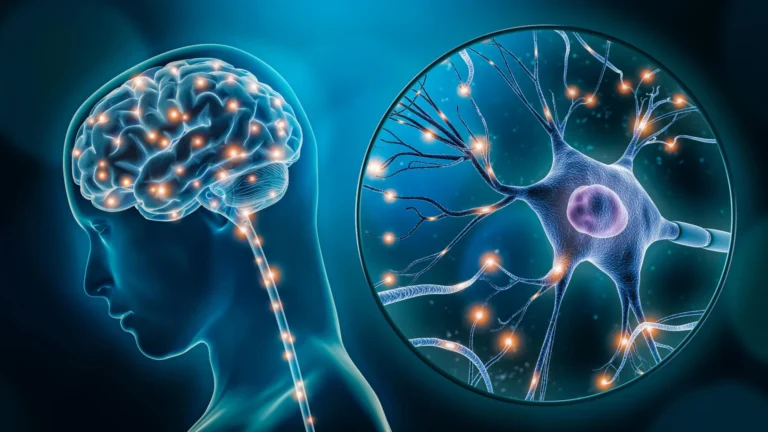
The hormone acts as a molecular messenger, initiating a signal from the brain that travels through the nervous system to trigger the release of glucocorticoids—steroid hormones essential for regulating metabolism and immune responses. These glucocorticoids, in turn, signal the liver to suppress inflammatory pathways. This discovery implies that GDF15 is not merely a "weight-loss hormone" but a vital component of the body’s innate defense system against chronic liver injury.
Chronology: A Multi-Year Quest for Metabolic Clarity
The road to this discovery was paved by years of rigorous investigation into the complexities of metabolic regulation.
- 2023: The Foundation. A landmark study published by Steinberg and Wang in Nature revealed that GDF15 plays a pivotal role in maintaining energy expenditure during weight loss. This study established that the hormone prevents the "metabolic adaptation" that often causes weight-loss plateaus, showing that GDF15 helps the body continue burning calories even when caloric intake is reduced.
- 2025: Preclinical Milestones. As the team deepened their inquiry, they began exploring drug candidates designed to mimic or enhance these pathways. Research published in late 2025 outlined the potential for novel compounds to address advanced liver disease, setting the stage for a more granular understanding of the body’s internal signaling networks.
- August 2026: The Breakthrough. The publication of the current study in Cell Metabolism marks the culmination of these efforts. By integrating genetic, pharmacological, and spatial transcriptomics techniques, the researchers finally mapped the pathway from the brain to the liver, definitively proving that GDF15’s anti-inflammatory properties are distinct from its appetite-suppressing functions.
Supporting Data: Mapping the Molecular Architecture of Defense
To validate their hypothesis, the researchers employed high-resolution spatial transcriptomics—a cutting-edge technology that allows scientists to see exactly which genes are active within specific liver cells.
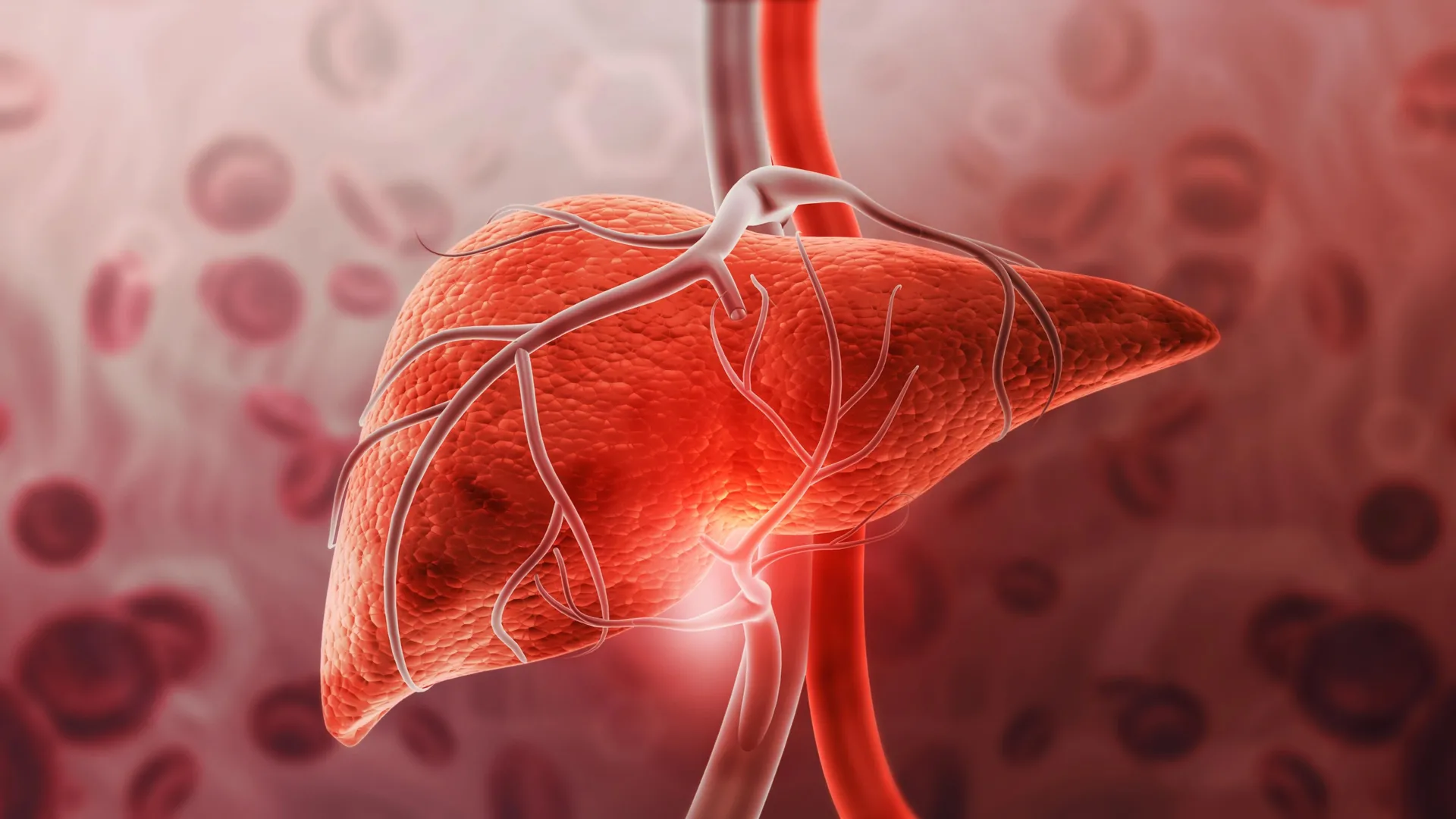
The data provided clear evidence: GDF15 actively "reprograms" the liver’s immune environment. Instead of triggering the standard pro-inflammatory response typically seen in MASH, the hormone instructs immune cells to shift into a "protective" state. This transition reduces the recruitment of inflammatory cells that drive scarring (fibrosis), effectively slowing the progression of liver disease before it reaches the point of no return.
The study’s reliance on multiple, complementary methodologies—combining molecular genetics with whole-system physiological monitoring—ensures that the findings are robust. The use of glucocorticoids as the "middle-man" in this signaling cascade provides a clear mechanism that future drug developers can target to replicate or amplify the body’s natural protective response.
Official Responses: Insights from the McMaster Team
The implications of this study are being viewed with cautious optimism by the scientific community, as it provides a clear roadmap for addressing the "inflammatory gap" in current treatments.
"Our findings show that GDF15 does much more than regulate appetite and body weight," says Gregory Steinberg, professor in McMaster’s Department of Medicine and co-director of the Centre for Metabolism, Obesity and Diabetes Research (MODR). "We discovered that GDF15 activates a natural brain-to-liver signaling pathway that helps suppress liver inflammation and reduce fibrosis. This changes how we think about the hormone and suggests it may be part of the body’s own defense system against chronic liver injury."
Dr. Dongdong Wang, the study’s first and corresponding author, emphasized the biological shift occurring within the liver tissue itself. "GDF15 helps reprogram liver cells to reduce inflammation and scarring," Wang explains. "Instead of causing liver damage, GDF15 appears to help calm the liver’s immune system. It shifts immune cells into a more protective and less active state, helping reduce inflammation and prevent damage to the liver."
Implications for Future Therapies
The medical implications of these findings are profound, particularly for patients suffering from MASH. Current therapies for fatty liver disease, such as GLP-1 receptor agonists, are highly effective at promoting weight loss and reducing liver fat. However, clinicians have frequently observed that even in patients who achieve significant weight reduction, liver inflammation can persist, potentially continuing the march toward cirrhosis and liver cancer.
The Shift Toward Combination Therapy
The McMaster study suggests a future where "monotherapy" for liver disease may be insufficient. Instead, the researchers propose a two-pronged strategy:
- Metabolic Reduction: Utilizing existing treatments to address obesity and excessive liver fat.
- Inflammation Modulation: Introducing therapies that target the GDF15-mediated signaling pathway to directly "turn off" the immune-driven damage within the liver.
This combined approach could provide a more comprehensive defense, not only preventing the accumulation of fat but also actively repairing the tissue damage that chronic inflammation leaves in its wake.
A New Era of Targeted Medicine
Furthermore, by identifying the role of glucocorticoids in this pathway, the research opens the door to developing synthetic mimics or boosters that can activate this pathway without the systemic side effects often associated with long-term steroid use. Because the body already uses this pathway naturally, the researchers are optimistic that therapeutic interventions could be fine-tuned to trigger a potent anti-inflammatory response with minimal off-target risks.
A Collaborative Scientific Effort
The significance of this research is underscored by the high-level collaboration involved. The project received support from an array of major scientific organizations, including the Natural Sciences and Engineering Research Council of Canada (NSERC), the Canadian Institutes of Health Research (CIHR), and Diabetes Canada.
The involvement of Novo Nordisk A/S, which provided both research support and the GDF15 hormone used in the experiments, highlights the intense interest from the pharmaceutical industry in the potential of this pathway. As the scientific community moves from the discovery phase to potential clinical applications, this cross-sector collaboration serves as a model for how basic biological research can be translated into viable treatments for chronic, life-threatening conditions.
For patients and clinicians alike, the message is clear: the battle against MASH is evolving. While weight management remains a cornerstone of metabolic health, the discovery of GDF15’s direct protective role offers a new, promising frontier in the fight to preserve liver function and improve the quality of life for those living with chronic liver disease.