






In the high-stakes world of oncology, the focus is almost exclusively on the patient—the clinical data, the staging, and the pharmacological response. Yet, behind every medical record and every successful scan lies a silent, powerful infrastructure: the "village." As we observe World Cancer Support Month, a deeper look into the lives of long-term survivors reveals that while medical intervention is the engine of recovery, the human network surrounding a patient is the fuel that keeps them moving forward.
"Everybody thinks about the actual cancer patient," says a spokesperson for the Cancer Research Institute. "They don’t always think about the number of people who are behind the scenes. The reality is that no one faces cancer alone."
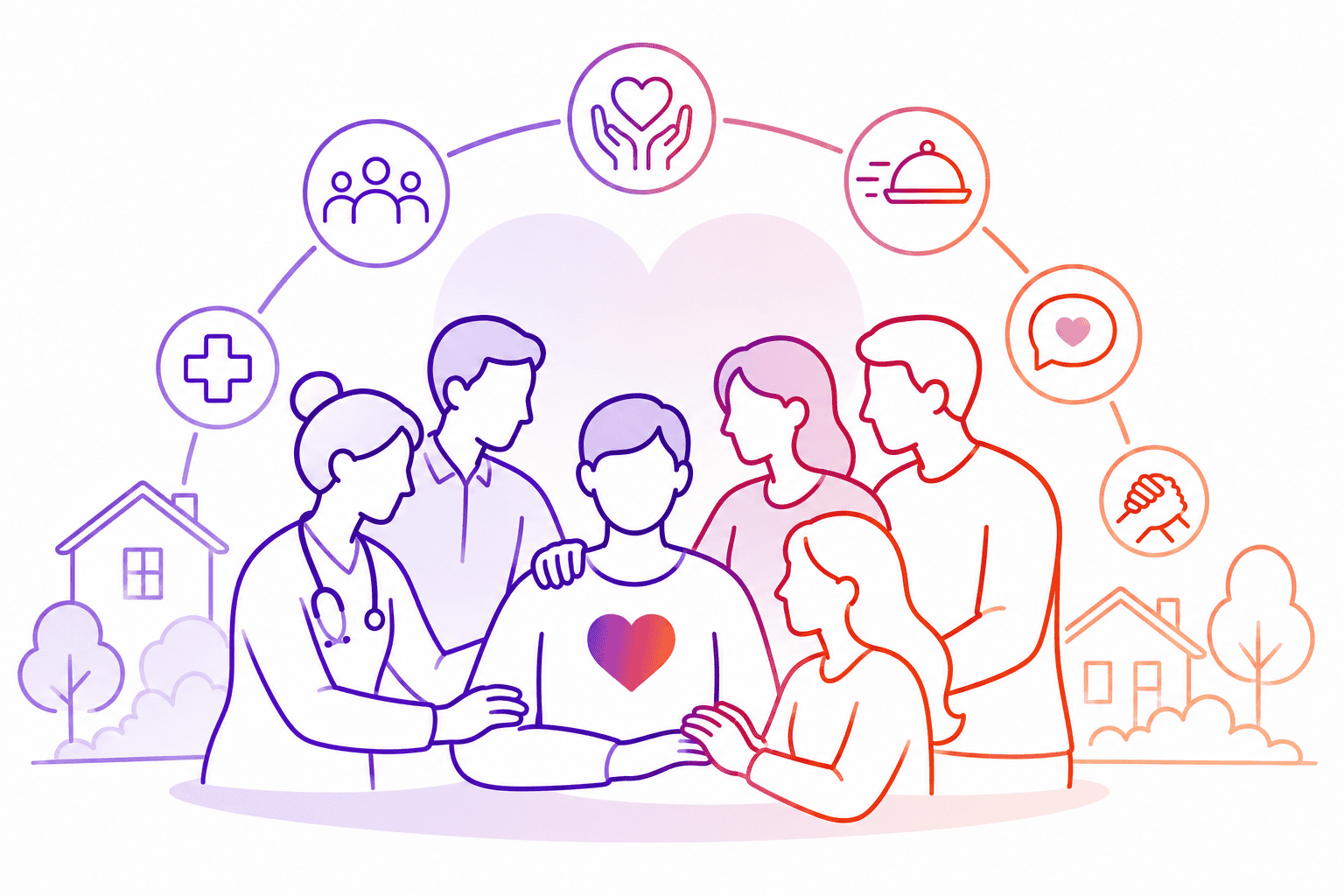
The Anatomy of a Support Network
The "village" is a dynamic entity, shifting and expanding as the disease progresses. It comprises an eclectic mix of family members, friends, dedicated clinicians, and even strangers whose small acts of service—a meal train, a ride to the infusion center, or a simple listening ear—become the scaffolding upon which a patient’s emotional stability is built.
For many, the cancer journey is not merely a medical crisis; it is a profound test of social endurance. When traditional support systems are stretched, the village often recruits from unexpected quarters, turning nurses, neighbors, and fellow survivors into essential pillars of care.
Portraits of Resilience: Patient Chronologies
The power of this support is best understood through the journeys of those who have navigated the most harrowing diagnoses.
Dana Deighton: The Persistence of Hope
When Dana Deighton received a stage 4 esophageal cancer diagnosis, the prognosis was grim, with medical professionals suggesting she had few options. Her journey was defined by a series of bureaucratic hurdles—specifically insurance authorization—which led her to a nurse coordinator who transformed from a point of contact into a lifelong ally.
"She stayed with me for the rest of my treatment, and to this day, I still send her a Christmas card because she really moved mountains and made things happen," Deighton recalls. Through her network, Deighton found a specialist who provided the missing ingredient: hope. This led to a 15-hour surgery and, eventually, a compassionate use program for immunotherapy that rendered her disease-free. Today, Deighton has come full circle, serving as a mentor to those just beginning their own journeys.
Oswald Peterson: Building a Chosen Family
For Oswald Peterson, a diagnosis of stage 4 lung cancer arrived during a period of acute personal loss, following the deaths of his mother and his partner. As an only child, the isolation felt absolute. However, his treatment under Dr. Catherine Shu introduced him to immunotherapy and, more importantly, a network of friends who refused to let him suffer alone.
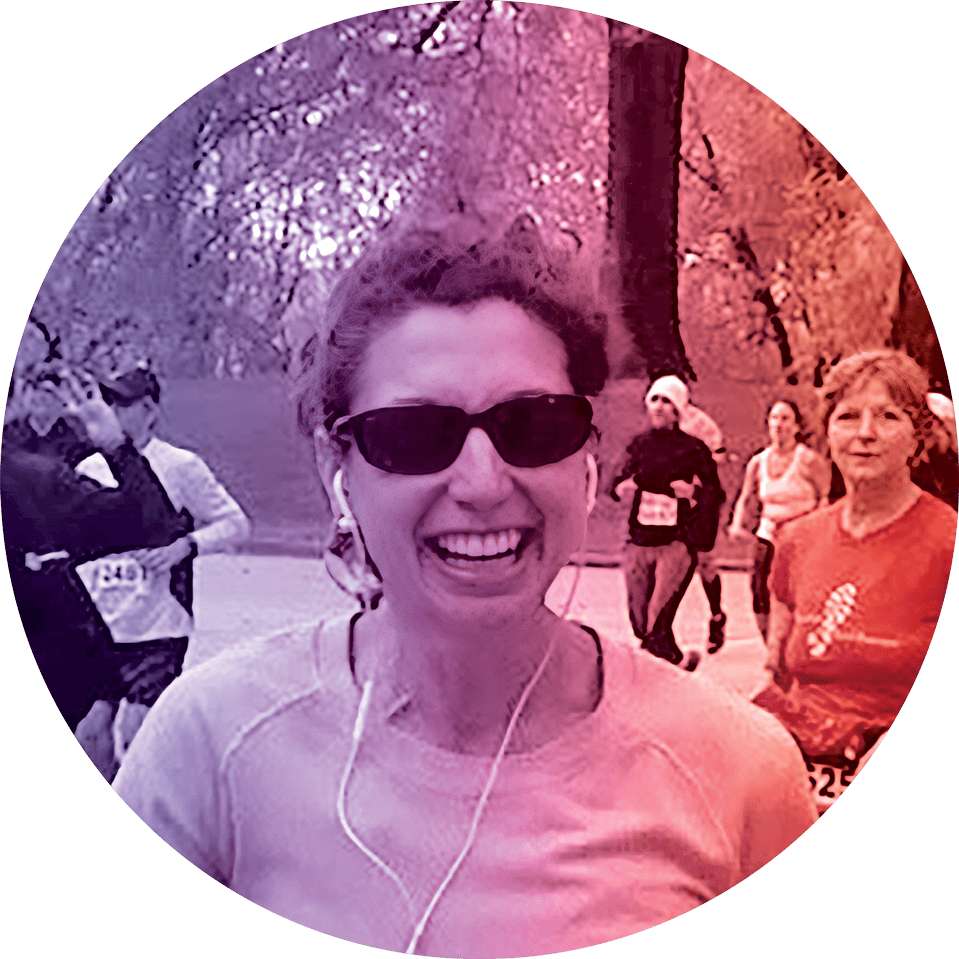
Friends organized rigid, rotating shifts to ensure Peterson was never hospitalized by himself. Their support extended to the domestic front, where they managed his household, prepared meals, and provided the logistical stability he needed to focus on healing. "It was really, really special to know that there are people in your life who appreciate you that way, that they step up when you truly need them," Peterson says. Today, he credits that network with his return to the things he loves, including the vibrant culture of Trinidad’s Carnival.
Jeff Atkinson: The Power of Targeted Intervention
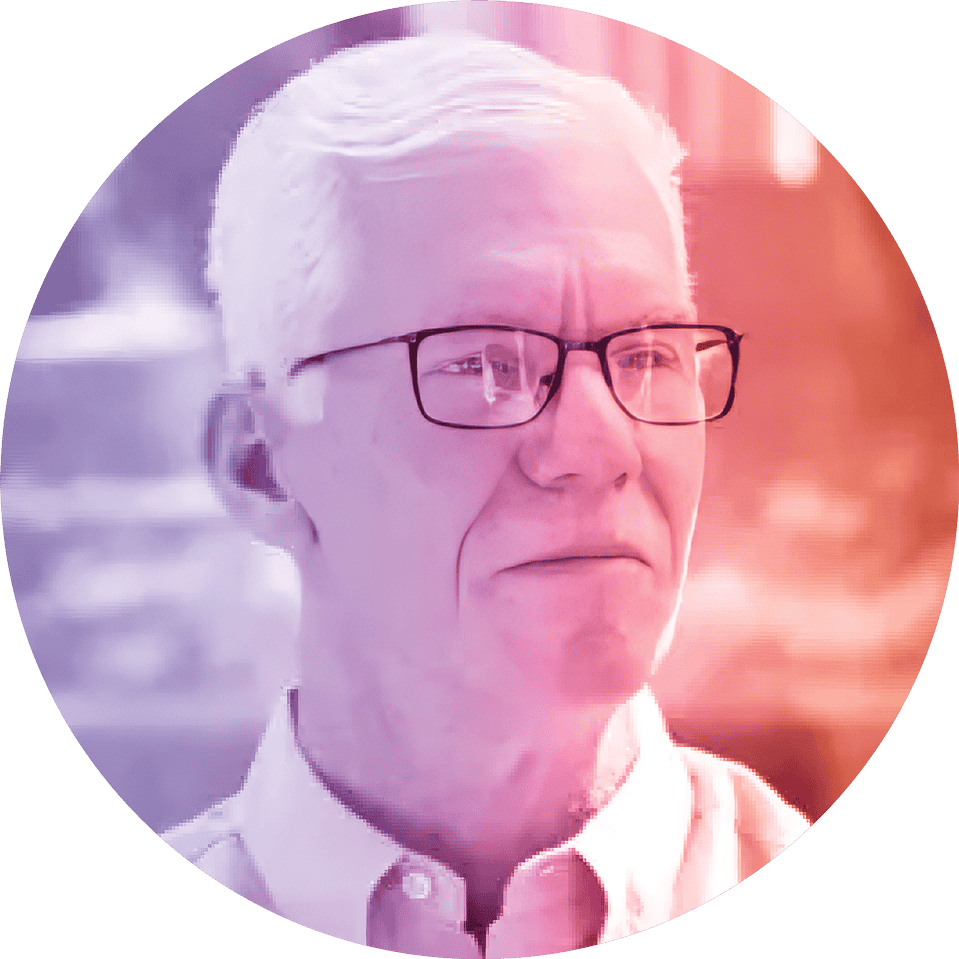
Jeff Atkinson’s diagnosis of stage 4 mucosal melanoma in 2016 was met with the devastating news that there was no known cure. Yet, his oncologist, Dr. Justin Favero, provided a lifeline through immunotherapy. Atkinson’s journey was not linear; he faced significant complications, including a severe rash that forced a temporary halt to treatment.
His wife and care team served as his primary advocates during these setbacks, managing side effects and maintaining the momentum of his care. By 2017, he was cancer-free. As he approaches his 10-year survival anniversary, Atkinson has transitioned into a vocal advocate for the potential of immunotherapy, helping bridge the gap for newly diagnosed patients who are navigating similar uncertainties.
Jenney Bitner: A Community Rallied
Perhaps no story illustrates the sheer breadth of a "village" better than that of Jenney Bitner. Diagnosed with stage 4 metastatic melanoma while 22 weeks pregnant, her journey involved brain surgery, the premature birth of her son, and aggressive immunotherapy.
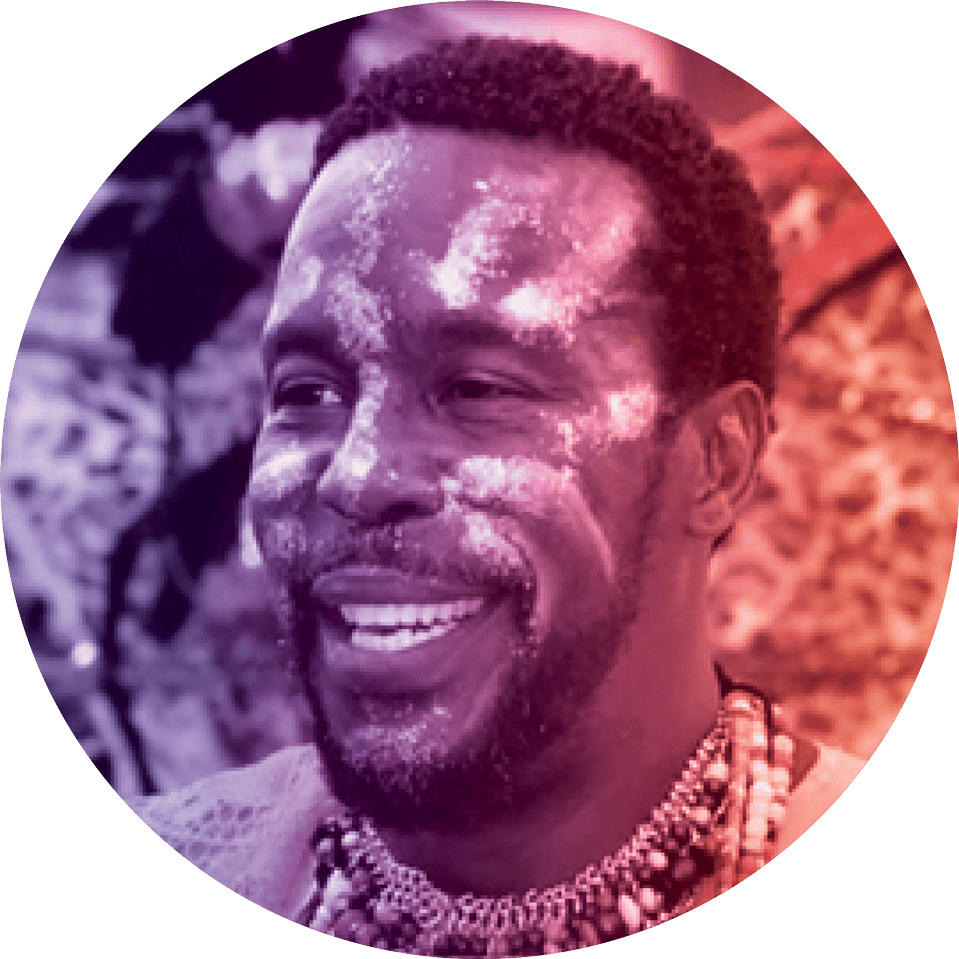
While her husband handled the complex medical navigation, her broader community—neighbors, church members, and total strangers—rallied to provide meals for an entire year and childcare for her children. "If someone needs help, just do something," Bitner advises. "Don’t even ask what they need, because they need everything."
Gordon Levine: From Survivor to Advocate
Gordon Levine’s experience with stage 3 colon cancer, which eventually progressed to stage 4, highlights the importance of the "second opinion" and the evolution of survivor advocacy. After a failed clinical trial, Dr. Aaron Miller at UC San Diego recognized that Levine’s severe side effects were actually evidence of a robust immune response.
This pivot to a new immunotherapy regimen led to his tumors "melting away." Since achieving remission, Levine has made advocacy his mission. By participating in patient panels and conferences, he has turned his personal trauma into a roadmap for others, emphasizing the unique, often overlooked challenges of long-term survivorship.
Supporting Data: The Impact of Immunotherapy
The medical commonality across these stories is the emergence of cancer immunotherapy as a game-changer. Unlike chemotherapy, which attacks cancer cells directly but often damages healthy tissue, immunotherapy works by empowering the patient’s own immune system to identify and destroy malignant cells.
Data from the Cancer Research Institute indicates that:
- Checkpoint Inhibitors: Drugs such as nivolumab and ipilimumab have significantly extended survival rates for patients with previously terminal diagnoses like stage 4 melanoma and lung cancer.
- Compassionate Use Programs: These initiatives remain vital for patients who have exhausted standard-of-care options, providing access to experimental treatments that can lead to long-term remission.
- Integrated Care: Clinical outcomes are consistently higher in patients who have robust social support systems, as these networks ensure adherence to complex treatment schedules and help manage the psychological burden of the disease.
Official Perspectives: The Role of the Caregiver
Medical professionals increasingly acknowledge that the patient’s support network is a clinical asset. A patient who is fed, transported, and emotionally bolstered is more likely to withstand the rigors of immunotherapy and surgical recovery.
"The physician’s role is to provide the science," says Dr. Aaron Miller. "But the village provides the environment in which that science can actually do its work."
There is a growing movement in the medical community to formalize support for caregivers. Advocacy groups are pushing for hospital policies that include family training, mental health resources for partners, and respite care for those acting as primary support. The implication is clear: treating the patient in isolation is a legacy approach. Modern oncology must treat the entire ecosystem.
Implications for the Future
The stories of Deighton, Peterson, Atkinson, Bitner, and Levine offer more than just hope; they provide a blueprint for a new standard of care.
- Peer-to-Peer Mentorship: Integrating survivors into the early stages of a new patient’s journey reduces anxiety and provides realistic expectations.
- Community Mobilization: The "Jenney Bitner approach"—where communities are encouraged to provide tangible help without waiting for requests—should be a normalized social response to a cancer diagnosis.
- Advocacy for Long-Term Survivors: As survival rates improve due to immunotherapy, the medical system must prepare for a growing population of long-term survivors who require ongoing support for survivorship issues, not just acute disease management.
As we conclude this World Cancer Support Month, the message is one of shared responsibility. Cancer remains a formidable opponent, but when met with the combined power of cutting-edge immunotherapy and an unwavering village, the trajectory of the disease can be altered.
Ultimately, every act of support—no matter how small—is a clinical intervention in its own right. Whether it is a doctor discovering a new treatment path or a neighbor delivering a hot meal, these actions weave together to form a safety net that catches those who might otherwise fall. When we support people with cancer, we do more than provide help; we become a vital, inextricable part of their story of survival.