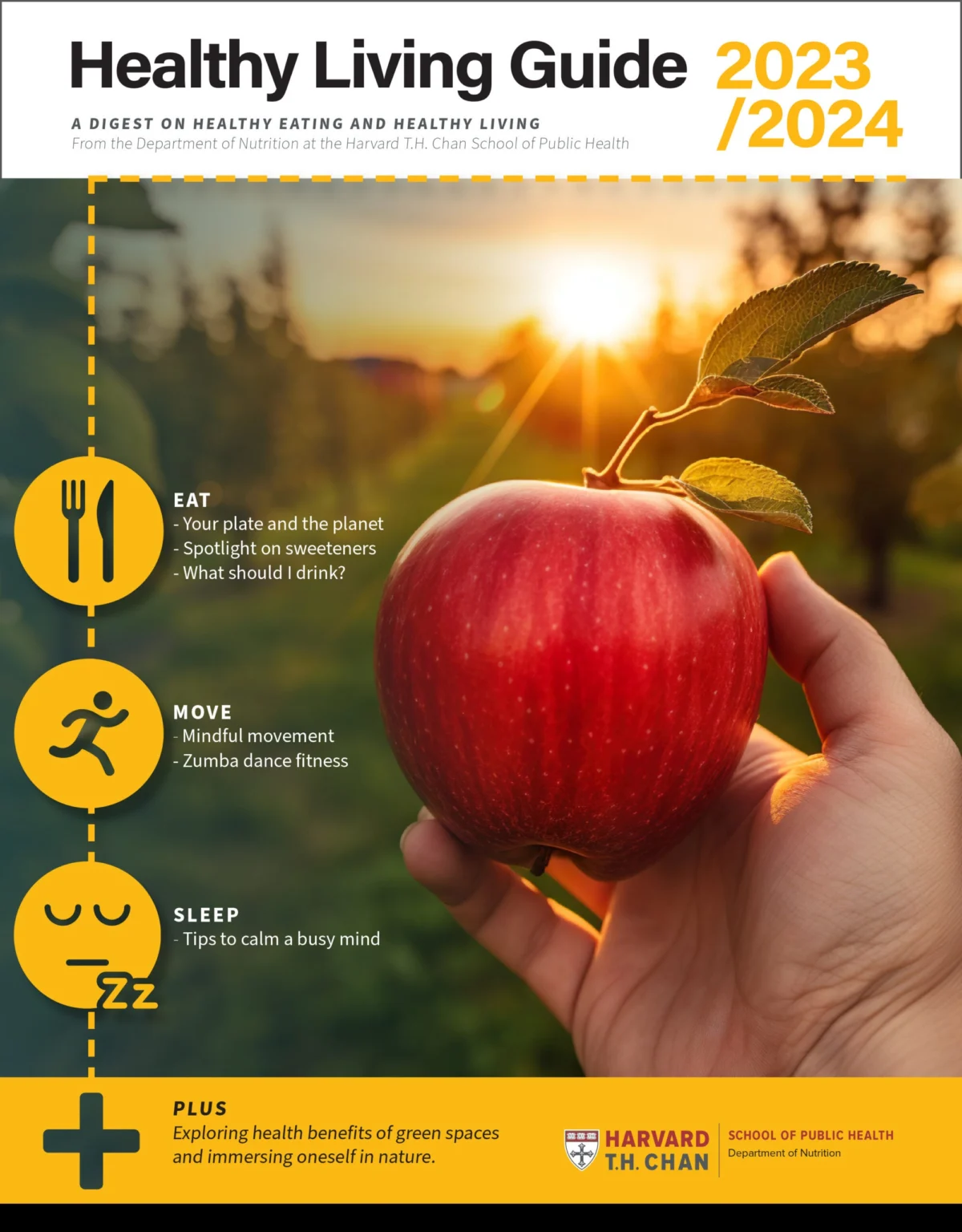
"The apple in your hand is the body of the cosmos." This profound observation by the late Zen master Thich Nhat Hanh serves as the guiding philosophy for the latest iteration of the Harvard Department of Nutrition’s Healthy Living Guide. As we step into 2024, the landscape of public health is undergoing a paradigm shift, moving away from purely prescriptive medical advice toward a more holistic, interconnected understanding of how our daily choices—what we eat, how we move, and how we rest—impact both our individual vitality and the global ecosystem.
Main Facts: A New Era of Mindful Nutrition
The fourth edition of the Healthy Living Guide is more than a collection of dietary recommendations; it is a synthesis of the most current clinical research and behavioral science. This year’s publication marks a significant milestone: the inaugural year of the Thich Nhat Hanh Center for Mindfulness in Public Health.
The Center’s establishment signals a formal commitment by the academic community to bridge the gap between ancient mindfulness practices and modern epidemiological research. The core premise is that "mindful eating" is not merely a tool for weight management or personal wellness, but a mechanism for planetary sustainability. By becoming more aware of the source of our food and the impact of our consumption patterns, the Guide argues that individuals can contribute to a healthier population at large.
The 2023-2024 edition provides a comprehensive, downloadable resource that serves as a roadmap for those seeking evidence-based guidance in a sea of wellness misinformation. It covers the three pillars of longevity: nutritional science, physical activity, and restorative sleep.
Chronology: The Evolution of the Healthy Living Guide
The Harvard Department of Nutrition has spent years curating these annual digests, but the trajectory has become increasingly sophisticated:
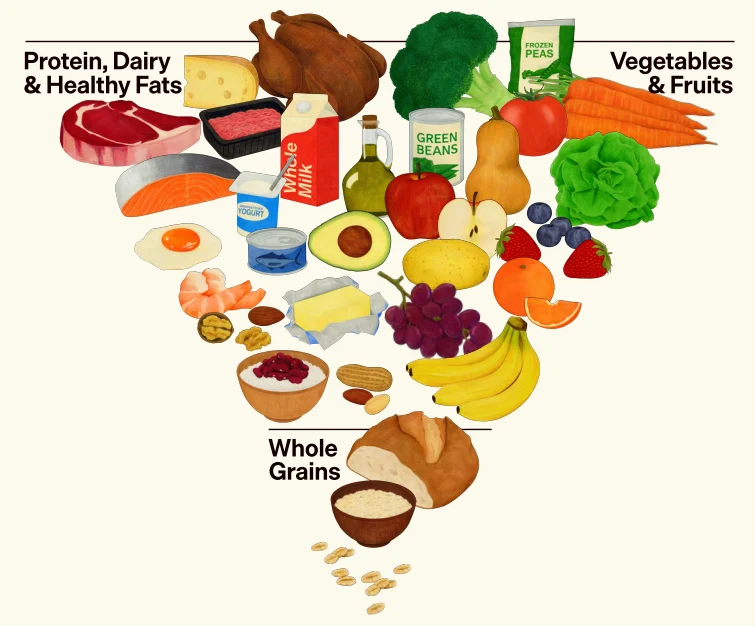
- Pre-2020: The Department focused heavily on the "Healthy Eating Plate" and foundational dietary guidelines, emphasizing macronutrient balance and disease prevention.
- 2020-2022: As the pandemic forced a global re-evaluation of health, the Guide shifted toward holistic wellness, integrating mental health and sedentary behavior as critical public health metrics.
- 2023: A banner year for the Department, marked by the formal launch of the Thich Nhat Hanh Center. This year also saw an increased focus on the intersection of climate change and diet.
- 2024: The current edition synthesizes the research of the past twelve months, focusing on the dangers of ultra-processed foods, the nuance of "chronotypes" in sleep medicine, and the therapeutic power of movement.
Supporting Data: What the Science Tells Us
The Healthy Living Guide relies on robust peer-reviewed data to debunk common health myths. This year’s edition highlights several critical research areas that are shaping current public health policies.
The Ultra-Processed Food Crisis
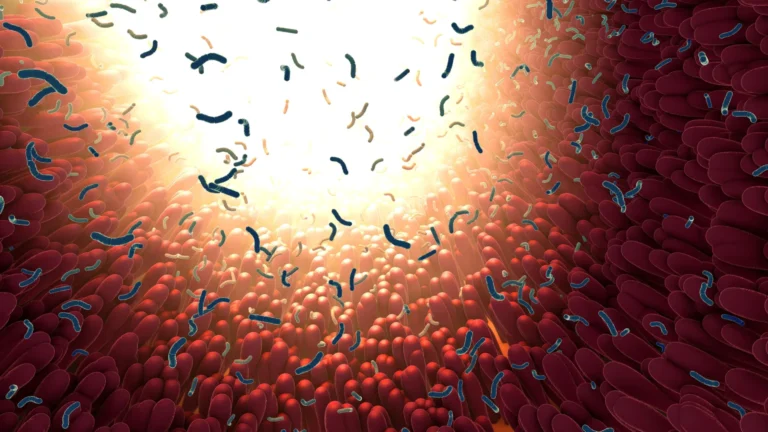
Perhaps the most significant section of the current Guide addresses the pervasive influence of ultra-processed foods (UPFs) on mental health. Recent studies featured in the report indicate that the consumption of hyper-palatable, nutrient-poor foods is not just a driver of obesity and diabetes, but is strongly correlated with increased rates of anxiety and depression. The evidence suggests that the chemical additives and lack of structural integrity in these foods may negatively alter the gut-brain axis, leading to systemic inflammation.
The Science of Chronotypes
Sleep, often the "third pillar" of health alongside diet and exercise, is explored through the lens of "chronotypes." The Guide clarifies that not everyone is designed for a 9-to-5 existence. By understanding individual circadian rhythms—whether one is a "morning lark" or a "night owl"—individuals can optimize their cognitive performance and metabolic health. The research underscores that misalignment between one’s social schedule and biological clock (social jetlag) is a significant contributor to cardiovascular issues.
Movement as Medicine
Physical activity is also framed through a new lens. Moving beyond the "gym culture" mindset, the Guide advocates for movement that brings joy, such as dance-based exercise like Zumba. The data shows that the psychological benefits of group movement and rhythmic exercise significantly enhance adherence rates, proving that the best exercise is the one that an individual will actually perform consistently.
Official Responses and Expert Perspectives
Researchers at the Harvard T.H. Chan School of Public Health emphasize that the integration of mindfulness is not a departure from science, but an advancement of it. Dr. Walter Willett and his colleagues have consistently championed the idea that health is a product of our environment and our awareness of that environment.
"The goal," notes the editorial team behind the 2023-2024 Guide, "is to provide individuals with the agency to make decisions that honor both their physical needs and their mental state." The establishment of the Thich Nhat Hanh Center has drawn praise from global health organizations for prioritizing the "inner environment" of the consumer. By researching how mindfulness influences food choices, the Center is essentially mapping the psychology of nutrition.
The official stance from the Department is that we are at a tipping point. As the cost of chronic disease continues to strain global healthcare systems, the focus must shift from reactive medicine to the proactive, daily habits that characterize a healthy life.
Implications for the Future of Public Health
What does this mean for the average person? The implications of the 2023-2024 Healthy Living Guide are profound:
- Democratization of Wellness: By providing free, printable tip sheets and actionable summaries, the Department is working to reduce health disparities by making high-level nutritional science accessible to everyone, regardless of their background or economic status.
- Sustainability as a Health Metric: The Guide implies that individual health and environmental health are inextricably linked. When we choose whole, unprocessed foods, we are typically choosing products that have a lower carbon footprint, thereby aligning personal health with planetary stewardship.
- The Rise of Integrative Care: Future health initiatives will likely rely more heavily on the multidisciplinary approach showcased in this year’s Guide. Future medical advice will increasingly include recommendations on sleep hygiene and mindful consumption as standard treatments for chronic conditions.
Conclusion: A Call to Action
The 2023-2024 Healthy Living Guide is a call to action for the reader to move beyond passive consumption—whether that be of food, media, or time—and into a state of intentionality. Whether it is through the simple act of choosing a whole apple over a processed snack or adjusting one’s sleep schedule to better align with one’s chronotype, the Guide insists that these micro-decisions have macro-consequences.
As we move further into 2024, the Harvard Department of Nutrition invites the public to engage with these resources, test their knowledge against the previous year’s findings, and adopt a mindset that views the body as an extension of the broader, interconnected world. By focusing on mindfulness, nutrition, movement, and sleep, we can foster a healthier society, one individual at a time.
Readers are encouraged to download the full Healthy Living Guide (PDF) to access the comprehensive printable tip sheets and the latest summaries of the department’s findings.