










Published: August 28, 2026 | Archives Series: Yoga Journal (Originally published March-April 1982)
For decades, the practice of yoga has been viewed not merely as a series of physical contortions, but as a deliberate pathway to mental clarity. Among the foundational postures of Hatha Yoga, Janu Sirsasana, or Head-to-Knee Pose, stands as a profound intersection of anatomy and meditation. As we revisit this classic instruction from the Yoga Journal archives, we uncover the enduring philosophy that the posture is not a goal to be reached, but a vessel for stillness.
The Anatomy of Stillness: Main Facts
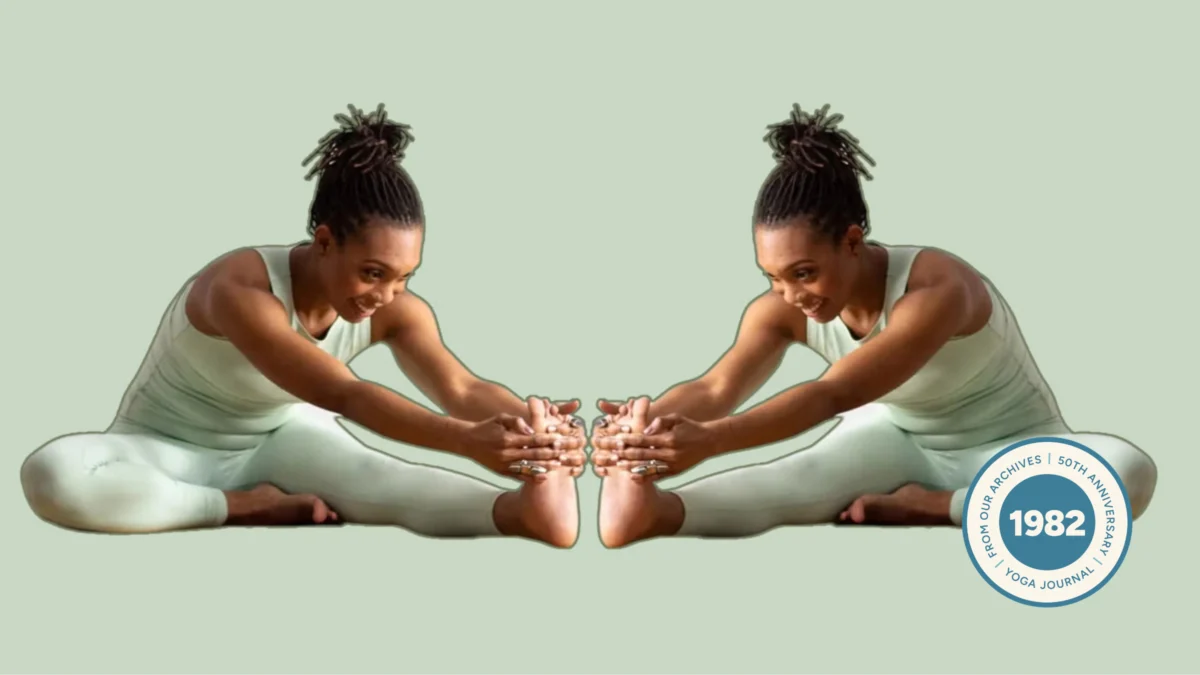
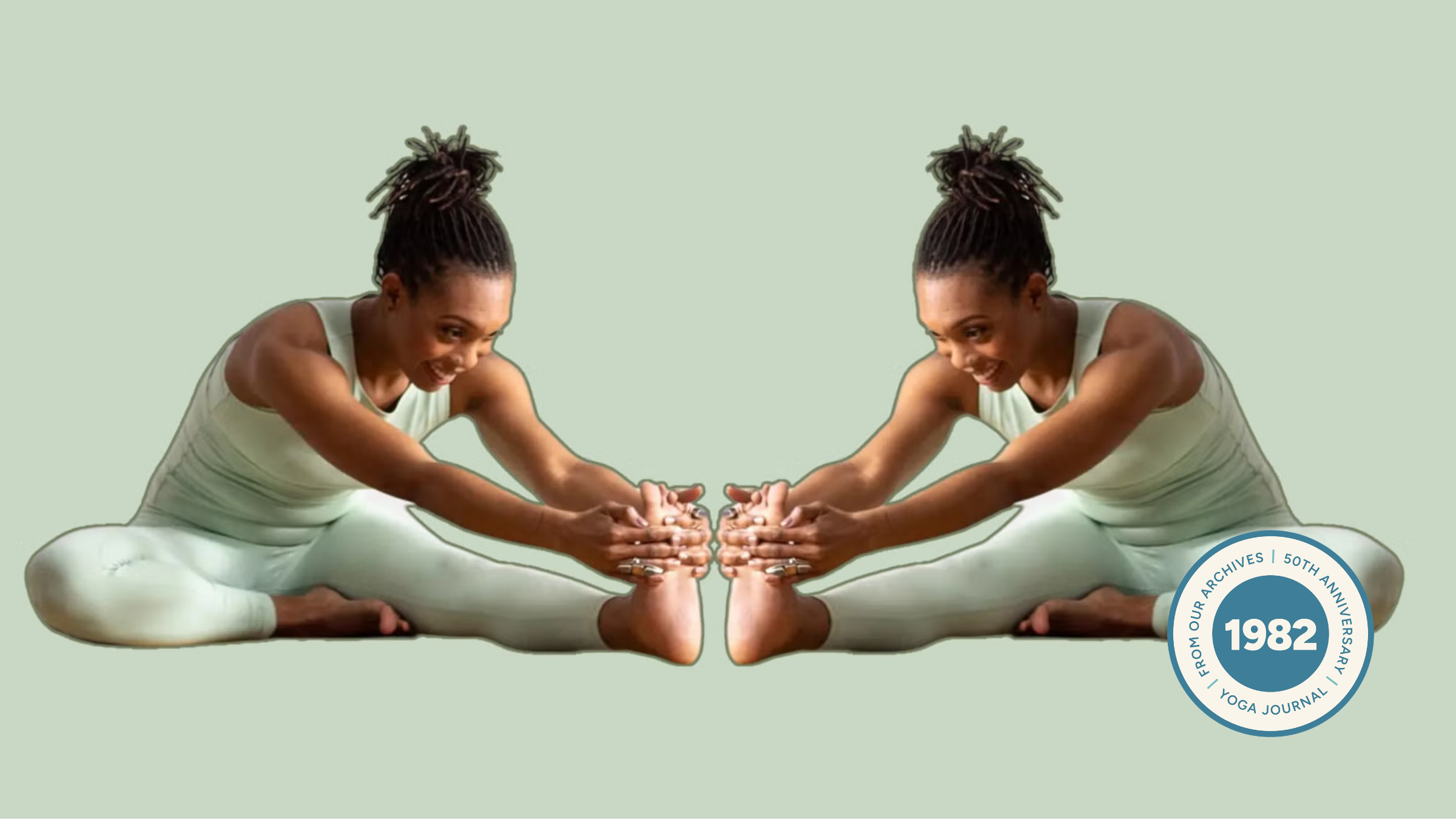
Janu Sirsasana derives its name from the Sanskrit roots Janu (knee) and Sirsa (head). Pronounced "Ja-nu-shear-SHA-sa-na," the pose is frequently misconstrued as a simple forward fold. However, its true essence lies in the firm engagement of the kneecap and the careful, controlled extension of the vertebral column.
When performed with precision, the posture facilitates a near-total elongation of the spine. This occurs primarily through the anterior rotation of the pelvis over the heads of the femurs. In the context of Hatha Yoga science, this alignment is paramount. The spinal column houses the spinal nerves, which exit laterally through the vertebrae to innervate the organs and musculature of the body. Any excessive rotation or forced rounding of the spine can impinge upon these nerves and, according to traditional yogic theory, disrupt the subtle flow of prana (energy), thereby affecting the clarity of one’s consciousness.
The goal of Janu Sirsasana is to minimize spinal disturbance. By hinging from the hip joints rather than the waist, the practitioner preserves the spine’s natural curvature, allowing for a deep, meditative state that is difficult to replicate in more chaotic, movement-heavy practices.
A Chronology of Practice: The Evolution of an Asana
The history of Janu Sirsasana within Western yoga practice reflects a shift from purely physical fitness to the integration of mind-body awareness.
- Pre-1970s: Yoga in the West was often taught as a rigid, gymnastic pursuit. The emphasis was on flexibility, often leading to rounded spines and potential injury.
- 1982: The original publication of this article marked a turning point in Yoga Journal’s editorial direction. It shifted the narrative from "reaching the foot" to "finding the stillness." It introduced the concept of the pose as a "meditation in motion."
- 1990s–2010s: The rise of "Power Yoga" and commercialized fitness yoga often prioritized the aesthetic of the pose, occasionally losing the nuance of the pelvic rotation discussed in the 1982 archives.
- 2026 (Present Day): As yoga returns to its therapeutic roots, the pedagogical focus has circled back to the alignment-based principles documented in 1982, emphasizing injury prevention and the psychological benefits of sustained, mindful practice.
Supporting Data: The Cycle of Resistance and Release
One of the most compelling aspects of the 1982 analysis is the observation of the "cycle of resistance." The practitioner’s experience in Janu Sirsasana is rarely linear. It is a recurring wave of physical sensation:
- The Initial Encounter: As the practitioner enters the pose, resistance manifests in the hamstrings and the posterior thigh.
- The Peak of Conflict: As the body resists the stretch, the mind becomes agitated. This is where many students abandon the pose.
- The Release: If the practitioner chooses to remain, the body naturally adapts, creating a wave of release that allows for a deeper entry into the posture.
- The Return of Resistance: The cycle repeats at a deeper level.
This process is not a sign of failure but the very essence of the practice. By using the "will" to hold the posture, the student learns to navigate the discomfort. In this context, discomfort serves as a "focusing point"—an anchor for the mind. Without this point of concentration, the mind inevitably wanders, making it impossible to achieve the meditative stillness that characterizes true yoga.
Official Guidelines: How to Practice Janu Sirsasana
To derive the full benefit of the pose, adherence to structural alignment is non-negotiable. Practitioners are encouraged to follow this methodical approach:
The Setup
Begin in Dandasana (Seated Staff Pose), legs extended, spine tall. Hands rest lightly beside the upper thighs. Engage the kneecap of the straight leg to face the ceiling. Bend the opposite knee toward the chest, then allow the leg to drop outward, resting the sole of the foot against the inner thigh of the extended leg. For beginners, a 90-degree angle between the legs is standard; intermediate students may widen this angle.
The Execution
- Pelvic Engagement: Place hands behind the back to facilitate an upright spine. Focus on rolling the pelvis forward rather than hunching the shoulders.
- Maintaining the Curve: Ensure the lumbar region maintains its natural inward curve. If necessary, sit on a rolled mat or folded blanket to assist this rotation.
- Forward Movement: Using the exhalation, move the chest toward the thigh. Crucially, the movement originates from the pelvis. Do not force the head to the knee. Rounding the back is counterproductive and risks damaging spinal discs.
- The Breath: Hold the pose for several breaths, focusing on the elongation of the spine. Intermediate students may hold the position for 5–10 minutes to reach the deeper meditative layers.
Implications for the Modern Practitioner
The enduring lesson of Janu Sirsasana lies in the distinction between "goal-oriented" and "process-oriented" yoga. In an era of digital distractions and high-stress lifestyles, the invitation to find a "still point" in the mind is more relevant than ever.
For the Student
The realization that discomfort is a tool for concentration changes the nature of the practice. When a student stops viewing the hamstring stretch as a "problem to be solved" and begins viewing it as a "place to stay," the practice shifts from physical labor to internal inquiry.
For the Teacher
Teachers must be cautious of the "goal-oriented" student. For those with tight hamstrings, the advice is clear: prioritize elongation over depth. Utilizing props, such as belts, can help the student maintain an upright spine while transitioning into the forward movement. Encouraging students to "release the spine upward" before moving forward ensures that the mid-back does not become a site of unnecessary tension.
The Philosophical Impact
Ultimately, Janu Sirsasana serves as a mirror for how we handle life’s challenges. The peaks of resistance and the valleys of surrender mirror the ebbs and flows of our daily lives. As the 1982 archives remind us, when we resolve the "conflict" of the pose into stillness, we are not just practicing a posture—we are practicing the art of living. Over time, the peaks and valleys become less dramatic, and the student learns to move directly into the quietness that is the true definition of yoga.
In conclusion, Janu Sirsasana remains a cornerstone of the Hatha tradition precisely because it forces us to confront our internal resistance. It is a reminder that the most profound movements often happen internally, within the quiet stillness of a focused mind and a perfectly aligned spine.