











For the first time since 2018, the medical landscape regarding cardiovascular health has undergone a seismic shift. On March 28, 2026, the American College of Cardiology (ACC) and the American Heart Association (AHA) unveiled their long-awaited, comprehensive clinical guidance on the screening and management of blood cholesterol. Presented at the ACC’s 75th Annual Scientific Session in New Orleans and simultaneously published in the Journal of the American College of Cardiology and Circulation, these guidelines represent the most significant update in nearly a decade.
This new framework is not merely an adjustment of previous standards; it is a fundamental pivot toward earlier intervention, genetic awareness, and personalized medicine. By integrating advanced risk-assessment tools and aggressive lipid-lowering targets, the guidelines aim to curb the rising tide of cardiovascular disease (CVD)—the leading cause of death globally.
The Chronology of Change: From Reactive to Proactive
The journey to these 2026 guidelines began in the shadow of shifting demographics and evolving data. Since the 2018 guidance, the prevalence of cardiovascular risk factors has remained stubbornly high, with approximately one in four American adults currently living with elevated low-density lipoprotein (LDL) cholesterol.
The path to the 2026 update was paved by several critical milestones:
- 2018-2023: A period of gathering real-world evidence showing that the previous 10-year risk models were underestimating the lifetime burden of atherosclerotic cardiovascular disease (ASCVD).
- 2024: The emergence of robust data from trials like VESALIUS-CV, which underscored the benefits of more aggressive, long-term LDL reduction.
- March 2026: The official unveiling at the ACC’s 75th Annual Scientific Session.
- Post-Session: The publication of "The ABCs of Cardiovascular Disease Prevention: Communicating What We Know in 2026" in the American Journal of Preventive Cardiology, which serves as a clinical companion to the main guidelines.
This evolution reflects a transition from "treating the numbers" to "managing the life trajectory" of the patient, prioritizing prevention decades before a cardiac event ever occurs.
Supporting Data: Why the Shift Was Necessary
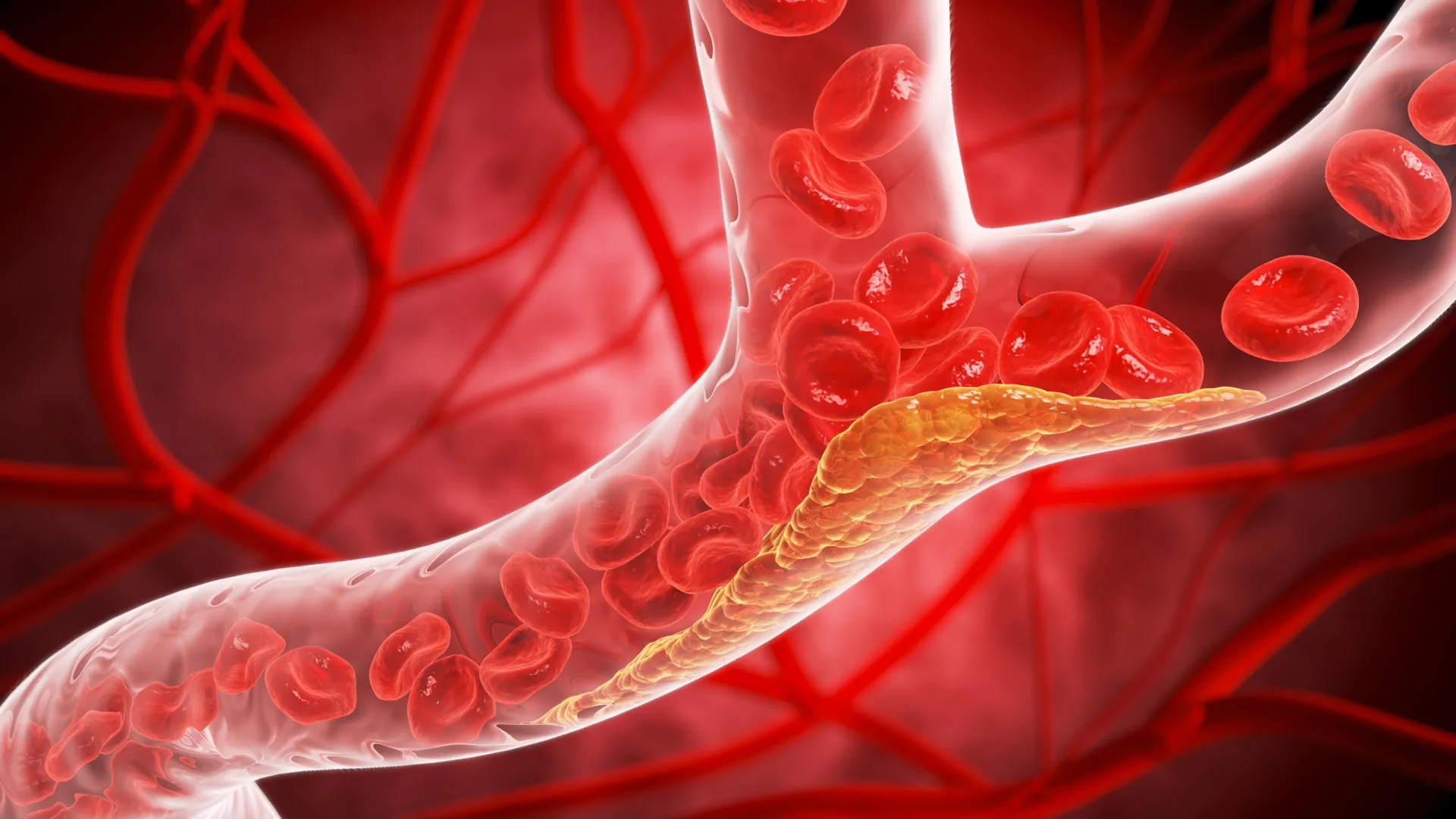
The urgency behind these new recommendations is rooted in stark statistical realities. Atherosclerosis—the narrowing of the arteries due to plaque buildup—often begins in early adulthood. When these lipids accumulate, they form plaques that can restrict blood flow, rupture, and trigger catastrophic events like heart attacks or strokes.
The PREVENT Calculator
One of the most significant technical advancements in the 2026 guidelines is the introduction of the Predicting Risk of Cardiovascular Disease EVENTs (PREVENT) calculator. Unlike its predecessor, which relied on a narrow dataset of 26,000 individuals, the PREVENT tool is built upon the health records of 6.6 million people.
Key improvements include:
- Expanded Scope: Now includes indicators for kidney function and blood sugar levels.
- Earlier Intervention: While the old model focused on 40-year-olds and older, the new tool is designed for use starting at age 30.
- Long-Term Accuracy: It provides both 10-year and 30-year risk projections, allowing clinicians to see the "long game" of a patient’s health.
The Genetic Component
The guidelines also place a new, heavy emphasis on genetic risk factors, specifically Lipoprotein(a), or Lp(a). This genetically determined blood fat can raise heart disease risk by 40% at levels of 125 nmol/L, and it doubles that risk at 250 nmol/L. The 2026 guidelines recommend a one-time screening for Lp(a) to identify high-risk individuals who may appear "healthy" on standard lipid panels but remain at significant danger.
Official Perspectives: A Call to Action
The writing committee, chaired by Dr. Roger S. Blumenthal, director of the Johns Hopkins Ciccarone Center for the Prevention of Cardiovascular Disease, emphasized that while the science of treatment has advanced, the foundation of heart health remains rooted in lifestyle.
"We know that lower LDL cholesterol levels are better when it comes to reducing the risk of heart attacks, strokes, and congestive heart failure," Dr. Blumenthal stated. "Bringing elevated lipids and blood pressure down in young adults supports optimal heart and vascular health throughout a person’s life."
Dr. Seth Martin, a cardiologist and committee member, echoed this sentiment, highlighting the shift in philosophy. "Shifting the paradigm toward proactive prevention strategies earlier in life can meaningfully change the trajectory of cardiovascular disease and lead to better health outcomes for people decades later," he noted.
The committee stresses that 80% to 90% of cardiovascular disease is linked to modifiable factors. Consequently, the guidelines maintain that the "first line of defense" remains a balanced diet, regular physical activity, tobacco cessation, adequate sleep, and weight management.
Implications for Patient Care: A New Clinical Standard
Personalized Risk Assessment
The guidelines move away from a "one-size-fits-all" approach. Clinicians are now directed to look beyond standard cholesterol panels and account for "risk enhancers." These include:
- Inflammation markers: Using high-sensitivity C-reactive protein (hsCRP) to gauge systemic risk.
- Reproductive history: Taking into account early menopause or pregnancy complications like preeclampsia and gestational diabetes.
- Underlying conditions: Factoring in rheumatoid arthritis, HIV, or cancer, all of which can influence long-term vascular health.
- Imaging: Utilizing coronary artery calcium (CAC) scans to visualize plaque buildup before it manifests as symptoms.
Lowering the Thresholds
The 2026 guidelines have set more rigorous targets for LDL-C levels, recognizing that for many, "normal" is no longer enough to prevent disease progression:
- Primary Prevention (No known disease): Aim for LDL-C below 100 mg/dL.
- Intermediate Risk: Aim for levels below 70 mg/dL.
- High-Risk Individuals: Aim for levels below 55 mg/dL.
Diversifying Treatment Options
The reliance on statins remains central, but the 2026 guidance acknowledges the necessity of combination therapy for many patients. The document provides clear pathways for using ezetimibe, bempedoic acid, and PCSK9 inhibitors. These are especially critical for patients with familial hypercholesterolemia—a genetic condition that now necessitates screening as early as age 9—and those who are statin-intolerant or require multi-drug regimens to hit the lower targets.
Looking Toward the Future
The 2026 Guideline on the Management of Dyslipidemia is a collaborative masterpiece, involving multiple medical organizations committed to shifting the focus from reaction to prevention. However, the work is far from finished.
Editorial experts accompanying the guidelines have already suggested that the next iteration may further lower the "optimal" threshold to below 55 mg/dL for patients with moderate atherosclerosis. This forward-looking stance is bolstered by findings from the VESALIUS-CV trial, which demonstrated that aggressive, sustained lipid lowering can halt or even reverse the progression of arterial plaque.
A New Standard for Shared Decision-Making
Ultimately, these guidelines aim to empower patients. By providing clinicians with more accurate risk-prediction tools and a broader range of therapeutic options, the ACC and AHA are facilitating a more nuanced conversation in the exam room. Patients are no longer just "patients"—they are partners in a lifelong strategy to maintain vascular integrity.
The message of the 2026 guidelines is clear: Heart disease is not an inevitable consequence of aging. It is a condition that can be anticipated, measured, and managed long before it becomes an emergency. By screening earlier, understanding genetic predispositions, and aggressively targeting lipid levels, the medical community is setting a new course for global heart health—one that prioritizes the health of the patient not just for the next ten years, but for a lifetime.