










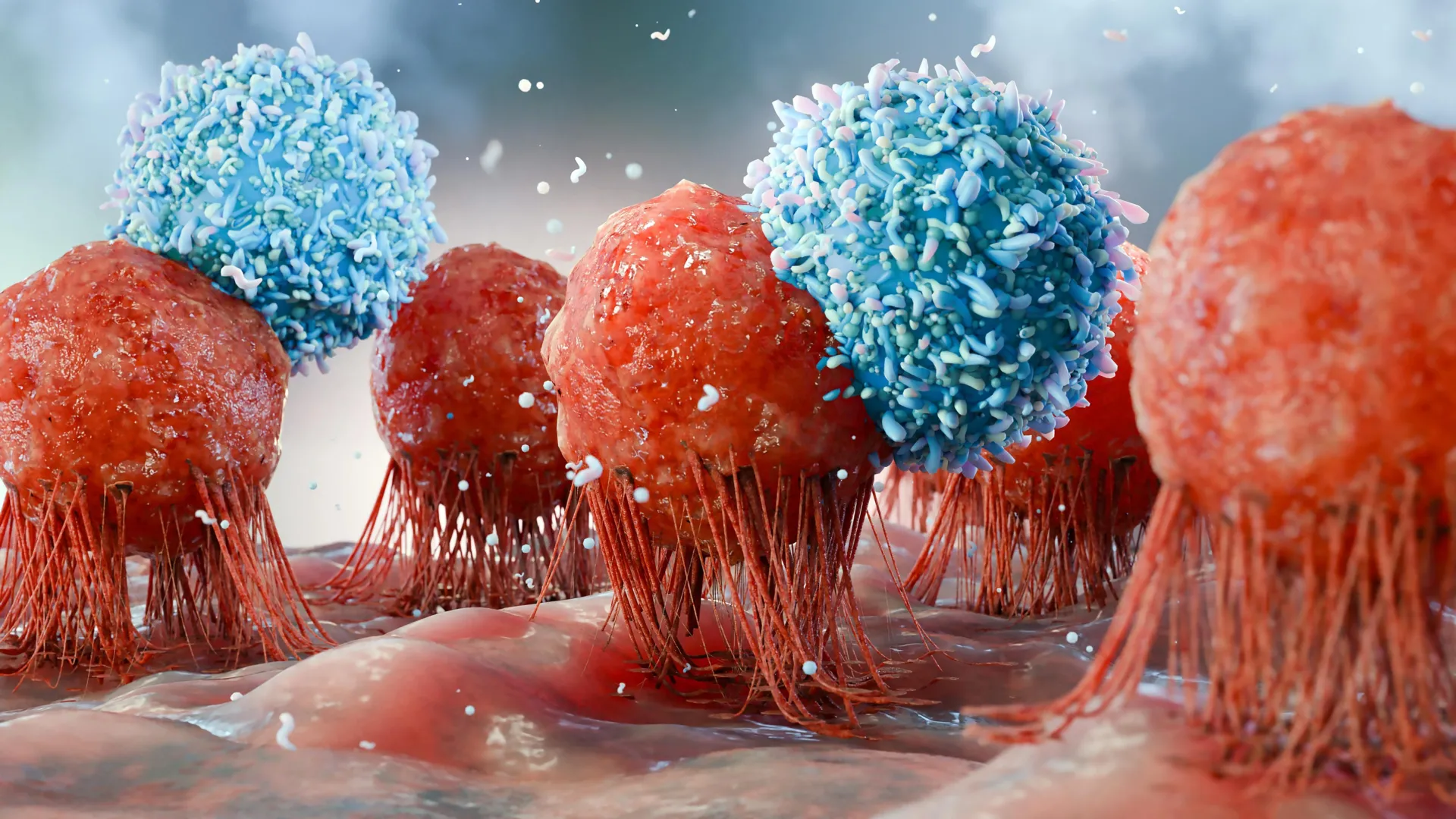
In a breakthrough that bridges the gap between nutrition and oncology, researchers from Trinity College Dublin and University College Dublin (UCD) have uncovered a potential "dietary shortcut" to boosting the immune system. Their study, published in the scientific journal Cell Reports, suggests that a common, commercially available yeast-based supplement—yeast beta-glucan—can fundamentally reprogram immune cells in the bone marrow, effectively "training" them to become more aggressive in hunting down cancer cells.
This discovery is particularly significant for populations affected by obesity. Obesity is well-documented to suppress immune function, often leaving the body’s natural defenses ill-equipped to identify and destroy tumors. By demonstrating that dietary intervention can reverse these long-term immune defects, the Irish research team has opened a promising new frontier in cancer research and metabolic health.
The Core Findings: Training the Body’s Defenses
At the heart of the study is the concept of "trained immunity." Traditionally, scientists believed that only the adaptive immune system—the part of the body that "remembers" past infections—could be trained. However, this new research confirms that the innate immune system, our first line of defense, can also be educated.
The researchers focused on yeast beta-glucan, a naturally occurring polysaccharide found in the cell walls of yeast. In experiments involving laboratory mice, they discovered that when this supplement is ingested, it travels through the body and influences the development of immune cells directly at the source: the bone marrow. By altering the behavior of stem cells, the supplement ensures that the resulting white blood cells are more effective at recognizing and fighting various cancer types, including colorectal, breast, and skin cancers.
Chronology of the Research
The study represents a culmination of years of investigative work by an interdisciplinary team led by Professor Frederick Sheedy of Trinity’s School of Biochemistry and Immunology and Professor Helen Roche of the UCD School of Public Health, Physiotherapy and Sports Science.
- Initial Hypothesis (2020–2021): The team hypothesized that if they could deliver beta-glucan orally, it might bypass the need for invasive procedures. Previous studies had shown that injections of beta-glucan could stimulate immune responses, but injections are not a practical, long-term solution for large populations.
- Experimental Phase (2022–2023): Using a cohort of mice, the researchers introduced both standard and high-fat diets. One group received the yeast beta-glucan supplement (specifically Wellmune™, provided by Kerry Group) for a duration of 4 to 12 weeks.
- The "Challenge" Phase: Once the dietary protocol was established, the mice were challenged with various cancer cells to see if their immune systems could mount a superior response.
- The Weight Loss Variable: Crucially, the researchers studied the persistence of these immune changes. They looked at whether the "trained immunity" remained after the mice lost weight, addressing the clinical observation that immune dysfunction often lingers in humans even after successful weight loss.
- Publication (2024): The peer-reviewed findings were published in Cell Reports, marking the first time dietary delivery of this substance was proven sufficient to trigger systemic immune reprogramming.
Supporting Data: Why Obesity Matters
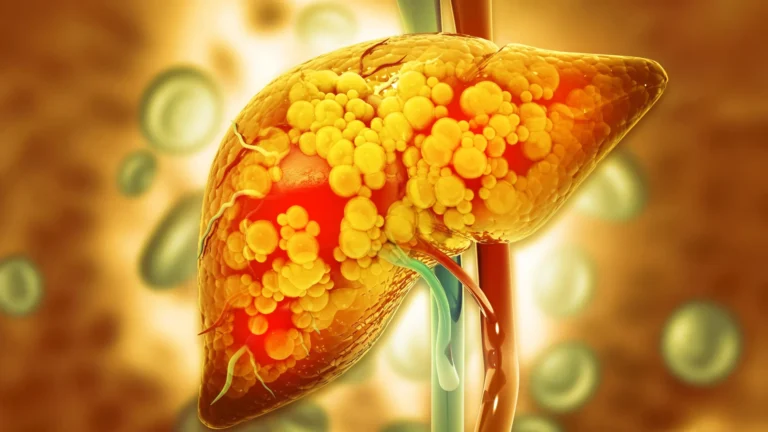
The significance of these findings cannot be overstated, particularly given the global obesity crisis. Obesity is not merely a metabolic concern; it is a profound disruptor of the immune system. Chronic low-grade inflammation associated with excess adipose tissue causes a "tired" or "dysfunctional" immune state.
In the study, the research team found that obese mice displayed a marked inability to control tumor growth compared to their lean counterparts. When these obese mice were given the yeast beta-glucan, the supplement acted as a biological reset button. The researchers observed:
- Restoration of Innate Immunity: The supplement restored the ability of immune cells to infiltrate and attack tumor sites, even in a high-fat environment.
- Reversal of Long-term Defects: Perhaps most importantly, the researchers found that even after the mice returned to a healthy weight, the immune systems of those who had not received the supplement remained "damaged" or slow to respond. The beta-glucan group, however, showed a persistent "memory" of the immune training, maintaining stronger defenses long after the initial dietary intervention.
Official Responses and Expert Perspectives
The research team has been vocal about the potential clinical applications of their work. Dr. Anna Ledwith, the first author of the paper, emphasized the intentional design of the experiment. "We wanted to investigate whether a common dietary supplement could reprogram early-stage immune cells in the bone marrow to produce long-lasting, enhanced anti-tumor immune responses," she noted.
Professor Helen Roche, who directs the UCD Conway Institute, highlighted the paradigm shift this study represents. "This is the first demonstration that dietary delivery of yeast beta-glucan is sufficient to induce trained immunity through reprogramming of bone marrow stem cells," Roche said. "Previous research required injections, which is a major barrier to clinical adoption. Our findings show that we can achieve the same—or better—results through simple dietary delivery."
Professor Frederick Sheedy added that the choice of supplement was strategic. Because the specific yeast beta-glucan used is already food-grade and has an established safety record, the regulatory pathway for human clinical trials is significantly shorter than that for a novel drug. "This research paves the way for dietary intervention studies in people living with obesity, chronic infections, and other immunocompromised populations," Sheedy stated.
Implications for Future Medicine
The implications of this research extend far beyond cancer treatment. If the immune system can be "trained" through diet, we may be looking at a new, non-pharmaceutical approach to improving vaccine efficacy, boosting resistance to seasonal infections, and supporting patients undergoing chemotherapy or immunotherapy.
1. Enhancing Cancer Therapies
Current cancer treatments, such as immunotherapy, rely on a robust immune system to identify and kill cancer cells. If a patient’s immune system is suppressed due to obesity or other chronic conditions, these therapies often underperform. Adding a simple dietary supplement to a patient’s regimen could theoretically "prime" their immune system to better respond to existing oncology treatments.
2. Addressing "Hidden" Immune Dysfunction
One of the most sobering aspects of the study is the discovery that immune dysfunction persists even after weight loss. Many people believe that once they shed excess weight, their health is fully restored. The study suggests that the immune system retains "scars" from obesity. By using dietary interventions like yeast beta-glucan, clinicians might be able to provide an "immune rehabilitation" plan that helps patients regain full functionality.
3. Practicality and Accessibility
Unlike synthetic drugs that require years of development and expensive manufacturing, yeast beta-glucan is already commercially available. Its safety profile is well-documented, meaning it could potentially be integrated into standard-of-care protocols for vulnerable populations much sooner than traditional pharmaceutical breakthroughs.
Conclusion and Future Directions
While the results in mice are highly encouraging, the research team is cautious about overstating the current state of the findings. The next logical step is to move from the laboratory to human clinical trials. Future studies will need to determine whether the bone marrow reprogramming observed in mice occurs with the same efficiency in humans and, if so, what the optimal dosage and duration of supplementation would be.
The study serves as a powerful reminder that our diet does more than provide energy; it provides the building blocks and the instructions for our body’s most complex systems. By harnessing the power of compounds like yeast beta-glucan, we may soon be able to "train" our bodies to fight disease more effectively, turning a simple dietary choice into a potent medical tool.
As we look toward the future, the integration of nutritional science with immunology could prove to be one of the most cost-effective and accessible ways to improve global health outcomes. For those currently struggling with the dual challenges of obesity and compromised immune health, this research offers a new sense of optimism: the possibility that we can, quite literally, re-educate our bodies to defend themselves.