










For decades, nutritional science has pointed to a correlation between high red meat consumption and an increased risk of type 2 diabetes (T2D). While health experts have long cited saturated fats, heme iron, and processed additives as potential culprits, a new, provocative piece of research suggests that the answer may lie in a microscopic sugar molecule that humans—unlike most other mammals—cannot produce themselves.
Presented at the recent Annual Meeting of The European Association for the Study of Diabetes (EASD) in Milan, Italy, a large-scale observational study has identified N-glycolylneuraminic acid (Neu5Gc)—a sugar naturally present in beef and lamb—as a potential driver of chronic inflammation and metabolic dysfunction. The findings offer a compelling, if preliminary, biological mechanism that may explain why red meat intake is consistently linked to poor long-term health outcomes.
The Evolutionary Mismatch: Why Neu5Gc Matters
To understand why this specific sugar might be harmful, one must look back at human evolutionary history. Most mammals naturally produce Neu5Gc. However, millions of years ago, humans underwent a genetic mutation that silenced the CMAH gene, effectively stripping us of the ability to synthesize this sugar.
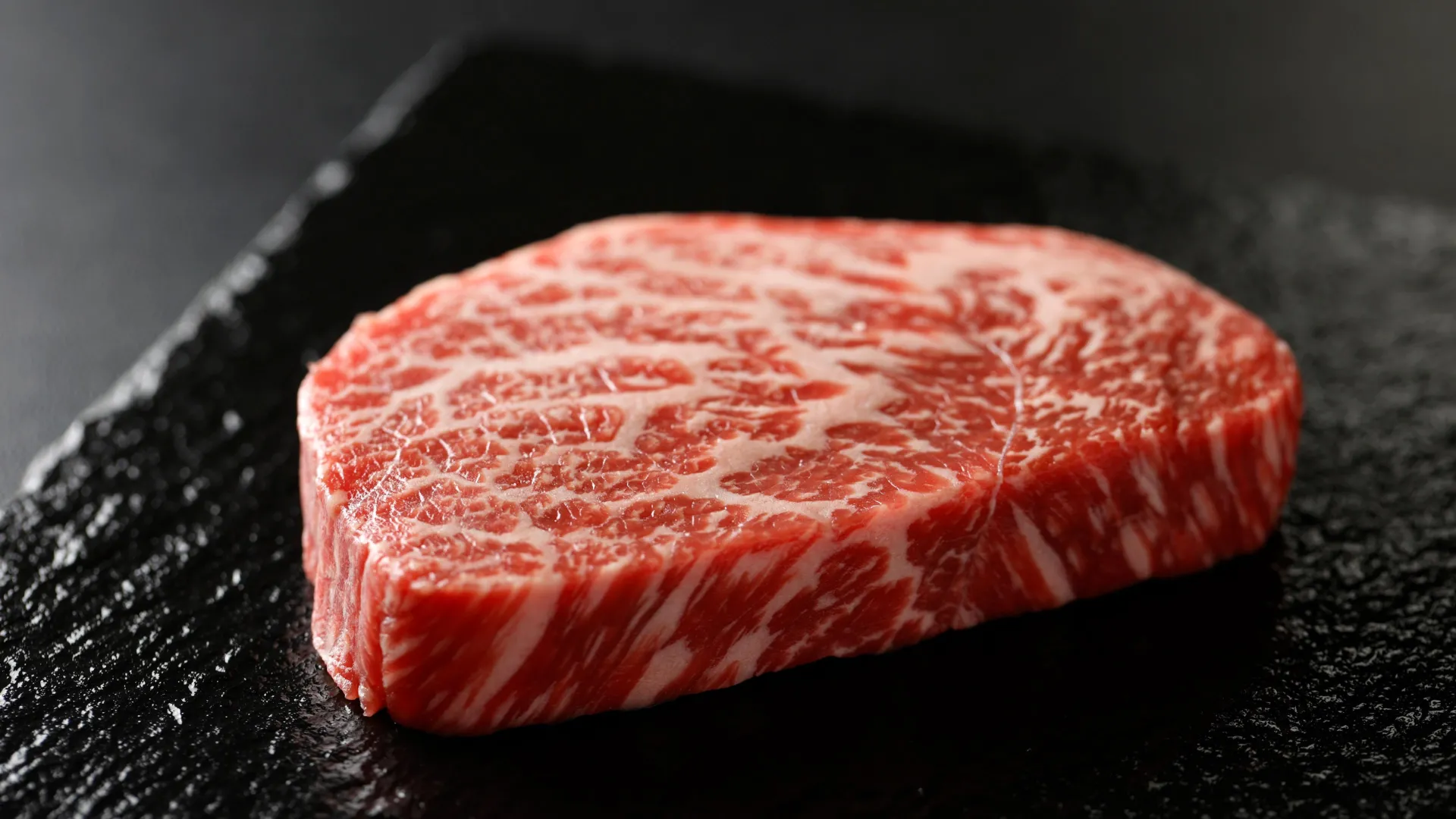
Despite this evolutionary "loss," humans are frequently exposed to Neu5Gc through the consumption of red meat, such as beef, lamb, and goat, as well as smaller amounts in dairy. Once ingested, the human body absorbs the molecule and incorporates it into its own tissues. Because our immune system views this sugar as a foreign invader—a phenomenon scientists call a "xeno-autoantigen"—it launches an aggressive defense, producing antibodies to combat it.
This leads to a state of chronic, low-grade systemic inflammation known as "xenosialitis." While xenosialitis has previously been implicated in cardiovascular disease and certain cancers, this latest study suggests that the immune system’s constant, futile battle against this sugar may also be damaging the metabolic pathways that regulate blood sugar, thereby increasing the risk of type 2 diabetes.
The NutriNet-Santé Study: A Deep Dive into Data
To investigate this hypothesis, a team of researchers led by Dr. Leopold Fezeu from the Université Sorbonne Paris Nord in Bobigny, France, leveraged data from the NutriNet-Santé project. This massive, long-term observational study tracks the nutritional habits and health trajectories of nearly 90,000 French adults.
The methodology was rigorous. The researchers analyzed data from 89,953 participants—79% of whom were women, with an average age of 42—who were free of diabetes and cancer at the start of the study. Over a median follow-up period of 7.2 years, the team meticulously calculated Neu5Gc intake using three 24-hour dietary records, matched against a validated food composition database.
The study categorized participants into five groups (quintiles) based on their meat-derived Neu5Gc intake. Crucially, the researchers adjusted their models to account for a wide range of confounding variables, including age, sex, physical activity levels, smoking status, overall diet quality, and pre-existing health conditions.
Key Findings: A Clear Correlation
The results were striking. Participants in the highest quintile of meat-derived Neu5Gc intake faced a 63% higher risk of developing type 2 diabetes compared to those in the lowest intake group. Even those in the second-highest tier showed a 41% increased risk.
The data indicated a dose-dependent relationship: as the intake of Neu5Gc increased, so did the statistical likelihood of a diabetes diagnosis. This trend remained robust even after researchers accounted for body mass index (BMI). When factoring in BMI, the association became slightly weaker but remained statistically significant, suggesting that the sugar’s effect on diabetes risk is not merely a byproduct of weight gain or obesity.
"Our findings support chronic inflammation as a specific mechanism linking red meat consumption with T2D, partly beyond the amount of red meat a person eats and partly independent of body fat," Dr. Fezeu explained during the presentation in Milan.
Distinguishing Between Sources: The Dairy Paradox
One of the most intriguing aspects of the study was the comparison between different dietary sources of Neu5Gc. While the sugar is found in both red meat and dairy, the study found no significant link between dairy-derived Neu5Gc and an increased risk of diabetes.
Researchers hypothesize that this disparity is likely due to the concentration of the sugar. Red meats, particularly beef and lamb, contain significantly higher levels of Neu5Gc than dairy products. Furthermore, the volume of dairy consumed by the average participant may not reach the threshold required to trigger the systemic inflammatory response that characterizes the "xenosialitis" mechanism.
When the researchers looked at total Neu5Gc intake from all sources combined, the overall risk of T2D was 37% higher for those in the top quintile. However, the strength of this association was clearly driven by the red meat consumption rather than the dairy intake, reinforcing the idea that it is the specific nutritional profile of red meat—potentially the synergy between Neu5Gc and other compounds like heme iron—that warrants further scrutiny.
Official Perspectives and Scientific Nuance
Despite the headline-grabbing nature of the results, the research team remains cautious. Dr. Fezeu and his colleagues emphasize that their study is observational, meaning it can establish an association but cannot definitively prove causation.
"Although we do not know exactly what levels of Neu5Gc trigger an immune response, our data suggest that higher intakes of meat-derived Neu5Gc are associated with a progressively higher risk of T2D," Dr. Fezeu noted.
One significant limitation is that the link between Neu5Gc and diabetes lost its statistical significance when the researchers accounted for the total amount of red meat consumed. This leaves a critical question unanswered: Is Neu5Gc the primary driver of the risk, or is it merely a marker for high red meat consumption? It is possible that other components in red meat, or the way they interact, are equally responsible for the observed metabolic damage.
Furthermore, the study relied on food frequency records rather than direct measurement of Neu5Gc levels in the participants’ blood. Future research will need to measure anti-Neu5Gc antibodies directly in human cohorts to confirm that xenosialitis is indeed the biological bridge between a steak dinner and an elevated glucose level.
Implications for Public Health
If these findings are validated by future clinical trials, the implications for public health could be significant. Currently, dietary guidelines for preventing type 2 diabetes focus heavily on reducing refined carbohydrates and managing total caloric intake. This study suggests that the type of protein consumed may be just as important as the quantity.
"Given how common red meat is in Western diets, the strong association between meat-derived Neu5Gc and T2D risk is an important finding," said Dr. Fezeu. He suggested that, in the future, it might be advisable to favor poultry, fish, or plant-based proteins—which do not contain significant levels of Neu5Gc—as a way to reduce the inflammatory burden on the body.
However, the team stresses that it is too early to issue broad dietary mandates. We do not yet know the "tipping point" of Neu5Gc exposure that leads to disease. Is there a safe daily limit, or is the goal complete elimination? These are questions that will require long-term, interventional studies.
The Path Forward: What Comes Next?
The research team is already planning the next steps in their investigation. Their immediate goals include:
- Direct Antibody Testing: Measuring anti-Neu5Gc antibodies in blood samples to prove the existence of the immune-mediated inflammatory response in the study cohort.
- Compound Interaction Analysis: Examining how Neu5Gc interacts with other compounds in red meat, such as heme iron, to see if they act in concert to impair insulin signaling.
- Refined Dietary Modeling: Assessing whether replacing red meat with other protein sources leads to a measurable reduction in systemic inflammatory markers.
As it stands, the NutriNet-Santé study provides a fascinating new lens through which to view the red meat-diabetes connection. By focusing on the evolutionary mismatch between human biology and the mammalian sugars in our food, researchers may have uncovered a hidden layer of metabolic risk. While we wait for further validation, the study serves as a poignant reminder that our diet does more than just provide fuel; it sends complex chemical signals to our immune system, the consequences of which we are only just beginning to understand.
For now, the evidence suggests that moderation in red meat consumption is not only a sound recommendation for heart health and weight management but potentially a critical strategy for protecting the body from chronic, immune-driven metabolic decline. As science moves toward a more personalized understanding of nutrition, the role of molecules like Neu5Gc will likely take center stage in the quest to prevent the global surge of type 2 diabetes.