










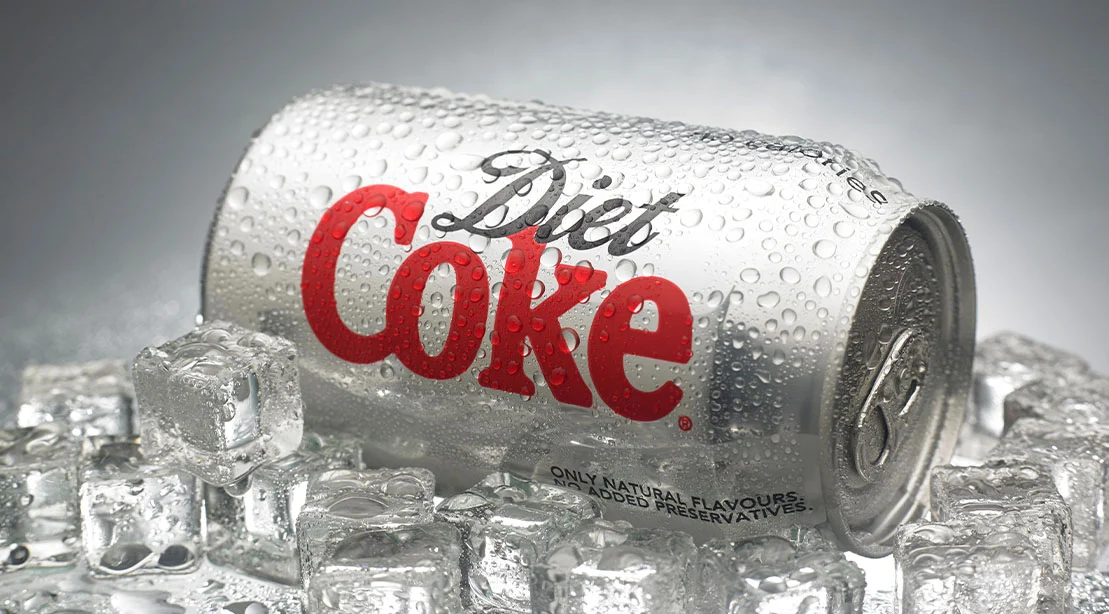
For decades, the health and fitness community has been locked in a contentious debate: Are artificially sweetened beverages a secret weapon for weight loss, or a deceptive trap that triggers sugar cravings and metabolic chaos? While diet sodas have long been labeled as "liquid saboteurs" that allegedly trick the brain into craving high-calorie sweets, the most comprehensive long-term clinical trial to date suggests it is time to retire the fear-mongering.
A groundbreaking, two-year study conducted by researchers at the University of Liverpool, England, and published in the British Journal of Nutrition, has provided the most robust evidence yet that non-nutritive sweetened (NNS) beverages—commonly known as diet sodas—do not hinder weight loss efforts. In fact, the findings suggest that these drinks may serve as a useful tool for those attempting to transition away from the high-calorie, sugar-laden habits that drive the global obesity epidemic.
The Main Facts: What the Research Reveals
The study, which tracked 493 overweight or obese adults over a 104-week period, sought to answer a singular, critical question: Does the consumption of diet drinks undermine a structured weight-management program compared to water?
The results were unequivocal. The researchers found no evidence that the consumption of diet drinks containing aspartame, sucralose, or acesulfame-K led to increased weight gain or heightened sugar cravings. On the contrary, participants who incorporated diet sodas into their daily regimen saw outcomes that were, at the very least, comparable to those who consumed only water. Even more compelling, the NNS group demonstrated a slightly greater decrease in overall sugar intake, suggesting that these beverages might actually help curb the desire for sugary alternatives rather than amplifying it.
This study is being hailed as the "missing piece" in international nutritional discourse. For years, public health organizations and nutritionists have warned against artificial sweeteners based on limited observational studies. By utilizing a randomized controlled trial (RCT)—the gold standard of clinical research—the Liverpool team has effectively shifted the burden of proof, suggesting that the "sweetener paradox" is more myth than biological reality.
Chronology: A Multi-Year Quest for Clarity
The road to this discovery has been paved with years of nutritional skepticism. To understand the significance of the University of Liverpool’s findings, one must look at the timeline of the debate.
2010–2020: The Era of Speculation
During this decade, the prevailing narrative in the fitness industry was that "diet" meant "deceptive." Numerous small-scale studies and observational reports suggested a correlation between diet soda consumption and obesity. However, these studies were frequently criticized for failing to account for "reverse causality"—the tendency of people who are already overweight to start drinking diet sodas to manage their weight.
2023: The Preliminary Breakthrough
The conversation shifted significantly in 2023 when a pivotal study was published, challenging the long-standing dogma. This research found that at the 52-week mark, there was no statistically significant difference in weight loss outcomes between water drinkers and diet soda drinkers. This earlier study provided the foundation for the current 104-week trial, which aimed to see if these trends held up over a more significant duration of time.
2026: The Two-Year "SWITCH" Trial
The most recent study, which concluded in late 2026, represents the culmination of this research effort. By extending the observation period to two full years, the University of Liverpool team effectively eliminated the possibility that the results were merely a short-term fluke. The "SWITCH" trial, as it has been dubbed, now stands as the longest, most comprehensive trial regarding the long-term impact of artificial sweeteners on human metabolism.
Supporting Data: Understanding the Methodology
To ensure the integrity of the data, the researchers recruited 493 adults classified as overweight or obese. All participants were enrolled in a rigorous, structured weight-management program designed to promote healthy habits.
The Experimental Design
The participants were divided into two distinct groups:
- The Water Cohort: Individuals who were restricted to water as their primary hydration source.
- The NNS Cohort: Individuals who were given access to a variety of 20 commercially available diet drinks.
Crucially, the NNS group was not just allowed to drink these beverages; they were mandated to consume at least two 330ml servings per day. This forced consumption ensured that the researchers could measure the effects of the sweeteners directly, rather than relying on inconsistent habits.
The Caloric Breakdown
Each of the diet beverages used in the trial contained less than 2.1 calories per 100ml. There was no cap on the daily intake of these drinks, meaning participants could drink as much as they desired. Both groups were permitted to continue consuming sugary beverages if they chose, though they were provided with coaching and guidance to minimize their sugar intake.
The Results
After 104 weeks, the data revealed:
- Weight Maintenance: No statistically significant weight gain occurred in the NNS group.
- Sugar Cravings: Contrary to the "sweetness trap" theory, participants in the NNS group reported a decrease in their overall sugar consumption compared to the water-only group.
- Metabolic Stability: There was no evidence of adverse metabolic effects related to the consumption of aspartame, sucralose, or acesulfame.
Official Responses: Shifting the Scientific Consensus
The lead author of the study, Professor John Halford of the University of Liverpool, has been vocal about the implications of these findings. "This study provides the long-term clinical evidence that has been missing from international discussions," Halford noted in his report. For too long, public health policy has been dictated by the fear that artificial sweeteners might cause more harm than good.
Professor Harrold, a key researcher on the project, echoed these sentiments, stating, "These latest findings show that concerns about sweeteners disrupting appetite or causing weight gain are not supported when tested in a rigorous, long-term randomized trial." The research team explicitly expressed hope that this evidence will be used to inform future World Health Organization (WHO) guidance and international public health policy.
The study essentially challenges the WHO’s current cautionary stance on non-sugar sweeteners. If a two-year, high-rigor trial shows no evidence of harm, experts argue that health guidelines should evolve to prioritize the reduction of sugar as the primary goal, rather than demonizing the tools that help people achieve that reduction.
Implications: What This Means for Your Diet
So, does this mean you should stock your fridge with diet soda? While the results are encouraging, they should be viewed through the lens of balanced nutrition.
1. A Tool, Not a Panacea
The study suggests that diet sodas are an effective tool for weight management, particularly for those who struggle to quit sugary drinks cold turkey. If a diet soda helps a person avoid a 200-calorie sugary drink, it is objectively a successful trade-off for weight loss. However, it does not replace the benefits of water or the nutritional necessity of whole foods.
2. Debunking the "Cravings" Myth
One of the most important takeaways is that the "sweetness" in diet soda does not inherently trigger a biological cascade of sugar cravings. The psychological aspect of "rewarding" oneself with something sweet remains, but the metabolic fear—the idea that the body will "panic" and store fat due to the presence of non-nutritive sweeteners—appears to be unfounded.
3. Public Health Policy and Future Guidance
The implications for public health are profound. For years, the "sugar vs. sweetener" debate has caused confusion for consumers trying to navigate the grocery store. By clarifying that sweeteners do not inherently cause weight gain, the medical community can now focus on the real culprit: the overconsumption of high-fructose corn syrup and refined sugars.
4. Personalizing Your Nutrition
For those who are currently losing weight, the study provides a green light to continue using diet beverages as a bridge during their journey. However, for those who are sensitive to artificial ingredients or prefer a clean-label approach, water remains the gold standard. The key finding here is one of freedom—the freedom to choose a diet beverage without the paralyzing fear that you are sabotaging your progress.
Conclusion
The two-year University of Liverpool study marks a turning point in nutritional science. By providing high-quality, long-term data, researchers have effectively dismantled the long-standing myths surrounding non-nutritive sweeteners. While further research is always beneficial, the evidence is now clear: when it comes to the battle against obesity, diet sodas are not the enemy. They are simply another tool in the arsenal of a person committed to managing their weight and reducing their sugar intake.
As we move forward, it is likely that health organizations will begin to adjust their messaging, placing greater emphasis on the total reduction of sugar while acknowledging the role that artificial sweeteners can play in achieving that goal. For the average consumer, this means one less thing to worry about when reaching for a cold, calorie-free drink on a hot day. The science is in: you can breathe—and sip—a little easier.