










August 28, 2026 — The United States is currently grappling with the most significant outbreak of Cyclospora—a microscopic, intestinal parasite—in the nation’s history. As of Thursday, federal health officials have confirmed that the total number of laboratory-confirmed illnesses has surged to 11,458, a dramatic increase from the 10,900 cases reported just one week ago. The outbreak, which has been definitively linked to recalled iceberg lettuce, has now officially spread across 20 states, with Georgia, Tennessee, and Texas identified as the latest regions to report infections.
The scale of this public health crisis has shattered previous records, dwarfing the 2019 outbreak that was previously considered the worst on record with approximately 4,700 cases. As the CDC and FDA coordinate an international response, the incident has sparked a broader debate regarding food safety infrastructure and the impact of recent federal budgetary shifts on disease surveillance.
The Scope of the Crisis: A Chronology of the Outbreak
The trajectory of this outbreak has been both rapid and relentless. While Cyclospora infections—known as cyclosporiasis—are seasonal and typically peak during the warmer months, the sheer volume of cases seen in 2026 is unprecedented.
Initial Identification
The investigation began in early summer as health departments across various states noticed an anomalous spike in gastrointestinal illnesses. By mid-July, epidemiological data began to coalesce around a common denominator: iceberg lettuce. Traceback investigations, conducted with the cooperation of state and federal partners, pinpointed a centralized source: a farm in central Mexico operated by Taylor Farms, a major supplier for the U.S. food service and retail industries.
The Expansion
- Late July 2026: Federal health officials officially announced the investigation, linking the outbreak to specific batches of iceberg lettuce.
- August 2026: The number of states affected grew steadily. As of this week, the pathogen has been identified in 20 states. The inclusion of Georgia, Tennessee, and Texas suggests that the distribution network for the contaminated produce was more extensive than initially hypothesized.
- Mid-August 2026: The severity of the illness was underscored by reports from Michigan, where health officials confirmed two deaths directly attributable to complications from Cyclospora.
Understanding the Pathogen: What is Cyclospora?
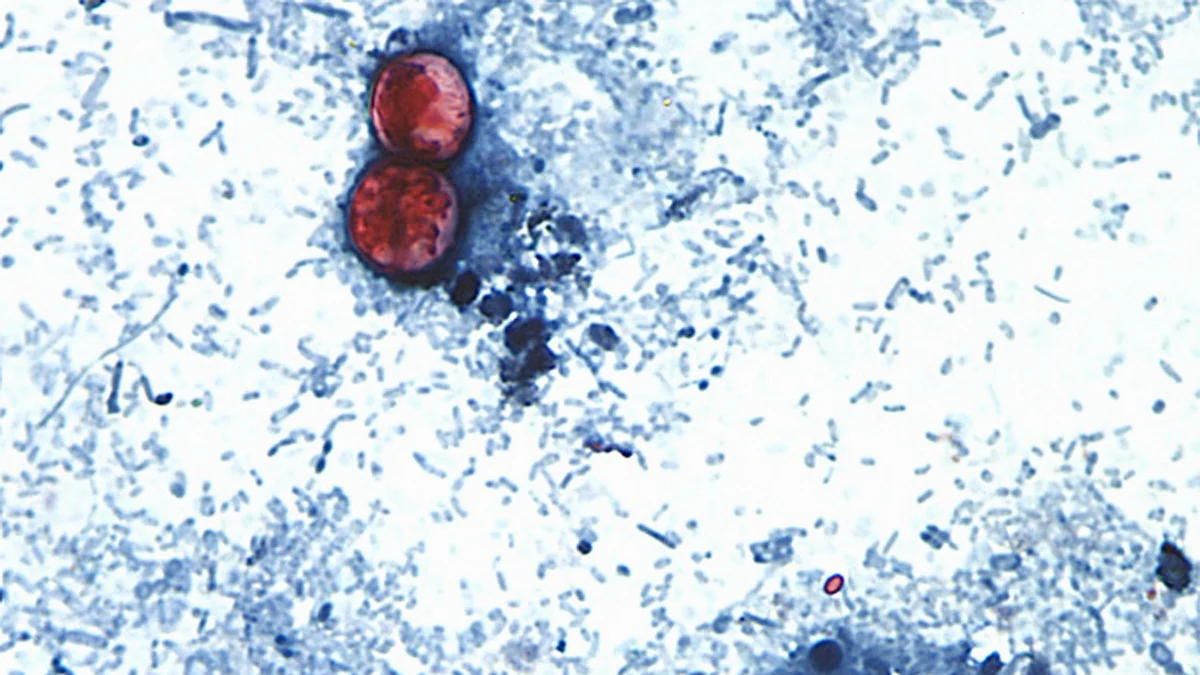
Cyclospora cayetanensis is a single-celled parasite that is notoriously difficult to track. Unlike bacteria such as Salmonella or E. coli, which can be detected through standardized rapid testing in many clinical settings, Cyclospora requires specialized diagnostic techniques.
Clinical Presentation
According to the Centers for Disease Control and Prevention (CDC), the hallmark of cyclosporiasis is watery diarrhea, which is often described as "frequent and sometimes explosive." Other symptoms include:
- Loss of appetite and weight loss.
- Severe abdominal cramping and bloating.
- Increased gas and nausea.
- Low-grade fever and fatigue.
The parasite infects the small intestine and is transmitted through the ingestion of food or water contaminated with feces. Because the parasite is "heat-loving," it thrives in the climate conditions found in many agricultural regions during the summer months, making this time of year particularly high-risk for outbreaks.
Why This Outbreak Is Different
The current data is staggering. The CDC reports that there have been roughly 29,000 total confirmed or suspected cases of Cyclospora across the U.S. this year alone, with 922 hospitalizations. The high hospitalization rate highlights that while the infection is often non-lethal for healthy adults, it can be life-threatening for the elderly, the immunocompromised, and young children.
Official Responses: The FDA and Taylor Farms
The FDA, in coordination with the Mexican government, has launched a multi-agency inspection of the central Mexican farm linked to the lettuce.
The FDA’s Stance
In a press briefing on Thursday, the FDA reiterated its commitment to consumer safety, stating that it "remains confident that all recalled iceberg lettuce related to this specific Cyclospora outbreak is off the market."
However, the agency continues to conduct environmental assessments and sample testing at the production facility. The goal is to determine how the parasite infiltrated the supply chain—whether through contaminated irrigation water, improper sanitation practices during harvesting, or other environmental factors at the farm level.
Industry Accountability
Taylor Farms, a cornerstone of the North American produce industry, has cooperated with the recall process. The company has faced intense scrutiny regarding its food safety protocols. The FDA’s ability to "trace back" the contaminated produce to a single farm is a testament to the efficacy of the Food Safety Modernization Act (FSMA) protocols, yet the scale of the outbreak raises questions about whether current preventative controls are sufficient for mitigating parasitic risks in imported produce.
Implications: A System Under Strain
The current crisis has brought into sharp focus the vulnerabilities of the U.S. food safety network, particularly in light of recent political and administrative changes.
The Surveillance Gap
Experts are increasingly concerned that the ability to track such outbreaks is being compromised. Earlier this year, the Trump administration implemented significant budget cuts to the CDC’s foodborne disease surveillance network. Most notably, Cyclospora was one of six specific pathogens removed from mandatory national tracking requirements.
Public health advocates argue that this policy shift has created a "data blind spot." When a pathogen is not actively tracked, it becomes significantly more difficult to identify a common source early in an outbreak. "By the time we connect the dots, thousands are already sick," one infectious disease expert told MedPage Today. "If we aren’t looking for it, we can’t stop it."
The Economic and Public Health Burden
The economic impact of this outbreak is twofold. First, there is the direct cost of medical care, including hospitalizations for nearly 1,000 patients. Second, the disruption to the produce industry—ranging from retail losses to the massive logistical undertaking of a nationwide recall—is estimated to be in the millions of dollars.
Beyond the numbers, there is a persistent erosion of consumer confidence. As the public learns that a staple item like iceberg lettuce can carry a dangerous parasite, demand for fresh produce often dips, potentially impacting the agricultural economy at large.
Looking Forward: Prevention and Public Guidance
While the FDA maintains that the recalled products are no longer on store shelves, the CDC advises consumers to remain vigilant.
Consumer Best Practices
- Check Recalls: Consumers should continue to check their refrigerators for any remaining produce that may have been part of the recall.
- Wash Produce: While washing does not guarantee the removal of microscopic parasites, it is a baseline safety measure.
- Monitor Symptoms: Anyone experiencing persistent, watery diarrhea for more than a few days should seek medical attention and specifically ask their physician to test for Cyclospora, as standard stool cultures often fail to detect the parasite.
Future Regulatory Challenges
The 2026 Cyclospora outbreak serves as a sobering case study on the importance of robust public health infrastructure. As climate change continues to alter environmental conditions—potentially creating more hospitable habitats for parasites—the need for rigorous, mandatory surveillance of foodborne pathogens is more critical than ever.
As the investigation continues, federal authorities are expected to release a comprehensive report on the root cause of the contamination. For now, the focus remains on treating the thousands of affected individuals and ensuring that the supply chain is purged of contaminated inventory. Whether this event leads to a reversal of recent surveillance cuts remains a subject of intense debate in Washington, but the human cost of this outbreak has undoubtedly cemented its place in the history books as a failure of modern food safety management.