









October 28, 2026
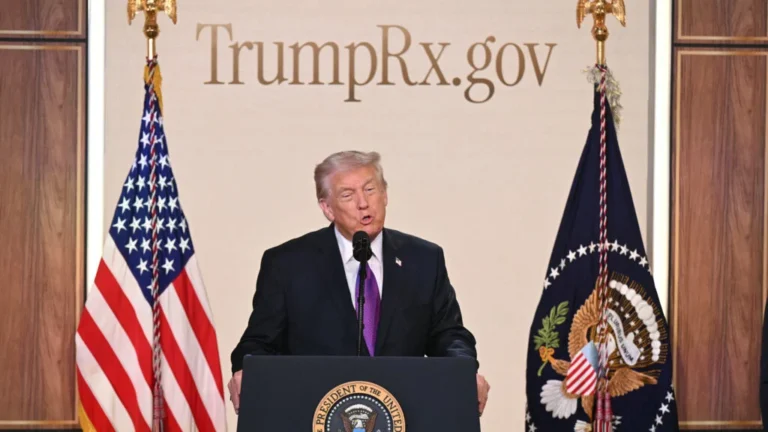
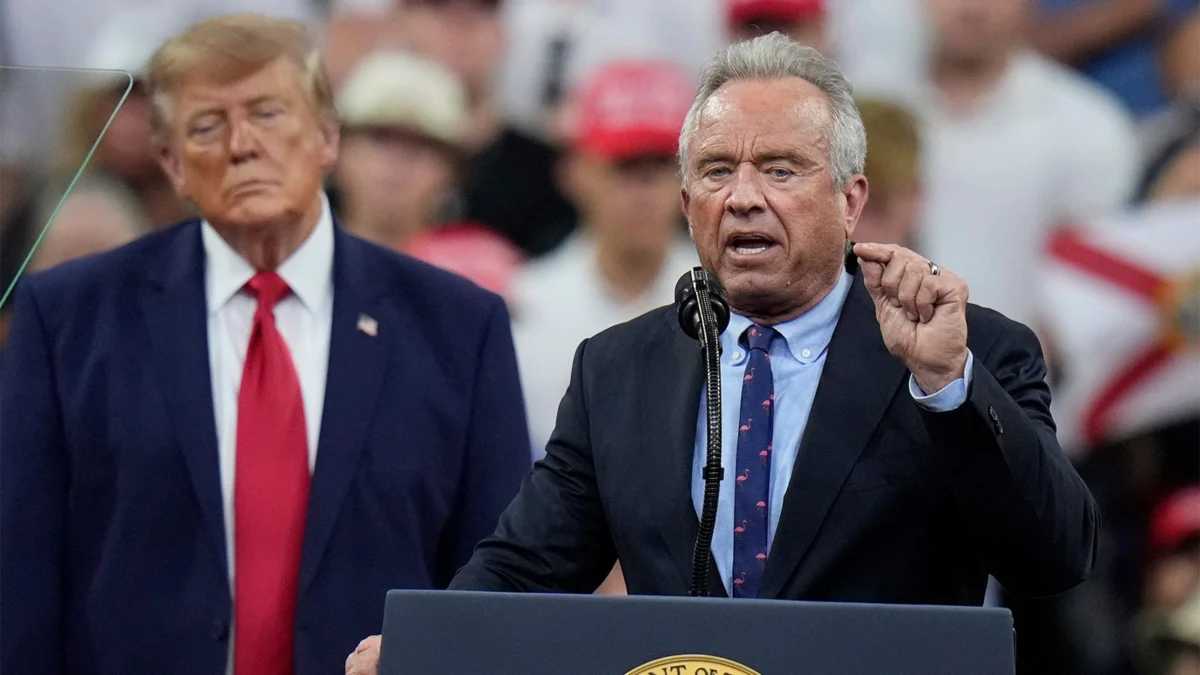
In a significant departure from established federal regulatory standards, the Trump administration has issued a new policy directing the Food and Drug Administration (FDA) to cease enforcement actions against specialty pharmacies that produce and sell a specific group of unproven "wellness peptides." The move, spearheaded by the Department of Health and Human Services (HHS) under the leadership of Secretary Robert F. Kennedy Jr., marks a pivotal shift in how the government manages drug safety, patient access, and the role of clinical validation.
The directive covers a half-dozen injectable substances—including BPC-157, TB-500, and KPV—which are widely marketed within the wellness industry for purported benefits such as muscle repair, injury recovery, and energy enhancement. According to six sources familiar with the internal deliberations, the policy was developed with minimal input from career FDA scientific staffers, many of whom voiced vehement opposition to the change, warning that it undermines the agency’s mandate to protect the public from unverified and potentially hazardous health products.
The Shift in Regulatory Strategy
Under existing federal law, these substances are categorized as unapproved new drugs. Because they have not undergone the FDA’s rigorous, multi-year clinical trial process to confirm safety and efficacy, their manufacture and distribution by compounding pharmacies have historically been subject to enforcement scrutiny.
The new HHS policy effectively grants these pharmacies a "safe harbor" to operate without fear of regulatory intervention. In the official document, Secretary Kennedy framed the decision as a victory for "patient choice and freedom," arguing that providing a pathway for domestic compounding protects consumers from the unregulated, often contaminated peptides frequently purchased through overseas "research chemical" websites.
Chronology of a Regulatory Overhaul
The path to this policy change was marked by friction between political leadership at HHS and the scientific bureaucracy at the FDA.
- 2023: The FDA formally designated several peptides, including BPC-157 and TB-500, as substances unsuitable for compounding due to documented risks, including allergic reactions, renal damage, and potential tumor growth.
- July 2026: During public meetings, FDA scientific staff maintained that these substances remained unproven. However, an external advisory panel—hand-picked by HHS leadership and composed largely of practitioners and consultants with ties to the peptide industry—voted to recommend the removal of these restrictions.
- Late 2026: HHS officials initially sought to have the FDA issue an official regulation designating these substances as "safe" for compounding. After FDA staff refused to support such a finding due to a lack of safety data, the administration pivoted.
- October 2026: HHS issued a directive for "enforcement discretion," bypassing the need for a formal safety declaration by simply ordering the FDA to look the other way.
Industry Implications and Economic Forecast
The peptide industry, once a niche corner of the wellness market, is poised for rapid expansion. Major telehealth providers, including Hims & Hers, have signaled their intent to integrate these products into their service offerings, capitalizing on the new federal leniency. Wall Street analysts estimate that the market for these wellness peptides could exceed $2 billion in the near term, as they become more accessible to the general public through licensed U.S. compounders.
Lee Rosebush, representing the American Academy of Peptide Medicine, praised the policy, describing it as a "huge step for patient and provider medical freedom." Supporters argue that because some peptides occur naturally in the human body, the FDA’s rigid approval process is an unnecessary barrier to wellness.
Scientific Skepticism and Public Health Risks
The transition has drawn sharp criticism from public health experts and former regulatory officials. Dr. Peter Lurie, president of the Center for Science in the Public Interest and a former FDA official, argues that the policy creates a dangerous precedent.
"The FDA has already approved rigorously tested drugs for the very conditions these peptides are being marketed for, such as inflammation, metabolic health, and neurological issues," Dr. Lurie stated. "When you divert patients away from evidence-based medicine toward unproven substances, you are essentially inviting unnecessary pain and suffering."
Dr. Lurie also highlighted the political timing of the announcement, noting that it arrives just days before the midterm elections. He characterized the move as a strategic gesture to the "Make America Healthy Again" (MAHA) movement, a coalition championed by Kennedy that has frequently challenged the legitimacy of conventional pharmaceutical regulation.
Internal Dissent and Safety Guardrails
While the final policy mandates that compounding pharmacies must source ingredients from FDA-registered facilities and track adverse events, critics point out a fundamental legal irony: the FDA currently lacks the statutory authority to enforce these requirements on compounded products.
FDA staffers, while forced to provide technical assistance in drafting the directive, reportedly insisted on these "guardrails" as a last-ditch effort to mitigate potential harm. However, the disconnect remains: the substances themselves have not been proven effective for any of the conditions they are now being promoted to treat, including opioid withdrawal, insomnia, and trigeminal neuralgia.
The Precedent of Compounding Oversight
The debate over compounding safety is not merely theoretical. Since a 2012 fungal meningitis outbreak—linked to a contaminated compounding facility—the FDA has held a heightened mandate to oversee the "customized" drug industry. Compounding has evolved from a local pharmacy service into a multi-billion dollar industrial sector. By stepping in to override the FDA’s traditional regulatory role, HHS has disrupted a decades-long governance structure.
Historically, HHS has delegated technical drug regulation to the FDA to insulate public health decisions from political influence. Former officials express concern that by taking the lead on this policy, HHS is eroding the FDA’s independence.
Moving Forward: The MAHA Influence
The policy represents the most concrete manifestation of the "MAHA" agenda to date. Many prominent figures within the movement are financially involved in the sale of peptides, supplements, and alternative therapies. By lowering the regulatory threshold for these products, the administration is effectively aligning federal policy with the commercial and ideological interests of its political base.
As the policy takes effect, the medical community will be watching closely for signs of adverse events. The FDA is now in the position of monitoring a market it has formally deemed scientifically unproven, while simultaneously being ordered by its parent department to withhold its primary tool for intervention: enforcement.
For now, the divide between the administration’s focus on "patient choice" and the FDA’s focus on "evidence-based safety" remains unbridged, leaving American consumers to navigate a marketplace where the line between legitimate medicine and experimental wellness products has become increasingly blurred.