










In a breakthrough that could fundamentally reshape the future of global nutrition and sustainable agriculture, an international team of researchers has unlocked a method to produce biologically active Vitamin B12 in Spirulina. The discovery, published in the journal Discover Food, marks the first time this essential nutrient—previously thought to be absent or inactive in the algae—has been synthesized at levels comparable to, or even exceeding, those found in beef.
Led by Dr. Asaf Tzachor, Founder and Academic Director of the Aviram Sustainability and Climate Program at Reichman University, the study represents a collaboration between elite scientific institutions in Israel, Iceland, Austria, and Denmark. By manipulating the photonic environment—essentially "tuning" the light conditions during cultivation—the team has transformed a common, eco-friendly superfood into a potent, carbon-neutral source of a micronutrient that more than a billion people worldwide currently lack.
The Core Challenge: The "Pseudo" B12 Barrier
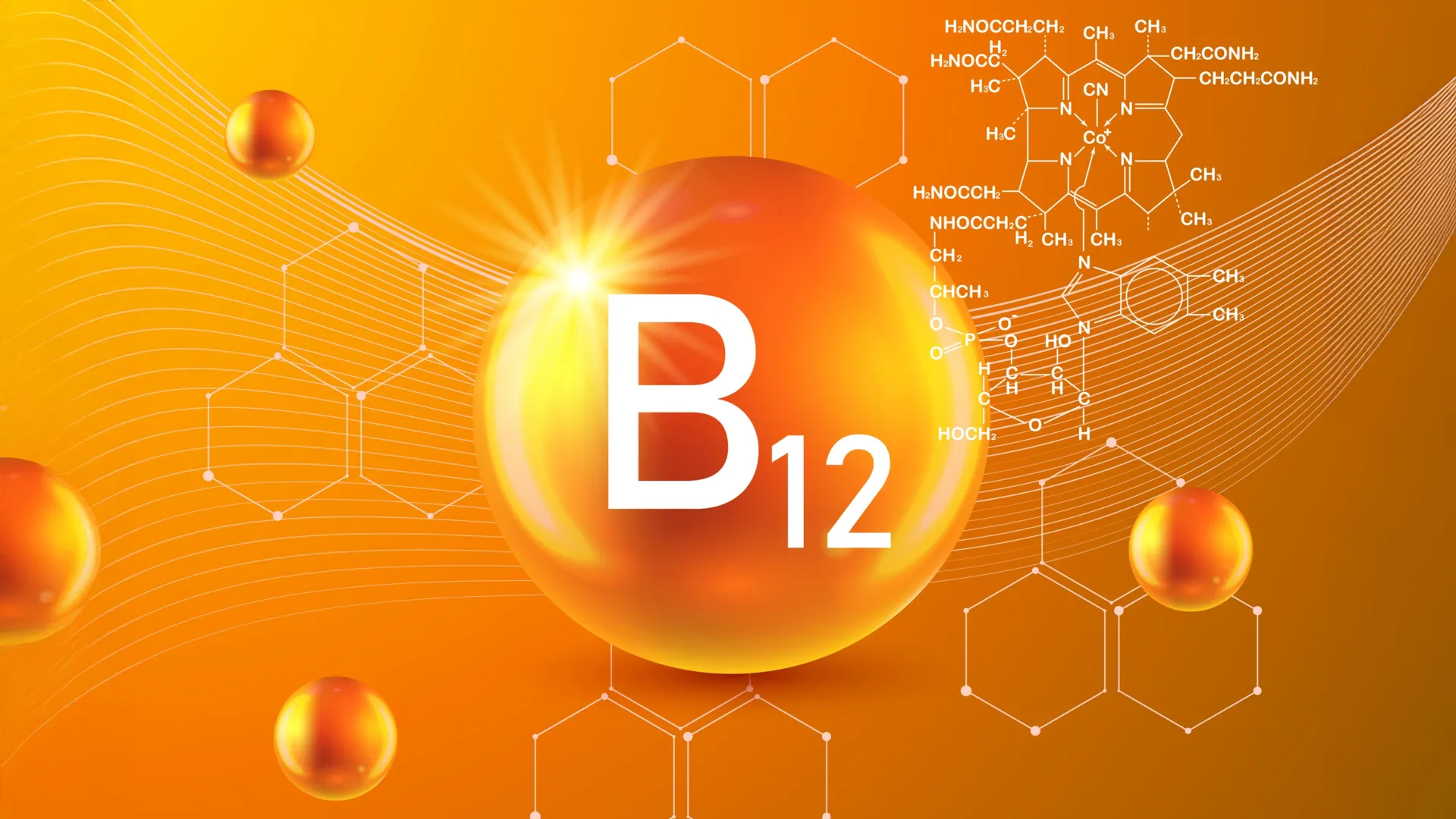
Vitamin B12, or cobalamin, is a cornerstone of human health. It is indispensable for the synthesis of red blood cells, the maintenance of the nervous system, and the replication of DNA. Despite its importance, the human body cannot produce it; it must be obtained entirely through diet. For most of the global population, this means relying on meat, dairy, and eggs.
For the growing number of people transitioning to plant-based diets for environmental or ethical reasons, B12 deficiency is a significant, often ignored health hazard. While Spirulina (Arthrospira platensis) has long been touted as a "superfood" due to its high protein content and minimal environmental footprint, it has historically failed to serve as a reliable B12 source.
The issue lies in molecular mimicry. Traditional Spirulina is rich in "pseudo-vitamin B12." To the naked eye or a standard chemical test, it appears identical to the B12 humans need. However, at a biological level, it is inactive; it binds to the same receptors as true B12 but performs none of the necessary physiological tasks. In fact, it can sometimes block the absorption of actual B12, leaving those who rely on it as their sole source at risk of neurological and hematological complications. The breakthrough by Dr. Tzachor’s team effectively bypasses this roadblock, creating a form of the algae that produces the authentic, bioavailable compound.
Chronology of the Discovery: From Lab to Scale
The journey to this discovery was not an overnight success but a result of systematic biotechnological innovation.
- Phase I: The Technological Foundation: The research utilized an advanced cultivation platform developed by VAXA Technologies in Iceland. This system was designed to optimize the inputs of energy and light to ensure maximum nutritional yield, moving away from traditional, inefficient open-pond cultivation.
- Phase II: Photonic Management: The researchers posited that by controlling the light spectrum and intensity—a process known as photonic management—they could force the Spirulina to shift its metabolic pathways.
- Phase III: Validation: The team meticulously analyzed the biomass produced under these modified light conditions. Using advanced analytical chemistry, they confirmed the presence of active Vitamin B12.
- Phase IV: Publication and Peer Review: The findings were subjected to rigorous scrutiny, culminating in the recent publication in Discover Food, establishing the academic validity of their methodology.
Supporting Data: By the Numbers
The implications of this research are best understood through the data produced by the team’s analysis of the carbon-neutral biomass.
Nutritional Density
The results were striking: the cultivated Spirulina contained 1.64 µg of active Vitamin B12 per 100 grams. To put this in perspective, beef—the traditional dietary benchmark for B12—typically contains between 0.7 and 1.5 µg per 100 grams. This means that a relatively small portion of this bioengineered Spirulina can meet or exceed the recommended dietary allowance (RDA) of 2.4 µg per day for the average adult.
The Scalability Projection
The researchers modeled what would happen if this technology were integrated into industrial-scale production, specifically leveraging Iceland’s abundant renewable energy.
- Scenario A: By reallocating electricity currently consumed by heavy industries in Iceland, the researchers estimate a production capacity of 277,950 tonnes of Spirulina biomass per year.
- Nutritional Output: This volume would yield approximately 4,555 grams of active Vitamin B12 annually.
- Public Health Impact: According to the team’s calculations, this single-location output could provide the full RDA of B12 for 13.8 million children aged 1–3 years.
If the technology were deployed in more ambitious, global production centers, the researchers project the capacity to support the nutritional needs of over 50 million children aged 0–6 months, effectively providing a buffer against deficiency in some of the world’s most vulnerable populations.
Official Responses and Scientific Perspective
Dr. Asaf Tzachor, the project’s lead, emphasized the strategic importance of this development. "The findings demonstrate that photosynthetically controlled Spirulina can produce desirable levels of active vitamin B12, offering a sustainable alternative to traditional animal-source foods," he stated.
The collaborative nature of the study—involving the University of Natural Resources and Life Sciences in Vienna, the Ruppin Academic Center, the Danish Technological Institute, and MATIS in Iceland—underscores a global consensus that current food systems are unsustainable. By shifting the focus from "what we grow" to "how we grow it," the researchers believe they have provided a blueprint for future food security.
The Aviram Sustainability and Climate Program, which supported the research, views this not just as a nutritional win, but as a crisis-management tool. In an era of climate change, where livestock farming is a significant contributor to greenhouse gas emissions and land degradation, the ability to produce high-value nutrients in a controlled, indoor, carbon-neutral environment is viewed by the academic community as a critical step toward a more resilient food supply chain.
Implications: A New Era for Biotechnology
The implications of this research extend far beyond Vitamin B12. This study serves as a "proof of concept" for the precision modification of food sources.
1. Environmental Sustainability
Traditional livestock farming requires immense amounts of water, land, and feed. In contrast, Spirulina production is compact, efficient, and can be localized, significantly reducing the carbon footprint associated with global food logistics. By providing a direct, high-quality substitute for meat-based B12, this technology could reduce the environmental pressure exerted by the global demand for animal protein.
2. Addressing Global Health Disparities
Vitamin B12 deficiency is a silent epidemic, often concentrated in regions where access to animal protein is limited by cost, climate, or infrastructure. Because Spirulina can be grown in controlled, modular facilities, it offers a scalable solution for humanitarian organizations and governments to fortify local diets without relying on expensive, refrigerated supply chains.
3. Precision Agriculture
The success of the "photonic management" technique suggests that we are entering an era of precision microbiology. We are no longer limited to what nature produces by default; we can influence the metabolic output of microorganisms to suit specific human health requirements. This could lead to a future where "designer" algae or fungi are cultivated to provide personalized nutritional profiles.
4. Real-World Integration
Despite the excitement, the researchers are cautious. Moving from a laboratory setting to a global food system is a significant leap. Further research is required to evaluate the long-term biological impact of consuming this specific strain of Spirulina, the shelf-stability of the active B12, and the economic viability of large-scale production.
However, the path forward is clear. By aligning biotechnology with ecological sustainability, science is proving that the solutions to some of our most entrenched health challenges may not be found in a lab-grown meat vat or a pharmacy, but in the intelligent, controlled cultivation of the world’s most resilient organisms. As the Aviram Sustainability and Climate Program continues its work, this study will likely be remembered as the moment when the humble algae became a primary pillar of global nutritional security.