




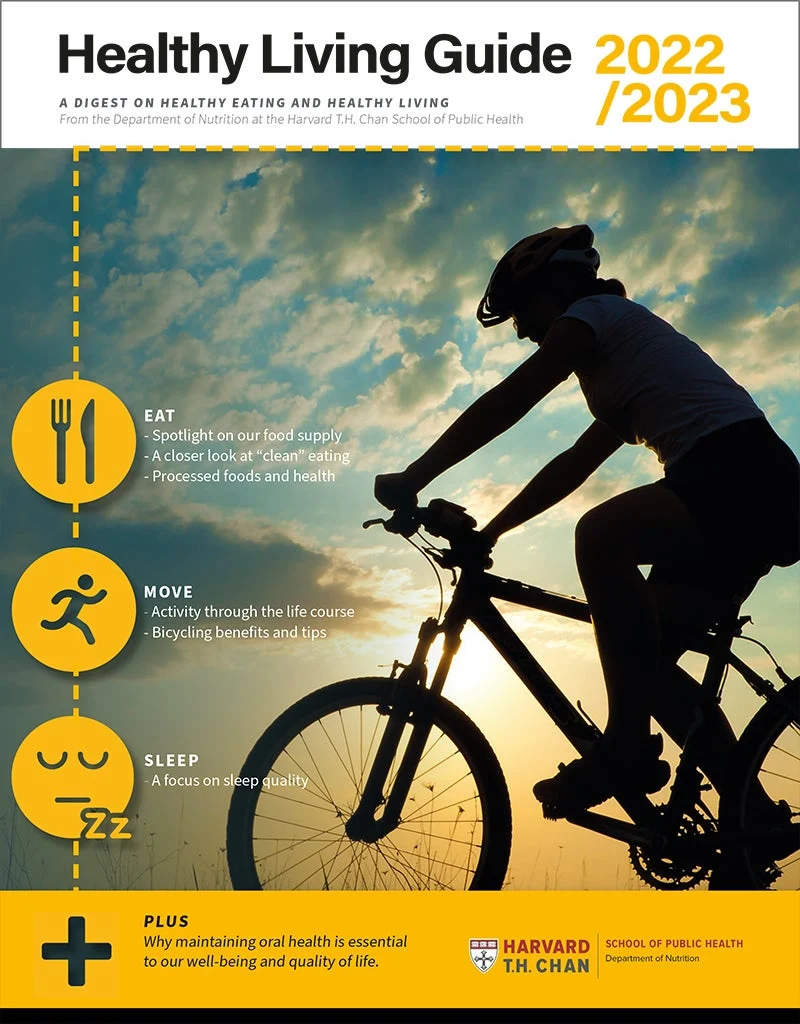
As the global community grapples with the dual crises of chronic disease and food insecurity, the conversation surrounding public health has shifted from individual choice to systemic reform. The year 2022 served as a pivotal watershed moment for nutritional policy, highlighted by the Biden-Harris administration’s landmark White House Conference on Hunger, Nutrition, and Health. As we move further into 2023, the Harvard T.H. Chan School of Public Health has released its latest Healthy Living Guide, serving as both a toolkit for individual wellness and a critical lens through which to view national policy.
The State of Global Nutrition: Main Facts and Context
The fundamental challenge facing modern public health is a paradox: while global food production has reached record highs, the nutritional quality of that food has, in many sectors, declined. We live in an era where "hidden hunger"—the intake of sufficient calories but insufficient micronutrients—affects billions.
The Harvard Healthy Living Guide encapsulates this tension by bridging the gap between high-level policy debates and the practical, daily decisions made at the dinner table. It underscores that while systemic change is essential, the empowerment of the individual remains a cornerstone of preventative medicine. Whether through dietary shifts, increased physical activity, or informed consumer advocacy, the guide posits that small, consistent changes are the primary drivers of long-term health outcomes.
Chronology: A Year of Policy Transformation
To understand the current state of nutrition, one must look at the timeline of the past 18 months, which culminated in the most significant federal intervention in half a century.
- Early 2022: Public health experts and nutrition advocates began intensifying pressure on the White House to address the burgeoning epidemic of diet-related diseases, including Type 2 diabetes and hypertension, which were exacerbated by the COVID-19 pandemic.
- September 2022: The White House Conference on Hunger, Nutrition, and Health was convened. This was the first event of its kind since the 1969 conference, which laid the groundwork for modern programs like the Special Supplemental Nutrition Program for Women, Infants, and Children (WIC).
- Late 2022: Following the conference, the administration unveiled its national strategy, setting a definitive goal to end hunger and increase physical activity rates by 2030.
- January 2023: As a response to the policy debates, the Harvard Department of Nutrition released its updated Healthy Living Guide, providing a summary of evidence-based practices for the public to adopt while the slow gears of federal policy turn.
Supporting Data: The Burden of Diet-Related Disease
The urgency of the White House strategy is rooted in stark data. According to recent federal statistics, diet-related diseases are now the leading cause of death and disability in the United States. Cardiovascular disease, obesity, and diabetes disproportionately affect low-income communities and marginalized populations.
The Healthy Living Guide reinforces this by pointing toward the economic burden of these conditions. When health systems are strained by preventable chronic diseases, the entire economy suffers. The Harvard experts emphasize that the "medically tailored meals" initiative—a cornerstone of the new national strategy—is not merely a social safety net, but a cost-effective medical intervention. Studies have shown that providing nutrient-dense, doctor-prescribed meals to patients with chronic conditions reduces hospital readmission rates and lowers total healthcare spending by significant margins.
Official Responses and Expert Critiques
While the White House’s national strategy has been met with cautious optimism, the reaction from the scientific community has been nuanced. In a formal reflection, prominent experts from the Harvard Department of Nutrition—Drs. Frank Hu, Walter Willett, and Lilian Cheung—offered a balanced critique.
They praised the inclusion of expanded nutrition assistance programs but highlighted significant omissions that they believe undermine the long-term efficacy of the plan. Specifically, the experts pointed to:
- The Absence of Marketing Regulation: The current policy does not adequately address the predatory marketing of ultra-processed, high-sugar foods to children. Without stricter regulation of these practices, the experts argue, it will be nearly impossible to shift the food culture of the next generation.
- Climate Change Integration: The experts noted that the strategy lacks a robust framework for transforming the food system to be environmentally sustainable. "To have a significant impact, the administration must bring together the public and private sectors, along with philanthropists, academia, and individuals to develop truly sustainable food systems that support both public and planetary health," the researchers stated.
- Food System Reform: There is a call for a broader view of the food system that goes beyond distribution and looks at the agricultural practices that determine the nutritional density of our produce.
The Implications: Why Systemic Change Matters
The discourse surrounding the 2022 conference and the subsequent Healthy Living Guide reveals a critical shift in how we define "healthy living." It is no longer viewed strictly as a private matter of personal willpower; it is increasingly understood as a public good contingent on policy, environmental accessibility, and corporate responsibility.
The Role of Accessibility
One of the most pressing implications of the current debate is the "food desert" phenomenon. If the national goal of 2030 is to be met, the strategy must ensure that fresh produce is not a luxury item but a staple accessible to all, regardless of zip code. This requires a multi-pronged approach: subsidizing the production of fruits and vegetables, incentivizing grocery stores to operate in underserved areas, and simplifying the enrollment process for federal nutrition assistance programs.
The Planetary Health Connection
The Harvard experts’ emphasis on the connection between "planetary health" and "public health" cannot be overstated. A food system that degrades the soil, depletes water sources, and relies on carbon-intensive supply chains is inherently unsustainable. The implication is that we cannot solve the nutrition crisis without solving the agricultural crisis. Moving toward plant-forward diets, reducing food waste, and supporting regenerative agricultural practices are not just "green" initiatives—they are essential nutritional strategies for the future.
Integrating Healthy Behaviors: A Practical Guide
While we await the full implementation of national strategies, the Healthy Living Guide provides a roadmap for individuals to navigate the current environment. The philosophy of the guide is grounded in "small changes, big impact."
Key recommendations include:
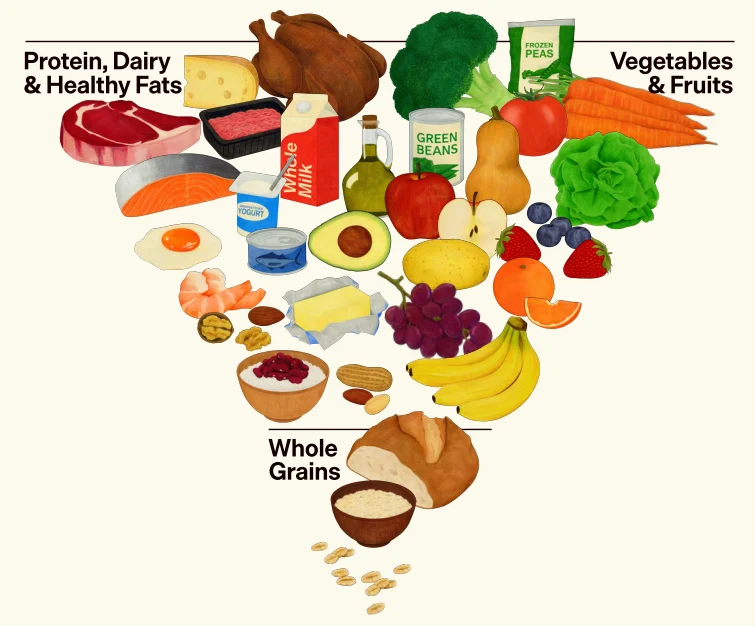
- Prioritizing Whole Foods: Minimizing reliance on ultra-processed items in favor of whole grains, legumes, nuts, seeds, and fresh produce.
- Mindful Consumption: Paying attention to portion sizes and the quality of ingredients, rather than focusing solely on calorie counting.
- Physical Activity as Lifestyle: Moving away from the idea that exercise must be a grueling chore and toward the concept of incorporating movement into daily routines—walking, cycling, and active play.
- Advocacy: Using the consumer voice to demand transparency in labeling and higher standards for school and workplace cafeterias.
Conclusion: The Path Forward
The journey toward a healthier nation is a marathon, not a sprint. The 2022 White House Conference provided a historic platform for change, but as the experts at the Harvard T.H. Chan School of Public Health suggest, a platform is only as strong as the policies built upon it.
The Healthy Living Guide stands as a testament to the fact that while we push for systemic, top-down policy reform, we must simultaneously nurture the bottom-up, individual efforts that define our daily lives. By harmonizing public policy with personal health literacy, we can create a food system that is equitable, sustainable, and capable of nourishing the health of every citizen.
As we look toward 2030, the call to action is clear: ensure that the food we eat today supports our health, the health of our communities, and the health of the planet. For those seeking to begin this journey, the Healthy Living Guide offers the essential tools to make informed, life-sustaining choices.
For those interested in diving deeper, the full Healthy Living Guide (PDF) provides printable tip sheets, summaries, and links to extensive research. It serves as a living document, updated to reflect the evolving science of nutrition and the changing landscape of public health policy.