










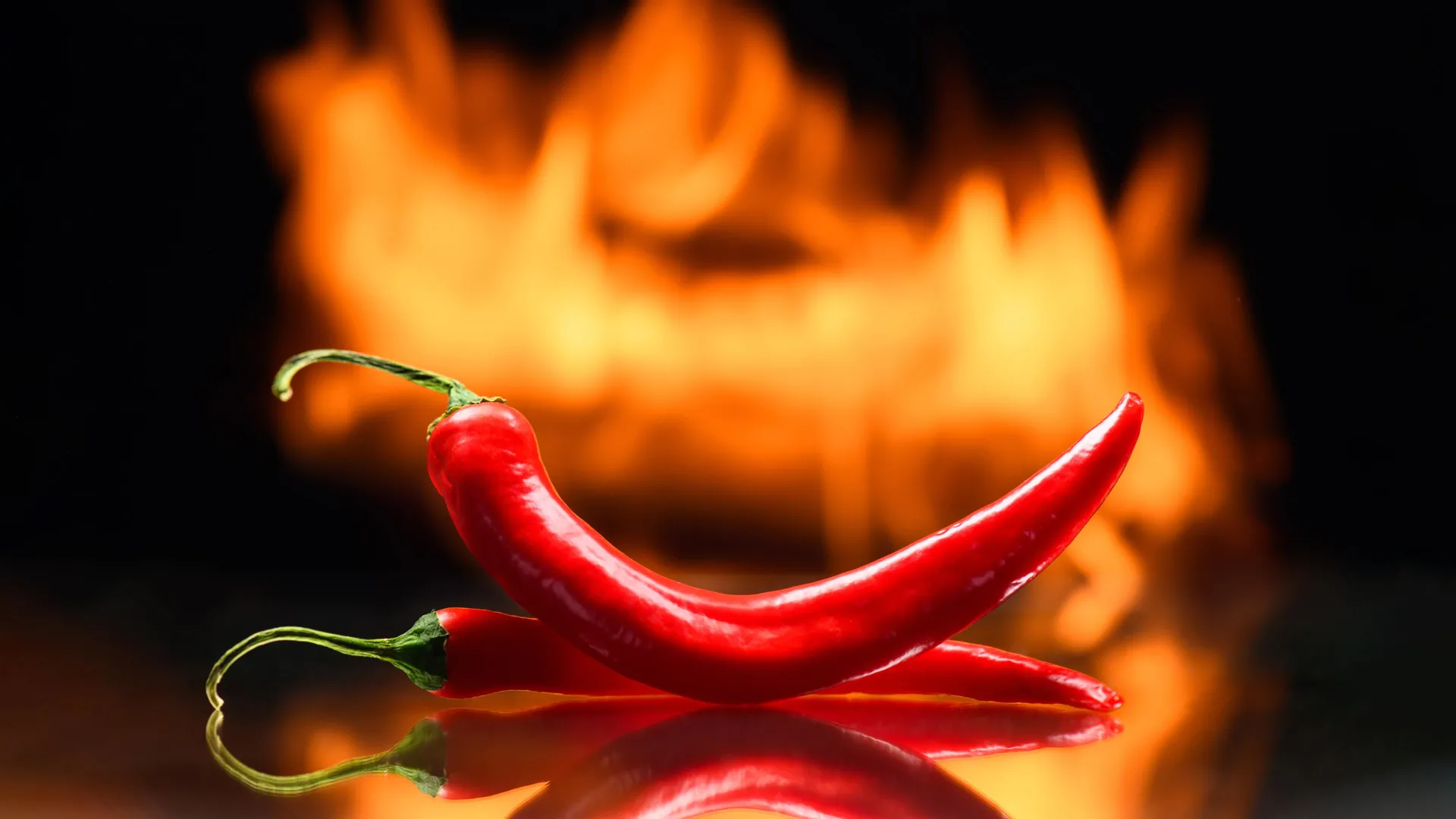
For billions of people across the globe, the pungent, fiery kick of a chili pepper is not just a culinary preference—it is a cultural staple. From the scorching curries of South Asia to the vibrant, chili-infused salsas of Latin America, the Capsicum genus has woven itself into the fabric of human history. Yet, as the popularity of spicy cuisine continues to surge in Western markets, a contentious scientific debate has simmered in the background: Does the regular consumption of chili peppers contribute to the development of gastrointestinal (GI) cancers, or is this fiery ingredient a misunderstood health tonic?
A comprehensive meta-analysis recently published in Frontiers in Nutrition has reignited this discourse, suggesting that while the biological mechanisms behind capsaicin—the chemical compound responsible for the heat in peppers—are complex, there may be a link between heavy consumption and certain cancers of the digestive tract. However, experts caution that the relationship is far from a simple cause-and-effect scenario.
Main Facts: Parsing the Evidence
The central tension in nutritional science regarding chili peppers lies in the duality of capsaicin. In laboratory settings, capsaicin has demonstrated a remarkable ability to induce apoptosis (programmed cell death) in cancer cells and modulate inflammatory pathways. Conversely, epidemiological studies have frequently signaled that high-frequency intake of extremely spicy foods may irritate the sensitive mucosal lining of the esophagus and stomach, potentially fostering conditions favorable to tumor development.
The recent review examined data from 14 observational studies, encompassing over 11,000 participants, of which more than 5,000 had been diagnosed with various forms of GI cancer. The headline finding was significant: individuals classified as the highest consumers of chili peppers exhibited a 64% increased likelihood of developing GI cancers compared to those who consumed the least. Most notably, the risk profile for esophageal cancer was particularly pronounced, with heavy consumers showing nearly three times the risk compared to their low-intake counterparts.
Despite these figures, the scientific community remains divided. The evidence is strictly observational, meaning it identifies correlations rather than definitive causality. The researchers behind the study were careful to emphasize that while their data points to a potential risk factor, it does not confirm that chili peppers are carcinogenic.
A Chronological Perspective: The Evolution of the Debate
The scientific inquiry into spicy food and health did not begin with this review. For decades, researchers have attempted to reconcile the "spicy paradox."
- The Early Years (1980s–1990s): Initial interest was sparked by the observation that populations in regions with high chili intake had different cancer profiles than those in regions where spicy food was rare. Early studies often relied on self-reported questionnaires, which were criticized for being prone to recall bias.
- The Rise of Molecular Biology (2000s): As the understanding of the TRPV1 receptor—the primary target for capsaicin—grew, researchers pivoted to lab-based models. These studies consistently showed that capsaicin could act as both an anti-inflammatory agent and a potential irritant, depending on the dosage and the concentration of the chemical applied to tissue samples.
- The Meta-Analysis Era (2010–Present): The last decade has seen a shift toward large-scale data aggregation. By pooling results from diverse geographical regions, scientists have sought to mitigate the limitations of smaller, isolated studies. The Frontiers in Nutrition paper represents the current apex of this approach, highlighting the urgent need for more longitudinal, prospective research.
Supporting Data: Regional Variations and the "Threshold" Question
One of the most compelling aspects of the recent review is the regional variation in findings. The data revealed a stark geographical divide: studies conducted in Asia, Africa, and parts of North America tended to show an elevated risk of GI cancer associated with high chili intake. In contrast, research originating from Europe and South America frequently demonstrated either a neutral effect or, in some cases, a protective association.
This discrepancy has led researchers to propose that "chili consumption" cannot be viewed in a vacuum. Several confounding variables are likely at play:
- Cooking Methods: High-heat frying or the combination of chilies with other ingredients, such as specific oils or preserved meats, may create a carcinogenic cocktail that the chili itself does not produce alone.
- Genetic and Lifestyle Factors: Pre-existing conditions, such as H. pylori infections (a major driver of stomach cancer), vary significantly by region. Additionally, smoking and alcohol consumption—two well-established carcinogens—often overlap with specific dietary patterns, making it difficult to isolate the role of the chili pepper.
- Varietal Differences: Not all chilies are created equal. The concentration of capsaicin and the presence of other phytochemicals vary wildly between the hundreds of cultivars consumed globally.
The researchers also noted that while esophageal cancer risk showed a clear statistical spike, the risk for stomach and colorectal cancer remained "statistically insignificant," despite a slight upward trend in the stomach cancer data. This suggests that the esophagus, due to its unique anatomical structure and role as the primary point of contact for hot food, may be uniquely vulnerable to chronic thermal or chemical irritation.
Official Responses and Scientific Nuance
The scientific community’s response to these findings has been measured and cautious. Dr. Elena Rodriguez, a gastrointestinal oncologist not involved in the study, noted: "We must be careful not to pathologize a basic dietary ingredient. Millions of people consume high levels of capsaicin daily without developing cancer. When we see an association in an observational study, we are often seeing a reflection of a broader lifestyle pattern rather than a single ‘villain’ ingredient."
Furthermore, umbrella reviews—which synthesize multiple systematic reviews—have frequently arrived at a more balanced conclusion. These reports suggest that spicy food consumption may be associated with a lower risk of cardiovascular disease and premature mortality. This leaves the public in a confusing position: Is the same bowl of spicy chili that protects your heart potentially harming your esophagus?
The consensus among experts is that the "dose" is likely the deciding factor. However, current research has yet to establish a "safe" upper limit. Is there a threshold—say, two teaspoons of chili paste daily—where the potential for tissue irritation outweighs the systemic anti-inflammatory benefits? This remains the "holy grail" of current nutritional oncology.
Implications for Public Health and Daily Life
For the average consumer, the implications are clear: moderation remains the safest path, particularly for those with pre-existing gastrointestinal sensitivities or a family history of esophageal issues.
Key Considerations for Consumers:
- Listen to your body: Chronic heartburn, indigestion, or discomfort after eating spicy foods should be discussed with a medical professional, as these can be early indicators of esophageal or gastric irritation.
- Context matters: The health impact of a chili pepper is rarely dictated by the pepper alone. The quality of the accompanying diet—high in fiber, fruits, and vegetables—is far more predictive of overall cancer risk than the spice level of a meal.
- Don’t panic: The 64% increased risk identified in the study is a relative risk, not an absolute one. For an individual, the absolute risk of developing these cancers remains low.
Looking Toward the Future
The path forward for researchers involves moving beyond observational questionnaires. To truly settle the debate, the field requires large-scale, prospective cohort studies that track dietary habits over decades while controlling for variables like smoking, alcohol, and genetic predispositions.
Researchers are also calling for more detailed investigations into the interaction between capsaicin and the gut microbiome. It is possible that the way our internal bacteria process spicy compounds influences whether the effect is beneficial or harmful.
In conclusion, while the Frontiers in Nutrition review provides a valuable piece of the puzzle, it serves more as a starting point than a final verdict. The chili pepper remains a paradoxical ingredient, one that has been celebrated for its health-promoting properties and, now, scrutinized for its potential risks. As we continue to refine our understanding of the human diet, the best advice remains rooted in the ancient wisdom of balance: enjoy the heat, but respect the sensitivity of the digestive system that processes it. Until further longitudinal data emerges, the fiery debate over the health impacts of our favorite spicy dishes will continue to burn bright.