As we transition further into the third year of the COVID-19 pandemic, the concept of "normalcy" remains a fluid, evolving target. The year 2021 served as a bridge between the abrupt, survival-oriented lockdowns of 2020 and a future characterized by a complex synthesis of old habits and new, pandemic-forged routines. For many, this period was defined by a cautious return to pre-pandemic activities, juxtaposed against a lingering awareness of health vulnerabilities.
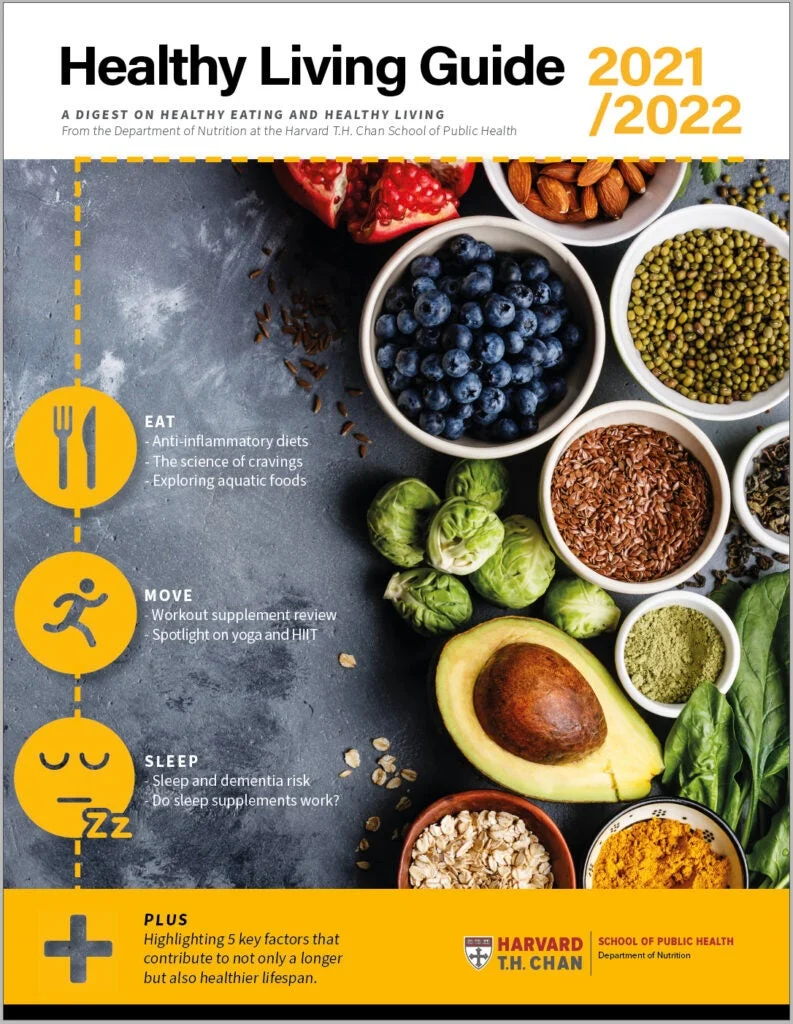
To help the public navigate these ongoing shifts, the Harvard T.H. Chan School of Public Health has released its latest Healthy Living Guide. This resource aims to distill complex nutritional science and lifestyle research into actionable, everyday behaviors. By focusing on the core pillars of wellness—nutrition, physical activity, and sleep—the guide offers a roadmap for individuals seeking stability in an era of persistent uncertainty.
Main Facts: The Evolving Landscape of Consumer Health
The primary objective of the Healthy Living Guide is to empower individuals to make informed decisions despite the external chaos of a global health crisis. Recent data suggests that while the intensity of pandemic-driven behaviors has waned, the underlying challenges to health and wellness have not disappeared.
Key findings from 2021 consumer research indicate a notable pivot in dietary habits:
- A Decline in Pandemic Snacking: The impulse-driven eating habits that surged in 2020 have begun to plateau. In 2020, 32% of Americans reported snacking more; by 2021, that figure dropped to 18%.
- Reduced Over-Consumption: The tendency to "eat more in general" also saw a significant decrease, falling from 20% in 2020 to 11% in 2021.
- The Cooking Conundrum: While home-cooking became a staple activity during lockdowns, the return to busier schedules led to a decline in this habit, dropping from 60% in 2020 to 47% in 2021.
These statistics suggest that while the "crisis mode" of the pandemic has subsided, the challenge of maintaining long-term healthy habits remains significant. The guide emphasizes that nutrition is not merely about restriction, but about fostering a sustainable relationship with food that can withstand the fluctuations of a changing environment.
Chronology: The Arc of Pandemic-Driven Lifestyle Changes
To understand where we are, we must look at the trajectory of the past twenty-four months. The evolution of the "new normal" can be broken down into three distinct phases:
Phase I: The Great Disruption (Early 2020)
The onset of the pandemic triggered an immediate and dramatic shift in lifestyle. With gyms closed and grocery supply chains fluctuating, consumers turned to comfort foods and sedentary habits. The sudden loss of structural routines—such as the daily commute or office lunch breaks—created a vacuum that was often filled by frequent, mindless snacking and an increased reliance on convenience foods.
Phase II: The Adaptation (Late 2020 to Mid-2021)
As the pandemic persisted, individuals began to adapt. The home kitchen became the center of gravity. Many people rediscovered the benefits of home cooking, not just for financial reasons, but for health. This phase saw a surge in interest regarding immune-boosting foods, home exercise equipment, and mental health management.
Phase III: The Integration (Late 2021 to Present)
We are currently in a period of integration. The novelty of home-centric living has worn off, and many are struggling to maintain the healthy habits they adopted during the height of the pandemic. The Healthy Living Guide is positioned specifically for this moment, providing the tools to bridge the gap between "pandemic habits" and "sustainable, long-term health."
Supporting Data: Addressing Disparities and Global Health
While much of the conversation around health in 2021 focused on individual choice, the Healthy Living Guide acknowledges the systemic inequalities that have been laid bare by the pandemic.
Food Insecurity and Access
Data from the past year continues to highlight significant disparities in food security. While some segments of the population were able to pivot to healthier diets, others faced increased barriers to accessing fresh, nutritious food due to economic instability and supply chain disruptions. The guide underscores that "healthy living" is not just an individual responsibility but a public health issue that requires equitable access to resources.
The Global Vaccine Imperative
The guide further addresses the broader context of health: the COVID-19 pandemic remains an active threat. The emergence of new variants serves as a sobering reminder that the health of the individual is inextricably linked to the health of the global community. The data makes a compelling case for the urgency of increased, equitable access to vaccinations, particularly in low- and lower-middle-income countries. Global health is, by definition, personal health.
Official Responses: The Philosophy of the Healthy Living Guide
Experts contributing to the Harvard Healthy Living Guide argue that the "twists and turns" of the pandemic require a resilient mindset. Rather than prescribing rigid diets or impossible fitness goals, the guide focuses on evidence-based, incremental improvements.
The Core Themes
- Eating Well: The guide moves away from fad diets and promotes a balanced approach that prioritizes nutrient-dense foods, mindful eating, and an understanding of how food affects energy levels throughout the day.
- Being Active: Physical activity is framed not as a chore, but as a crucial tool for both mental and physical health. The guide provides insights into how even small bouts of movement can mitigate the physiological impacts of chronic stress.
- Getting Enough Sleep: Sleep is frequently the first pillar to crumble during stressful times. The guide explores the science of circadian rhythms and offers strategies to improve sleep hygiene in an era where work-life boundaries are increasingly blurred.
"We recognize that people are tired," the editorial team notes. "The goal of this year’s edition is not to add more stress to your life, but to offer a menu of options that you can integrate into your daily life at your own pace."
Implications: Building Resilience for 2022 and Beyond
The implications of the current health climate are clear: the pandemic has fundamentally altered how we think about our bodies and our environments. As we move further into 2022, the lessons learned over the last two years offer a framework for long-term wellness.
The Shift Toward Intentionality
The decline in home cooking and the shift in snacking habits suggest that many are moving back toward convenience. The implication here is a need for intentionality. The guide advocates for "lifestyle design"—taking the time to plan meals, schedule physical activity, and protect sleep, even as the demands of pre-pandemic life return to full force.
Addressing the "Knowledge Gap"
To ensure these findings are not just read but implemented, the Healthy Living Guide includes interactive elements, such as knowledge tests and printable tip sheets. These tools are designed to move health literacy beyond the academic sphere and into the kitchen and the home office.
A Holistic View of Wellness
Perhaps the most significant takeaway from the 2021-2022 research is the rejection of the "siloed" approach to health. We can no longer separate nutrition from sleep, or sleep from mental health, or mental health from global stability. The guide serves as a comprehensive reminder that to be truly healthy, one must attend to the interconnected systems of the self and the community.
Conclusion: A Call to Action
As we navigate the ongoing challenges of the global landscape, the Healthy Living Guide serves as both a manual and a companion. It provides the empirical backing for why we feel the way we do, and the practical steps to feel better.
Whether it is through downloading the printable tip sheets, testing your knowledge with the provided health quizzes, or revisiting the foundational research from previous editions, the message remains consistent: health is a journey, not a destination. By focusing on small, sustainable, and science-backed behaviors, we can not only survive the "new normal" but thrive within it.
We invite you to engage with these resources, reflect on your own habits, and commit to the small changes that foster long-term resilience. As the authors of the guide conclude, "We hope that you find it useful, and we wish you a very healthy and fulfilling 2022."
Resources: