










Published: August 31, 2026
In the fast-paced landscape of modern fitness, the pursuit of "stability" has transcended the gym floor. Whether you are navigating a demanding career, an active social life, or the physical rigors of aging, the ability to maintain poise—both literal and metaphorical—is an essential asset. For yoga practitioners who find themselves craving the challenge of single-leg poses, a newly released 15-minute standing balance routine offers a sophisticated solution.
Designed by yoga instructor Kassandra Reinhardt, this high-intensity, vinyasa-style sequence is meticulously engineered to bridge the gap between mat-based practice and functional, everyday stability. By linking iconic poses like Warrior 3, Dancer, and Eagle without the reprieve of long rests, the sequence forces the body to adapt to constant shifts in center of gravity, effectively training the neuromuscular system to remain calm under pressure.
The Philosophy of Dynamic Equilibrium
The primary challenge of this routine is not the difficulty of the individual postures, but the method of their delivery. Traditional yoga classes often allow for a "reset" between intense balancing poses. This 15-minute sequence, however, opts for a vinyasa-style flow, where transitions are as significant as the poses themselves.
By eliminating frequent breaks, the routine elevates the heart rate, introducing a cardiovascular element that requires the practitioner to maintain focus even as fatigue sets in. This simulates the unpredictability of real-world movement. When you practice balance in a state of controlled exhaustion, you are not just strengthening the small stabilizer muscles in your ankles and core; you are retraining your brain to maintain executive function and equilibrium during moments of physical stress.
Chronology of the 15-Minute Flow
The following breakdown details the step-by-step progression of this balanced-focused sequence, designed to be performed in under a quarter of an hour.
Phase 1: Warming the Foundation
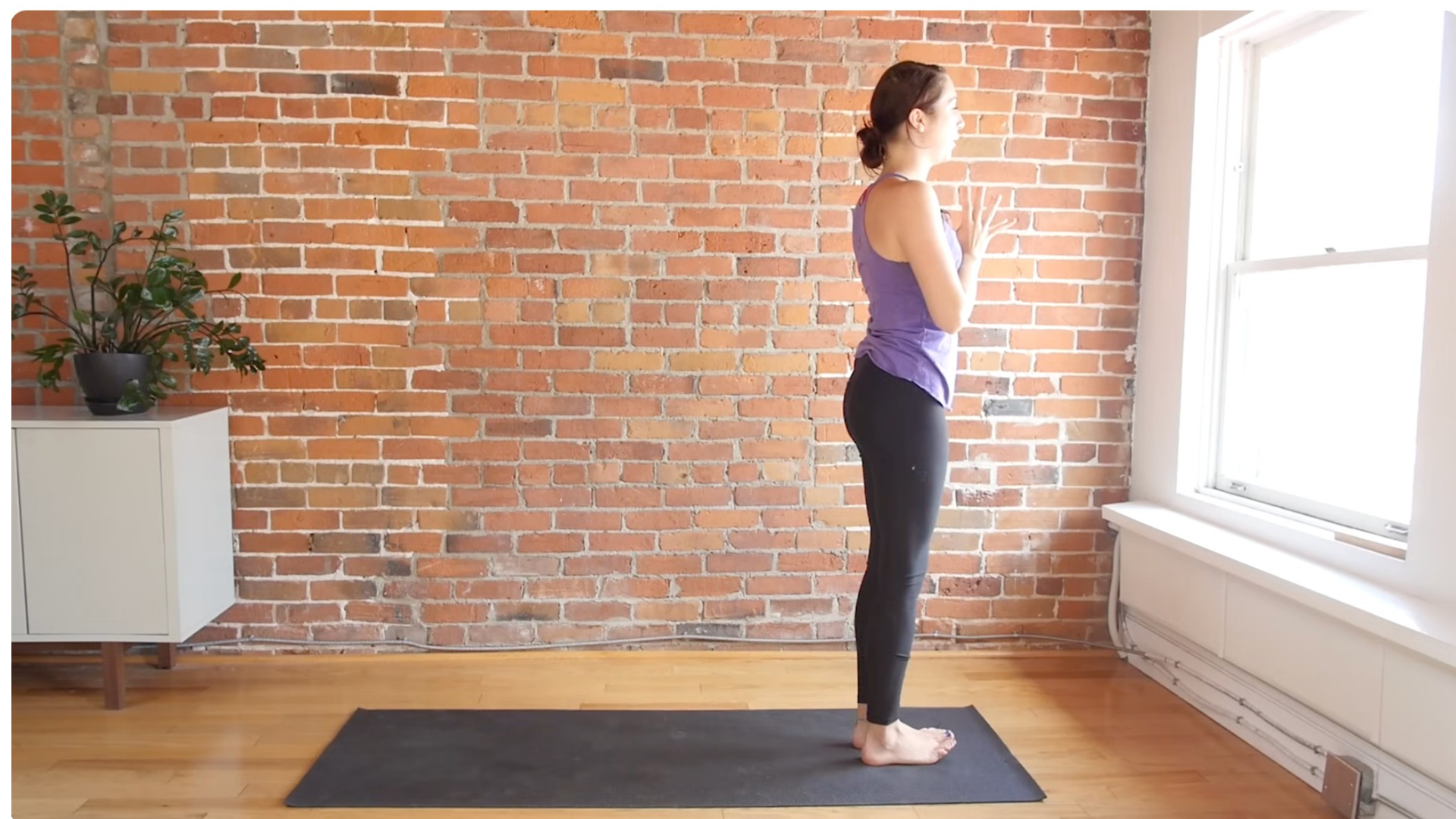
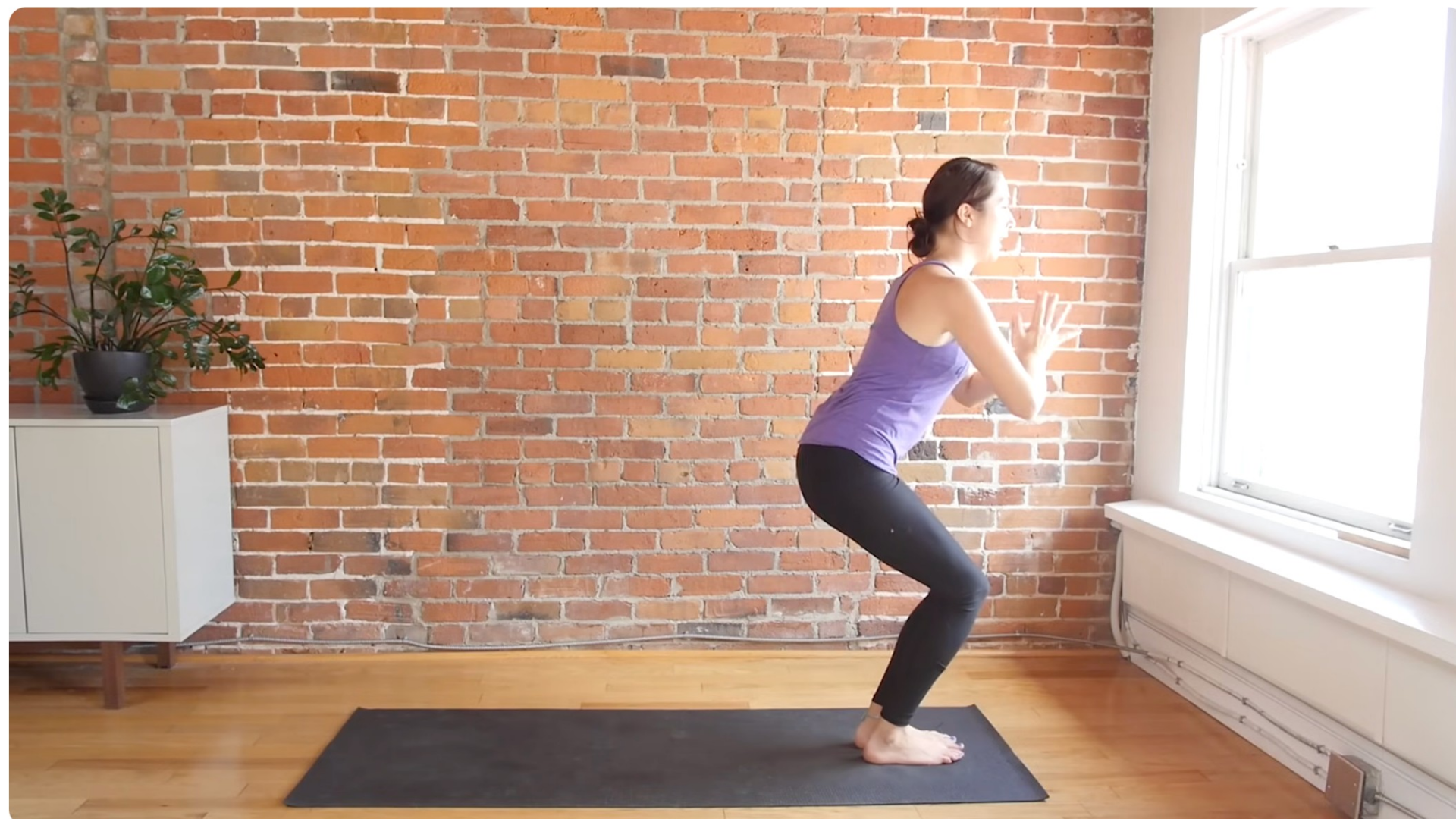
The practice begins in Mountain Pose (Tadasana), a foundational stance that serves as a mental reset. By toe-heeling the feet together—big toes touching and heels slightly apart—the practitioner establishes a grounded base.
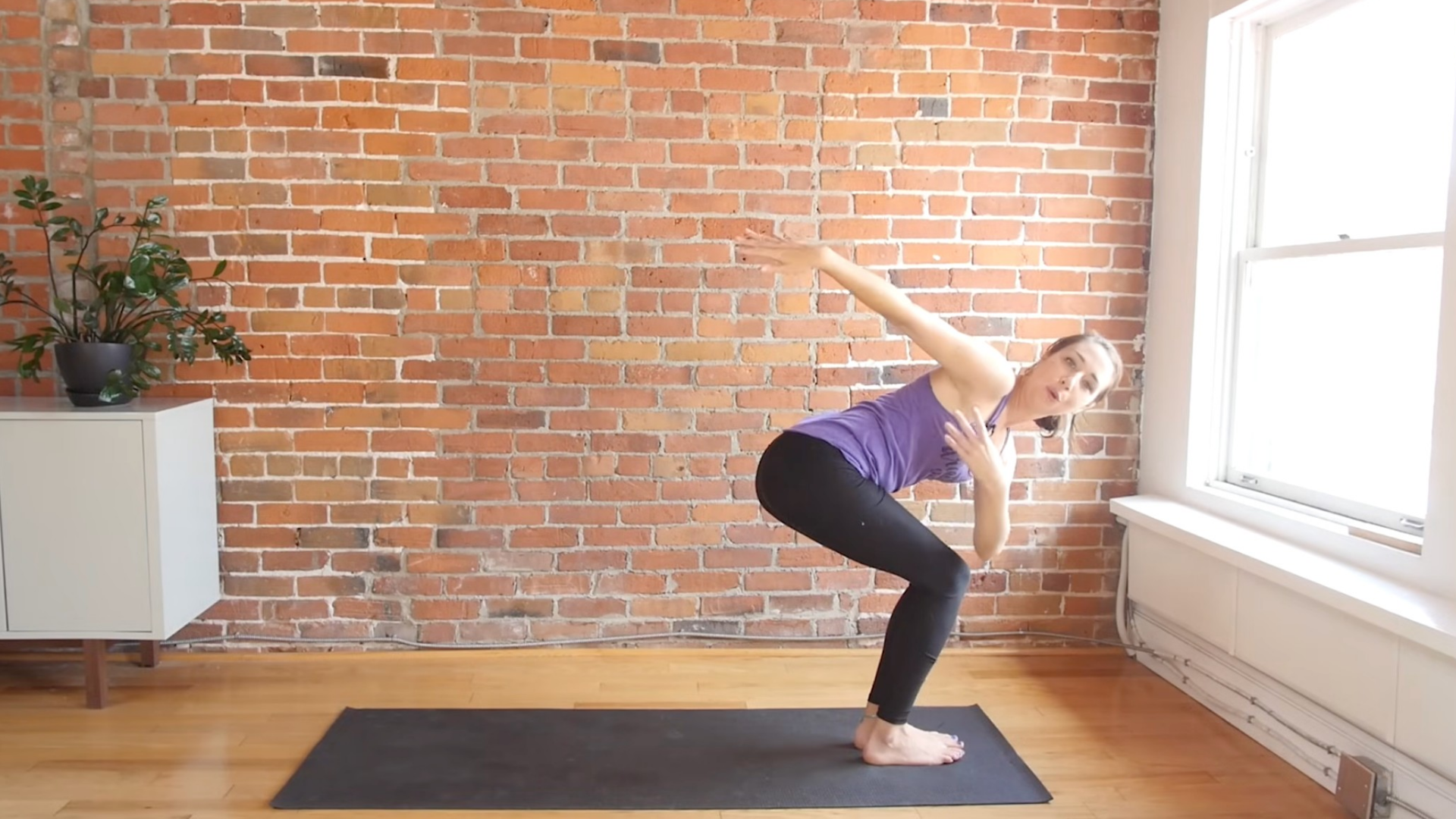
Transitioning immediately into Dynamic Chair Pose (Utkatasana), the sequence introduces movement. Practitioners sink their hips back, shifting weight into the heels to engage the glutes and hamstrings. The dynamic nature of this phase involves lateral twists; as the arms sweep from center to right and left, the core is engaged in anti-rotational stability, a critical skill for preventing lower back injuries.
Phase 2: Building Heat and Twist
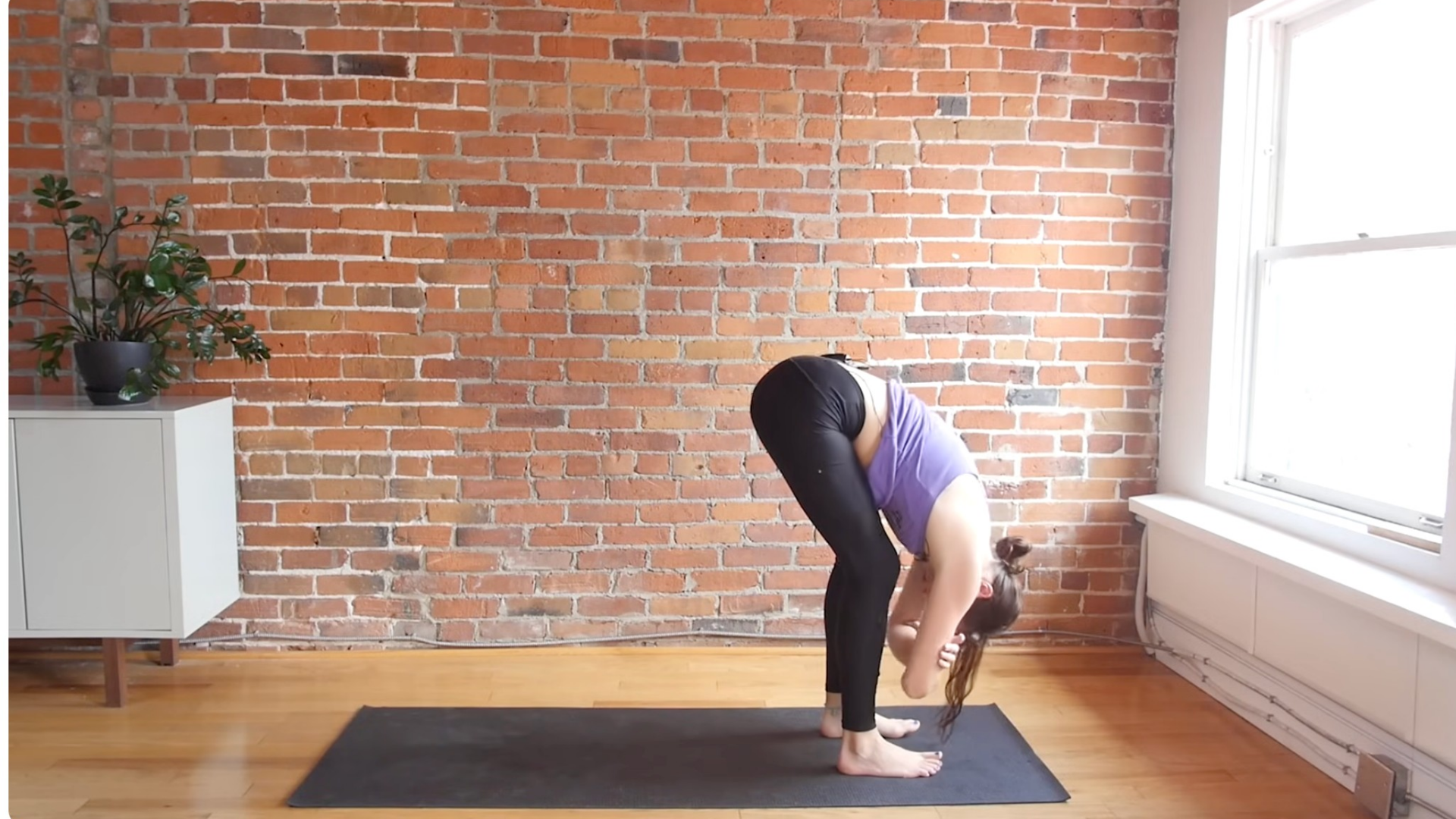
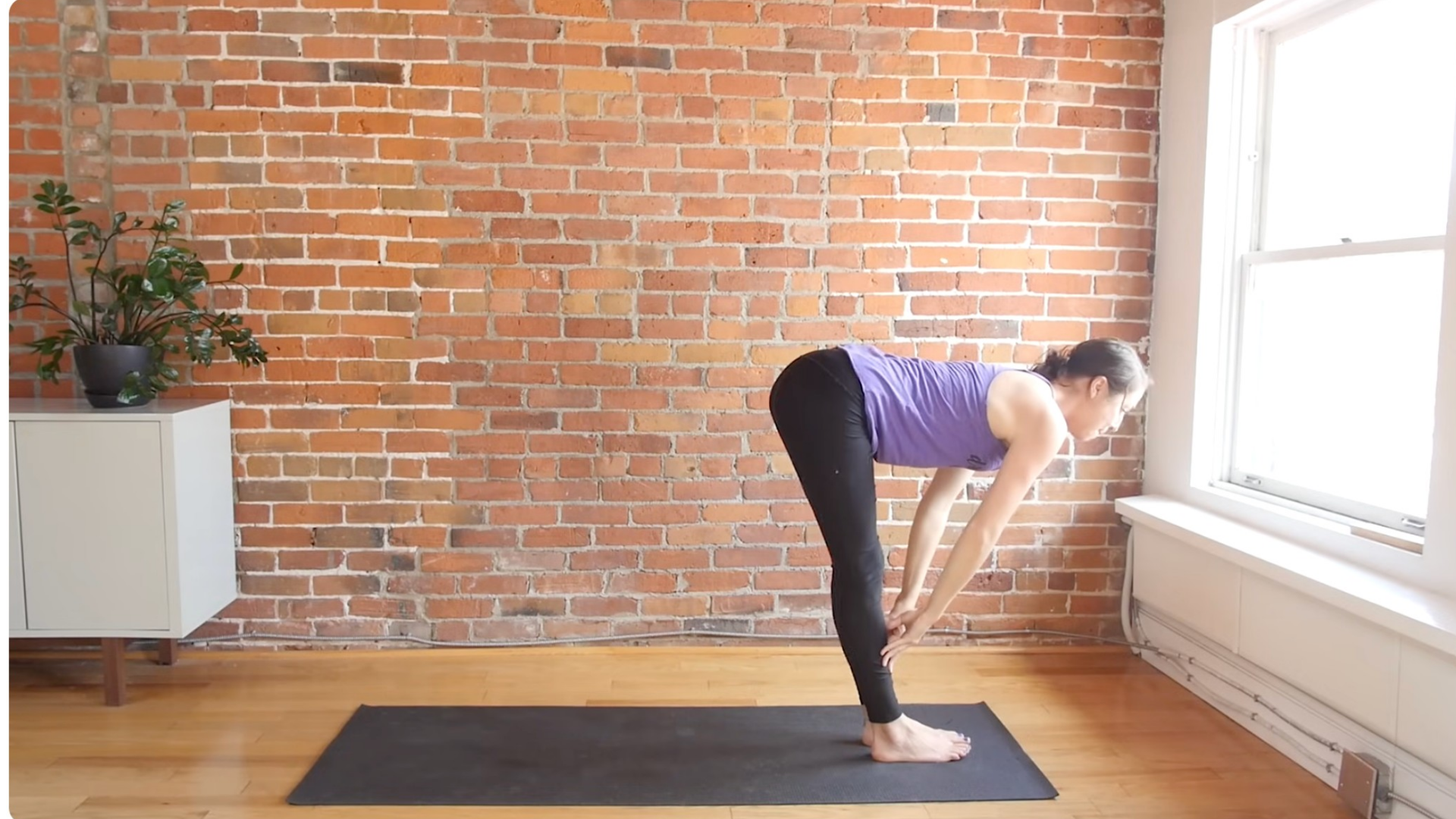
Following the flow, the sequence moves into Standing Forward Bend (Uttanasana), providing a brief release for the hamstrings, before transitioning into a Halfway Lift to elongate the spine.
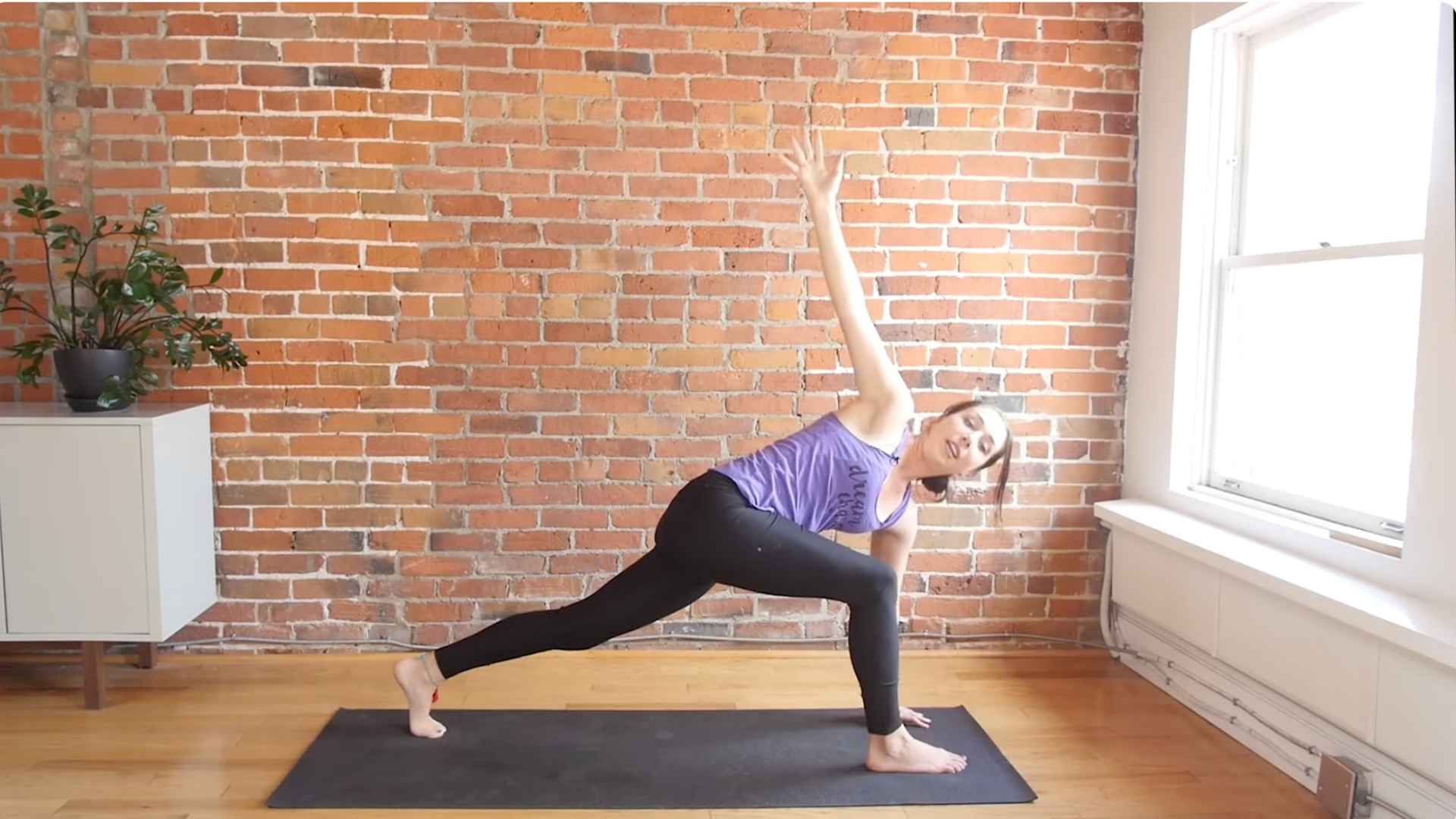
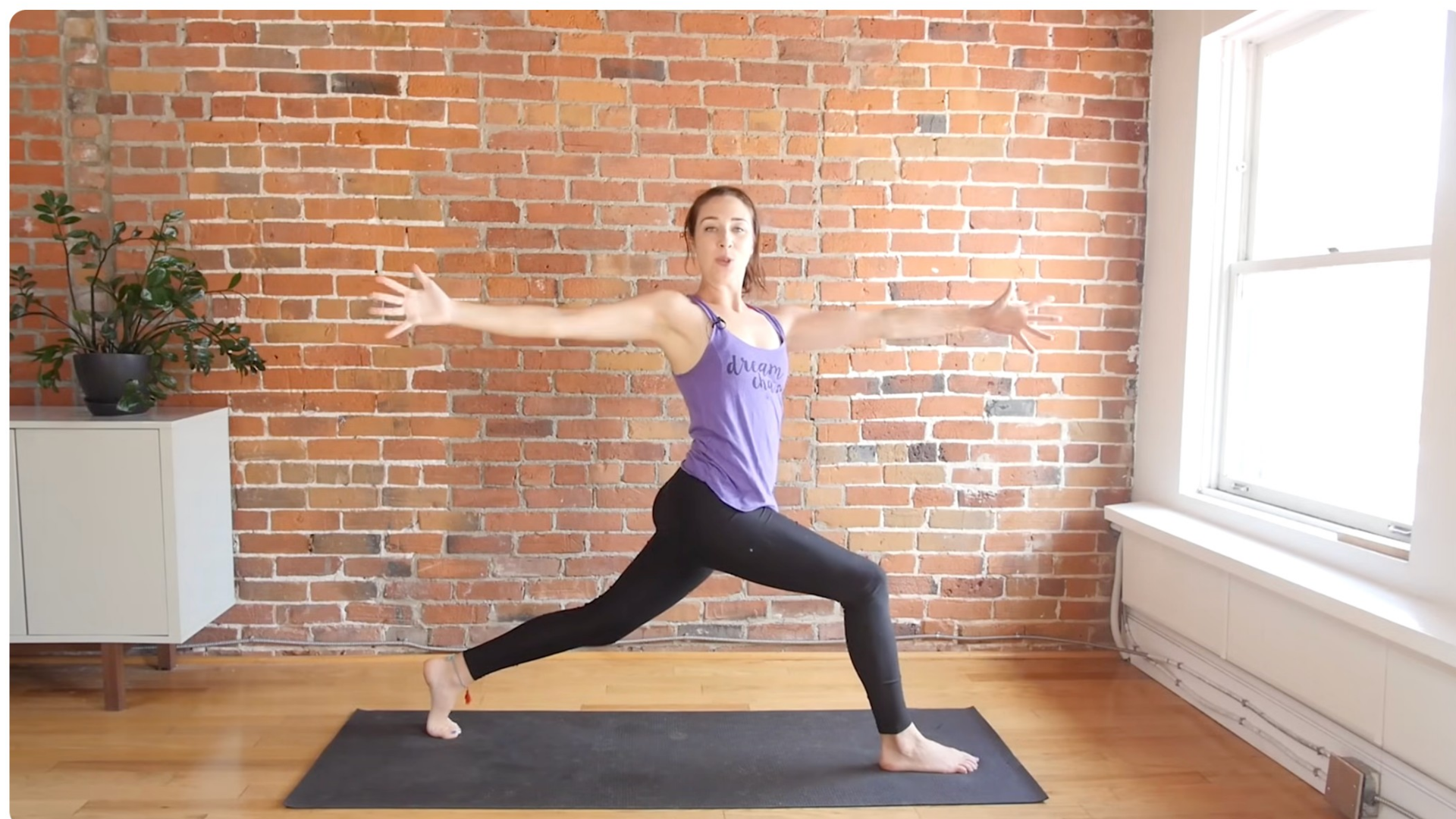
The intensity increases with the Revolved Runner’s Lunge. By keeping the back knee lifted, the practitioner works on hip mobility and structural integrity. This progresses into the Revolved High Lunge, where the balance challenge is amplified by rising from fingertips to a fully upright torso. The inclusion of an optional variation—reaching the right hand to the left thigh for a side stretch—adds a layer of oblique engagement that tests the practitioner’s vertical alignment.
Phase 3: The Peak Balance Sequence
This is the core of the routine, where the most demanding poses reside:
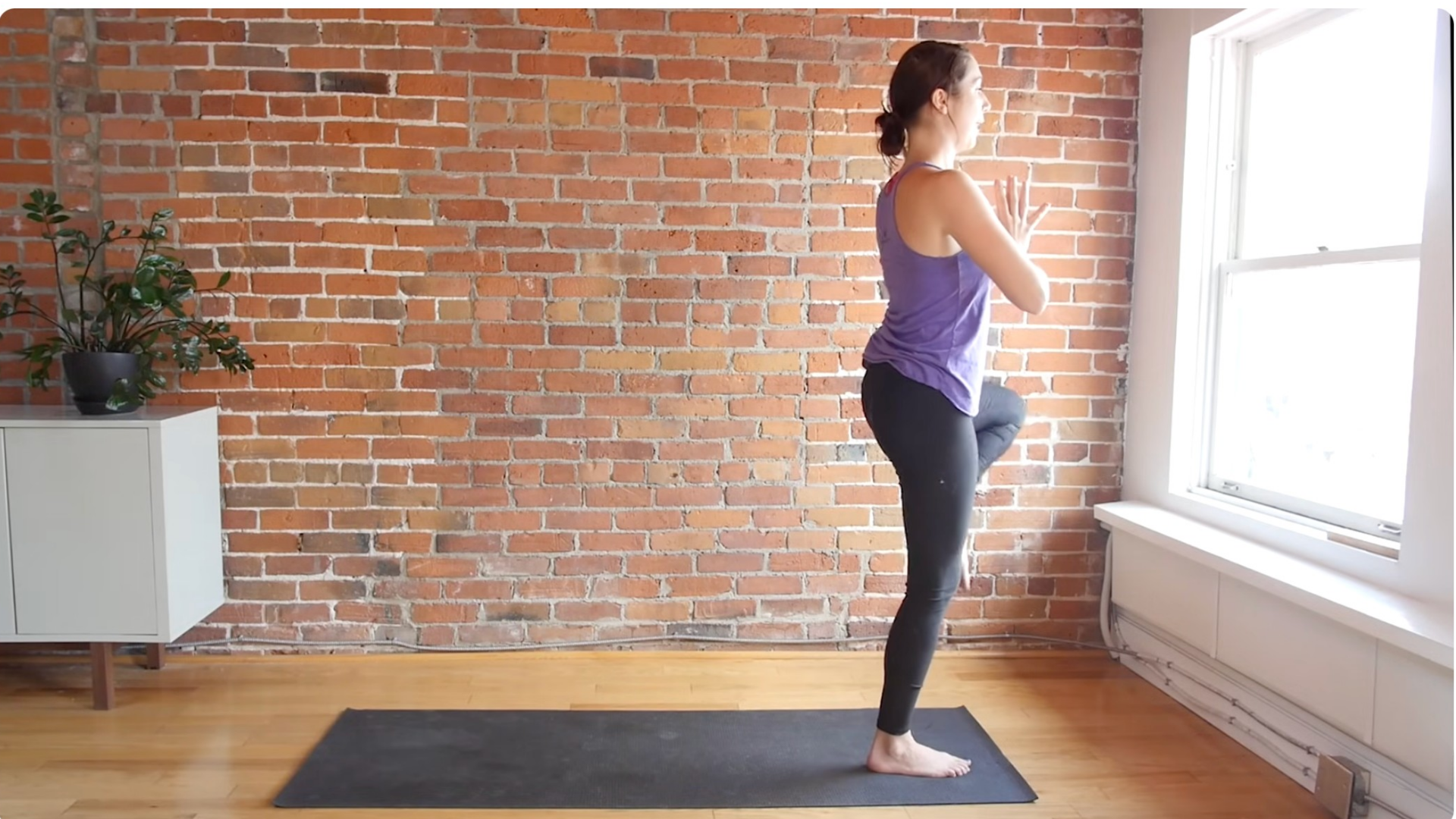
- Tree Pose (Vrksasana): The practitioner shifts weight into the standing leg, pressing the lifted foot firmly into the inner thigh or calf. The focus here is on the "midline," the internal sensation of drawing all muscle groups toward the center of the body.
- Warrior 3 (Virabhadrasana III): Perhaps the most demanding pose in the sequence, it requires a T-shape alignment. By rotating the lifted hip downward and squeezing the glutes, the practitioner builds profound posterior chain strength.
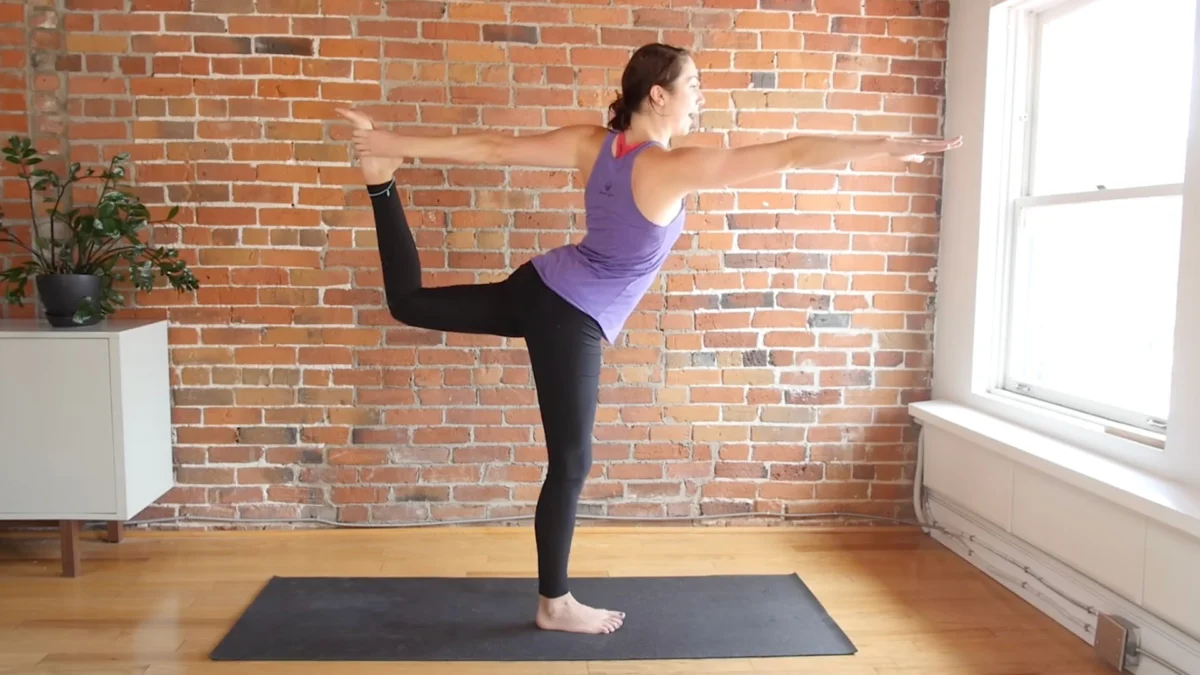
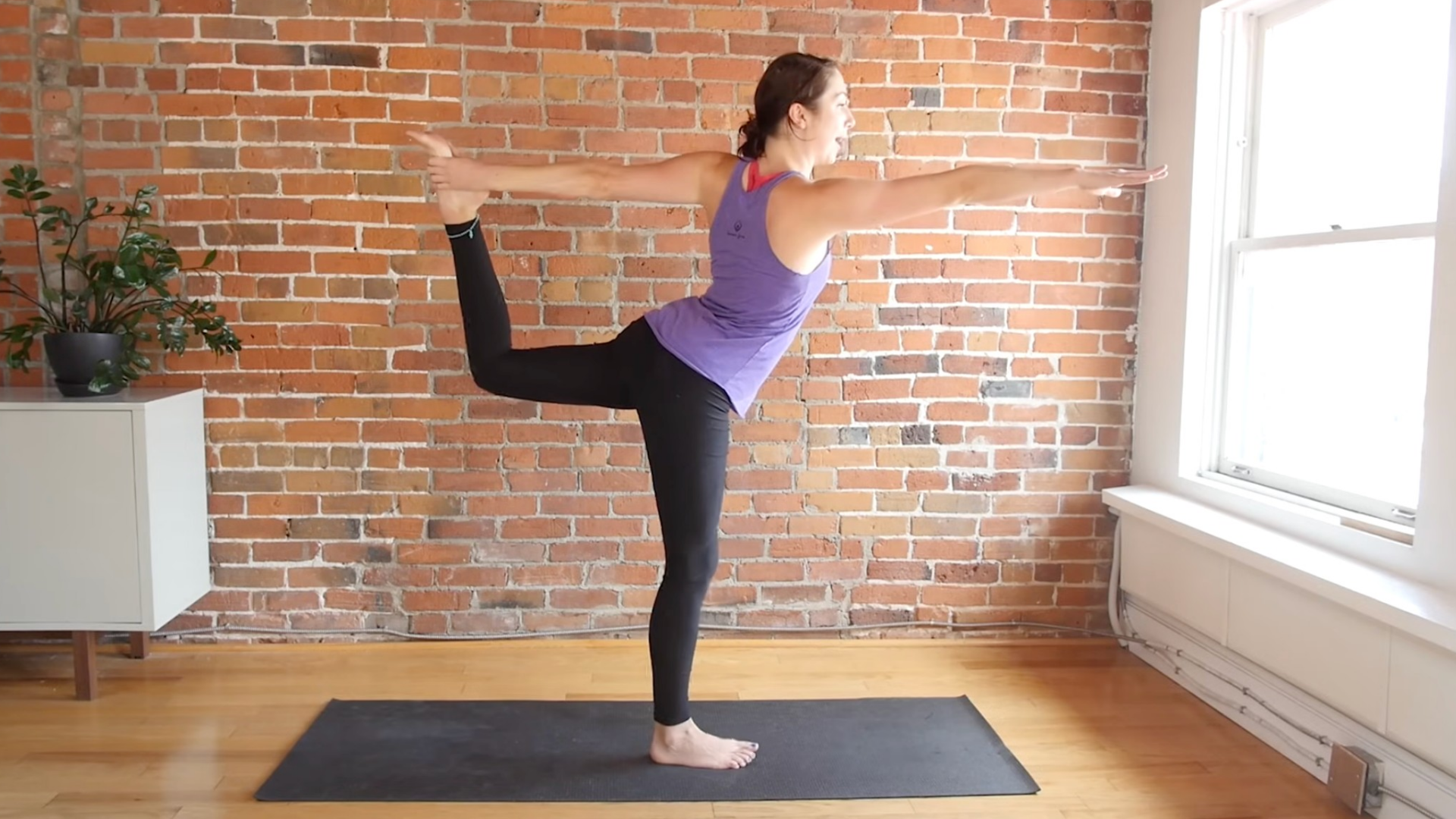
- Dancer Pose (Natarajasana): Moving from a standing lunge, this pose demands both flexibility and grace. The practitioner catches the inner edge of the lifted foot, kicking into the palm to create a backbend that opens the chest while challenging the balance of the supporting leg.
- Eagle Pose (Garudasana): The finale of the standing sequence, Eagle forces the body to wrap limbs tightly, creating a "compressed" balance that develops concentration and ankle stability.
Phase 4: Integration and Recovery
The final segment involves Downward-Facing Dog, acting as a transition to the floor. The routine concludes with a Reclined Twist and Savasana, allowing the nervous system to shift from the sympathetic (fight-or-flight) state induced by the intense balancing work to the parasympathetic (rest-and-digest) state essential for recovery.
Supporting Data: The Science of Balance
Why is a 15-minute routine effective? Research in sports science consistently highlights that balance is a perishable skill. Proprioception—the body’s ability to sense its position in space—declines without consistent stimulation.
According to fitness experts, the "wobble" that occurs during these poses is not a sign of failure; it is the moment of growth. When the ankle micro-adjusts to keep the body upright, the brain is reinforcing neural pathways. By performing these poses in a vinyasa sequence, practitioners are effectively performing "interval training for the nervous system." This leads to:
- Increased Ankle Stability: Reduced risk of common sprains and ligament damage.
- Core Activation: Improved postural muscles that protect the spine during daily activities like lifting groceries or sitting at a desk.
- Enhanced Focus: A "flow state" that carries over into professional and personal life, improving the ability to handle stressful stimuli without losing composure.
Implications for Daily Living
The implications of integrating a 15-minute balance routine into one’s life extend far beyond the yoga studio. As we age, the risk of falls becomes a significant public health concern. By dedicating just 15 minutes a day to these movements, practitioners are investing in their long-term autonomy.
Furthermore, the psychological benefits cannot be overstated. In a world characterized by constant distraction, standing on one leg requires total presence. You cannot be thinking about your email inbox or your to-do list while in the middle of a Warrior 3; if your mind wanders, your balance fails. This creates a forced meditative state, providing a mental "detox" that is often more effective than traditional sitting meditation for those who struggle with a busy mind.
Expert Commentary and Professional Outlook
"The beauty of this sequence is its accessibility," says Sarah Jenkins, a leading physical therapist specializing in yoga-related injuries. "It doesn’t require expensive equipment or hours of time. By focusing on the transitions between the poses, the instructor has turned a static exercise into a dynamic training program. It’s perfect for the modern professional who needs a high-impact, low-time-commitment routine."
The consensus among wellness experts is clear: stability is the bedrock of fitness. Without it, strength training is less effective, and endurance training is more prone to injury. This 15-minute routine provides a comprehensive, scalable, and highly effective way to anchor your physical and mental health.
As you navigate the challenges of your daily life, remember the words of the instructor: "Wobbling is totally fine. Falling out of the pose is perfectly okay." It is in the recovery from the wobble that true strength is built. Whether you are a seasoned yogi or a beginner looking to improve your functional fitness, this routine offers a path to a more stable, centered, and resilient self.