











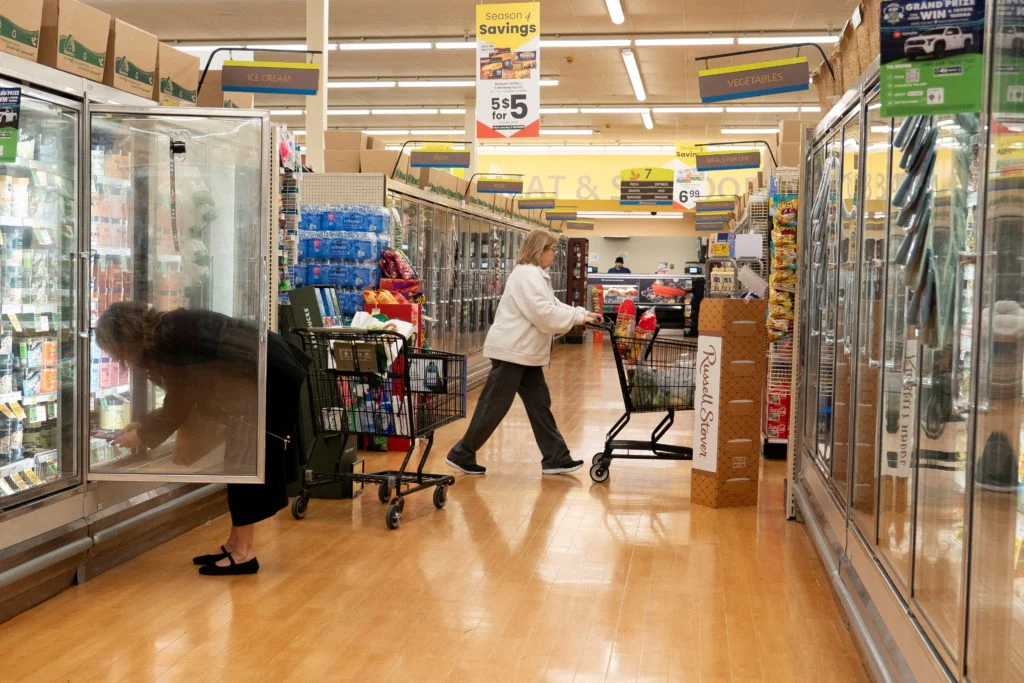
For nearly 70 years, the American food industry has operated under a regulatory honor system. Under the "Generally Recognized as Safe" (GRAS) provision, food and beverage corporations have possessed the unilateral power to determine that a new ingredient is safe for consumption and introduce it to the marketplace without ever notifying the Food and Drug Administration (FDA). This era of industry self-policing, however, may be approaching a watershed moment.
A new regulatory proposal from the Department of Health and Human Services (HHS), spearheaded by Secretary Robert F. Kennedy Jr. as part of his "Make America Healthy Again" (MAHA) agenda, seeks to force companies to notify the agency whenever they introduce a new substance into the human or animal food supply. While proponents argue this is a long-overdue step toward transparency, critics—including former regulators and public health experts—warn that the proposal stops far short of the rigorous, independent safety oversight that American consumers expect.
The Evolution of the GRAS Exemption
To understand the current proposal, one must look back to 1958. In the post-war era, Congress enacted the Food Additives Amendment, which included the GRAS exemption. The intent was pragmatic: the FDA lacked the resources to conduct formal safety reviews for every single substance used in food, particularly those that were widely accepted and historically benign, such as salt, vinegar, and baking soda.
However, over the subsequent seven decades, the scope of this exemption has expanded exponentially. According to a 2025 analysis by the Environmental Working Group (EWG), a staggering 99% of food chemicals introduced since 1958 have entered the market through the GRAS pathway rather than the FDA’s formal food additive approval process.
What was once a narrow carve-out for common pantry staples has evolved into a massive, industry-led pipeline for novel synthetic chemicals, flavorings, and additives. Critics argue that the "exemption" has effectively become the standard operating procedure, allowing manufacturers to bypass the very agency tasked with safeguarding the nation’s health.
A Legacy of Information Gaps
The danger of this system is not merely theoretical; it has real-world consequences for public health. A stark example occurred in 2022, when a foodborne illness outbreak linked to Daily Harvest plant-based crumbles hospitalized 133 consumers. Investigators eventually traced the illness to tara flour, an ingredient that had been integrated into the food supply without prior FDA scrutiny.
Following the outbreak, the FDA analyzed the ingredient and determined that tara flour did not meet the standards of being "generally recognized as safe," ultimately reclassifying it as an unapproved additive. For Peter Lurie, president of the Center for Science in the Public Interest and a former FDA official, this case represents a failure of the current system.
"What you would have hoped is that they would have submitted something to the FDA, the agency would have looked at it, and there would have been some kind of signal in the submitted data that might have made the FDA say ‘no,’" Lurie noted. Under the current system, however, the FDA was effectively blind to the ingredient until consumers began falling ill.
The Mechanics of the Proposed Rule
The HHS proposal aims to convert the FDA’s currently voluntary GRAS notification program into a mandatory one. Under the new rule, companies introducing a new substance under the GRAS provision would be required to notify the FDA of the scientific basis for their safety determination.
Crucially, the proposal does not grant the FDA the power to stop a product from hitting shelves while it reviews the notification. Instead, the FDA states it would use these notifications as a data set to prioritize substances for post-market safety reviews. In other words, if a company fails to notify the agency, it won’t be barred from selling the product, but it may trigger closer scrutiny from the FDA later on.
The proposal also creates a "catch-up" mechanism for ingredients already on the market. Companies would have one year to submit a streamlined notification for their existing self-affirmed GRAS ingredients. However, the rule does not mandate that companies provide underlying safety data for these existing products, a point that has drawn significant ire from nutritional scientists.
Official Responses and Expert Skepticism
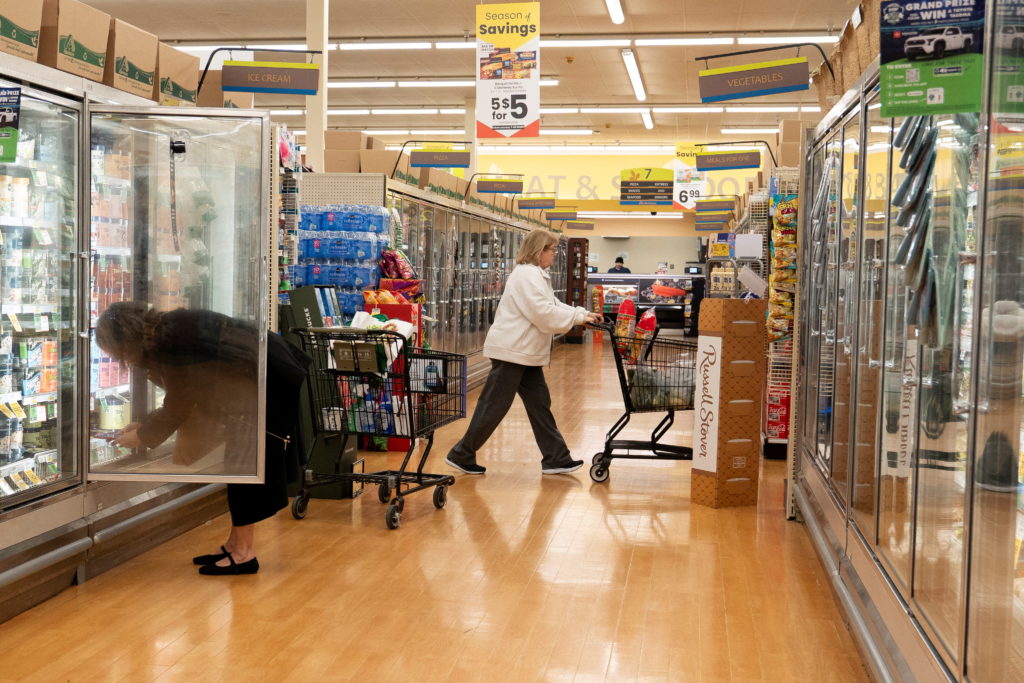
The administration has framed this move as a critical effort to "strengthen nutrition science, improve transparency, and modernize oversight of the food supply." Yet, the response from the scientific and legal communities has been lukewarm at best.
Patricia Zettler, a law professor at Ohio State University and a former FDA associate chief counsel, highlights a fundamental legal hurdle: the agency is working within the bounds of a statute written in 1958. "Maybe the ‘generally recognized as safe’ pathway is bigger than Congress initially envisioned," Zettler said, "but it is how Congress designed the statute." She cautions that calling the GRAS pathway a "loophole" ignores the reality that it is a codified feature of federal law.
Others are more skeptical of the proposal’s efficacy. Agricultural economist Charles Benbrook argues that the mandatory notification is essentially a collection of corporate opinions rather than rigorous science. "It’s very different from the food additive approval process… where before a new food additive is approved to put in your food, my food, my grandkids’ food, it has to go through at least a minimal and open scientific evaluation," Benbrook said.
Furthermore, there is the question of capacity. Marion Nestle, professor emerita of nutrition, food studies, and public health at New York University, questions whether the FDA is even equipped to handle a surge in notifications. "Who is at the FDA who can review these when 20% of the staff has been fired or left?" she asked.
Implications for Public Health
The MAHA initiative has placed significant emphasis on the role of chemicals and additives in the American diet. However, experts point out that there is a vast difference between the chemical safety of additives and the microbial safety of food.
The FDA has spent much of the past year battling high-profile, multi-state outbreaks of Cyclospora and Salmonella. These outbreaks, which have sickened thousands, are caused by pathogens—not by synthetic food additives. "The GRAS rule has nothing to do with microbial food safety," Dr. Nestle emphasized. "It’s about food additives. It is not about microbes."
This creates a tension within the current regulatory agenda. While the administration focuses on long-term health risks associated with additives, some critics worry that this focus may draw limited administrative resources away from acute, life-threatening food safety issues like bacterial contamination. Furthermore, Peter Lurie argues that the administration’s preoccupation with additives ignores more pressing dietary drivers of mortality, such as excessive sodium, added sugars, and saturated fats, which lack the same "chemical" stigma but possess significantly more robust evidence linking them to chronic disease.
A Long Road to Regulation
The proposed rule is currently in a public comment period, which is scheduled to run through early December. Even if the FDA moves forward to finalize the rule, the timeline remains daunting. "Nothing is going to change tomorrow," Zettler noted. "Even if a final rule came out in 2027, that would be pretty fast for one of these rulemakings."
Under the Administrative Procedure Act, the agency is legally required to respond to public comments, a process that can lead to significant revisions. Industry groups are expected to challenge the necessity of the reporting, while public health advocates will likely push for more stringent, independent review requirements.
For the American consumer, the outlook is mixed. The proposal would, at the very least, provide the FDA with a clearer "map" of what substances are circulating in the food supply—a fundamental piece of information the agency has lacked for decades. However, as it stands, the rule does not guarantee that the food on the shelves is safer, nor does it guarantee that the FDA has the teeth to act when it finds something concerning.
Ultimately, the GRAS debate serves as a microcosm for the broader struggle to govern the modern food system. It pits the 1958 legislative framework of a simpler era against the 21st-century reality of ultra-processed food production. Whether this new notification requirement marks the beginning of a safer food supply or merely a paper-pushing exercise remains to be seen. As Lurie concluded, "We will know better what’s in the food… instead of leaving it all to a self-interested industry to make those kinds of determinations." For now, that modest gain in visibility is the only promise on the table.