




Published August 31, 2026
For many, the transition from a high-intensity professional career to retirement is a period of adjustment. However, for Jared McKenzie, a veteran who spent the final 12 years of his military service behind a desk, retirement marked the beginning of a physical and mental decline. By the time he turned 50, the cumulative effects of a sedentary lifestyle, combined with the lingering challenges of post-traumatic stress disorder (PTSD) and depression, had taken a significant toll.
His muscles had grown weak, his range of motion was severely restricted, and his quality of life was diminishing. "It wasn’t just about being out of shape," McKenzie recalls. "The physical stiffness was dictating how I moved through the world, which in turn affected my mental clarity and my ability to balance, both on the mat and in my daily life."
Today, McKenzie is a testament to the transformative power of consistent, intentional movement. By identifying the root of his physical discomfort—chronic tension in the hip girdle—he developed a specialized 10-minute yoga sequence that has become a cornerstone of his wellness routine.
The Anatomy of Tension: Understanding Hip Restriction
The hips are often described as the "emotional junk drawer" of the body. In modern, sedentary society, the psoas and hip flexor muscles become chronically shortened due to prolonged sitting. This tightness doesn’t exist in a vacuum; it radiates outward, often manifesting as lower back pain, knee instability, and poor posture.
For individuals dealing with the somatic symptoms of PTSD, this physical contraction is amplified. The "fight or flight" response, when held chronically, causes the body to tighten its protective musculature, particularly around the pelvis. McKenzie’s experience is backed by growing clinical interest in the connection between yoga-based physical therapy and the management of trauma-related symptoms. By releasing tension in the hips, practitioners often report a corresponding release in nervous system arousal.
Chronology of a Transformation
McKenzie’s path to recovery was not an overnight success but a methodical integration of habit.
- The Baseline (Age 50): Marked by limited mobility, chronic back pain, and the mental fog associated with sedentary depression.
- The Discovery (Months 1–3): Initial attempts at yoga revealed significant structural weaknesses. The focus shifted from "fitness" to "mobility."
- The Targeted Approach (Months 4–6): After noticing that hip tightness was the primary bottleneck for his progress, McKenzie began curating a specific sequence of hip-opening poses.
- The Daily Ritual (Present Day): The 10-minute routine is now a non-negotiable aspect of his morning, providing the physiological "reset" required to navigate the day with reduced pain and improved mental resilience.
The 10-Minute Hip-Opening Sequence: A Step-by-Step Guide
This routine is designed for accessibility. All that is required is a standard yoga mat and, for those with sensitive joints, a folded blanket. The key, according to McKenzie, is not the pursuit of a "perfect" aesthetic pose, but rather the conscious integration of breath and physical sensation.
1. The Warm-Up: Sun Breaths
The routine begins with Sun Breaths, or a modified "Half Sun Salutation A." This serves to lubricate the joints and elevate the heart rate.
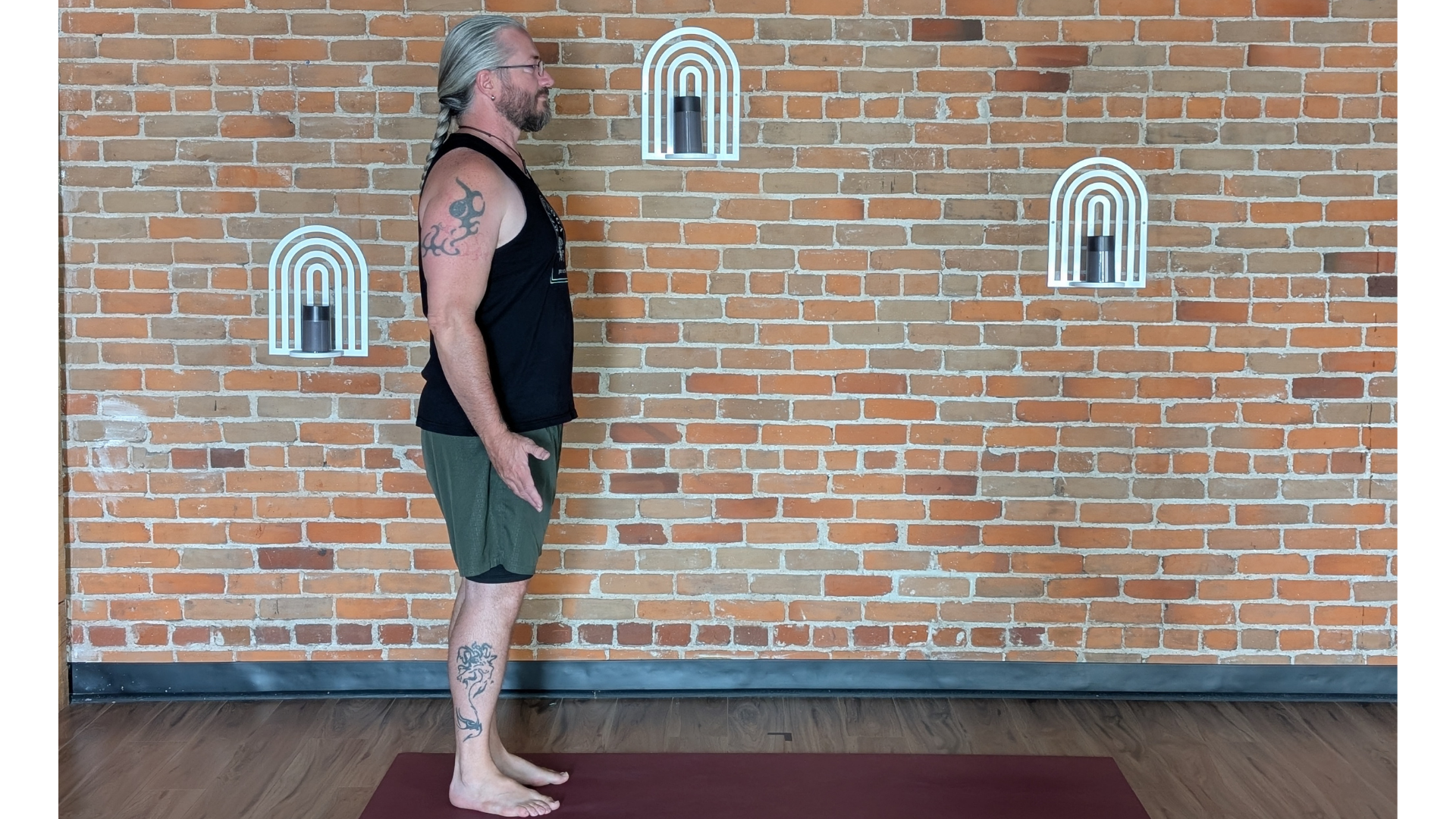
- Mountain Pose (Tadasana): Stand with feet together or hip-distance apart, grounding through the heels.
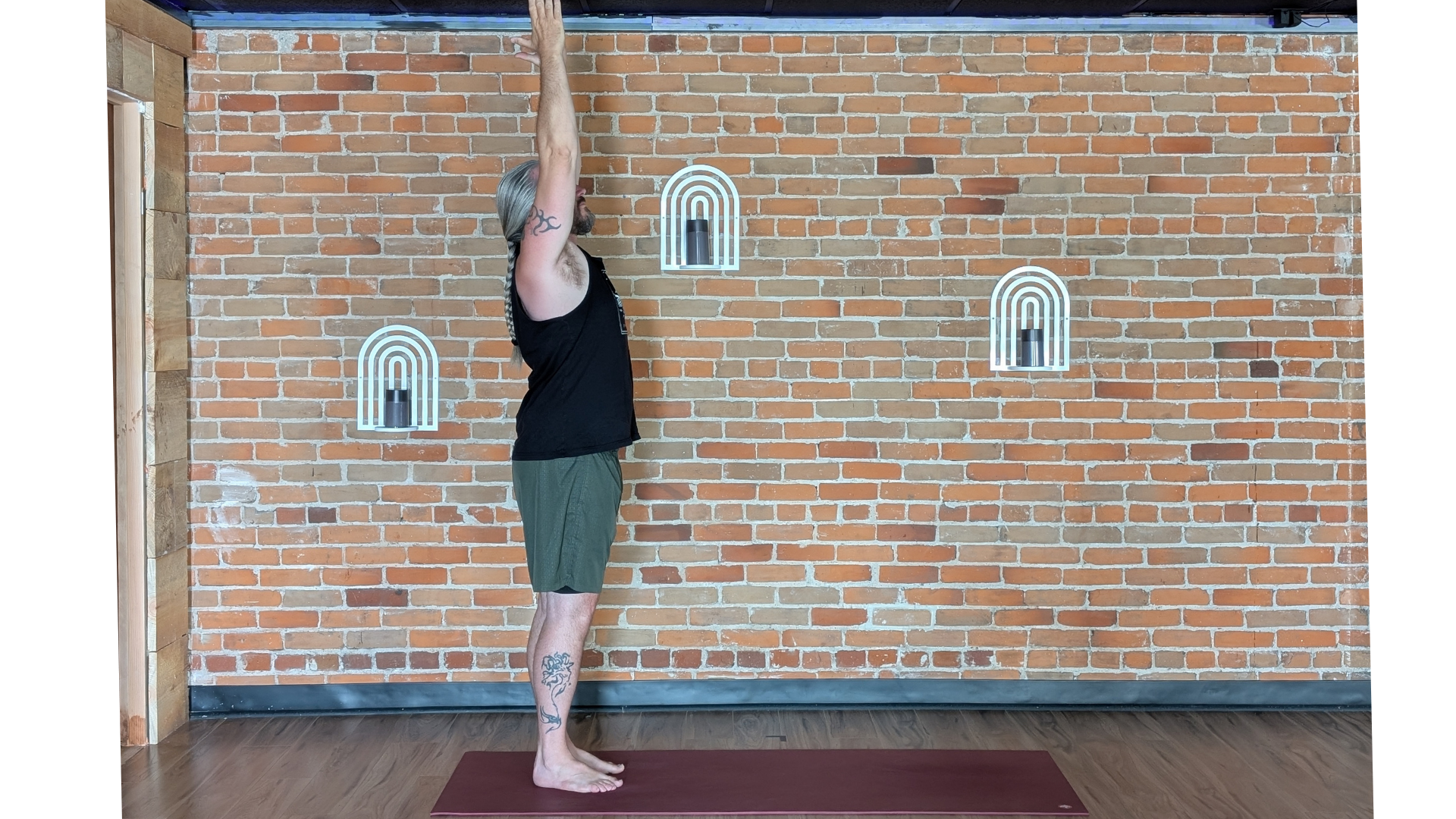
- Upward Salute: Inhale as you reach your arms overhead.
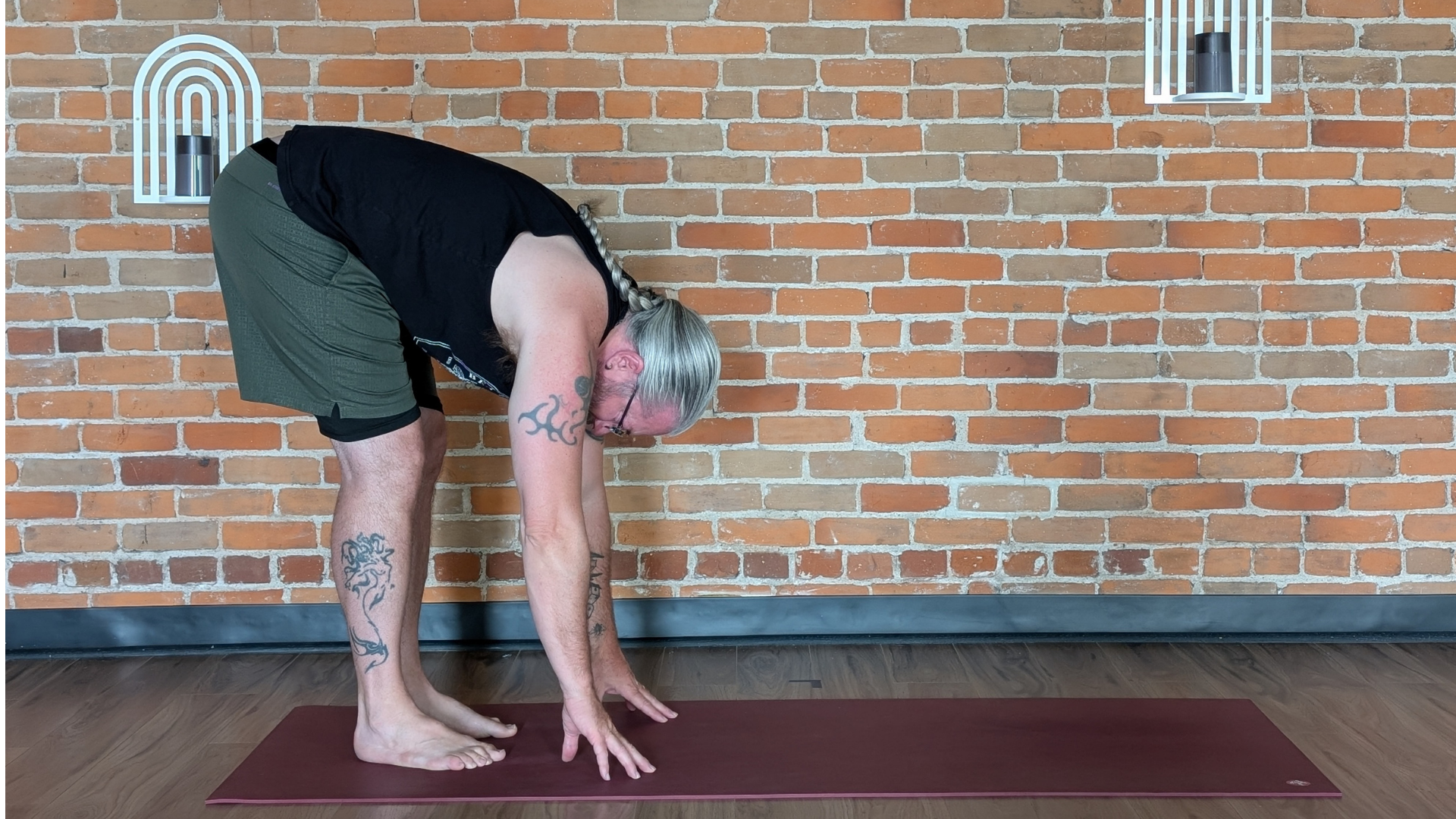
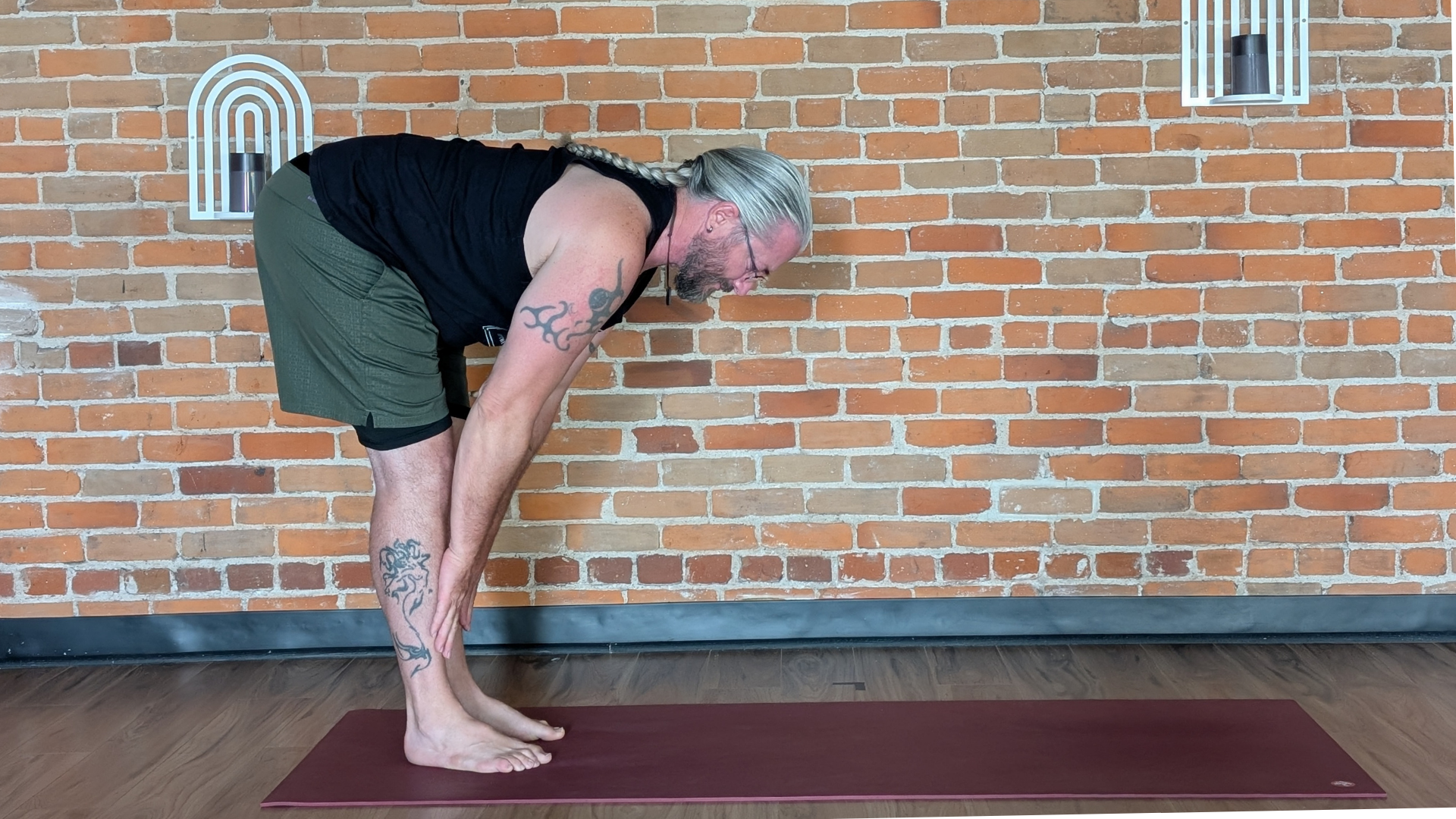
- Forward Fold: Exhale, hinging at the hips, not the waist, to fold into a Standing Forward Bend.
- Half Lift: Inhale to a flat back, lengthening the spine.
- Completion: Exhale to fold, then rise back to standing, bringing hands to heart center. Repeat this cycle five times.
2. Deepening the Release: Scorpion and Lizard
Transitioning from standing to the floor allows for deeper structural work.
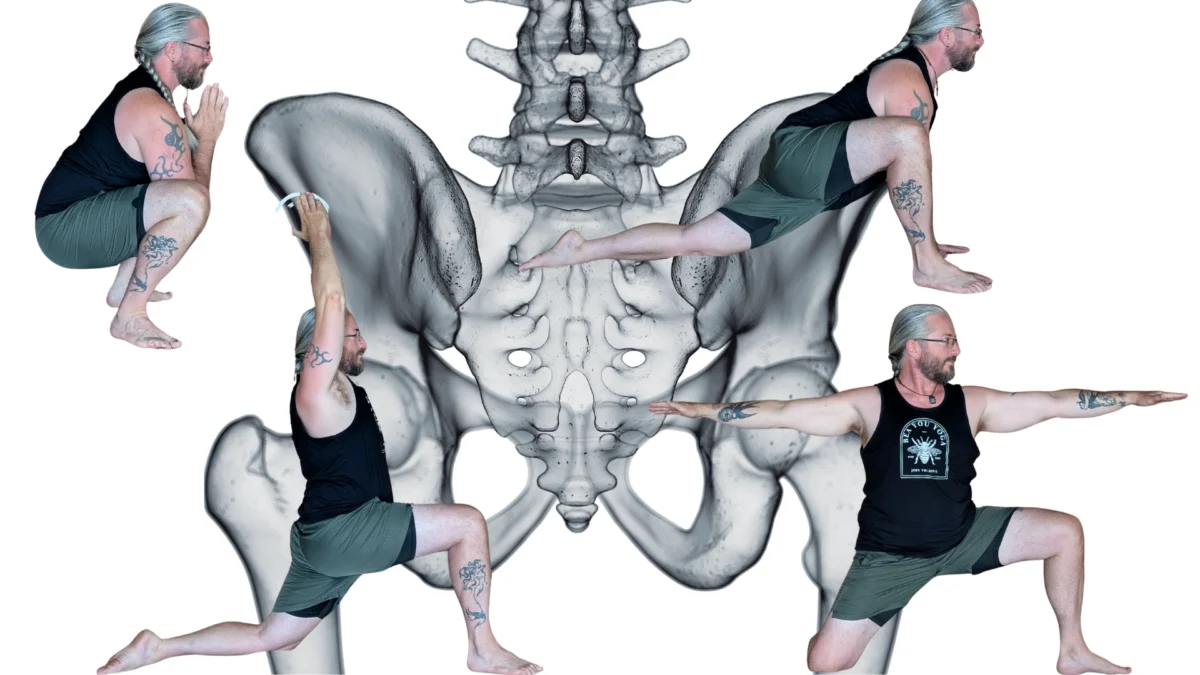
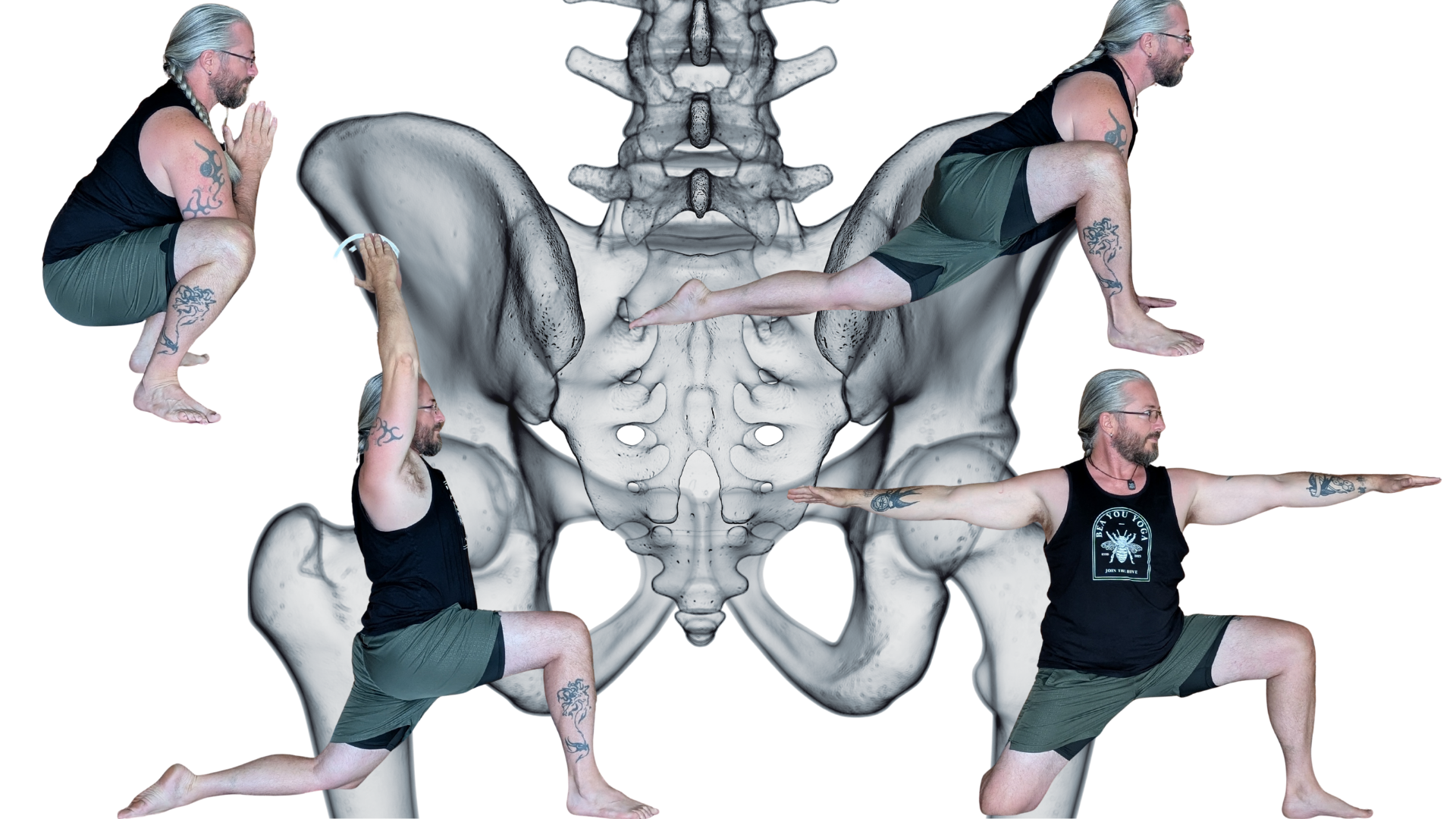
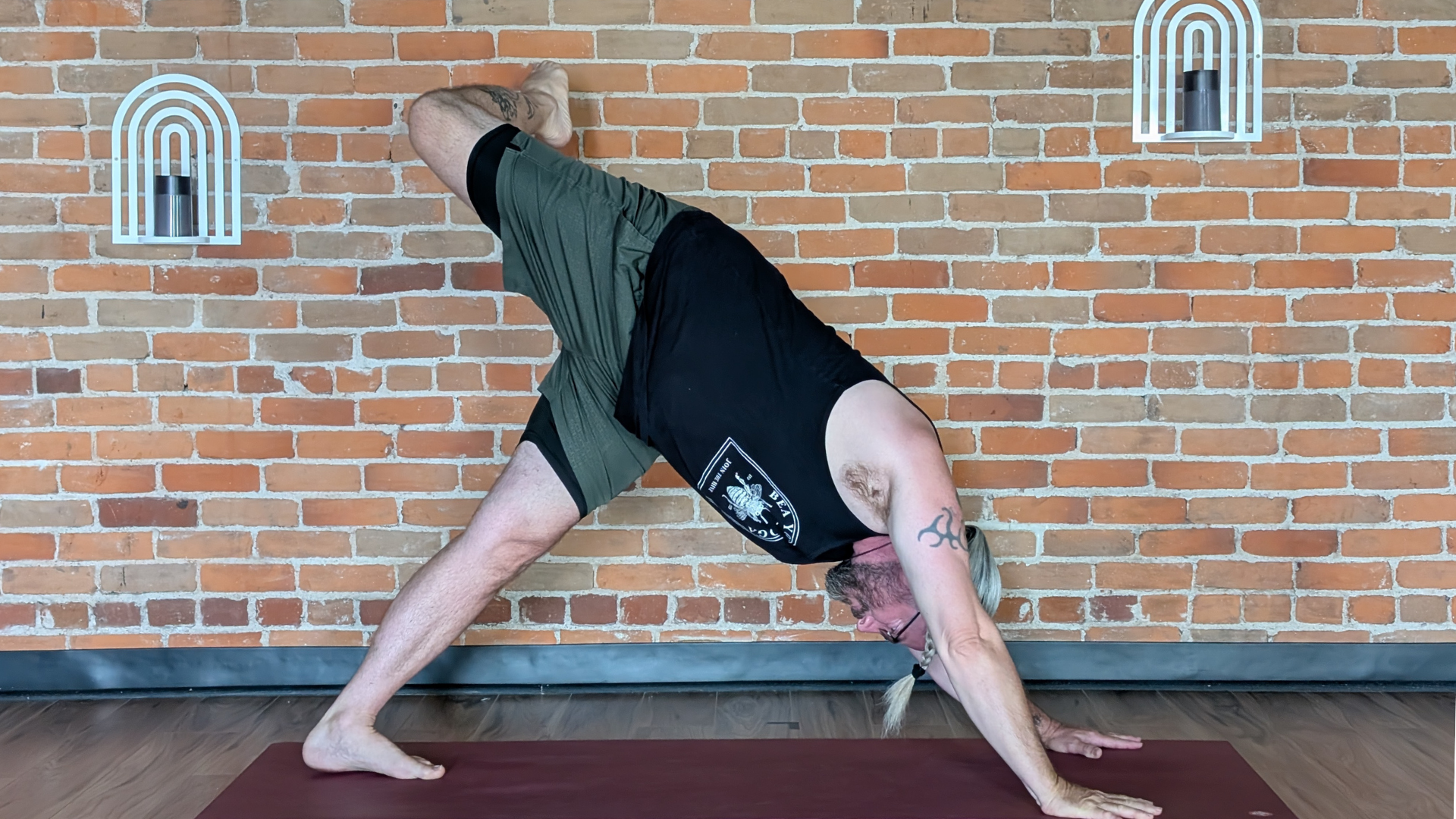
- Scorpion Twist: From Downward-Facing Dog, lift the right leg high. Bend the knee and stack the right hip over the left. This opens the psoas and the hip joint. Hold for three steady breaths.
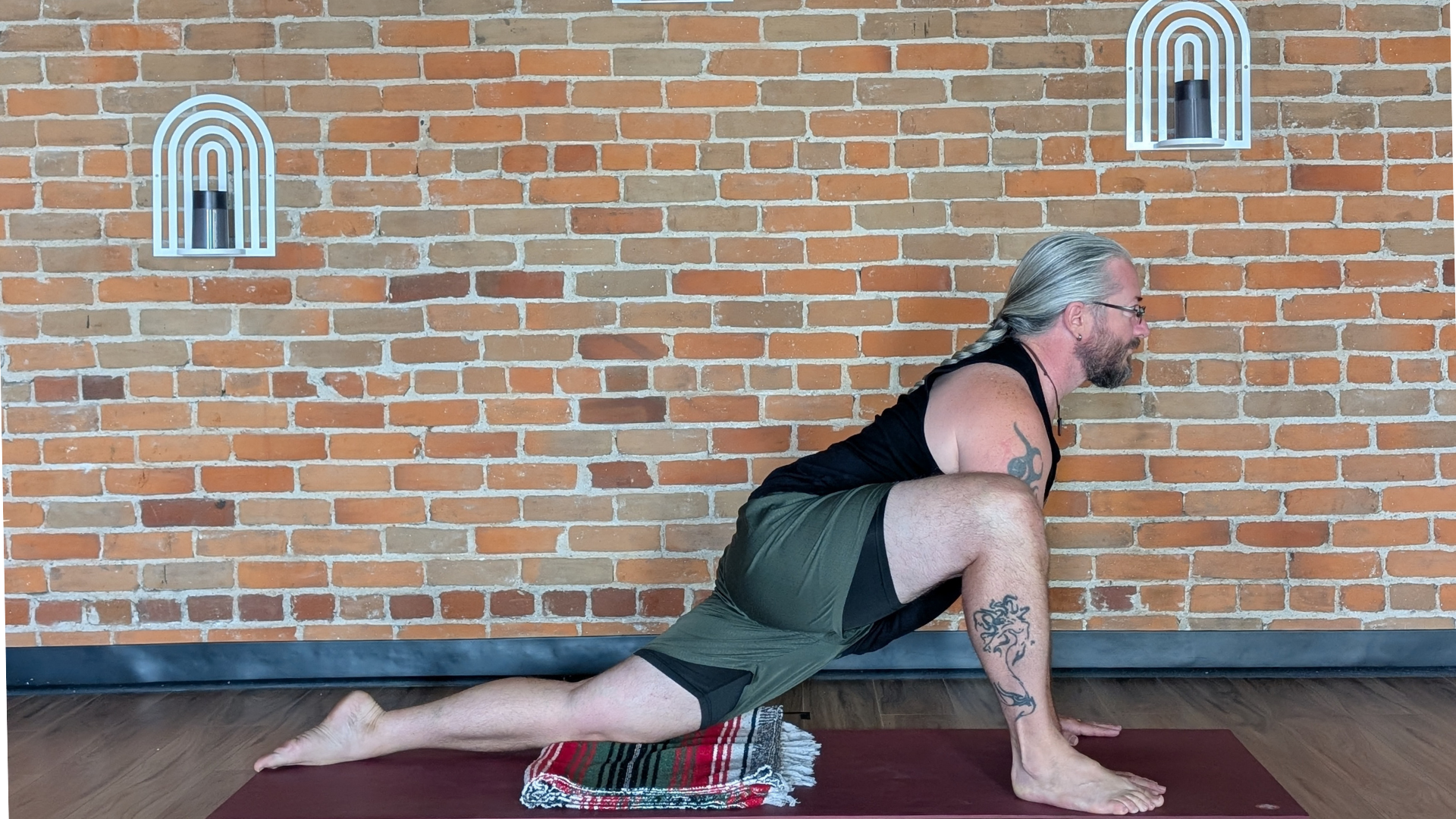
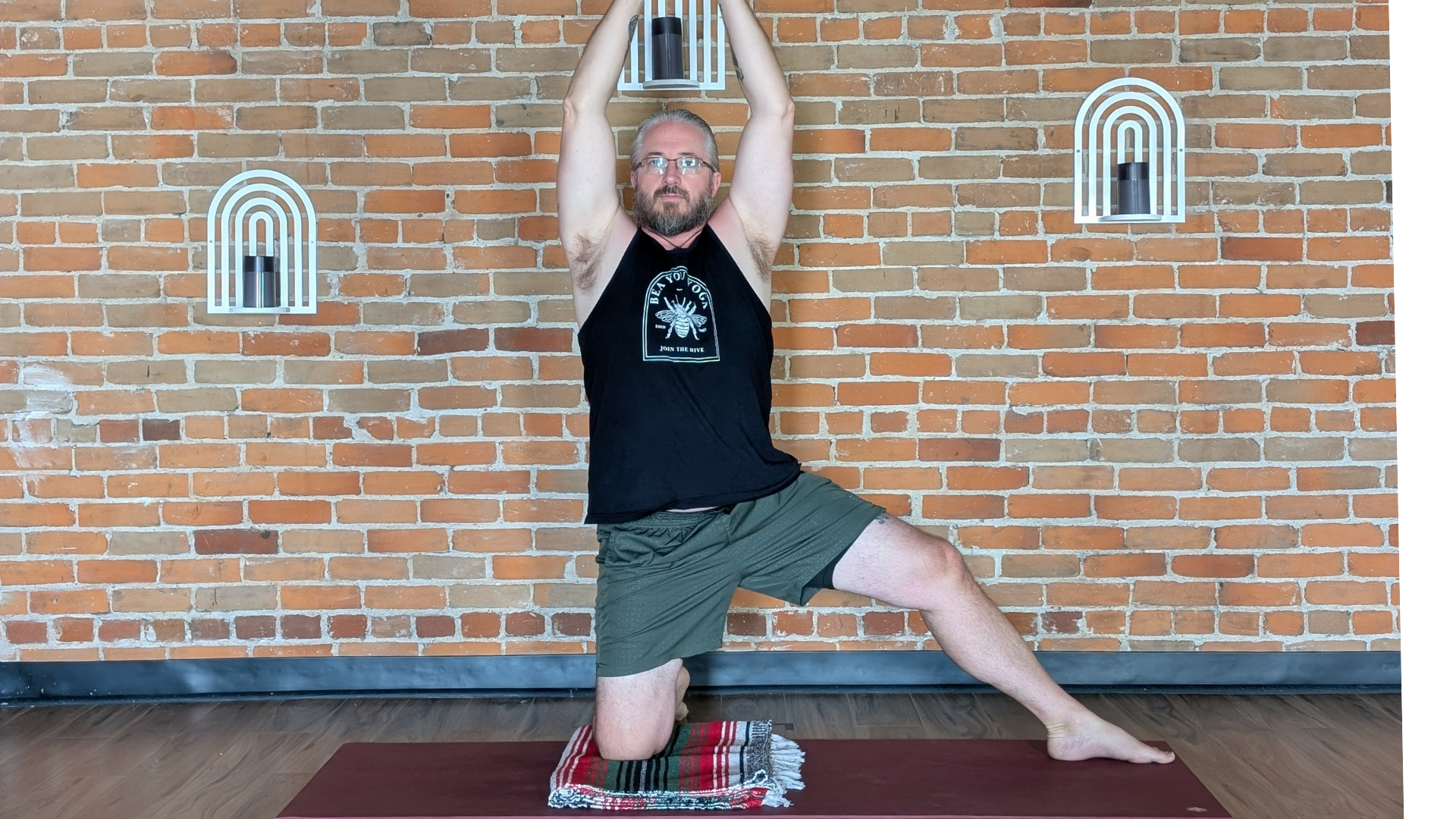
- Lizard Lunge: Step the right foot to the outer edge of the mat. Drop the left knee and the top of the foot. By keeping the core active and pushing the back foot into the mat, you engage the glutes, which helps safely open the front of the hip.
3. The Revolved Sequence: Monkey and Warrior 2
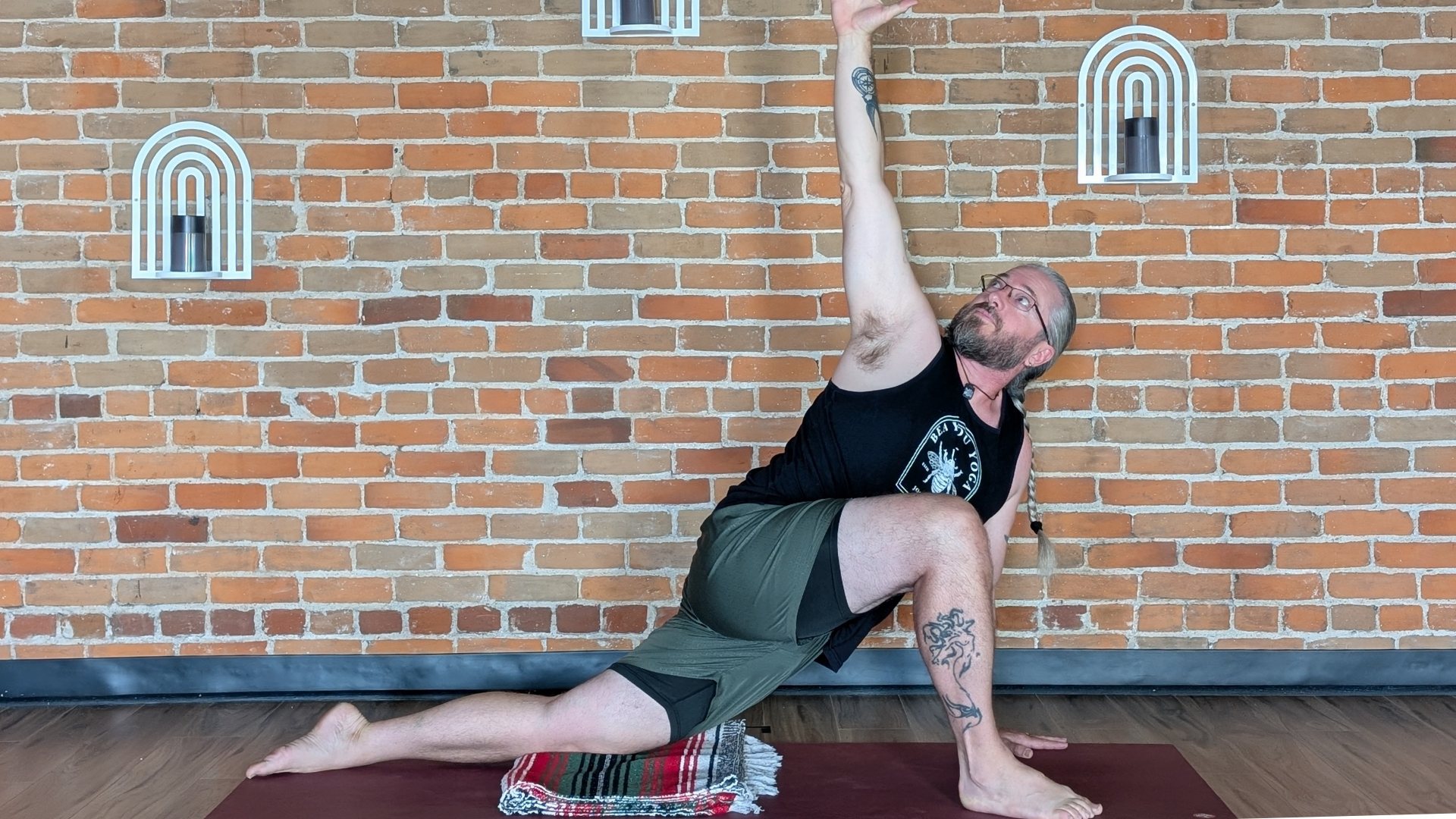
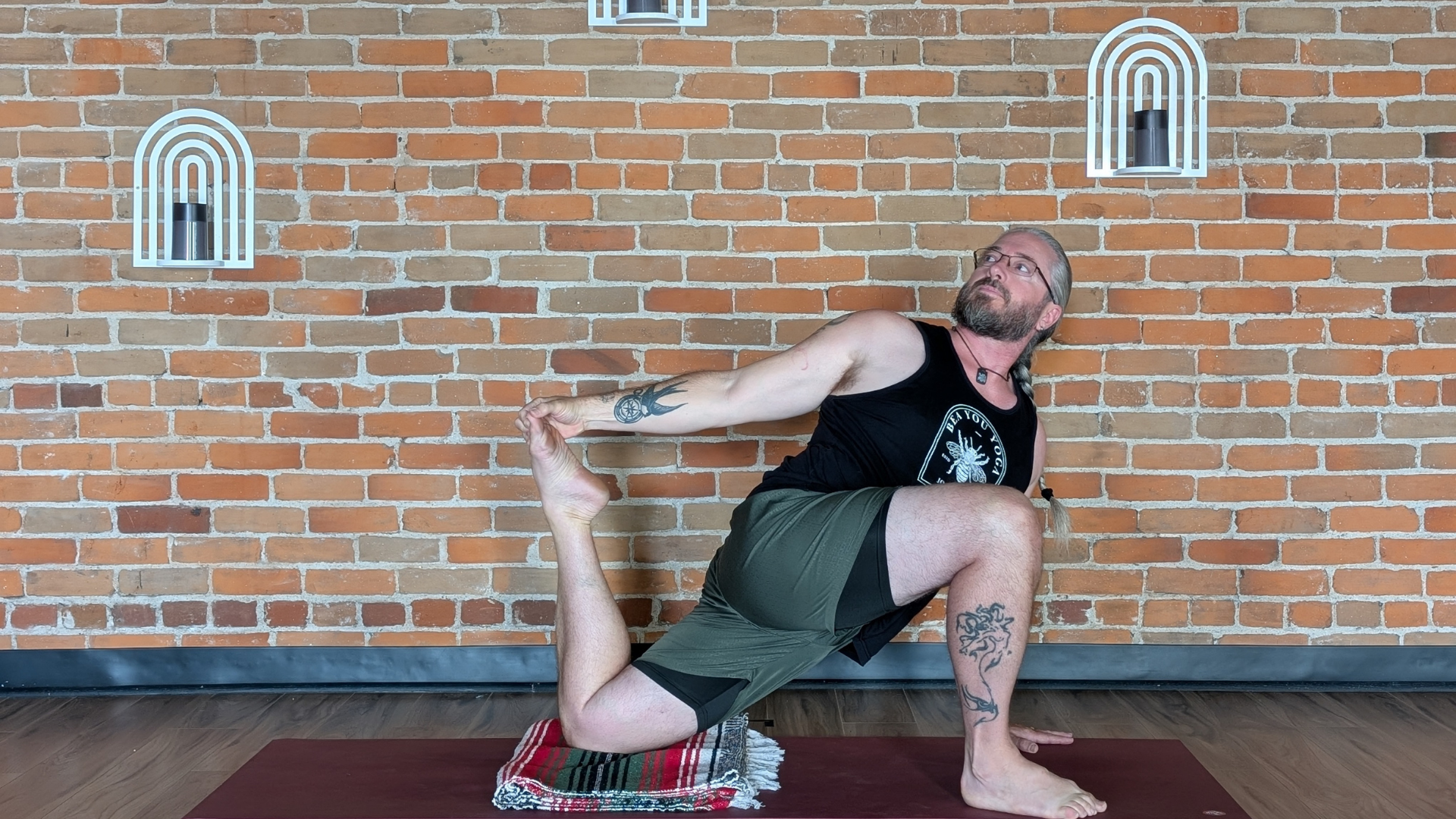
- Monkey Twist: From the Lizard Lunge, reach the right arm toward the ceiling. For an advanced variation, reach back and capture the left foot with your right hand. This targets the quadriceps and deep hip flexors.
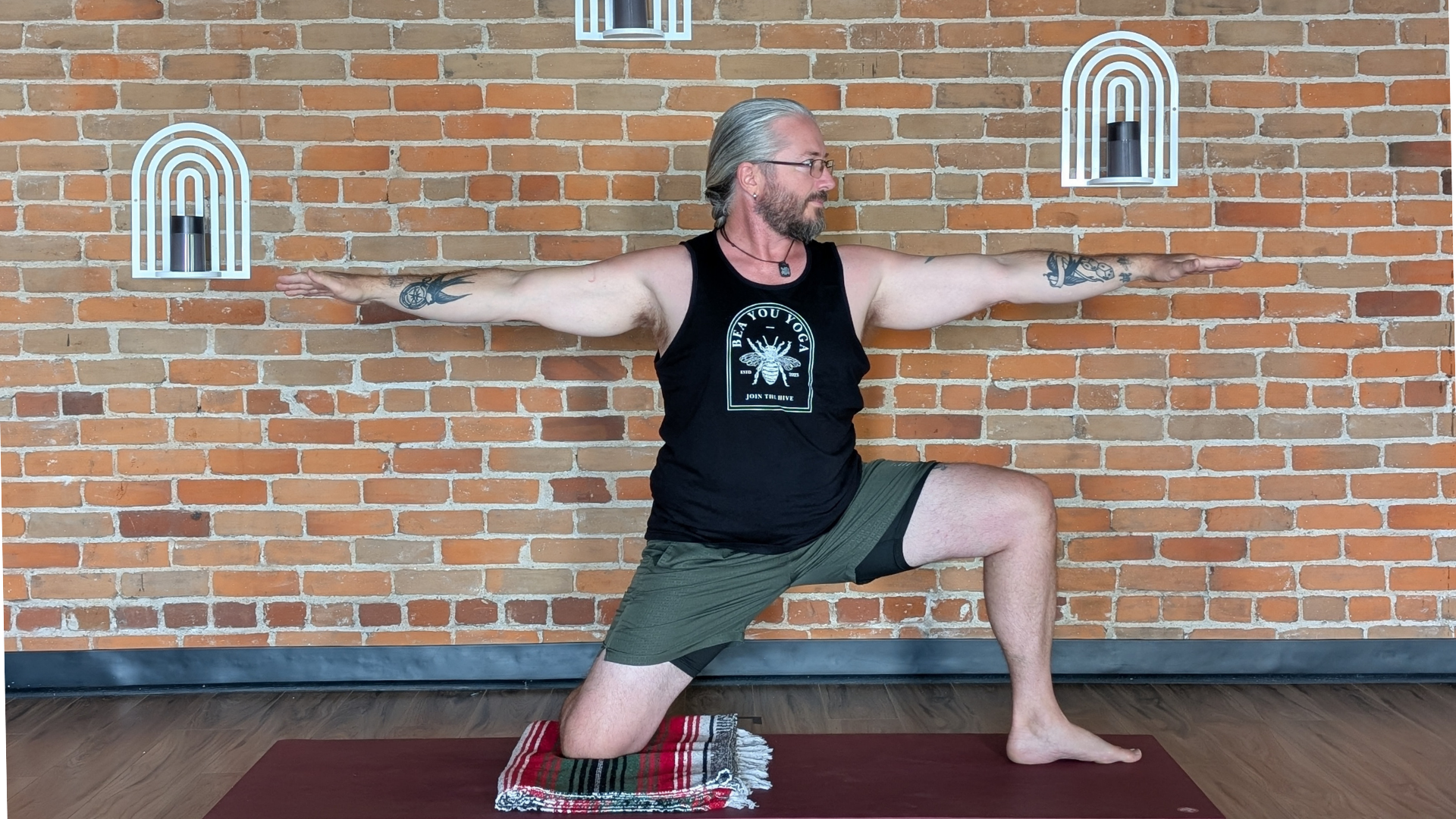
- Kneeling Warrior 2: A unique, kneeling adaptation of the classic standing pose. Pivot the back knee so the shin is parallel to the short side of the mat. This shifts the hips, allowing for a deep, controlled lunge that challenges hip stability.
4. Symmetry and Flow: Gate Pose and Half Splits
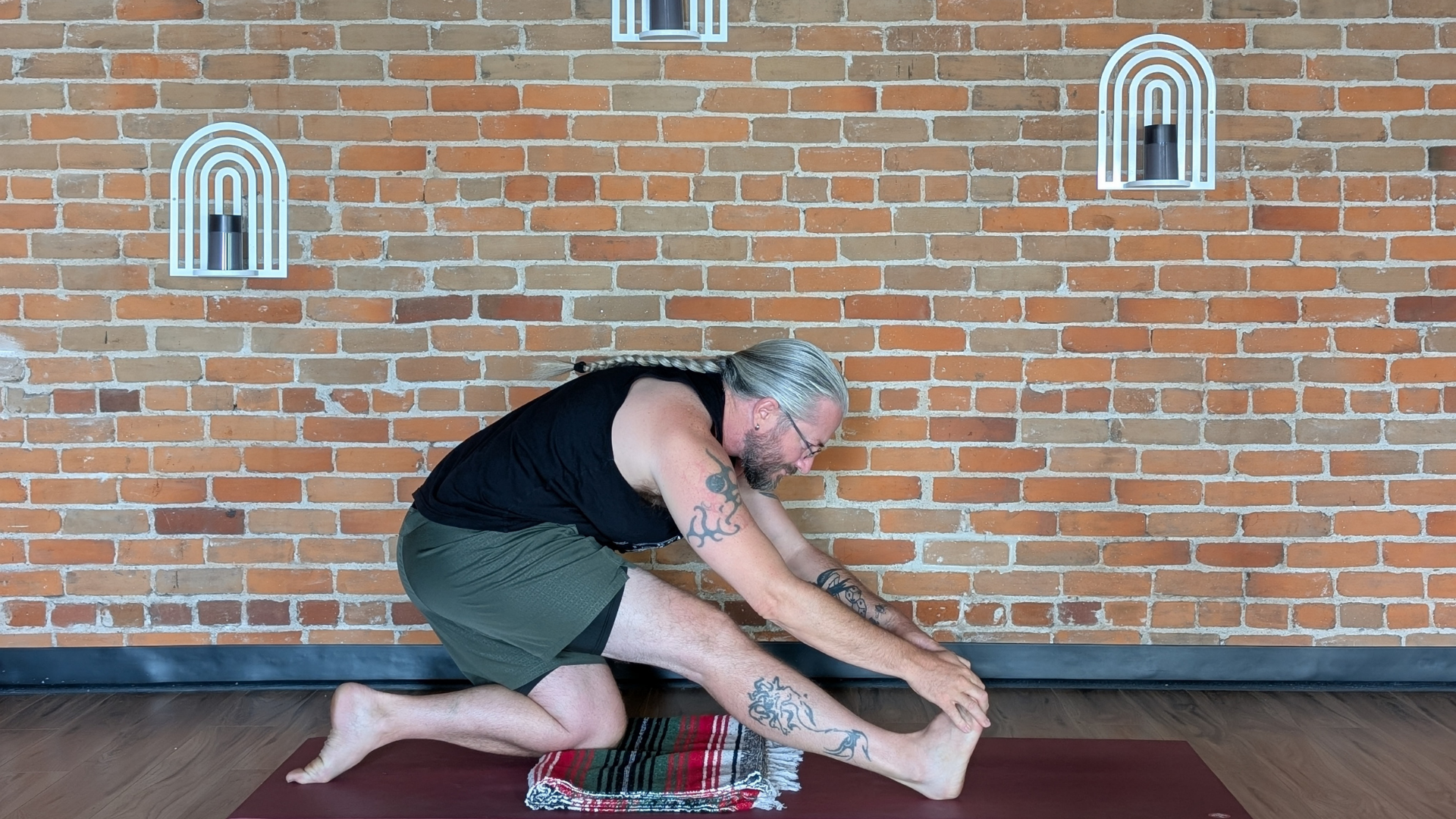
- Half Splits: Flow between a Low Lunge and a half-split variation. This creates a rhythmic "flossing" effect for the hamstrings and hip joints.
- Gate Forward Fold: A variation that targets the inner thighs and adductors. By keeping the leg straight and pointing the toes forward, the stretch is intensified.
5. Final Integration: Pigeon and Yogi Squat
- Pigeon Pose: The gold standard for gluteal release. By sliding the right leg back and squaring the hips, the practitioner can deeply access the piriformis.
- Yogi Squat (Malasana): A deep, functional squat that resets the pelvic floor. Staying in this pose for five breaths ensures the hips are fully released before concluding.
Supporting Data: Why This Works
The effectiveness of this sequence lies in its combination of static stretching and dynamic movement. Research into musculoskeletal health consistently shows that static stretching alone is often insufficient for long-term mobility. By integrating "movement within the pose"—such as the 4-cycle transitions between Low Lunge and Half Splits—the practitioner encourages blood flow to the connective tissues, which facilitates better elasticity over time.
Furthermore, the emphasis on breathwork is not merely aesthetic. Controlled, deep breathing triggers the parasympathetic nervous system, which is essential for "releasing" muscles that are chronically guarded due to stress. When the brain senses safety through breath, the muscles are physically more capable of relaxing.
Implications for Aging and Mental Health
The implications of McKenzie’s routine extend far beyond the yoga mat. As the global population ages, the preservation of mobility is perhaps the single most important factor in maintaining independence and preventing falls.
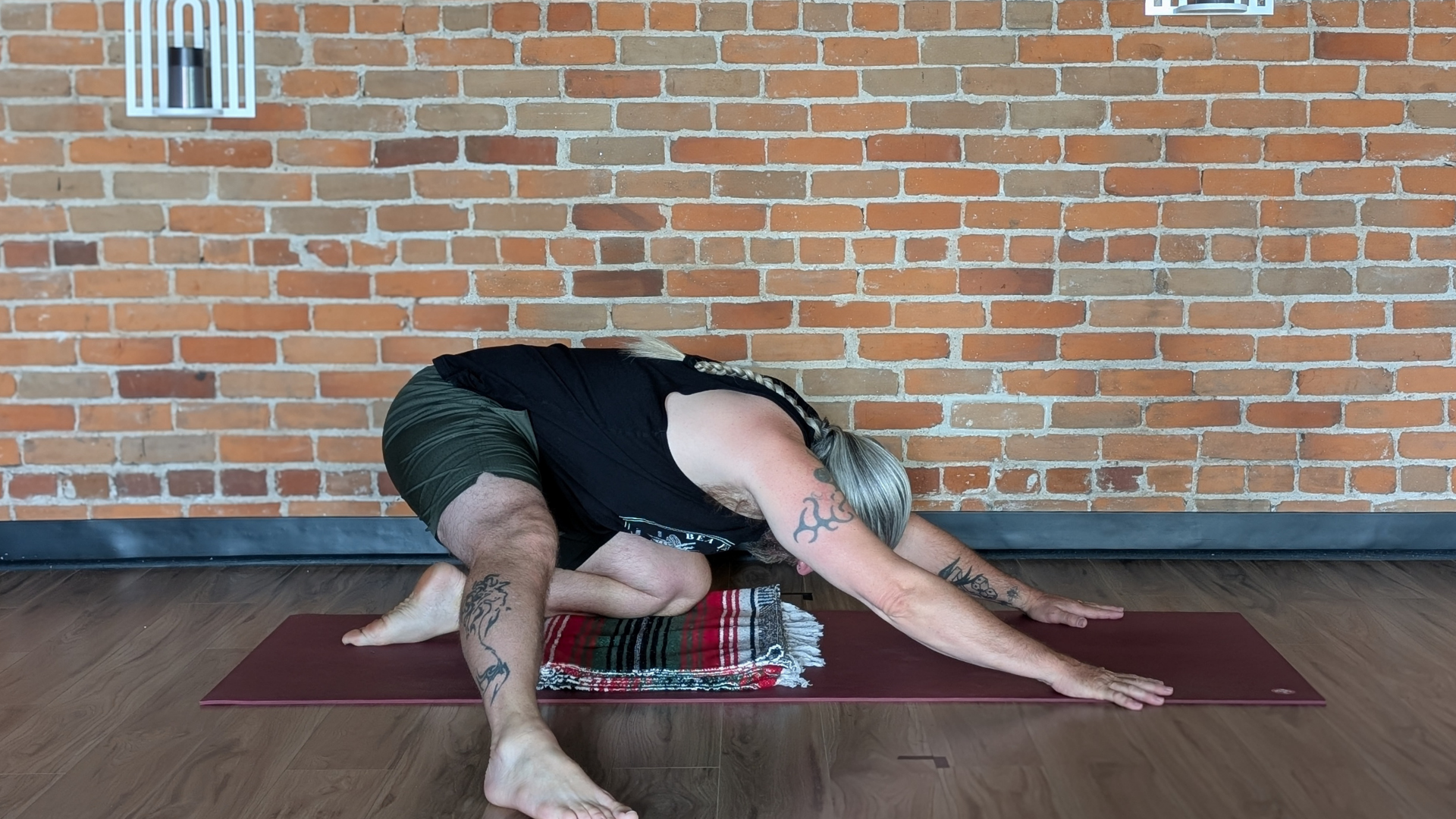
Moreover, the "mind-body" link is critical for veterans and others navigating the complexities of trauma. By focusing on the hips—a primary site for physical tension in the body—McKenzie has essentially created a somatic therapy tool. The routine serves as a daily check-in, a moment to acknowledge where the body is holding onto the past and to consciously choose to let go.
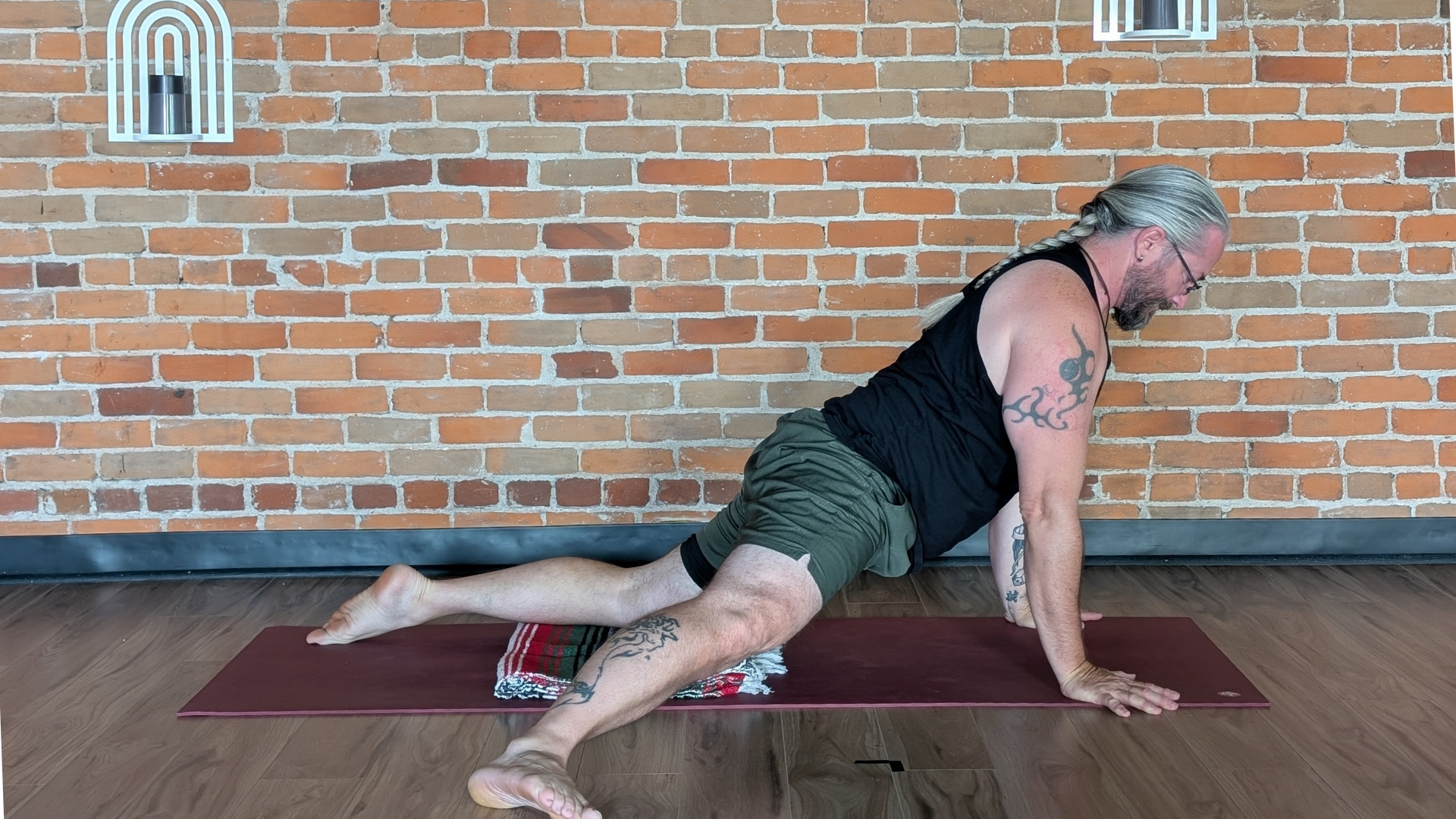
"When I started, I thought I was just doing stretches for tight hips," says McKenzie. "But the reality is, I was rebuilding my relationship with my own body. That is the most profound shift I’ve made in my retirement."
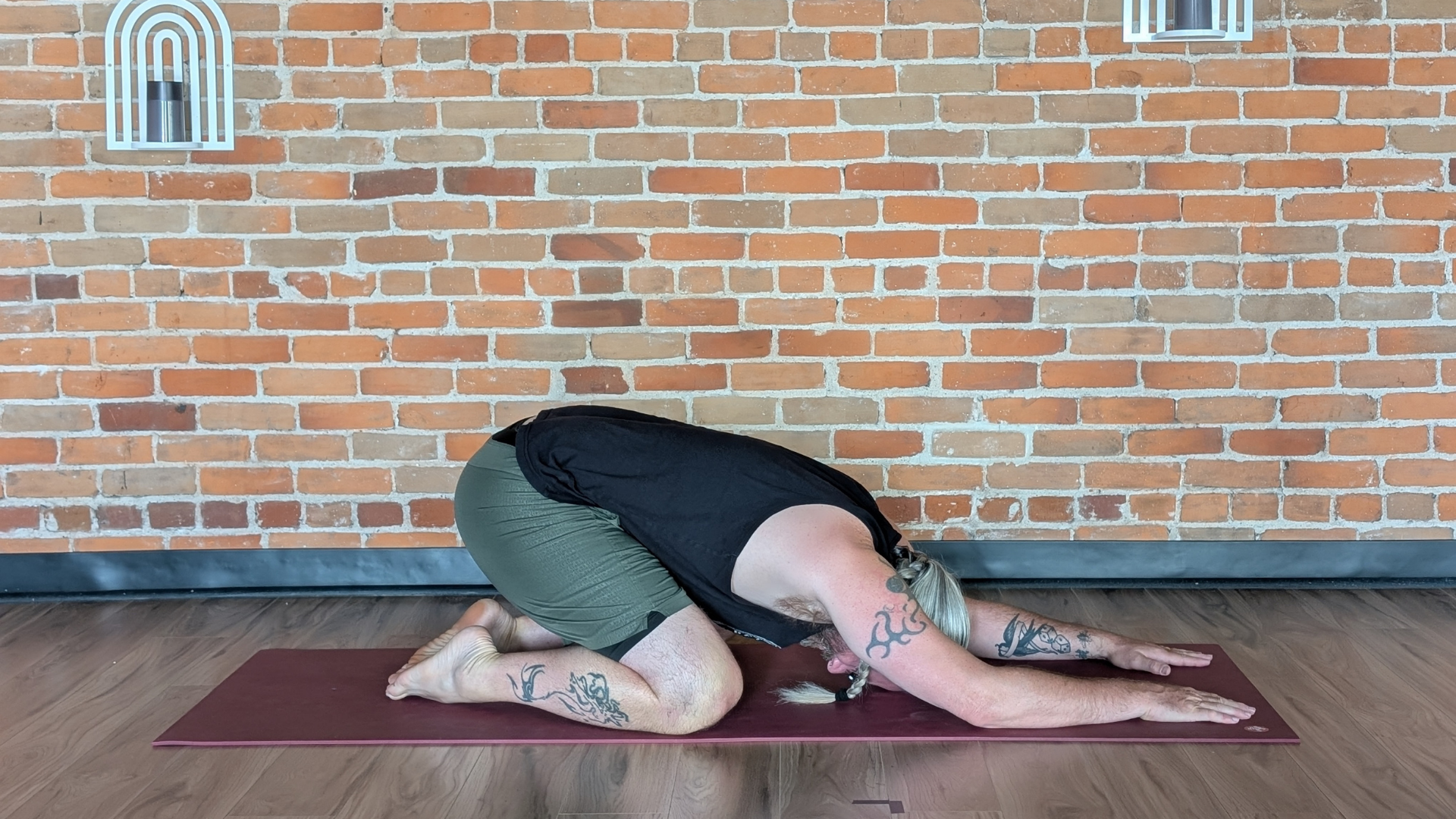
For those looking to begin their own journey, the message is clear: You do not need to be flexible to start yoga; you start yoga to become flexible. With just 10 minutes a day, the promise of improved range of motion and mental equilibrium is well within reach for anyone willing to step onto the mat.