











By Jonathan Gardner | Aug. 31, 2026
In a move that underscores its aggressive strategy to diversify beyond its blockbuster metabolic franchise, Eli Lilly and Company announced on August 31, 2026, that it has reached an agreement to acquire Merida Biosciences. The deal, which brings the innovative startup under the pharmaceutical giant’s umbrella, centers on a proprietary platform designed to selectively degrade pathogenic autoantibodies.
This acquisition marks another step in Lilly’s ongoing mission to bolster its pipeline through targeted bolt-on acquisitions. By integrating Merida’s protein-degradation technology, Lilly aims to address the root causes of autoimmune disorders rather than merely managing symptoms, potentially revolutionizing the standard of care for conditions like Graves’ disease.
Main Facts: The Strategic Rationale
The acquisition of Merida Biosciences is the latest chapter in a year of significant corporate maneuvering for Eli Lilly. While the company’s financial narrative remains dominated by the stratospheric success of its obesity and diabetes medications, Zepbound and Mounjaro, Lilly’s leadership has been transparent about its intent to reinvest those windfalls into long-term research and development.
Merida Biosciences, a company that emerged from stealth just last year, offers a specialized approach to immunology. Conventional treatments for autoimmune diseases—such as corticosteroids or broader immunosuppressants—often work by "turning down" the immune system’s volume. While effective, this can leave patients vulnerable to infections and other adverse systemic effects.
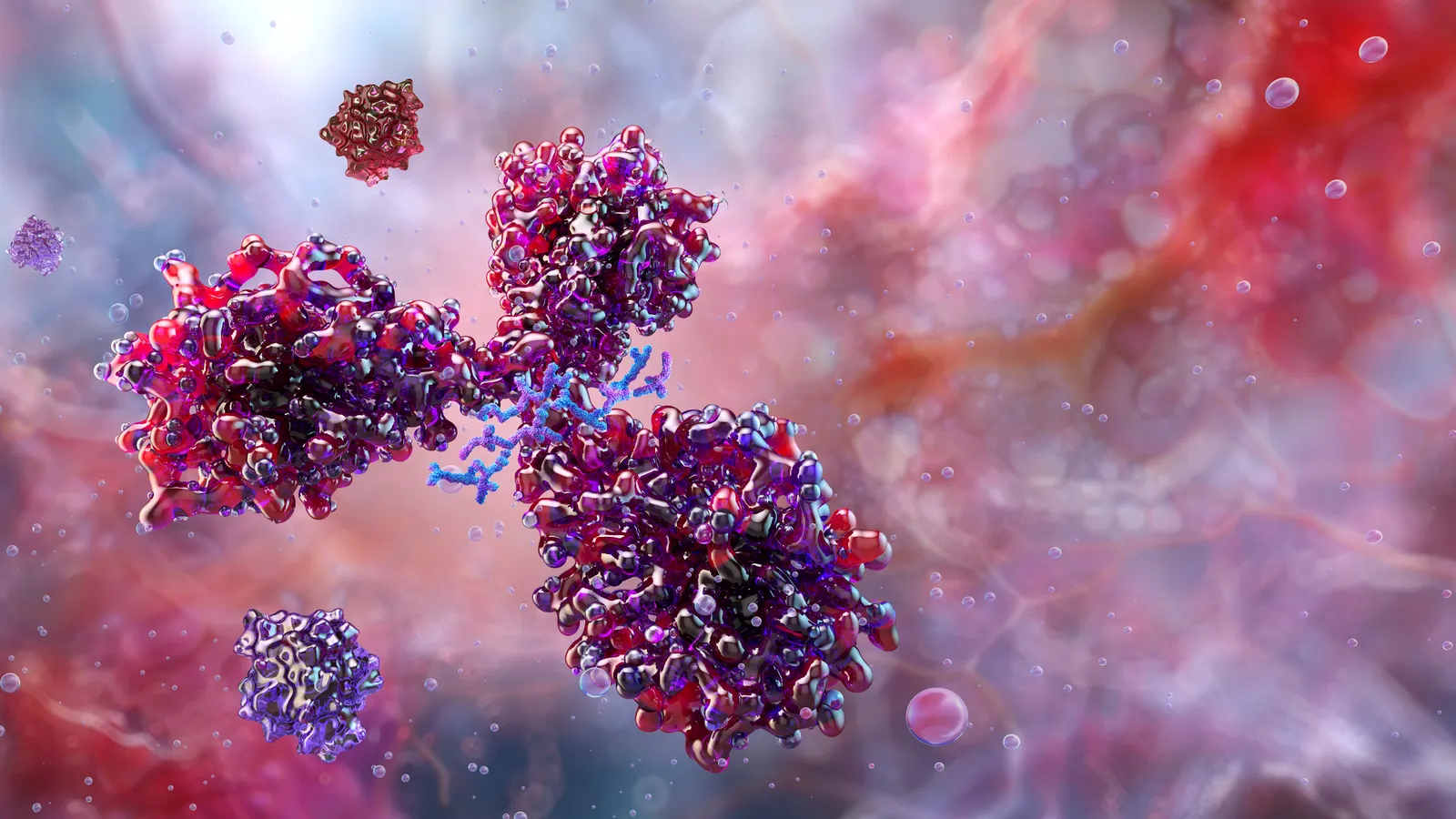
In contrast, Merida’s platform utilizes a "tag-and-destroy" mechanism. Their therapeutic candidates are designed to bind specifically to the autoantibodies that mistakenly attack a patient’s own tissues and target them for degradation. By removing the culprits responsible for the autoimmune reaction, Lilly hopes to offer a "precision medicine" solution that preserves the rest of the immune system’s integrity.
Chronology of Innovation: From Launch to Acquisition
The trajectory of Merida Biosciences has been rapid, reflecting the high investor appetite for precision immunology technologies.
- April 2025: Merida Biosciences officially launches with a substantial $121 million Series A funding round. The round was anchored by industry-leading venture firms, including Bain Capital Life Sciences, BVF Partners, and Third Rock Ventures, signaling high confidence in the company’s underlying science.
- Late 2025: Following a swift pre-clinical development phase, the company moves its lead candidate, MER511, into human testing.
- December 2025: Merida initiates a Phase 1 safety and dosing trial (NCT07305818) for MER511, focusing on patients diagnosed with Graves’ disease. The study was designed to evaluate the drug’s safety profile when administered in conjunction with traditional anti-thyroid medications.
- August 31, 2026: Eli Lilly announces the acquisition of Merida Biosciences. The acquisition integrates the entire Merida portfolio, including the ongoing Phase 1 clinical program, into Lilly’s early-stage immunology pipeline.
Supporting Data: The Case for MER511
At the heart of the deal is MER511, a therapeutic candidate that addresses the underlying biology of Graves’ disease—a condition where the immune system attacks the thyroid gland, often resulting in hyperthyroidism and, in many cases, debilitating thyroid eye disease.
Current therapeutic options for Graves’ disease are limited. Patients typically rely on anti-thyroid medications that reduce hormone production or, in more severe cases, surgical thyroid removal or radioactive iodine therapy. None of these existing options address the primary drivers of the disease: the autoantibodies that overstimulate the thyroid.
The Phase 1 data, while preliminary, provided the proof-of-concept necessary to attract a suitor of Lilly’s caliber. By demonstrating that the drug could be safely administered to humans, Merida successfully bridged the gap between academic theory and clinical utility. For Lilly, the potential to pivot from "symptom management" to "disease modification" is the primary value driver of this investment.
Official Responses: Aligning the Vision
The leadership at both companies has expressed optimism regarding the synergy of the acquisition. For Lilly, the acquisition is a natural evolution of its immunology division.
"We’re building our pipeline around therapies that meaningfully change the course of disease, not just its downstream effects," said Francisco Ramírez-Valle, head of Lilly’s immunology research and early clinical development. "Merida’s lead program is designed to do exactly that: selectively and directly eliminating the autoantibodies causing Graves’ disease and thyroid eye disease, while preserving normal immune function."

The language used by Lilly executives reflects a broader industry shift toward "targeted immunology." By removing the pathogen-specific antibodies, Lilly aims to offer a clinical profile that is both more effective and safer for long-term use than existing broad-spectrum immunosuppressants.
Implications: The Future of the Immunology Pipeline
The acquisition of Merida Biosciences holds significant implications for the broader biopharmaceutical landscape, specifically in the following areas:
1. The "War Chest" Strategy
Lilly’s success with its metabolic franchise has provided a unique opportunity to act as a consolidator in the biotechnology space. Unlike companies that are forced to cut R&D during periods of economic uncertainty, Lilly’s balance sheet allows it to pursue high-risk, high-reward technologies. This acquisition is a testament to the "bolt-on" strategy—buying smaller, agile companies to avoid the institutional inertia that often stalls innovation in massive organizations.
2. A Shift in Autoimmune Treatment Paradigms
If MER511 proves successful in later-stage trials, it could establish a new category of drugs. If the technology can be applied to other autoantibody-driven conditions—such as lupus, myasthenia gravis, or rheumatoid arthritis—the market potential for this platform is immense. By targeting the "source code" of the disease, Lilly is positioning itself to be a leader in a field that has historically relied on decades-old drug classes.
3. The Role of Venture Capital in Biotech
The success of Merida’s $121 million Series A round highlights the health of the venture ecosystem for high-science startups. When top-tier firms like Third Rock and Bain Capital provide the early capital, it creates a "de-risking" environment that makes companies like Merida highly attractive to Big Pharma acquirers. This cycle of innovation—from venture-backed startup to acquisition by a global leader—remains the primary engine of the pharmaceutical industry.
4. Patient Outcomes and Market Competition
For patients, the prospect of a treatment that targets autoantibodies offers hope for better disease control without the compromise of systemic immunosuppression. While competition in the autoimmune space remains fierce, with companies like Amgen, AbbVie, and Roche all vying for market share, Lilly’s entry into the protein-degradation space via Merida provides a distinct competitive advantage.

Conclusion: Looking Ahead
As the integration process begins, the pharmaceutical industry will be closely monitoring the progress of the MER511 trials under the Lilly banner. The acquisition is not just a purchase of a drug, but a purchase of a platform. Should Lilly successfully scale the technology to target a wider array of autoantibodies, they will have effectively secured a "moat" around their immunology portfolio for years to come.
In the near term, the focus will remain on completing the ongoing Phase 1 trials and preparing for subsequent Phase 2 studies. For Eli Lilly, the message is clear: while the company currently wears the crown of the obesity drug market, it has no intention of being a one-trick pony. By reaching into the complex biology of the immune system, Lilly is signaling its commitment to remain a dominant force in medicine for the next decade and beyond.
The Merida Biosciences acquisition, while relatively small in the context of global pharmaceutical mergers, serves as a high-stakes bet on the future of molecular medicine—a bet that could redefine how we treat some of the most persistent and life-altering autoimmune conditions in modern medicine.